Tech
Welcome to the Technology section of GPblog! This page provides an overview of all technical analyses related to Formula 1. Discover the latest developments, innovations, and updates that teams implement to enhance their performance on the track.
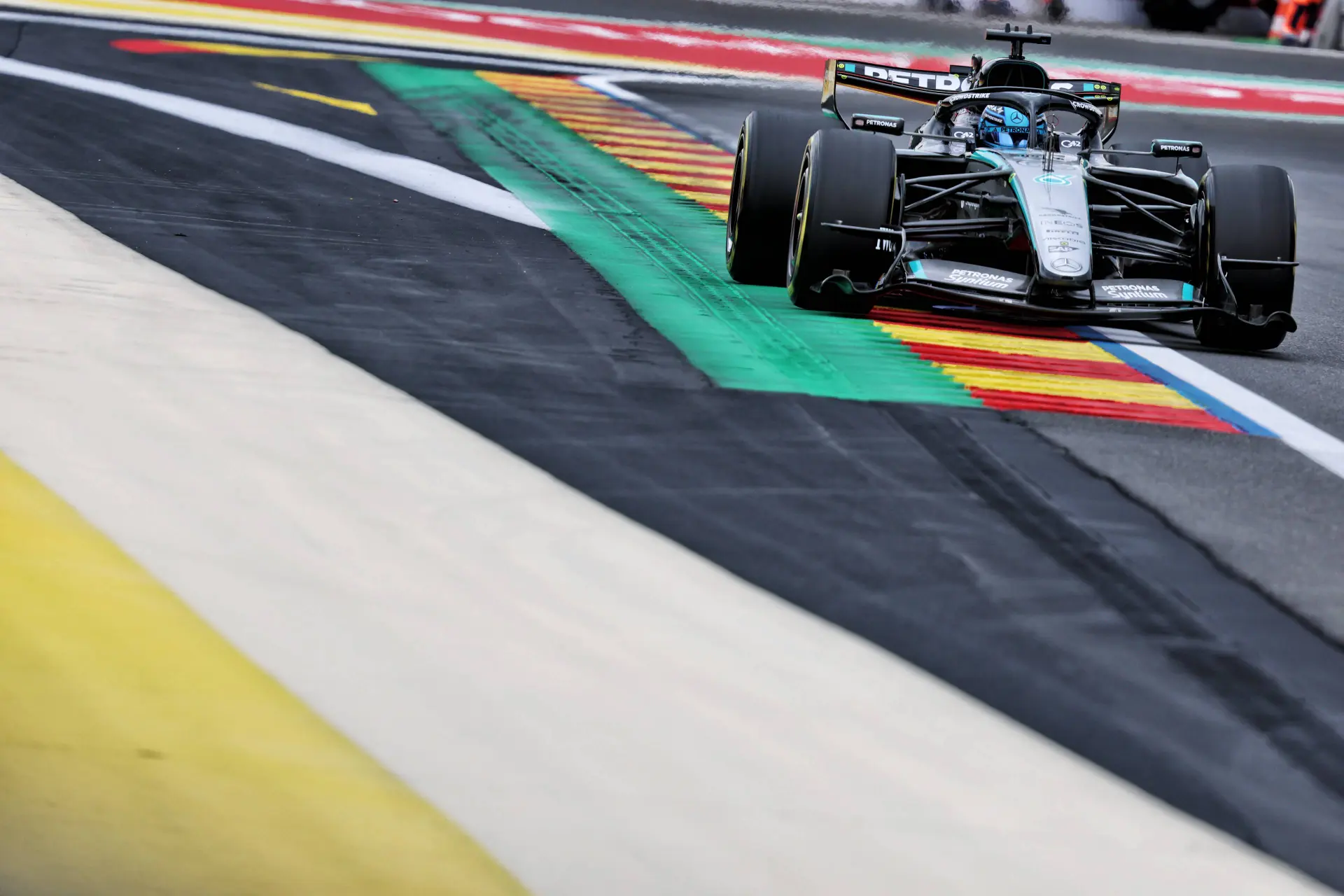
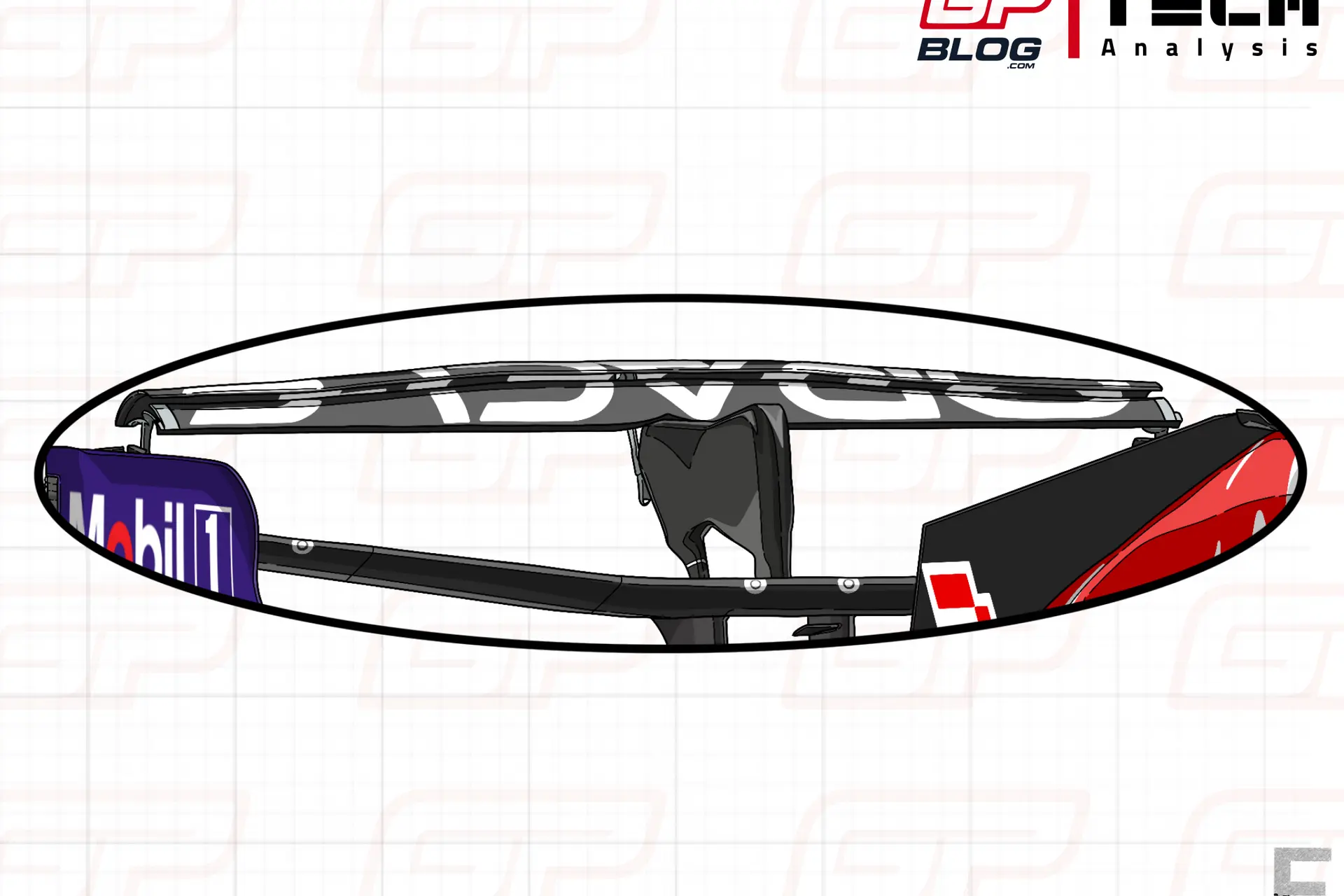
Hamilton's maiden victory made possible by Ferrari's upgrade package
Lewis Hamilton secured his first Ferrari victory at the Barcelona-Catalunya Grand Prix, with the Scuderia's latest upgrade package playing a decisive role.
The Spanish Grand Prix weekend offered a very tight and exciting battle between Ferrari and Mercedes both during qualifying and in the race, with Lewis Hamilton eventually securing the 106th victory of his career. The Briton took advantage of the updated SF-26 both during qualifying, when he managed to get a P2 just a few thousandths of a second behind Russell, and especially during the race, where he enjoyed a significantly stronger pace than his rivals during the final stint thanks to excellent tyre management. Read more about what made the difference here!

Ferrari's front wing comparison between Monaco and Barcelona - Image: Francesco Bianchi
Why ADUO won't be a new "Balance of Performance"
Following this weekend’s Canadian Grand Prix, the FIA will publish the first list of manufacturers eligible for the new ADUO system, which allows struggling power-unit suppliers to develop their engines during the season.
ADUO stands for “Additional Development and Upgrade Opportunities” and is one of the key mechanisms introduced under Formula 1’s 2026 power-unit regulations. The system is designed to help manufacturers close the gap to the leading Internal Combustion Engine (ICE) without introducing a full Balance of Performance model.
The Canadian Grand Prix marks the end of the first monitoring period of the season, covering the opening five races from Melbourne to Montreal. Bahrain and Saudi Arabia were excluded following the cancellation of both events.
During each review period, the FIA evaluates the performance of every manufacturer’s ICE and calculates an “ICE Performance Index”, which determines whether a supplier qualifies for development concessions.
How the updated MCL40 challenged Mercedes in Miami
McLaren made a good step forward in Miami, thanks to a substantial package of updates, but also helped by the track conditions. Here is how the Woking-based team challenged Mercedes in the United States. Read More

Photo: Francesco Bianchi
Red Bull finally able to challenge Mercedes thanks to updates
Red Bull Racing made a huge step forward in Miami after introducing a “B” version of their car to challenge rivals. After struggling to even get into the top five during the first races of the season, a strong weekend in Miami confirmed the impact of the updates. Read More

RB22's new sidepod version introduced for the Miami Grand Prix - Photo: Francesco Bianchi
Key technical aspects of Formula 1
The performance of a Formula 1 car is influenced by various technical factors. Some of the most crucial components include:
- Aerodynamics: The design of wings, bargeboards, and other aerodynamic elements determine how efficiently a car moves through the air and how much downforce is generated.
- Power Unit: Modern F1 cars feature hybrid engines that combine internal combustion with electric systems for maximum efficiency and performance.
- Suspension: Advanced suspension systems ensure optimal handling and stability, which is critical for maintaining high speeds through corners.
- Materials: The use of lightweight and durable materials such as carbon fiber contributes to both safety and performance.
Technology in Formula 1
Formula 1 is often regarded as the pinnacle of technological innovation in motorsports. Teams invest hundreds of millions of dollars annually in research and development to make their cars quicker, more efficient, and more reliable.
Many technologies developed in F1 have been adopted in other racing categories. Examples include aerodynamic advancements and safety innovations such as the Halo system. Moreover, F1 plays a key role in influencing the automotive industry, particularly in the development of advanced hybrid engines
Many technologies developed in F1 have been adopted in other racing categories. Examples include aerodynamic advancements and safety innovations such as the Halo system. Moreover, F1 plays a key role in influencing the automotive industry, particularly in the development of advanced hybrid engines
At GPblog, we strive to provide our readers with the most up-to-date and in-depth technical analyses in Formula 1. Through our articles, you’ll stay informed about the latest innovations, regulatory changes, and technological advancements shaping the sport.
Azerbaijan Grand Prix
Overview
Thursday 24.09.26
Practice 1
08:30 AM
Practice 2
12:00 PM
Friday 25.09.26
Practice 3
08:30 AM
Qualification
12:00 PM
Saturday 26.09.26
Race
11:00 AM
Thursday 24.09.26
Practice 1
Thu 08:30 AM
Practice 2
Thu 12:00 PM
Friday 25.09.26
Practice 3
Fri 08:30 AM
Qualification
Fri 12:00 PM
Saturday 26.09.26
Race
Sat 11:00 AM
Times are in your local timezone
Popular on GPBlog
1
Monaco's famous Sunday race set for a dramatic new twist
7942 times read

2
Renault veto expires as Horner targets Alpine equity stake for F1 return
3901 times read

3
Norris called 'unprofessional' for Coca-Cola can incident at Spanish Grand Prix
2608 times read

4
Brundle tells Aston Martin to drop Alonso and rebuild with young drivers as Rosberg disagrees
1209 times read
Loading