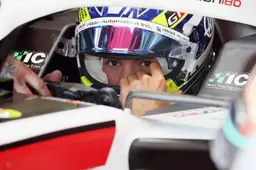
Mercedes working on deeper cause behind George Russell's recurring power issue
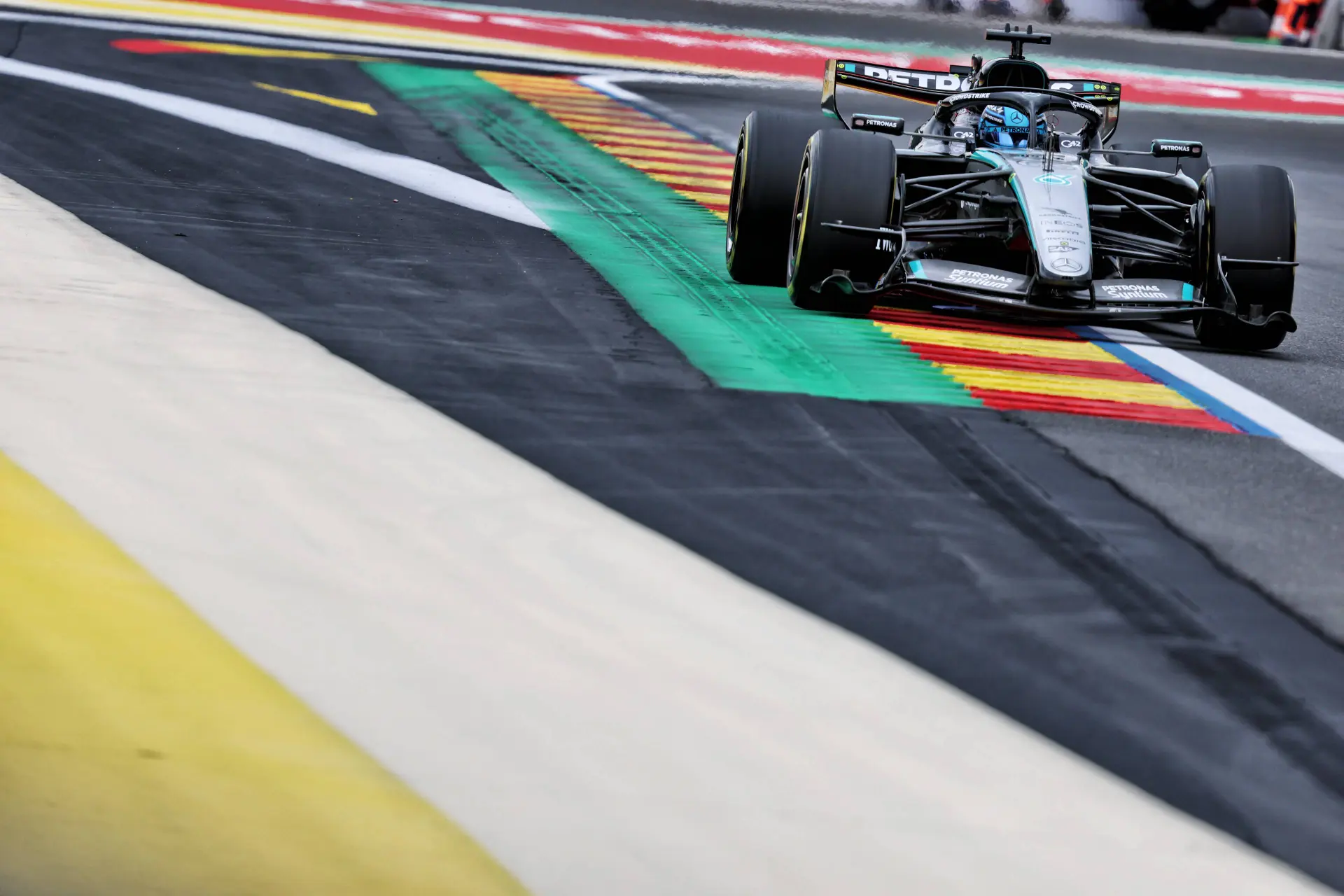
Photo: Race Pictures

Francesco is a technical analyst at GPblog, specializing in the technical side of Formula 1. Through illustrations and analysis, he makes complex components and developments accessible to a wide audience.
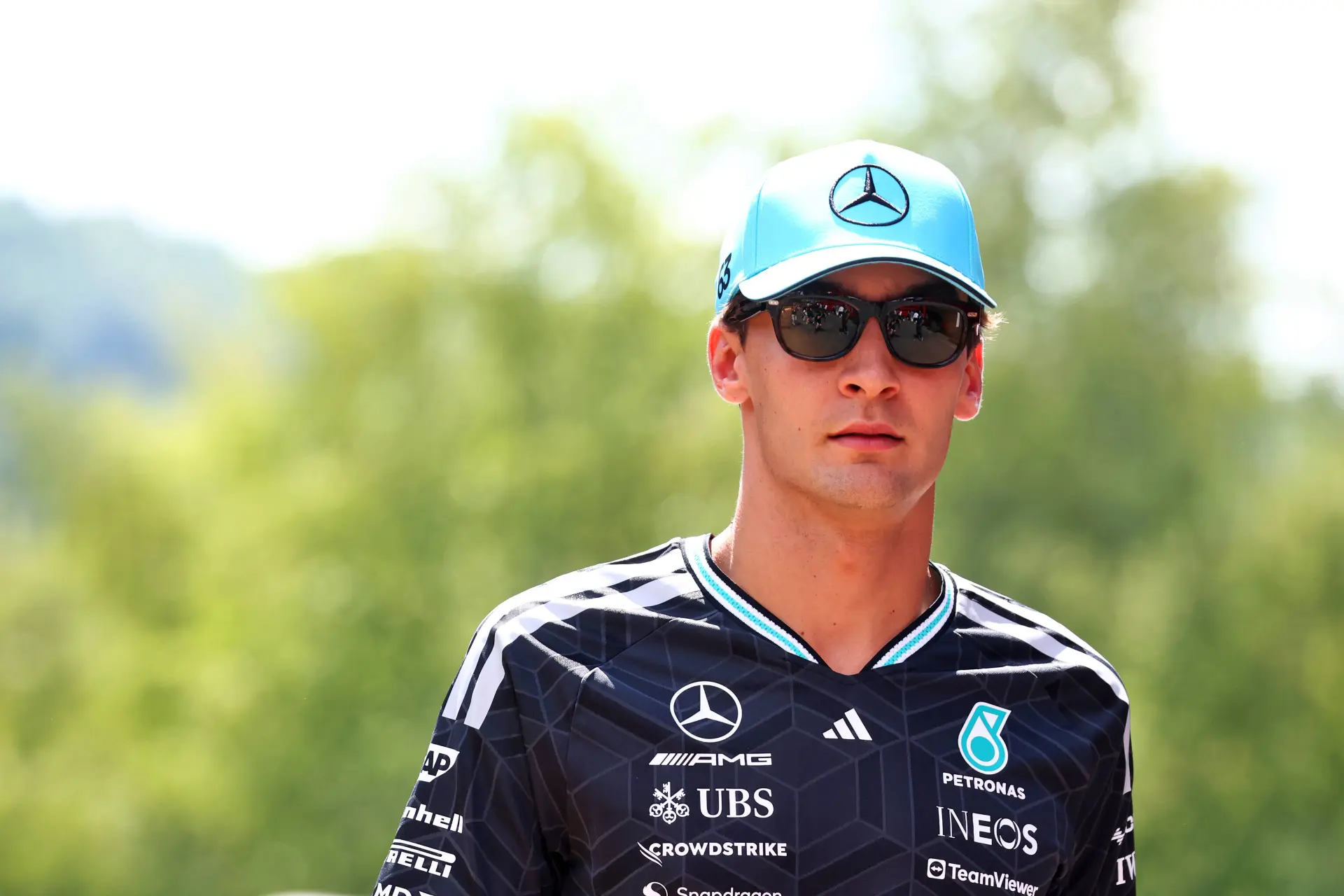
George Russell suffered major power unit issues during both the British and Belgian Grands Prix, leaving him significantly down on straight-line speed.
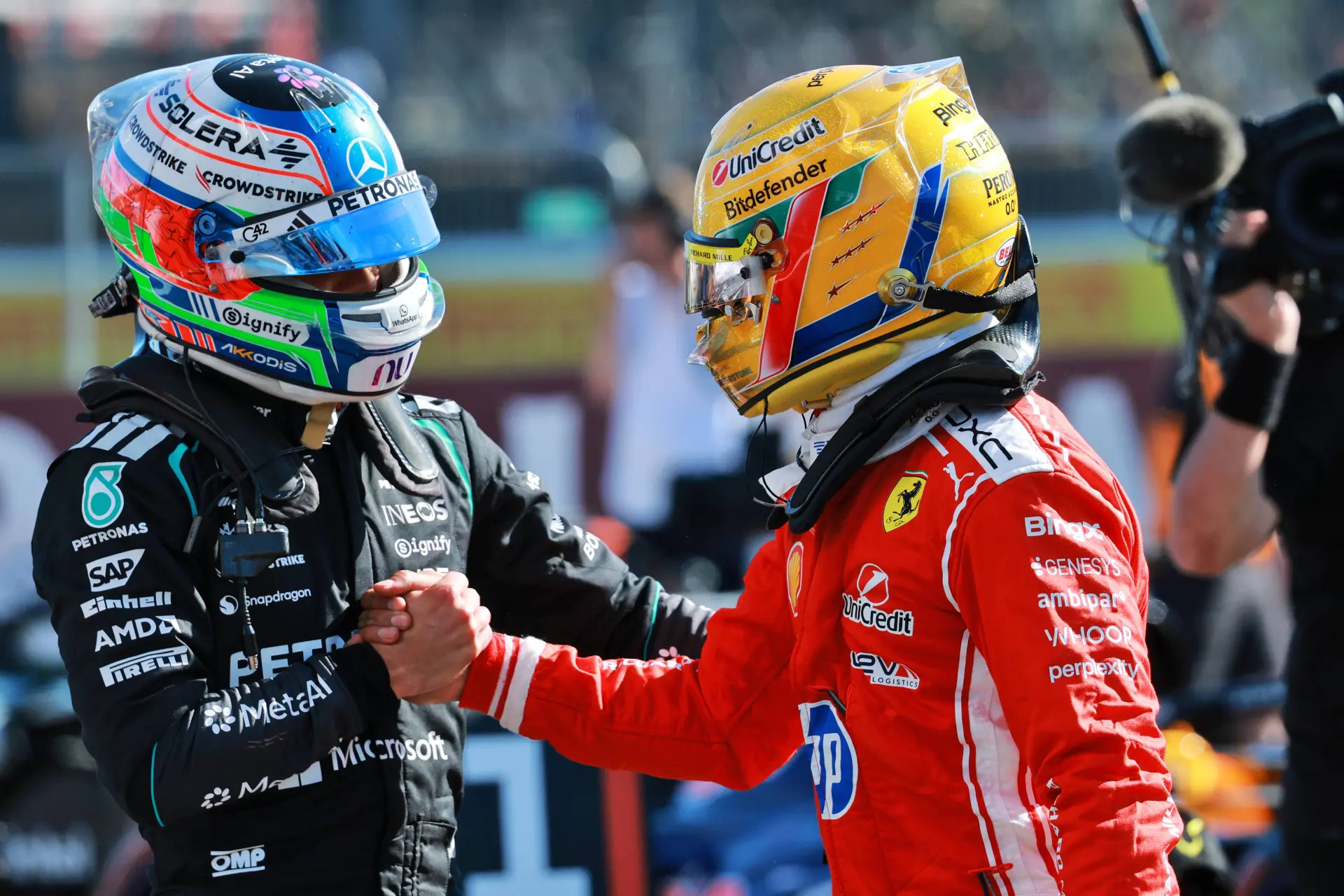
The Belgian Grand Prix weekend highlighted the contrasting fortunes inside the Mercedes garage. Kimi Antonelli delivered a commanding performance, defeating Charles Leclerc to claim victory on Sunday after a tense battle. On the other side of the garage, Russell's race ended on the opening lap following contact with Lewis Hamilton at Turn 5.
However, Russell's biggest concern went far beyond his early DNF. Throughout the entire weekend, he repeatedly complained about a lack of power on the straights, exactly the same issue that had compromised his performance at Silverstone just two weeks earlier.
Antonelli vs Russell highlights Mercedes' performance gap
ADVERTISEMENT
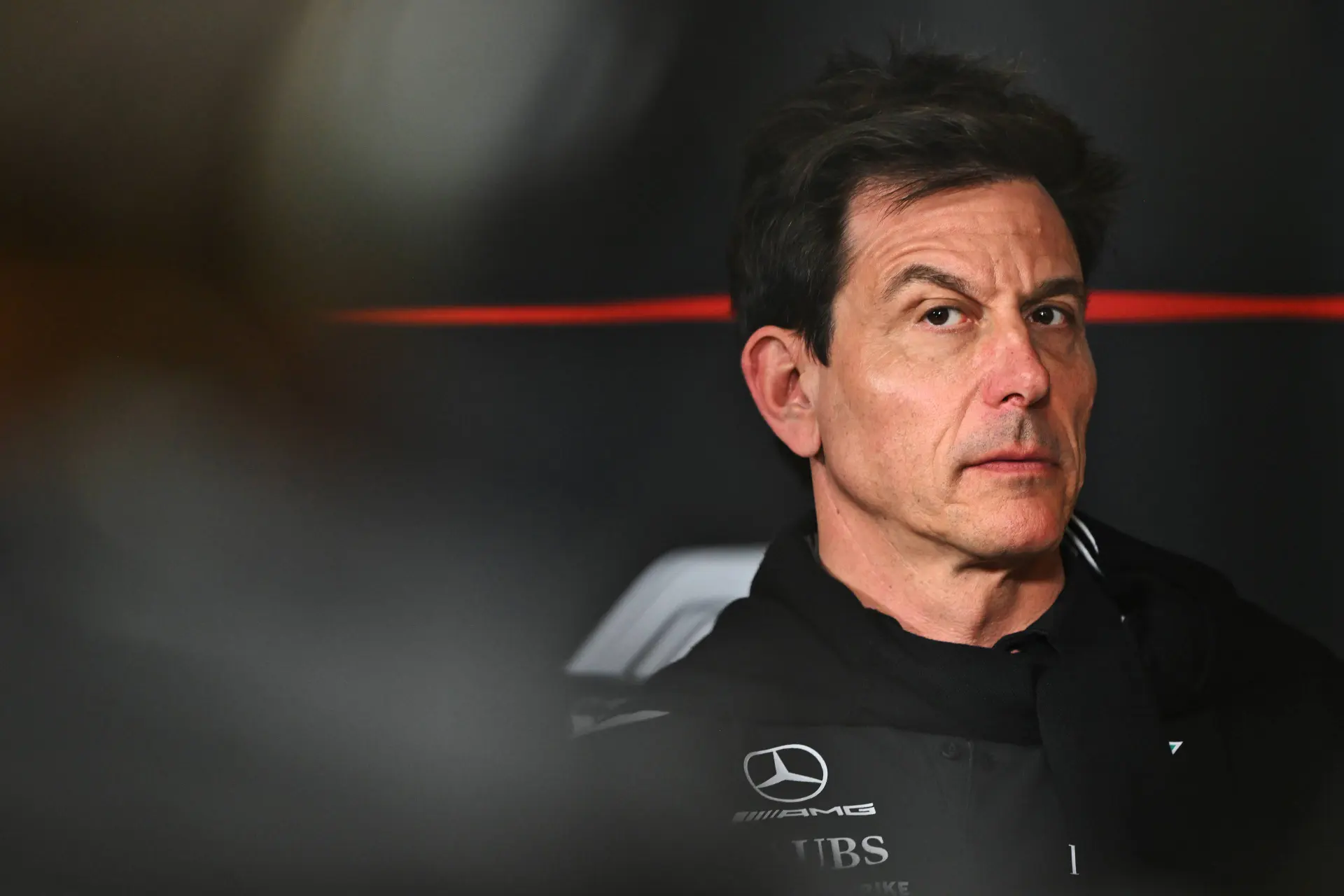
The half-second gap between Antonelli and Russell in the Belgian Grand Prix qualifying accurately reflected the current form of the two Mercedes title contenders.
Antonelli has been extracting exceptional performance from the car despite difficult weekends in Barcelona and Silverstone. Russell, meanwhile, has consistently struggled with straight-line speed in both qualifying and the race.
Mercedes is not the only team experiencing such a discrepancy between its drivers. McLaren is facing a very similar situation.

Photo: Race Pictures
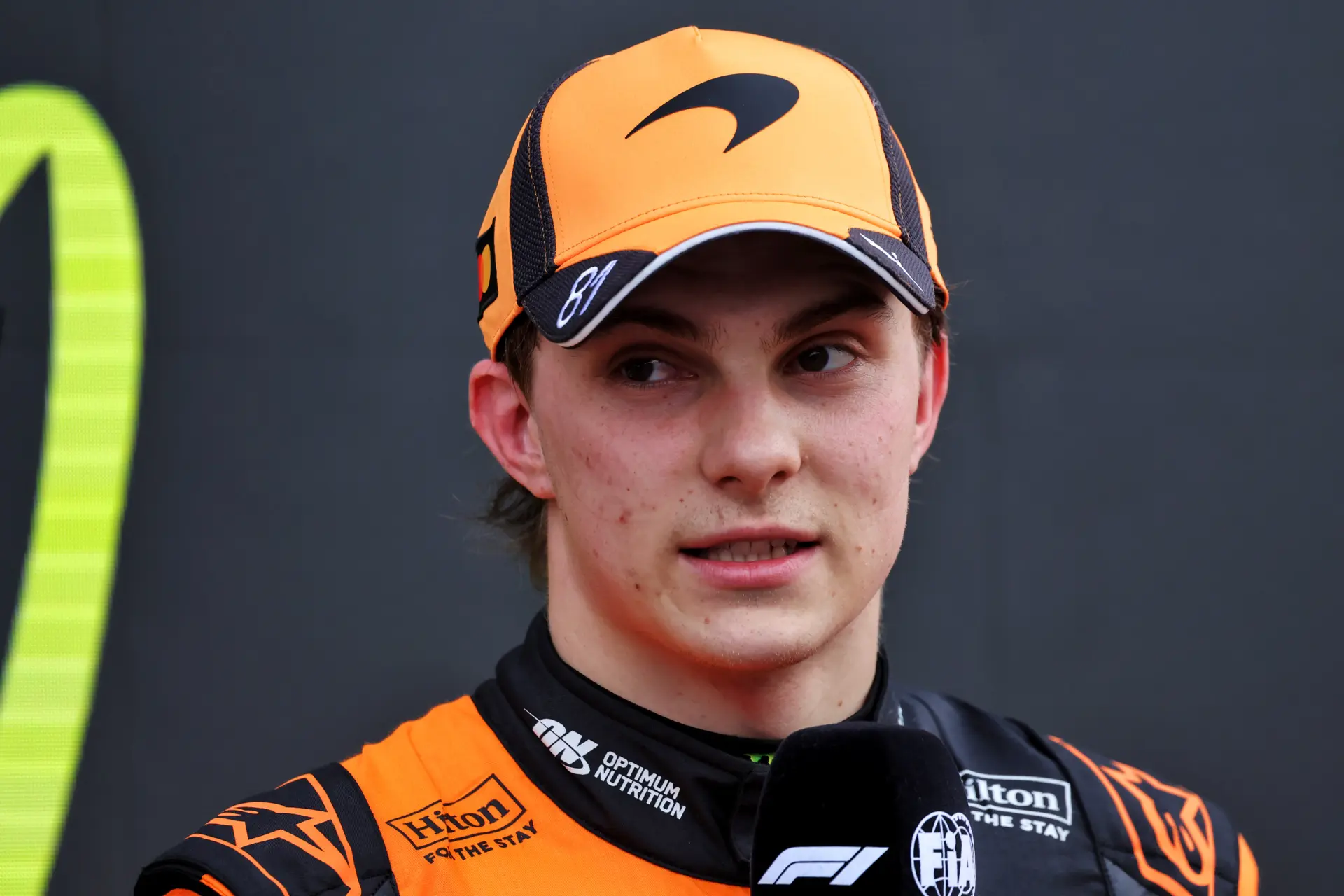
Despite lacking a car capable of consistently fighting for pole positions and victories, the performance gap between Lando Norris and Oscar Piastri has become increasingly noticeable. The reigning world champion is still in front in the Drivers' Standings by 11 points despite suffering more reliability issues throughout the season.
ADVERTISEMENT
Stella explains the hidden complexity of modern power units
McLaren Team Principal Andrea Stella offered an explanation after Saturday qualifying at Spa-Francorchamps.
According to the Italian team boss, one of the biggest differentiating factors is how effectively drivers allow the power unit to manage its electrical energy deployment. This becomes especially important at power-sensitive circuits such as Spa, where the available electrical energy is insufficient to provide maximum deployment throughout an entire lap, making battery harvesting and recharge strategy critical.

Photo: Race Pictures
"If I compare Lando and Oscar in their best lap in Q3. Oscar is losing time in the final straight and Blanchimont for reasons that have nothing to do with Oscar's driving. They are just minor deviation in how the power unit was operated. And I think this seems to be pretty much the same across the two Mercedes cars."
ADVERTISEMENT
He continued: "The problem is that the power unit is learning whilst the drivers are driving, and if you did the first Q3 that in a different way than the second one, or the other driver, then you have already the disadvantage. When we try and analyze the reasons why we have these differences in terms of power unit behavior, and in this case, these differences are mainly related to the electrical deployment. They don't have to do with the operation of the internal combustion also, but it's kind of less visible. When we try to analyze this, it gets immediately quite complicated."
"To operate these power units, you don't operate them in an open loop way, whereby I would be able to have an offline simulation and say, oh, that's how the electrical power will be deployed and it will always be identical to itself. There's a large component of the controller. That operates the power unit that happens with live calculations. And the power unit kind of forward thinks, forward calculates."
"At the same time you need to be able to anticipate and make sure that the operation of the power unit unfolds as expected. Because this is not only for the influence it has in the power limited sections in the straights, but also because it affects the braking points. Because if you have an additional amount of harvest with a super clip before braking, then you are approaching the braking 10 kph slower and your braking point changes. So, this is quite difficult to master, I would say, for the drivers, and it's one of the reasons why I'm sure the drivers as well talk about the difficulties from a driving point of view," concluded the Italian engineer.
Merceds' take on Russell's problems
What Stella explained, although technically correct, does not offer a complete explanation of the issues highlighted by Russell in the last two races.
ADVERTISEMENT
In a video recently published on their social channels, Mercedes’ Simone Resta explained how, after Silverstone, Russell changed his driving style to solve this issue and, although the scenario has improved, it hasn't been fully resolved yet.
This could suggest a problem that is much more difficult to understand even for the engineers, perhaps linked to the energy deployment software, which could take some time to be fully resolved.
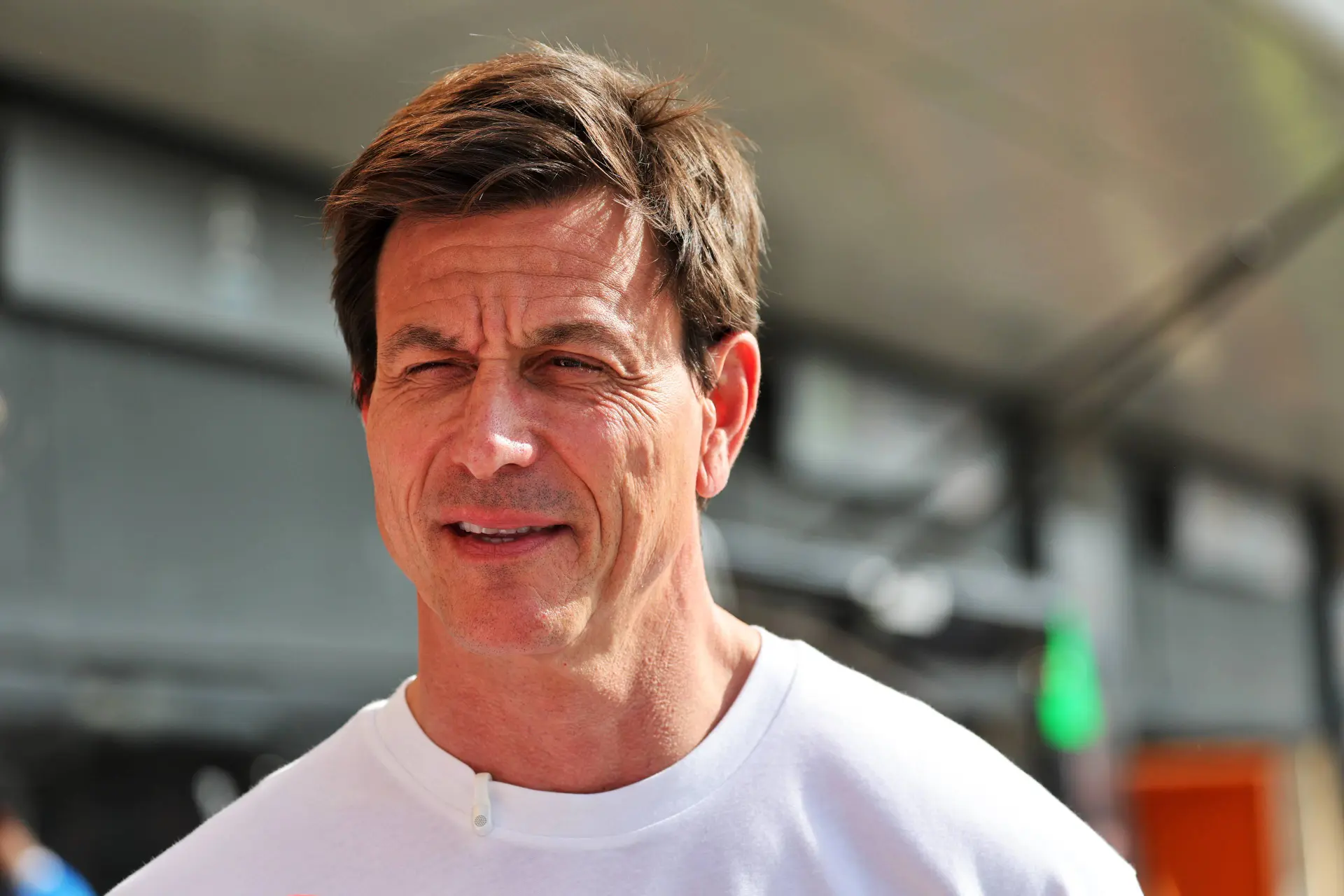
Russell insisted on Saturday that the issue is not his driving
ADVERTISEMENT
"Yesterday I was losing eight tenths on the straights. Today I'm losing four tenths. It's a step in the right direction, but we saw this from Silverstone. We thought we found a problem, we thought it was something with the brakes—it wasn't the brakes.
"Then we thought it was my driving style, the throttle, and I convinced myself that it was something in my driving. Now we're very confident it's not the driving style and that there's a serious issue at play here. The team are working so hard to resolve it, but every lap I do when I see I'm down anywhere from two tenths to six tenths on the straights, it's pretty infuriating," the Briton added.
Mercedes also suffered other engine problems at Spa
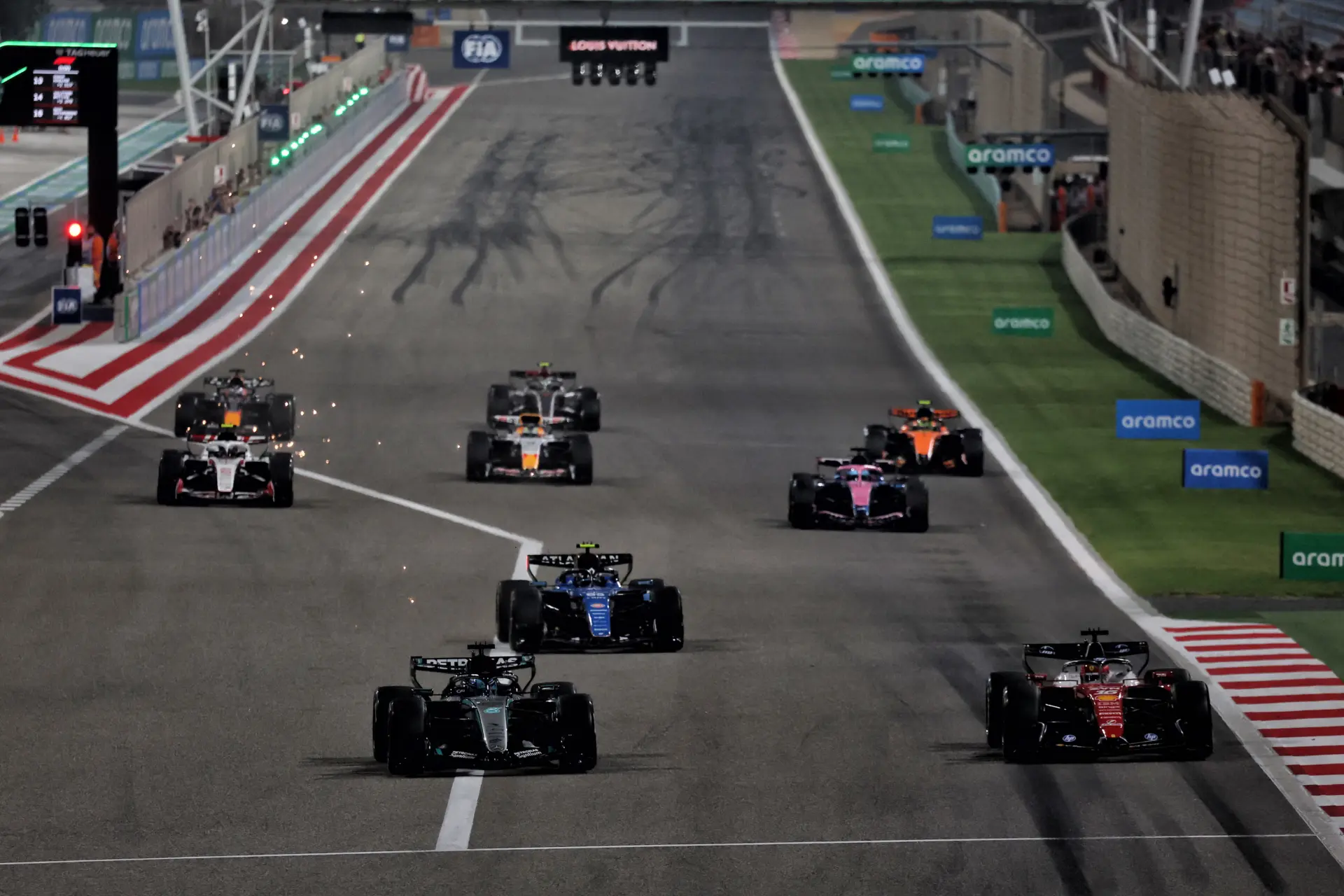
Russell's situation was made even worse by another issue that affected Mercedes-powered cars after the start at Spa.
ADVERTISEMENT

Photo: Race Pictures
In terms of the issue at the start of the Belgian GP, Mercedes has already found a solution, the team confirmed to GPblog. The German outfit expects that a similar problem will not occur during next weekend's Hungarian Grand Prix.
Read also
Don’t miss GPblog in Google
Mark us as a preferred source and our articles will appear more often at the top of Top Stories.
Add as a preferred / source on Google