F1 accused of hiding alarming Spa energy problem from TV viewers after broadcast controversy
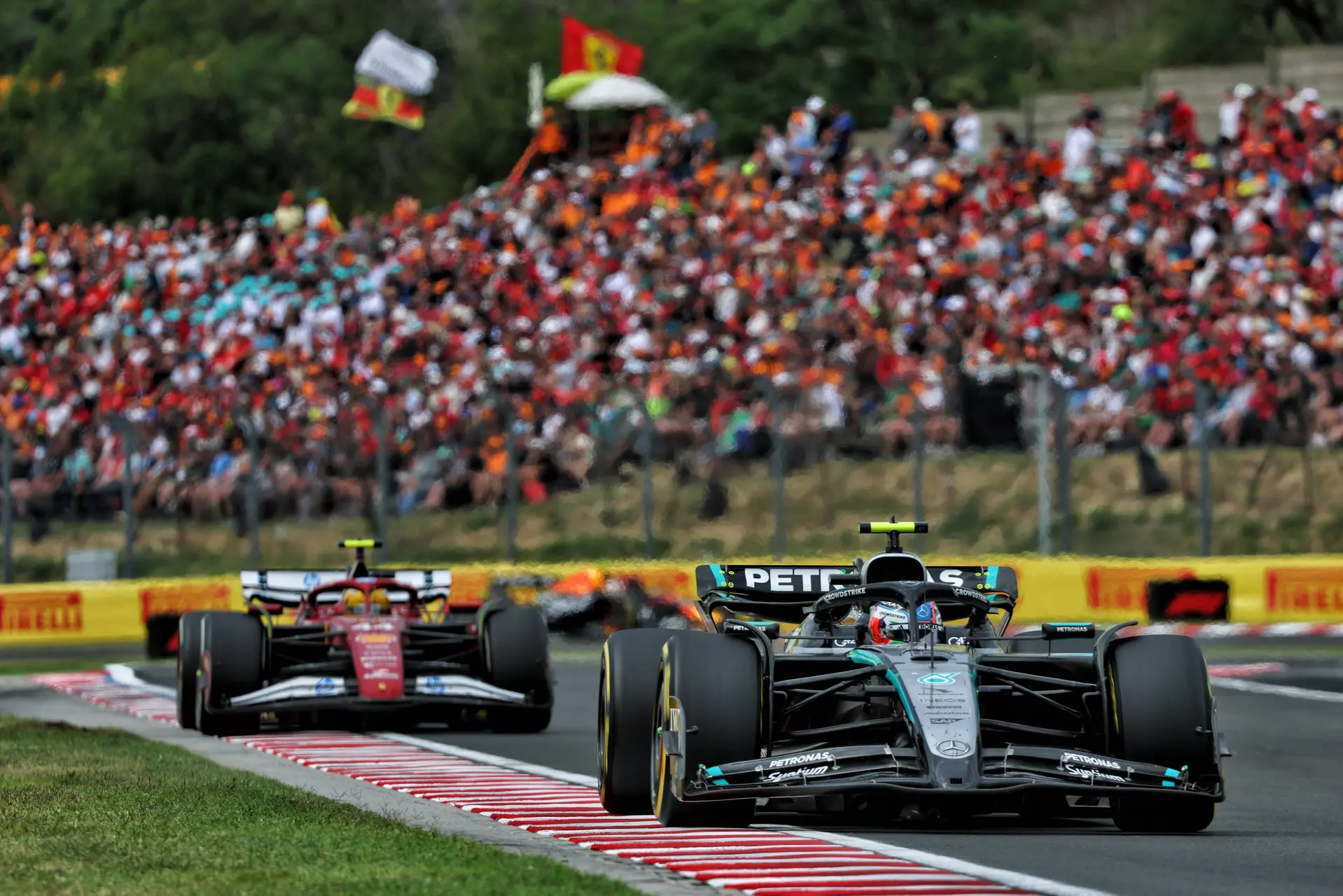
Photo: Race Pictures

Ben Hunt is an award-winning motorsport journalist with over two decades of experience in Formula 1 and international media. As a former editor-in-chief and bestselling author, he delivers in-depth analysis and strategic insight from the highest level of the sport.
Formula 1 has found itself at the centre of another controversy surrounding the sport's future regulations after Sky Deutschland commentators accused Formula One Management (FOM) of deliberately avoiding television shots that exposed the energy limitations of the new power units during the Belgian Grand Prix weekend at Spa-Francorchamps.
Former F1 driver Timo Glock and commentator Sascha Roos claimed during the broadcast that the world feed appeared to cut away from cars just before they suffered visible speed losses on Spa's long Kemmel Straight. According to the pair, viewers were prevented from seeing one of the biggest concerns surrounding Formula 1's 2026 regulations in action.
The accusation comes as debate over this generation of power units continues to intensify. The 2026 rules have introduced a significantly larger electrical component, with concerns repeatedly raised by teams, drivers and engineers that cars run out of deployable electrical energy on long straights at high-speed circuits such as Spa-Francorchamps or Monza.
Glock suggested the television direction repeatedly switched camera angles before the most obvious drop in performance became visible, fuelling speculation that Formula 1 was attempting to avoid drawing attention to a potential weakness in the regulations.
The claims quickly gained traction on social media, where fans questioned whether the broadcast had intentionally hid the evidence from viewers that could further undermine confidence in the sport's new technical direction.
ADVERTISEMENT
Formula 1, however, firmly rejected the allegation.
In a formal response, Formula One Management denied that any effort had been made to conceal the issue, insisting that the world feed was produced in the same manner as every other Grand Prix weekend and that camera selections were based solely on providing the best possible live coverage of the race.
Questions surrounding the 2026 package have become increasingly prominent over recent months, with several drivers expressing concerns about the balance between electrical deployment and traditional internal combustion power. High-speed circuits have emerged as the biggest talking point, with simulations suggesting drivers could face reduced acceleration towards the end of long straights if battery energy is depleted.
The Spa controversy therefore touches on more than just television direction. For critics of the regulations, it has become another example of the uncertainty surrounding Formula 1's future technical philosophy, with changes planned in the future.
ADVERTISEMENT
Even if FOM strongly disputes the accusation, the fact that respected broadcasters publicly raised the issue highlights how sensitive the debate has become. Every on-track demonstration of the new power units will be closely analysed by teams, media and fans alike.
Whether the Spa broadcast controversy proves to be little more than a misunderstanding, it has once again placed Formula 1's 2026 regulations under an uncomfortable spotlight. At a time when confidence in the new era remains divided, perception may prove almost as important as the technical reality itself.
Don’t miss GPblog in Google
Mark us as a preferred source and our articles will appear more often at the top of Top Stories.
Add as a preferred / source on Google