Mercedes engine claim piles pressure on FIA while Red Bull pushes for sweeping wing ban

Ben Hunt is an award-winning motorsport journalist with over two decades of experience in Formula 1 and international media. As a former editor-in-chief and bestselling author, he delivers in-depth analysis and strategic insight from the highest level of the sport.
Formula 1's political battle over the 2026 regulations has intensified on two fronts, with Mercedes team principal Toto Wolff making a striking admission about his team's power unit while Red Bull reportedly pushes the FIA to introduce a blanket ban on rotating rear-wing concepts.
The developments come at a crucial stage of the season, with the FIA's second Assessment of Dynamic Unit Output (ADUO) measurement period set to close after the Hungarian Grand Prix. The deadline could prove pivotal in determining whether any intervention is required to balance performance before the sport enters its new engine era in 2026.
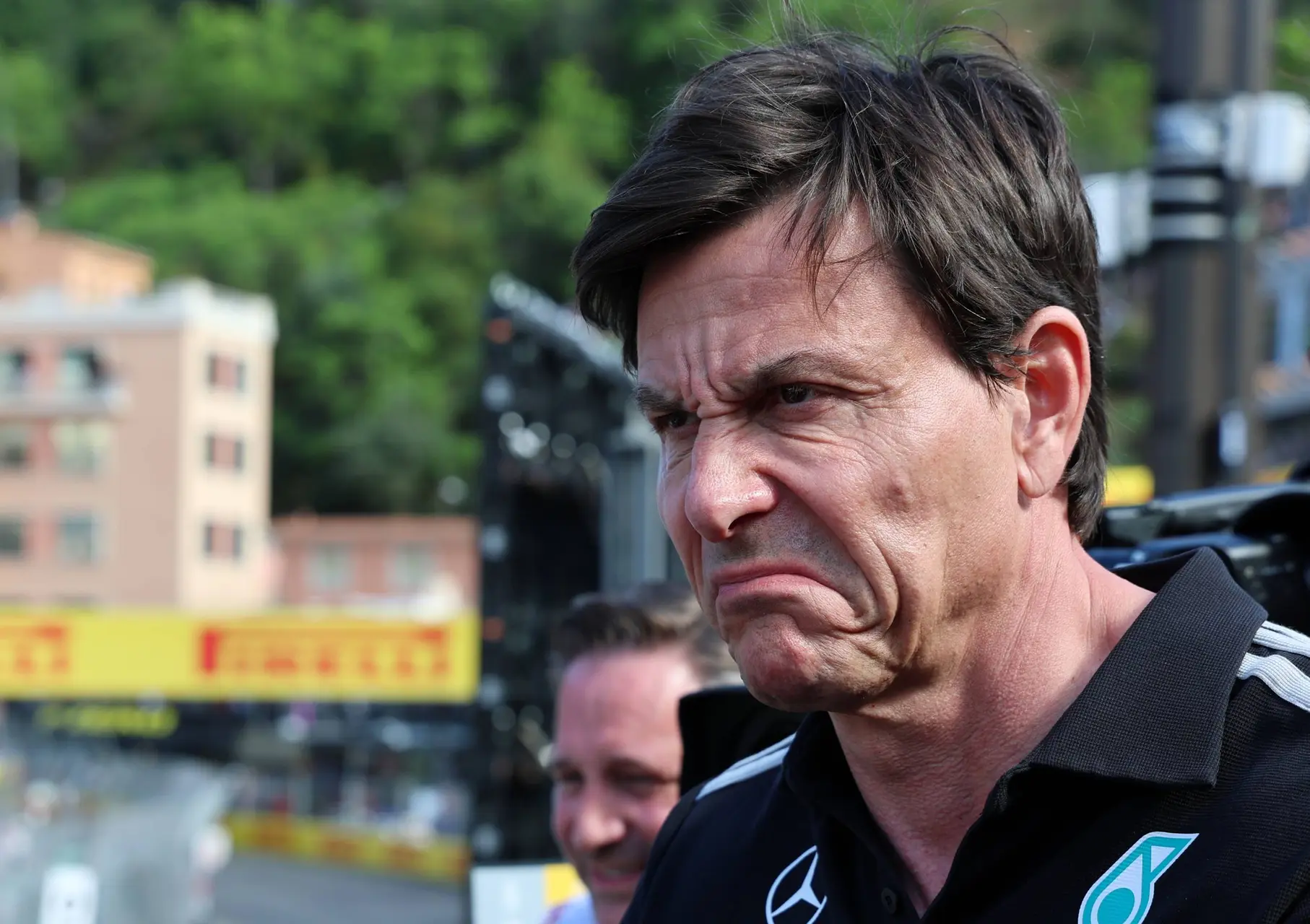
Speaking to Sky Sports, Wolff appeared to contradict the FIA's current assessment by declaring that Mercedes has "the most powerful engine."
The comment immediately attracted attention because the FIA's ADUO process was introduced specifically to monitor the competitiveness of manufacturers and identify whether any power unit supplier has gained a significant advantage.
Currently, the FIA assessments have not publicly established Mercedes as the outright benchmark, but instead identified Red Bull's co-produced with Ford engine as the most powerful, making Wolff's remark all the more noteworthy.
ADVERTISEMENT
His comments prompted an immediate response from Red Bull's team principal Laurent Mekies, who urged the FIA to take the available data seriously before the current assessment window closes after Hungary.
According to Mekies, the governing body should ensure that any competitive imbalance is identified early enough to act if necessary, rather than waiting until the regulations are already in force.
The exchange adds another layer to the increasingly heated debate surrounding Formula 1's future power units. Concerns over energy deployment, engine parity and possible FIA intervention have dominated discussions for months, and Wolff's candid assessment is likely to increase scrutiny on Mercedes' development programme.
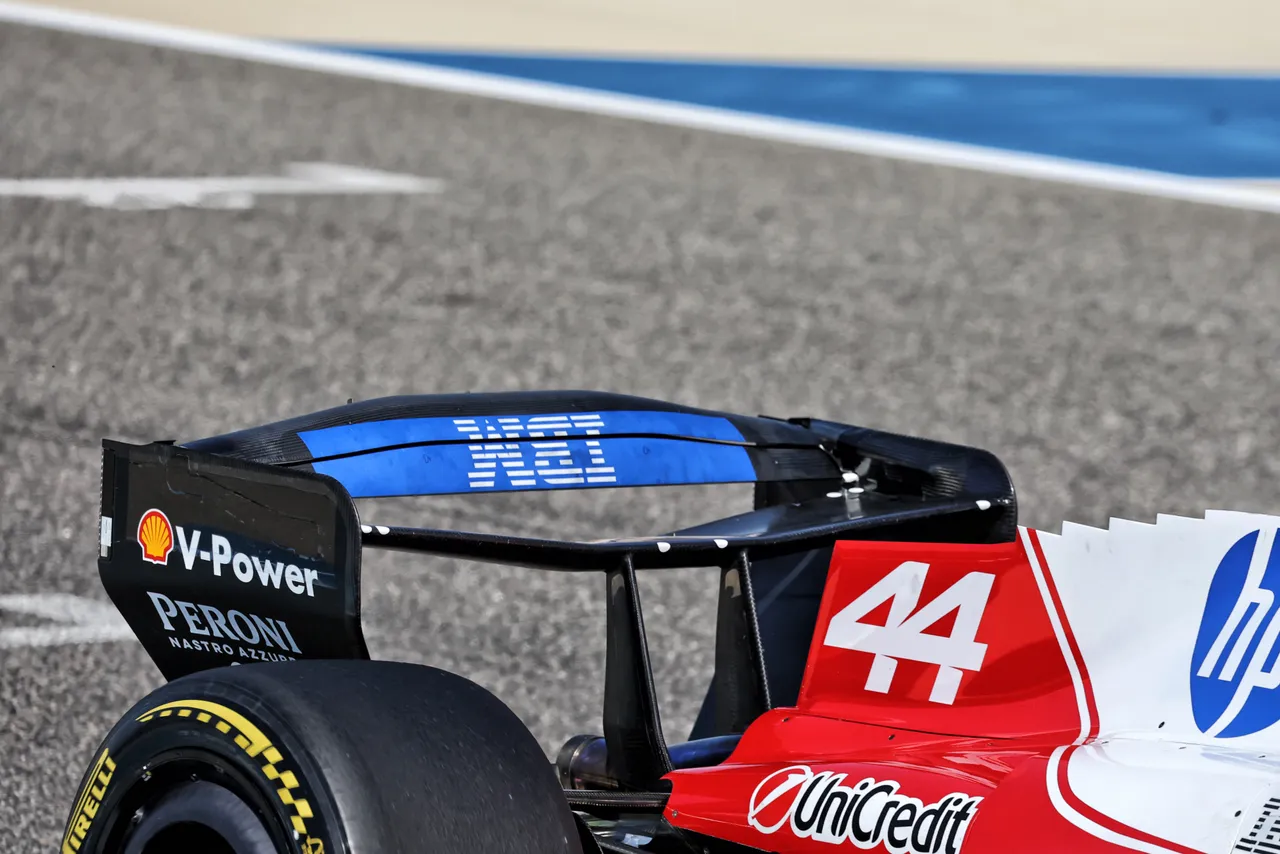
Ferrari's innovative rear wing design introduced during testing in Bahrain - Image: Race Pictures
ADVERTISEMENT
An intriguing battle over rotating wings
At the same time, another political battle is unfolding over Formula 1's flexible rear-wing designs. According to reports, Red Bull has urged the FIA to go further than targeting individual concepts if changes are introduced. Instead of banning only specific solutions, the Milton Keynes-based team is reportedly lobbying for a blanket prohibition on all rotating rear-wing designs.
The debate follows increasing attention surrounding the so-called "McMacarena" concept, with Ferrari and McLaren as the teams most closely associated with innovative rear-wing movement under load, while Red Bull has struggled with the concept.
GPblog previously analysed the technical principles behind these designs, explaining how carefully controlled wing rotation can reduce drag on straights while remaining within current regulations. That analysis also highlighted why any FIA intervention could have implications well beyond a single team. And how Red Bull's design has caused problems.
If the governing body were to outlaw every rotating rear-wing concept rather than focusing on one particular interpretation, the competitive picture could shift dramatically. Such a decision would affect multiple teams currently developing similar aerodynamic solutions, rather than targeting a single design philosophy.
ADVERTISEMENT
That would also leave Red Bull in an unusual position. With rivals continuing to refine concepts that could offer performance gains, the team is reportedly seeking a regulatory solution that applies equally across the grid instead of allowing alternative interpretations to survive.
With the Hungarian Grand Prix approaching, Formula 1 faces important decisions on both technical regulations and competitive fairness. Between questions over Mercedes' true engine performance and the growing dispute over rear-wing legality, the FIA is once again under pressure to prove that its regulatory framework can keep pace with the sport's rapidly evolving technology.

Don’t miss GPblog in Google
Mark us as a preferred source and our articles will appear more often at the top of Top Stories.
Add as a preferred / source on Google