Which top teams could benefit from the new Miami regulation changes
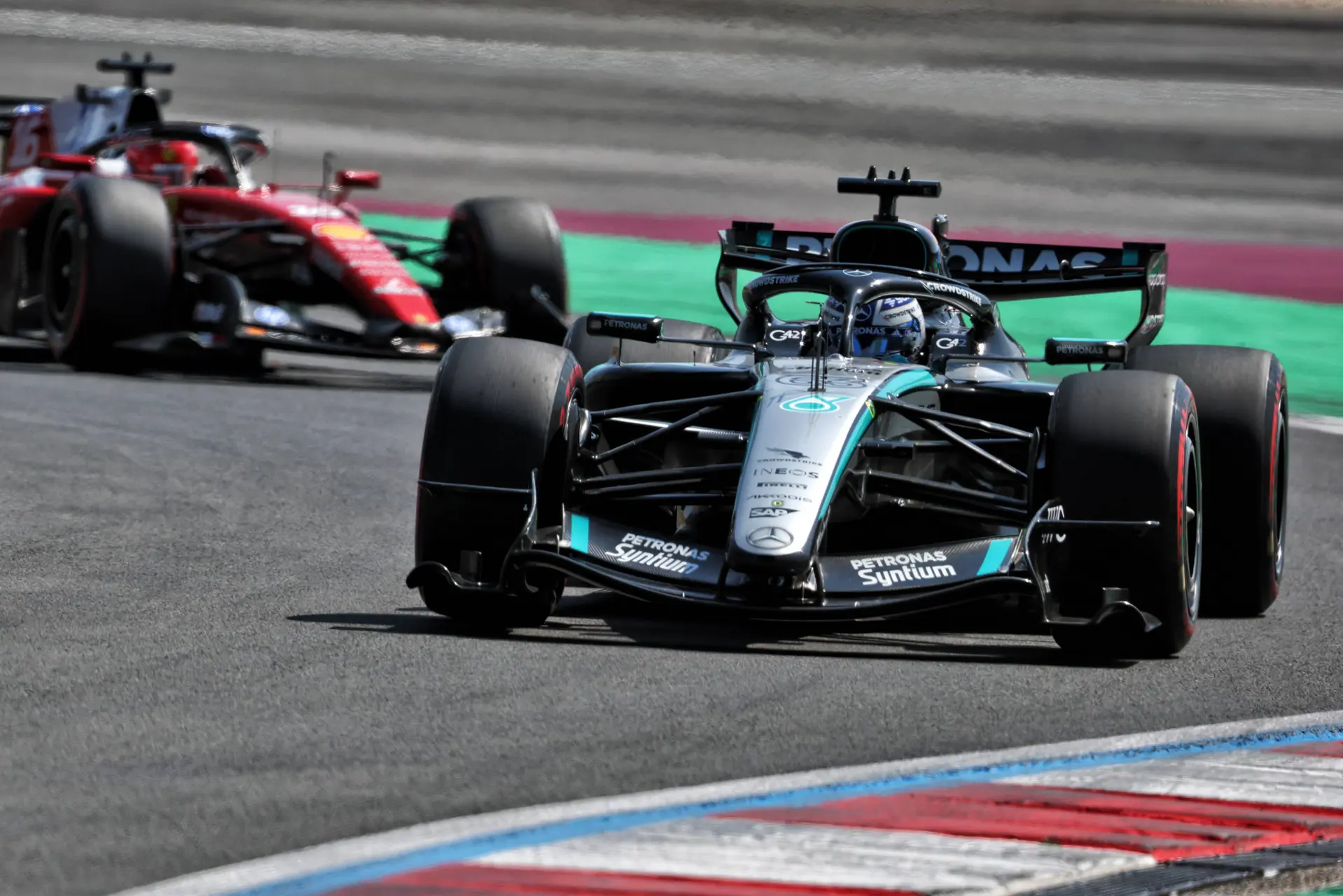
Photo: Race Pictures
Updated: 12:03, 28 Apr
0 Comments

Francesco is a technical analyst at GPblog, specializing in the technical side of Formula 1. Through illustrations and analysis, he makes complex components and developments accessible to a wide audience.
New regulation changes will be introduced in Miami and are set to have a big impact on performance. Here, GPblog looks at those teams who could benefit from the tweaks to the rulebook.
These changes are intended to improve areas that were not working properly and seen as refinement, rather than introduce a revolution, act on some of the weaknesses that emerged during the first three weekends of racing, including the energy deployment in qualifying and the superclipping issue.
As always happens, however, the introduction of these changes could lead to other problems that could, as a consequence, favour some teams against others during different sessions of the weekend. Let’s try to understand which team could benefit from these changes.
Strategic changes to improve qualifying show and safety during the race
ADVERTISEMENT
After the FIA published the regulation changes last week, it’s worth taking a look at what will change from Miami onwards and try to understand its impact on the performance of the top teams.
As for the changes made for qualifying, here's what will change:
- The recoverable energy level has been lowered from 8 MJ to 7 MJ. Reducing the energy that can be recovered allows drivers to recover most of their energy during braking, without having to rely on lift-and-coast and superclipping. However, the issue will not completely disappear as teams will try to maximize the energy deployed in traction to ensure good thrust and acceleration on the straights, which could, however, translate into clipping at the end of the straights.
- Second, the peak power of super clipping has been increased from 250 kW to 350 kW. This means that drivers will be able to recharge the battery more quickly during the super-clipping phase, making the process last less. However, since the system uses the internal combustion engine's energy to recharge the battery, the power loss on the straight will be even more pronounced, but it will certainly last less.
- The number of events where more restrictive energy limits can be applied increases from 8 to 12. This means the Federation will be able to apply a series of small "adjustments" to the energy regulations depending on the severity of the track on battery energy consumption. The goal is to allow drivers to push as hard as possible in qualifying and minimize lift-and-coast.

Photo: Race Pictures
Following the serious accident involving Colapinto and Bearman in Japan, the Federation also took a series of measures to reduce excessive energy differences between one car and another during Sunday's race, as well as to improve starts and avoid dangerous accidents.
- The maximum power available in boost mode is now only 150 kW. This change will impact overall performance, but is primarily aimed at avoiding large speed differences between cars.
- The MGU-K's power output is limited to 350 kW in key overtaking areas and to 250 kW in other areas of the track where overtaking is less likely to occur.
- Regarding the starting procedure, no real changes have been introduced to the regulations yet, but the FIA will test some solutions in Miami, and these will only be introduced if they are positive. From initial rumors, these changes include the possibility of providing some electric power to the wheels to accelerate cars that have made a poor start and avoid crashes on the starting grid.
ADVERTISEMENT

Photo: Race pictures
All these changes mainly aim at improving race battles and overtakes, making them less artificial and more “natural”. The changes to qualifying seem the most obvious, especially from what emerged from the first three races, but it should not be taken for granted that the negative downside of these changes could be still penalising drivers.
Make GPblog your preferred source on Google and see our content first in Google Discover and Google News.
Which team could benefit from these rule tweaks?
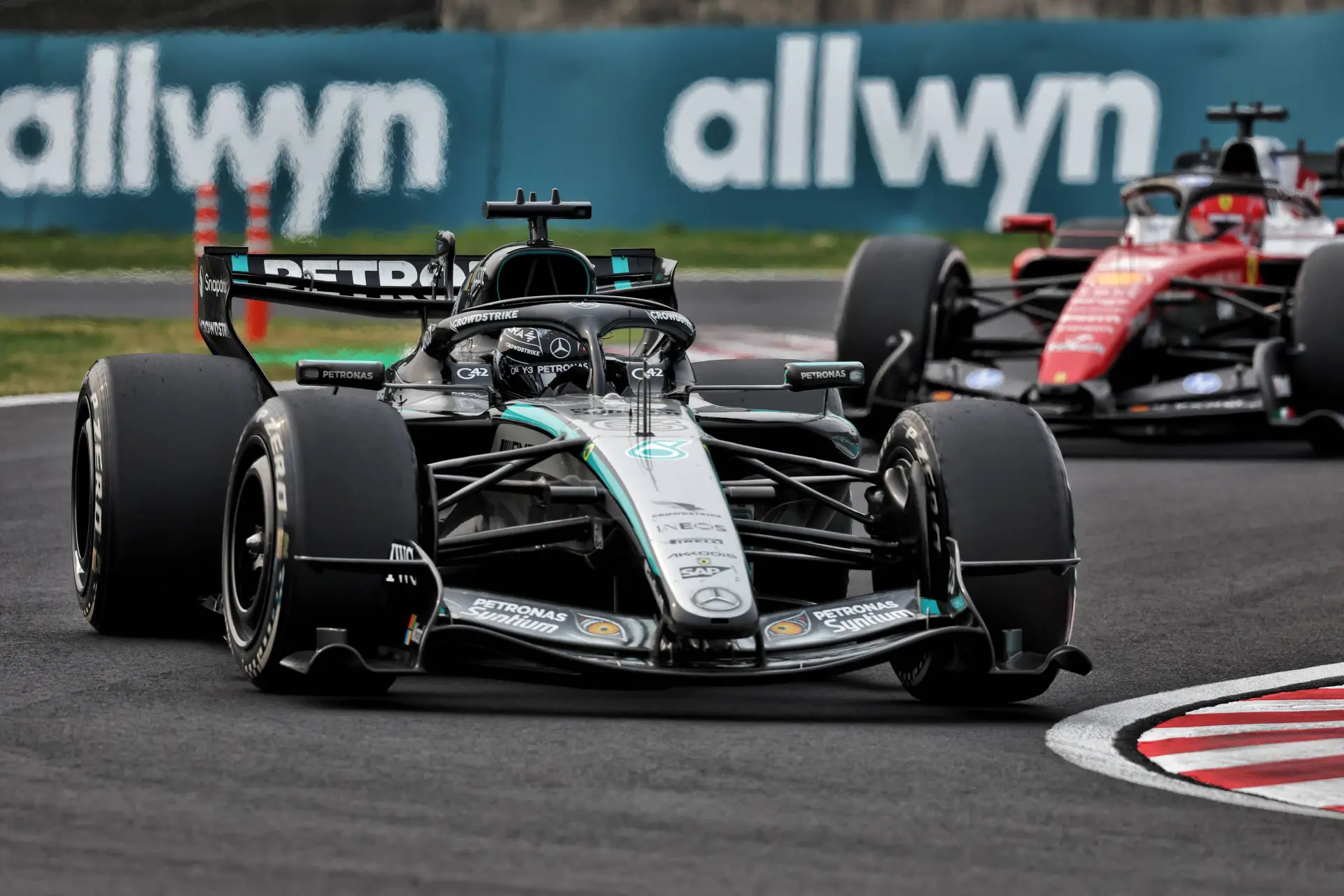
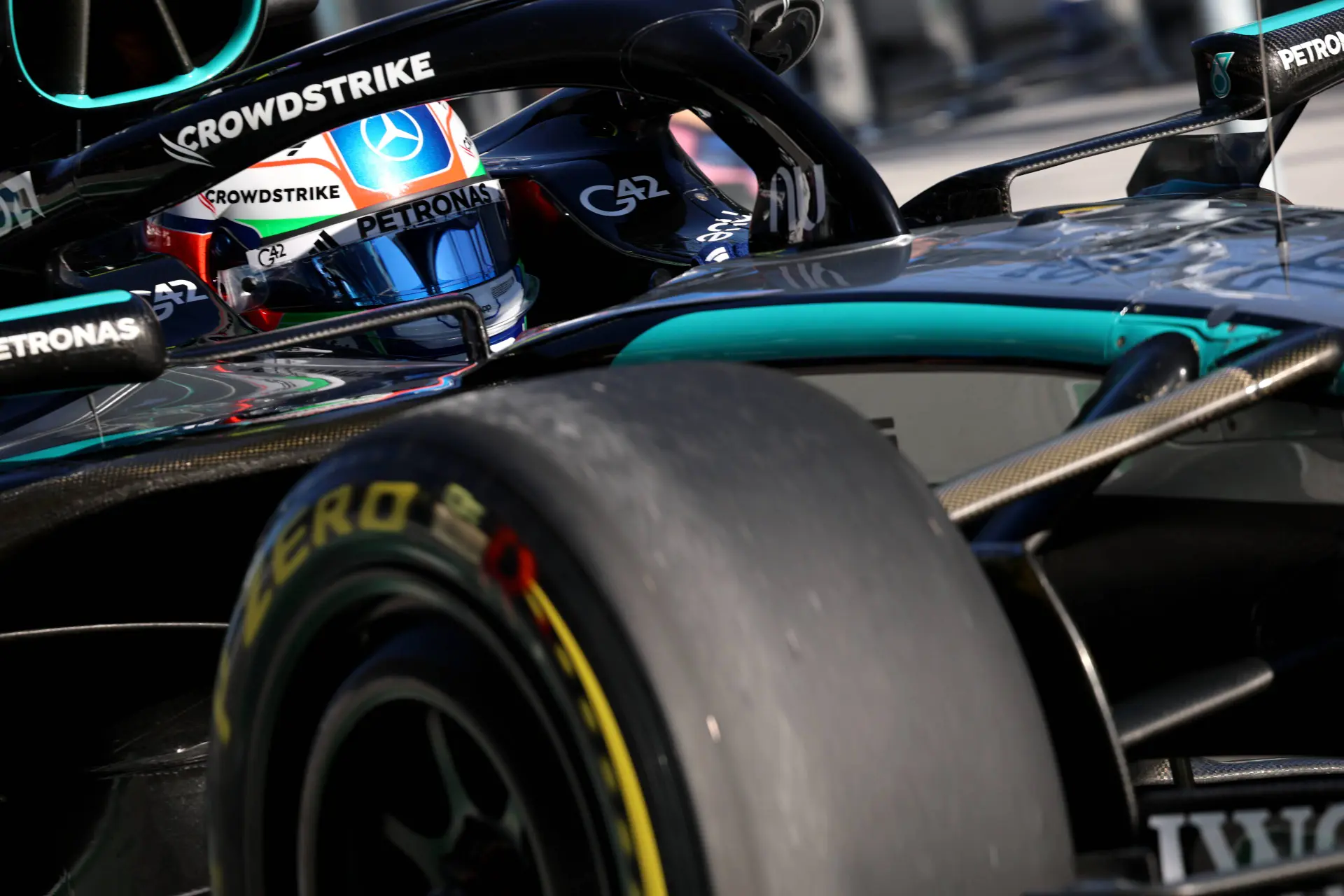
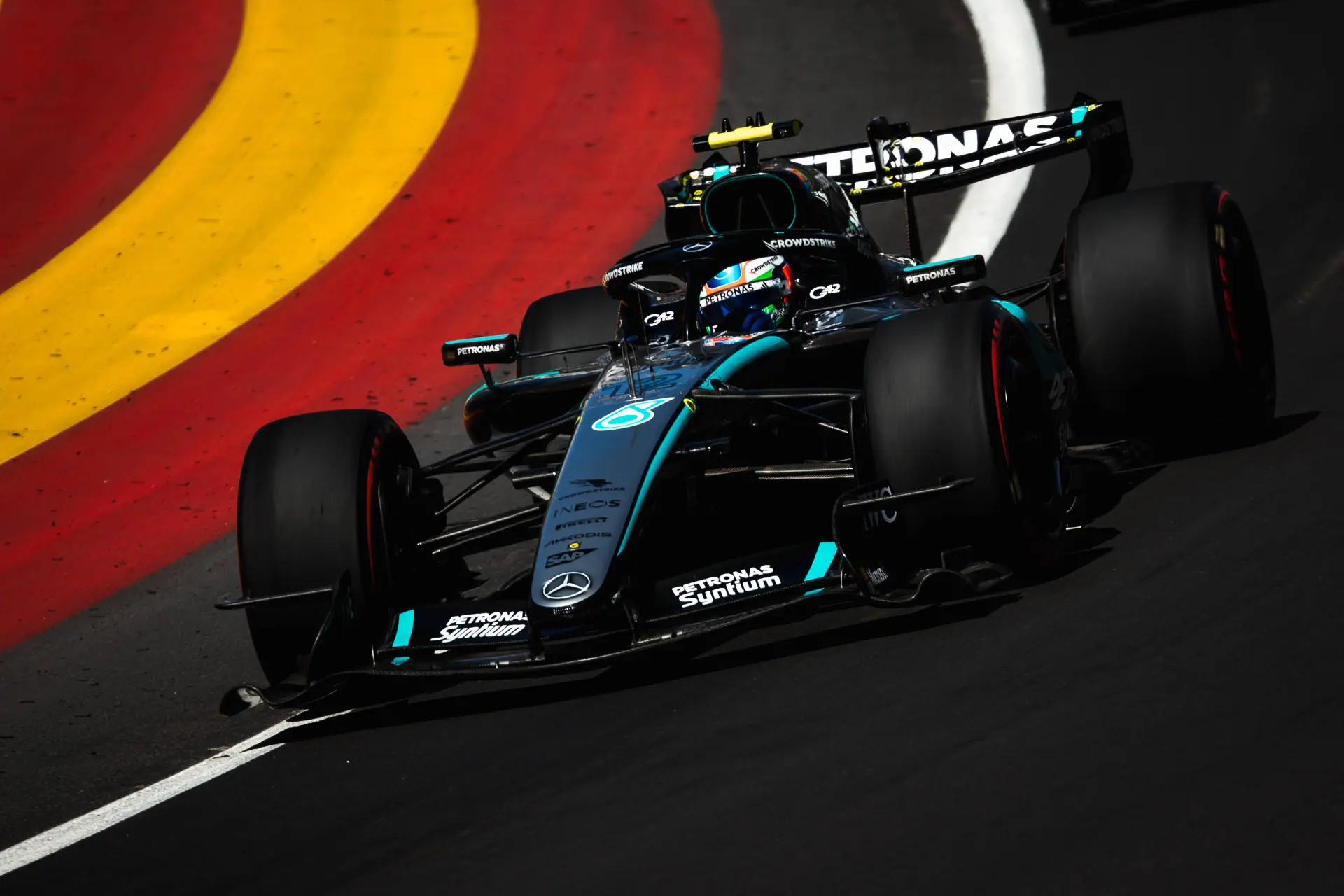
Looking now at which teams could benefit starting from Miami, Mercedes and McLaren could be slightly disadvantaged in favour of Ferrari from the changes to qualifying. As already emerged during the first three weekends of the year, in fact, the Mercedes PU is the best at harvesting and recharging the battery during the super-clipping phase, making a big difference on the Ferrari PU. With a shorter super-clipping phase, this could help Ferrari close the gap to Mercedes, especially in the second half of the straights.
ADVERTISEMENT

Photo: Race Pictures
Secondly, if the changes to the starting procedure are confirmed after Miami, this could represent a big disadvantage for Ferrari: as it emerged during the first few weekends, the SF-26 can make tremendous starts thanks to its smaller turbo, which allows both Hamilton and Leclerc to fight for important places straight away from the start. However, if the changes to the starting procedure are applied, the Maranello team could see one of its most effective weapons taken away during race starts.
In conclusion, it’ll be extremely interesting to see how these changes will affect the top teams’ performance from Miami onwards and whether they will effectively improve racing.
Follow GPblog on social media to stay updated on all Formula 1 news: Facebook, Instagram and TikTok.
Read also

ADVERTISEMENT
Don’t miss GPblog in Google
Mark us as a preferred source and our articles will appear more often at the top of Top Stories.
Add as a preferred / source on GoogleRead more about:
latest news



Spanish Grand Prix
Overview
Friday 11.09.26
Practice 1
11:30 AM
Practice 2
03:00 PM
Saturday 12.09.26
Practice 3
10:30 AM
Qualification
02:00 PM
Sunday 13.09.26
Race
01:00 PM
Friday 11.09.26
Practice 1
Fri 11:30 AM
Practice 2
Fri 03:00 PM
Saturday 12.09.26
Practice 3
Sat 10:30 AM
Qualification
Sat 02:00 PM
Sunday 13.09.26
Race
Sun 01:00 PM
Times are in your local timezone
Popular on GPBlog

1
Hamilton crashes as red flag brings Madrid FP3 to a halt
1507 times read

2
Hamilton holds power advantage over Leclerc after Ferrari forced to revert engine for Madrid
1488 times read

3
Verstappen reveals true feelings on Madring layout after Friday running
1288 times read

4
F1 LIVE | Antonelli beats Ferrari duo after Madring red flag - Follow FP2 of Spanish GP here!
1252 times read
F1-stand 2026
Season
| Pos. | Driver | Team | Points |
|---|---|---|---|
1 | MercedesMER | 267 | |
2 | MercedesMER | 201 | |
3 | FerrariFER | 191 | |
4 | McLarenMCL | 171 | |
5 | FerrariFER | 155 | |
6 | Red Bull RacingRBR | 127 | |
7 | McLarenMCL | 116 | |
8 | Red Bull RacingRBR | 71 | |
9 | Racing BullsRCB | 51 | |
10 | AlpineALP | 41 |
Loading