What the new rule tweaks really mean for Formula 1 from Miami onwards
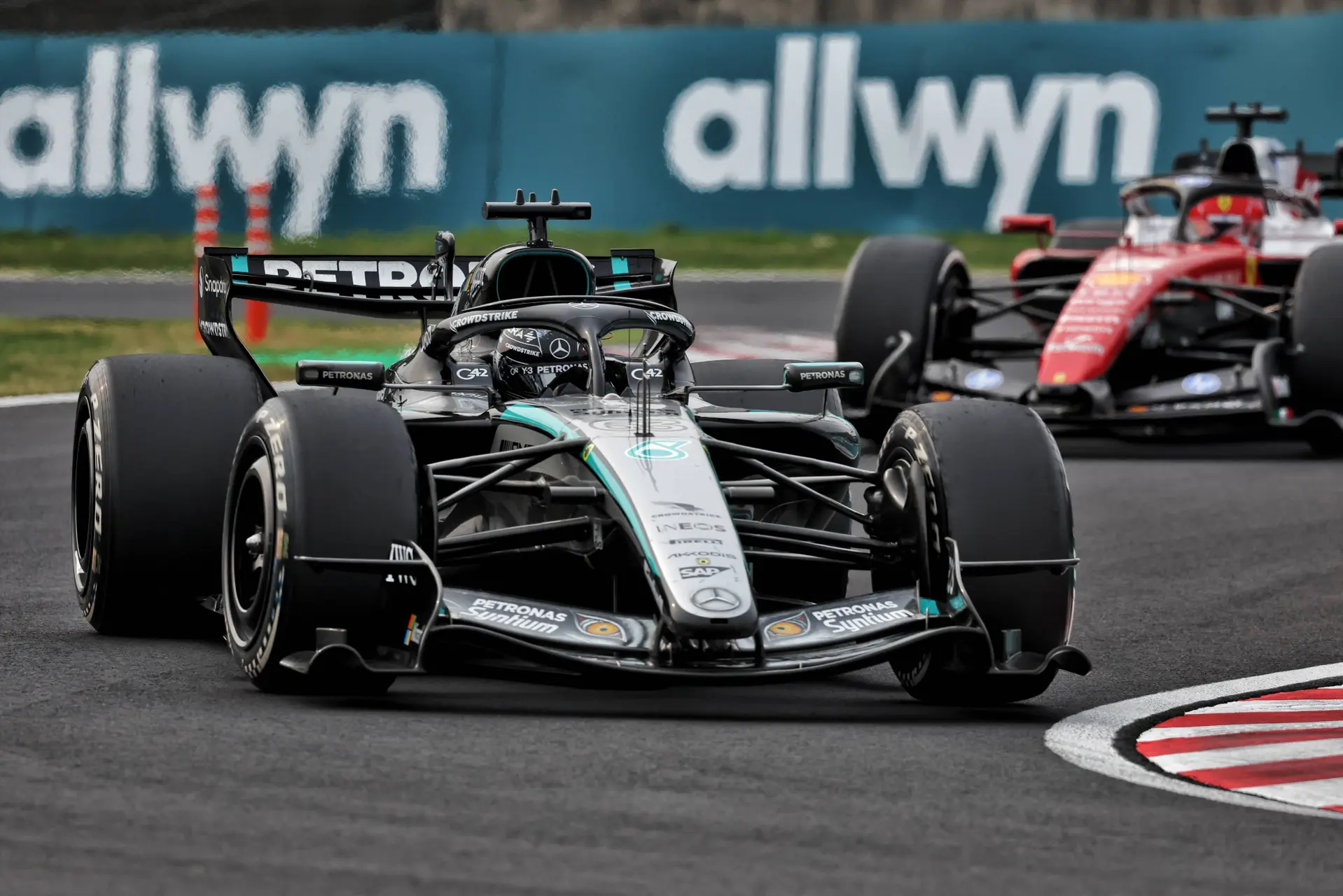
Photo: Race Pictures
Updated:
1 Comments

Tobia is a Formula 1 journalist at GPblog with experience at international circuits. Since 2022, he has covered Grands Prix across Europe, delivering reliable coverage and insights from the paddock.
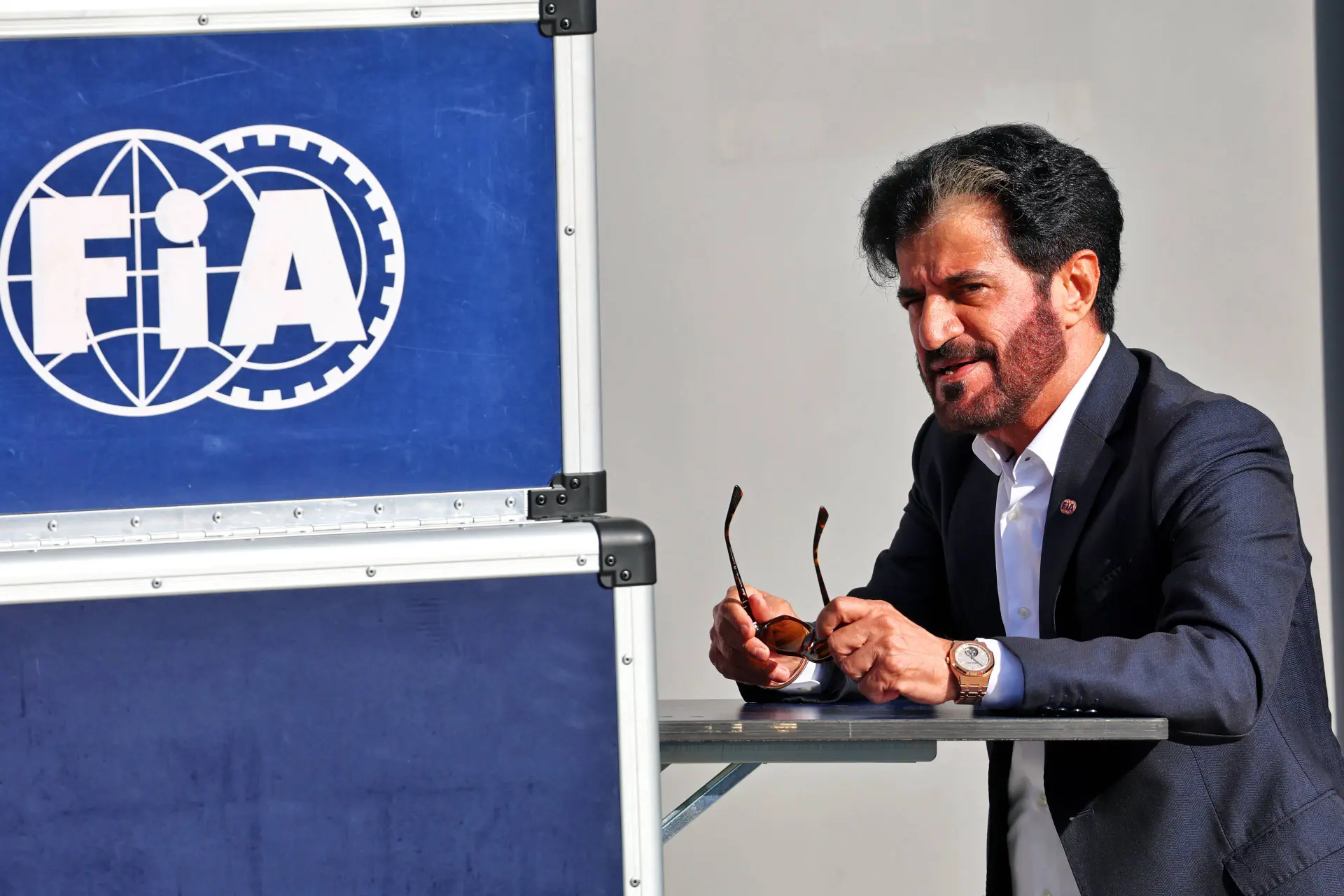
The FIA has rolled out a series of 2026 rule tweaks that will already come into effect in Miami – but what do they actually mean in practice?
Following growing dissatisfaction throughout pre-season and the opening three races, drivers and teams have had their concerns addressed by the governing body, which yesterday ratified a series of small but significant changes set to take effect in the short term.
The latest of three meetings, held just last Monday, officially signed off on a package of tweaks affecting both qualifying - a key pain point so far due to the pronounced super clipping issues - and race conditions, in a bid to avoid a repeat of what happened to Oliver Bearman at Suzuka.
What do the changes mean for qualifying?
ADVERTISEMENT
Starting with qualifying, the FIA has trimmed the maximum energy recharge from 8 to 7 MJ after drivers were repeatedly forced into lift-and-coast just to recover energy. That was behind the superclipping issue.
With less energy to harvest, deployment is now far more linear, which should translate into fewer management phases, more consistent flat-out running and a significant reduction in superclipping, now expected to drop to around 2-4 seconds per lap rather than the much bigger losses seen before.
Make GPblog your preferred source on Google and see our content first in Google Discover and Google News.

Photo: Race Pictures
The second change targets peak superclipping power, which has been increased from 250 kW to 350 kW, further reducing the need for extended recharge phases. In simple terms, when drivers deploy energy they now get a much stronger hit of power, but it is also burned through more quickly.
ADVERTISEMENT

However, with the overall energy cap lowered to 7 MJ, it cannot be sustained for long, effectively encouraging smarter, more efficient use rather than greater usage. The on-track effect is clear: stronger acceleration, less time spent harvesting and, in practice, less complex strategic juggling and more pure performance.
The third change concerns the number of events where alternative, lower energy limits can be applied, which has been increased from eight to 12 races. In practical terms, this gives the FIA greater flexibility to fine-tune the balance between safety, racing spectacle and energy management across a wider range of weekends.
What do the changes mean for racing?
There will also be significant changes in race conditions, primarily focused on safety. The first key update concerns boost usage, with maximum additional power now capped at +150 kW. Previously, differences in available energy could create huge disparities between cars, leading to massive closing speeds, making overtakes easier but also increasing the risk in wheel-to-wheel situations.
ADVERTISEMENT
With the new cap in place, or limited to the car’s existing output if already near that level, those sudden bursts of extra power are effectively removed, meaning no more rocket-like surges and a much more controlled speed delta between cars on track.
Furthermore, MGU-K deployment will remain at 350 kW in the key acceleration phases of the lap - from corner exit all the way to the next braking zone, including the main overtaking areas - while being reduced to 250 kW in less critical sections.
In practice, drivers still get full power exactly where it matters most, when accelerating onto straights and setting up passes, but avoid wasting energy in parts of the lap where it brings little benefit. The overall effect is a more efficient use of energy, with maximum performance in the decisive moments and fewer sudden drop-offs elsewhere.
Follow GPblog on social media to stay updated on all Formula 1 news: Facebook, Instagram and TikTok.
What do the changes mean for race starts?
ADVERTISEMENT
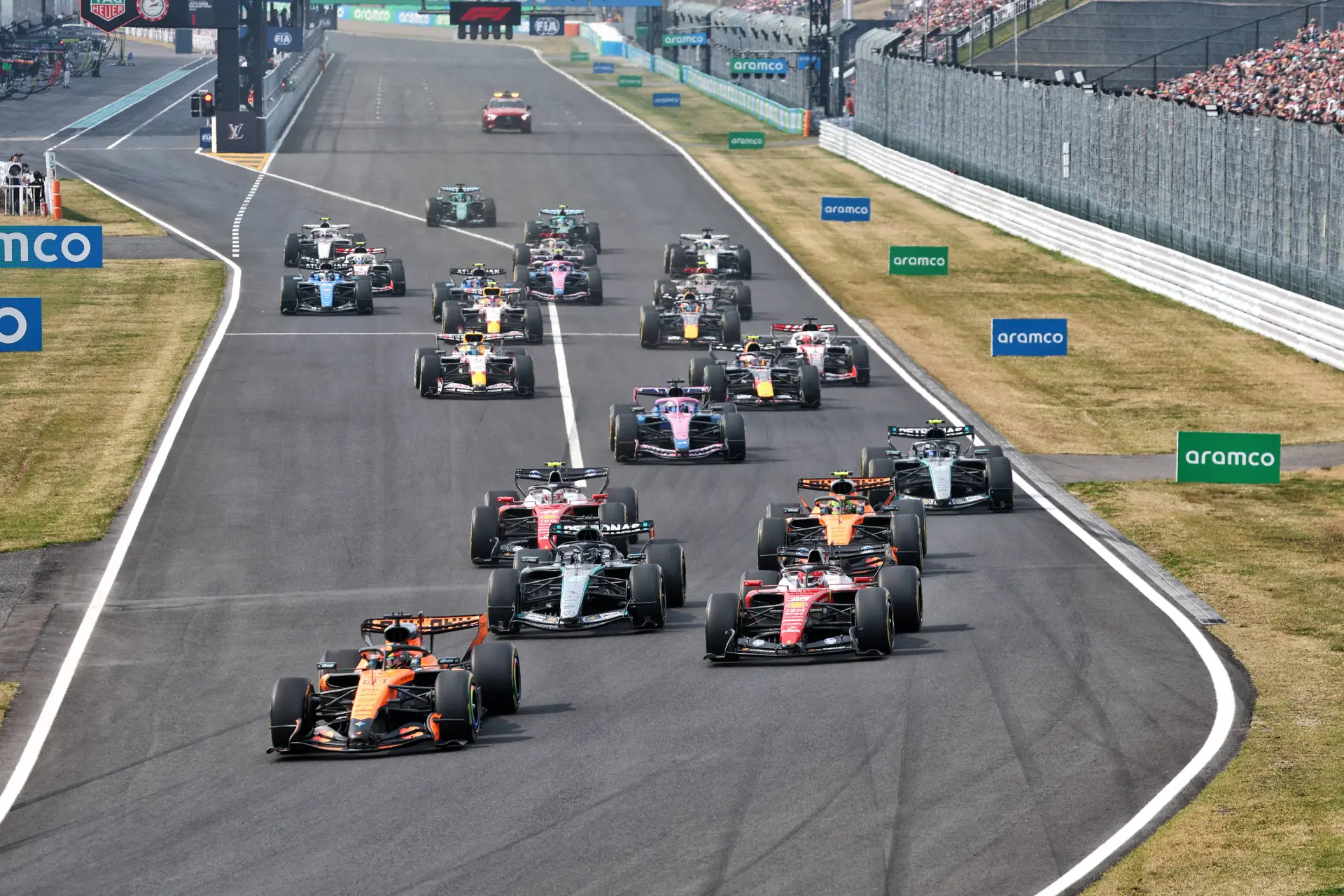
Last but not least, the FIA has also introduced targeted tweaks to race starts after several cars were left stranded off the line in the opening rounds, creating obvious safety concerns.
A new “low power start detection” system will now monitor the first metres immediately after clutch release, identifying in real time any car that accelerates abnormally slowly due to wheelspin, stalling, or energy delivery problems.
As soon as such a case is detected, the system automatically deploys the MGU-K, delivering an instant electric boost to guarantee a minimum level of acceleration and prevent cars from being caught out dangerously.
At the same time, rear and side warning lights are activated, giving drivers behind immediate visual feedback that a car ahead is slow or in trouble. On top of that, the FIA has introduced a full energy reset at the start of the formation lap, ensuring uniform conditions for everyone on the grid and reducing the chances of compromised starts.
ADVERTISEMENT
Stay up to date with the latest Formula 1 news? Follow GPblog.com on WhatsApp Channels and receive the most important updates first.
Don’t miss GPblog in Google
Mark us as a preferred source and our articles will appear more often at the top of Top Stories.
Add as a preferred / source on Google