FIA reveal F1 2026 changes set for Miami GP after crunch meeting
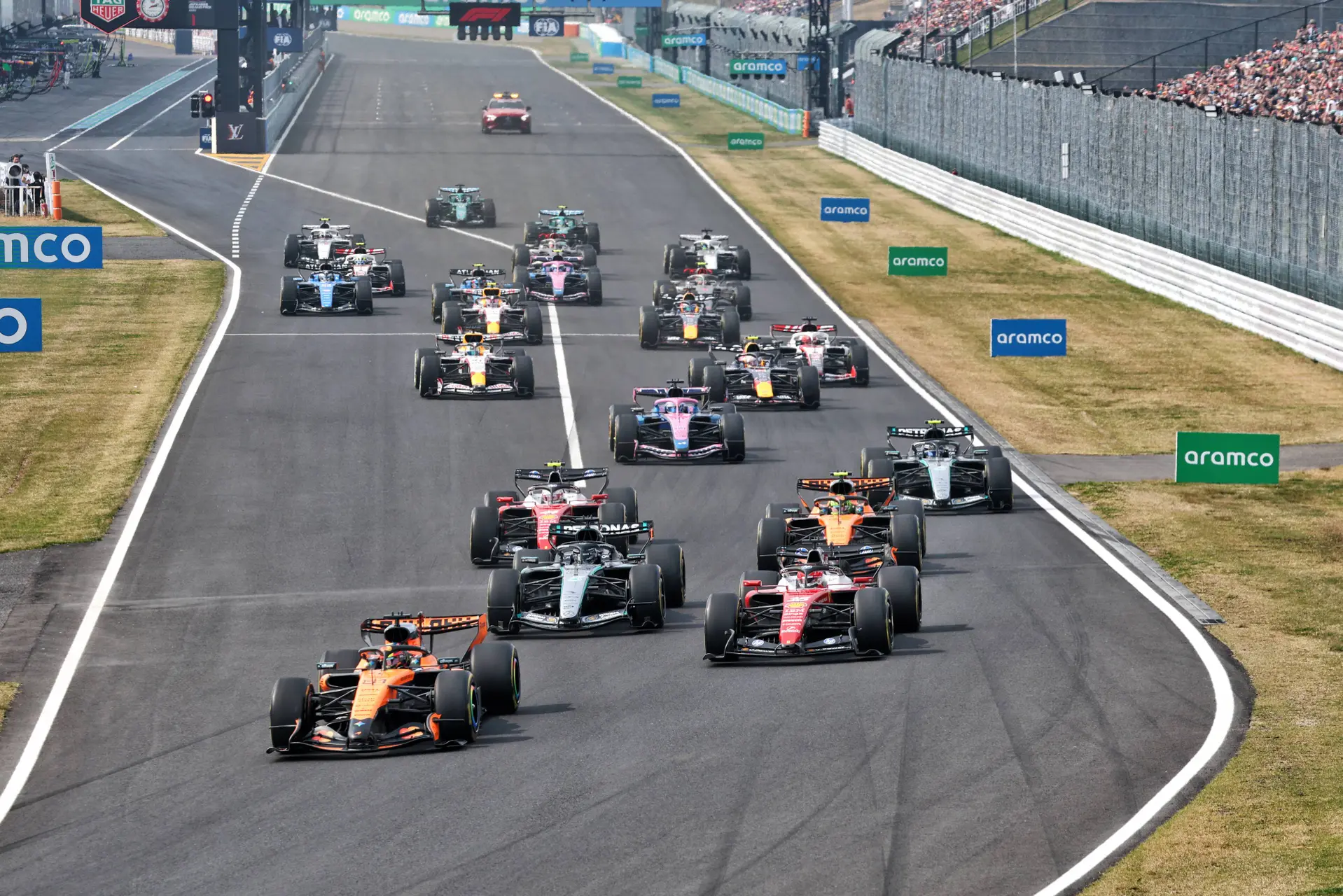
Photo: Race Pictures
Updated:
8 Comments

Henry Eccles is a freelance Formula 1 journalist for GPblog, covering breaking news, live race blogs, and features across the F1 calendar. Since joining in 2026, he has produced high-volume reporting on the sport’s biggest stories, alongside feature pieces including analysis and historical content.
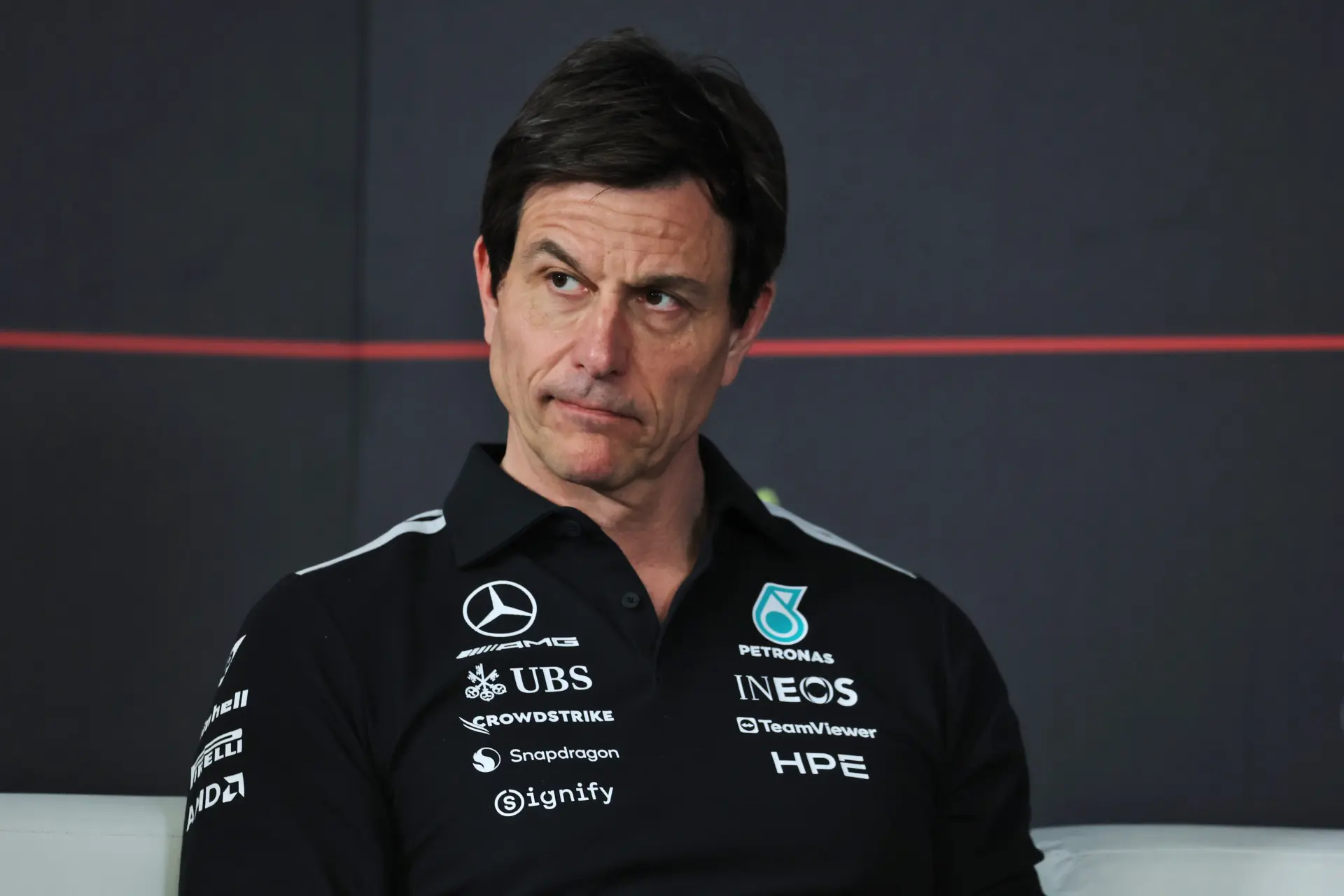
The FIA have made a statement announcing a unanimous agreement between themselves, F1, the team principals and CEOs, on new changes to the 2026 regulations.
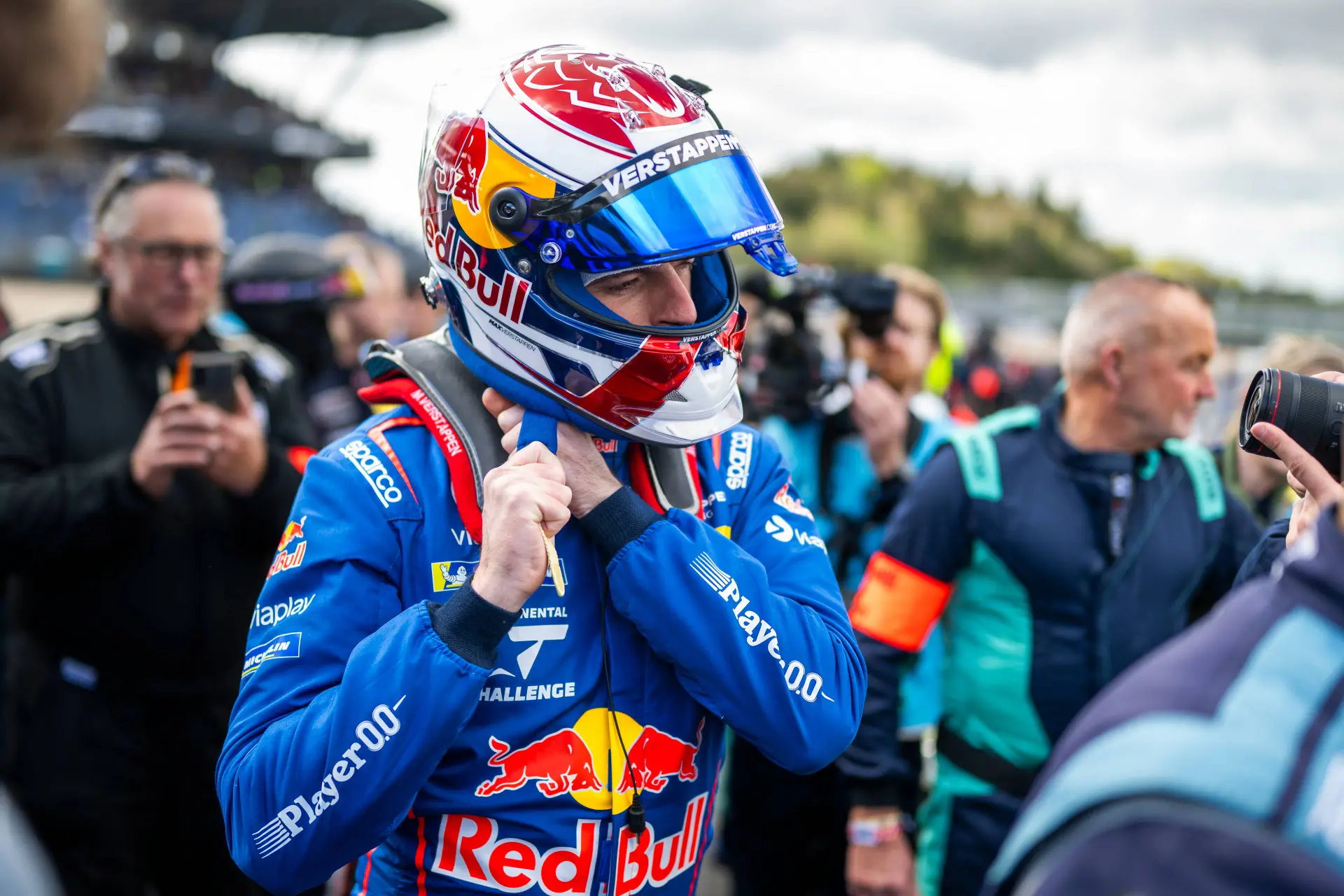
After the opening three rounds of the 2026 season, widespread criticism among drivers, including Max Verstappen, Lando Norris, and Carlos Sainz, has put pressure on the FIA to make changes to the 2026 rules.
The FIA have said that "a number of refinements" were agreed during an online meeting between the FIA, Team Principals, CEOs of Power Unit Manufacturers and FOM.
The final proposals presented today are the result of a series of consultations over recent weeks between the FIA, technical representatives, as well as "extensive input" from F1 drivers.
The final proposals are set to be put before a FIA WMSC e-vote with a view to implementation before the Miami Grand Prix on May 3, although those surrounding race start procedures will be tested and analysed during that weekend.
ADVERTISEMENT
Follow GPblog on social media to stay updated on all Formula 1 news: Facebook, Instagram and TikTok.
FIA announce changes to qualifying
One of the main concerns among drivers was the amount of lift and coast and super-clipping required during qualifying, due to the energy management demands of the 2026 cars.
The FIA have announced the following changes to qualifying:
ADVERTISEMENT
"Adjustments to energy management parameters, including a reduction in maximum permitted recharge from 8MJ to 7MJ, aimed at reducing excessive harvesting and encouraging more consistent flat-out driving. This change targets a maximum superclip duration reduced to approximately 2-4 seconds per lap.
"Peak superclip power increased to 350 kW, previously being 250kW, further reducing the time spent recharging, and reducing driver workload on energy management. This will also be applied in Race conditions.
"The number of events where alternative lower energy limits may apply has been increased from 8 to 12 races, allowing greater adaptation to circuit characteristics."
Changes to racing in F1 2026
The FIA have also introduced changes to the racing itself, aimed at "improved safety and consistency of performance."
ADVERTISEMENT
Safety concerns were heightened after Ollie Bearman's huge 50G crash in Suzuka, after he approached a slow-moving Alpine of Franco Colapinto, who was harvesting at Spoon Curve.
"The maximum power available through the Boost in race conditions is now capped at +150 kW (or the car’s current power level at activation if higher) limiting sudden performance differentials.
"MGU-K deployment is maintained at 350 kW in key acceleration zones (from corner exit to braking point, including overtaking zones) but will be limited to 250 kW in other parts of the lap.
"These measures are designed to reduce excessive closing speeds while maintaining overtaking opportunities and overall performance characteristics."
Make GPblog your preferred source on Google and see our content first in Google Discover and Google News.
ADVERTISEMENT
Race starts themselves will also see changes, a new “low power start detection” system has been developed, which will identify cars with abnormally low acceleration shortly after clutch release.
"In such cases, an automatic MGU-K deployment will be triggered to ensure a minimum level of acceleration and mitigate start-related risks without introducing any sporting advantage.
A visual warning system is also set to be introduced, as well as a reset of the energy counter at the start of the formation lap "to correct a previously identified system inconsistency."
Wet weather racing sees changes
Elsewhere, the FIA have also introduced changes to improve safety under wet weather conditions.
ADVERTISEMENT
"Tyre blanket temperatures for intermediate tyres have been increased following driver feedback in order to improve initial grip and tyre performance in wet conditions.
"Maximum ERS deployment will be reduced, limiting torque and improving car control in low-grip conditions.
"The rear light systems have been simplified, with clearer and more consistent visual cues to improve visibility and reaction time for following drivers in poor conditions."
Listen to or watch the GPblog.com video podcast. In the F1 Paddock Update, Jim Kimberley and Ben Hunt discuss the latest Formula 1 news. New episodes are available every Monday and Thursday on YouTube, Spotify, or your favourite podcast app.
ADVERTISEMENT
Don’t miss GPblog in Google
Mark us as a preferred source and our articles will appear more often at the top of Top Stories.
Add as a preferred / source on Google