
Tobia is a Formula 1 journalist at GPblog with experience at international circuits. Since 2022, he has covered Grands Prix across Europe, delivering reliable coverage and insights from the paddock.
Mercedes still looks like the benchmark based on the start of the season, but will it remain the favourite in Miami after the FIA’s latest rule changes?
From Miami onwards, the 2026 season takes on a new direction, with the FIA stepping in to fine-tune the regulations after the feedback gathered across the opening three races. One of the main areas addressed is energy management. The maximum energy recovery has been lowered from 8 to 7 MJ, a change aimed at reducing the need for lift-and-coast and limiting the impact of superclipping. To balance this, peak deployment power has been increased to 350 kW, giving drivers a sharper but shorter boost when using electrical energy.
Further adjustments have been introduced for race conditions, with safety at the forefront. The maximum additional boost has now been restricted to +150 kW to prevent excessive closing speeds during wheel-to-wheel battles. There is also a new system in place for race starts, designed to detect any abnormal acceleration in the first metres after clutch release. This will allow officials to immediately identify issues such as wheelspin, stalling or irregular energy delivery, improving overall safety in the launch phase.

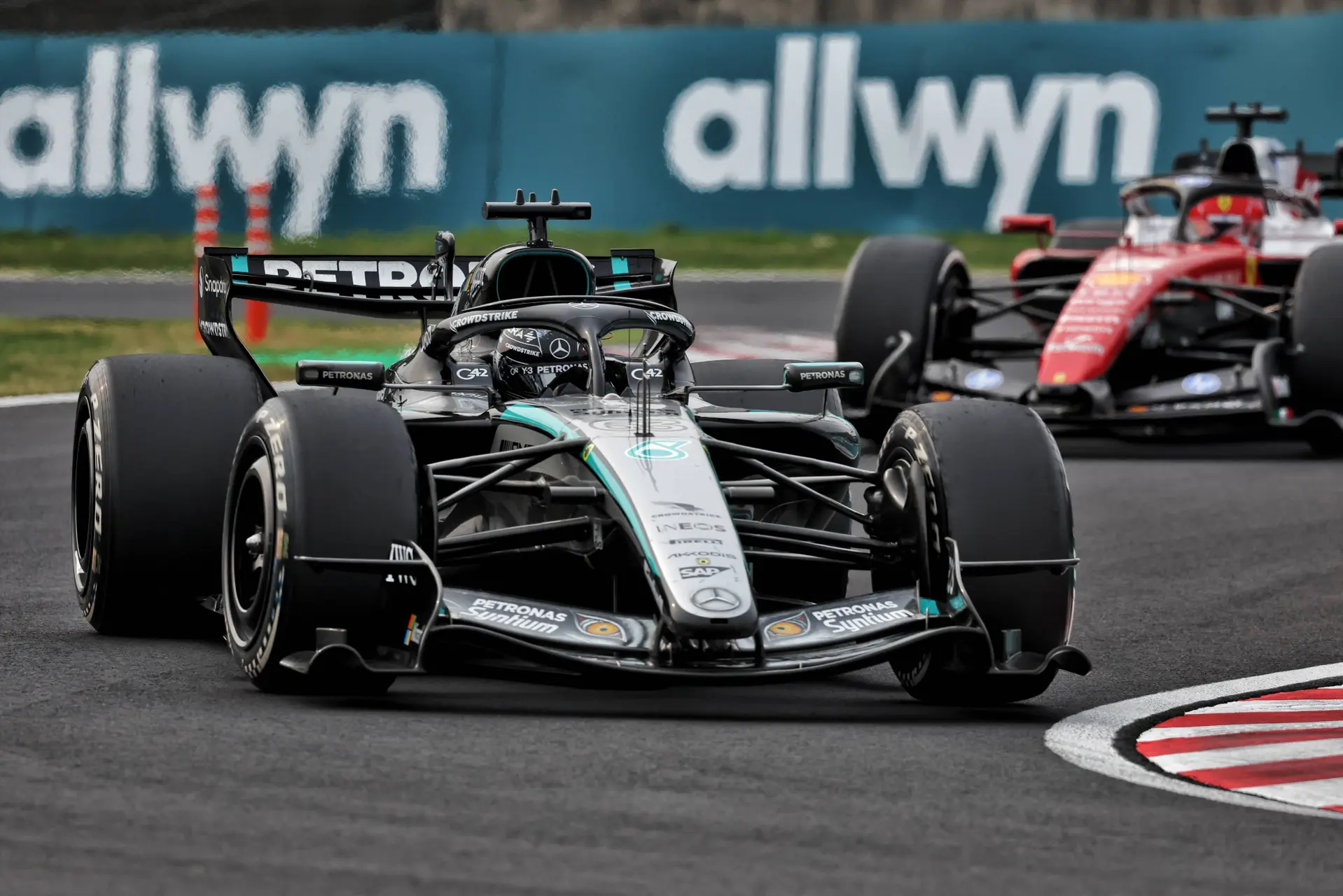
George Russell in the Mercedes W17 - Photo: RacePictures
ADVERTISEMENT
The million-dollar question now is whether these changes will shake up the pecking order and make the field more competitive, or if Mercedes will continue to hold the upper hand seen in the opening three races. While the adjustments were primarily introduced to improve racing and enhance driver safety, they could inevitably have an impact on overall performance as well.
Russell doubles down on F1 regulation stance before Miami GP
Russell has dismissed much of the criticism surrounding Formula 1’s current regulations ahead of the Miami Grand Prix, offering a more positive view of the package. The Briton acknowledged there is still room for improvement, but stressed that only minor tweaks are required to get the most out of the current cars. He pointed out that while the power unit characteristics feel different compared to previous generations, the overall driving experience remains enjoyable, adding that the current setup actually allows for closer and more dynamic racing.
Russell also rejected claims that drivers are deliberately compromising cornering speeds to gain an advantage on the straights, insisting that such interpretations are inaccurate. He noted that some technical quirks still exist, but highlighted the FIA’s ongoing efforts to address them through small refinements.
Looking ahead, he suggested that the latest adjustments introduced from Miami should make things more straightforward for drivers, particularly in terms of energy management, allowing them to push harder without needing to compromise on performance during qualifying laps.
ADVERTISEMENT


Don’t miss GPblog in Google
Mark us as a preferred source and our articles will appear more often at the top of Top Stories.
Add as a preferred / source on Google