Tobia is a Formula 1 journalist at GPblog with experience at international circuits. Since 2022, he has covered Grands Prix across Europe, delivering reliable coverage and insights from the paddock.
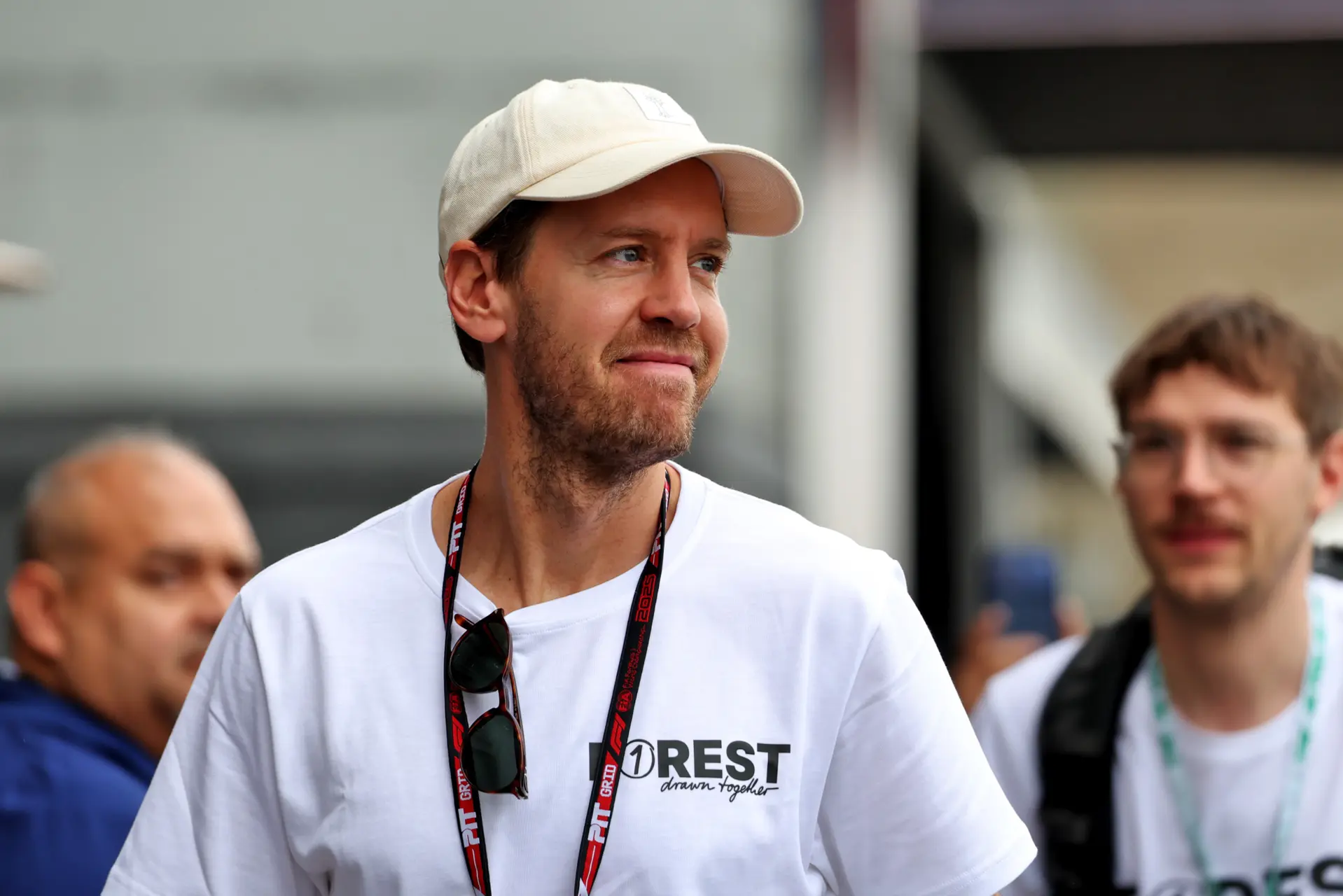
Four-time F1 world champion Sebastian Vettel not only completed the 2026 London Marathon, but did so with an impressive time.
The former German driver was involved in the event together with journalist, podcast host and FIA press conference moderator Tom Clarkson. The two competed while raising funds for two charitable initiatives. One was the Grand Prix Trust, which supported Formula 1 staff both trackside and within teams during difficult times. The other was the Brain & Spine Foundation, an organisation committed to helping people affected by neurological conditions through research, support services and advocacy.
Vettel posts impressive time at 2026 London Marathon
The 2026 edition of the London Marathon had already gone down in history after Kenyan runner Sabastian Sawe won the men’s race in 1:59:30, marking the first official sub-two-hour marathon ever recorded in competition. Sawe was not the only athlete to break the two-hour barrier, with Ethiopia’s Yomif Kejelcha also dipping under the mark with a 1:59:41 personal best on his marathon debut.
While not matching that landmark achievement, Vettel still delivered a strong performance, completing the race in 2:59:08, averaging around 4:15 per kilometre - an impressive result for a non-professional runner.
ADVERTISEMENT
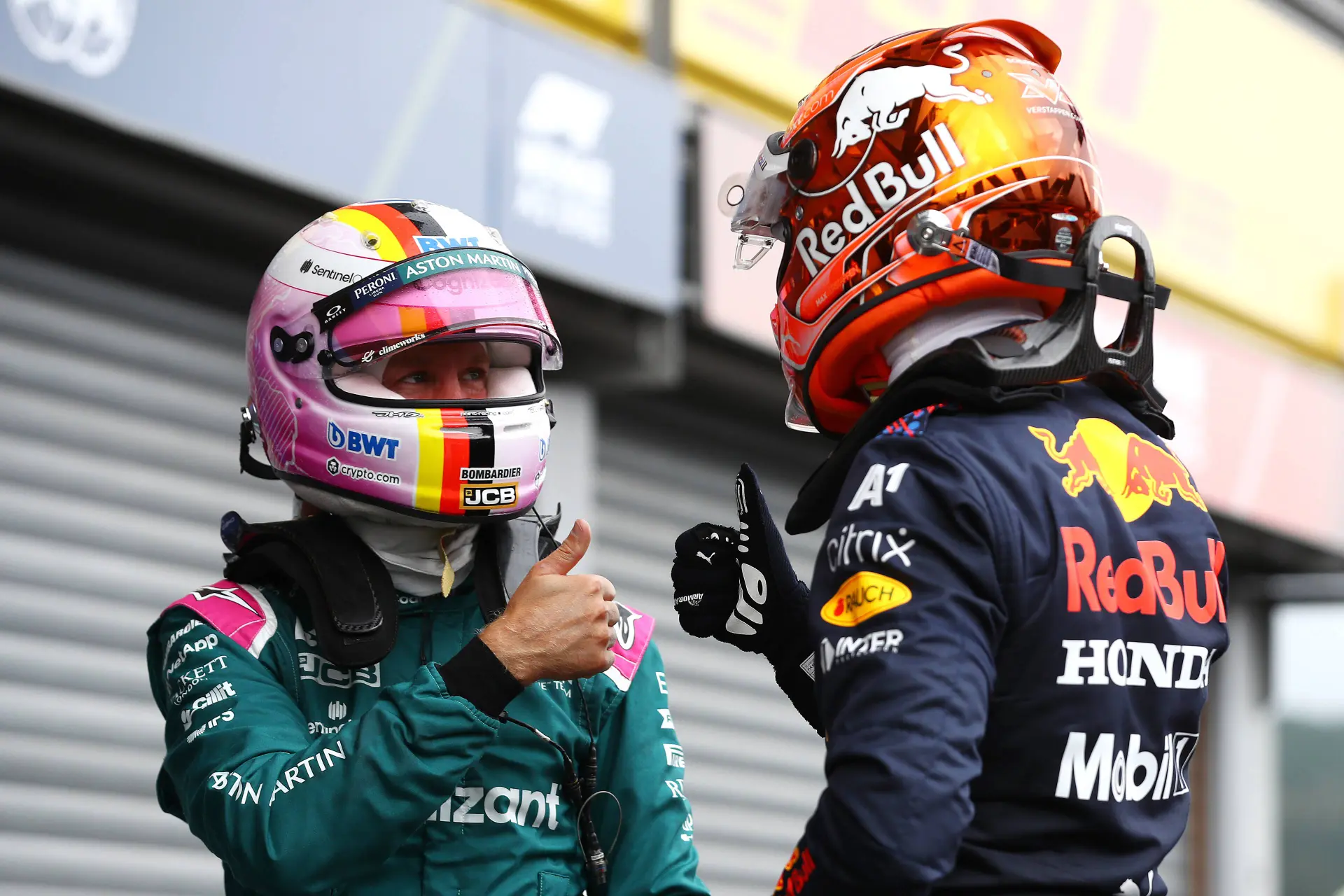
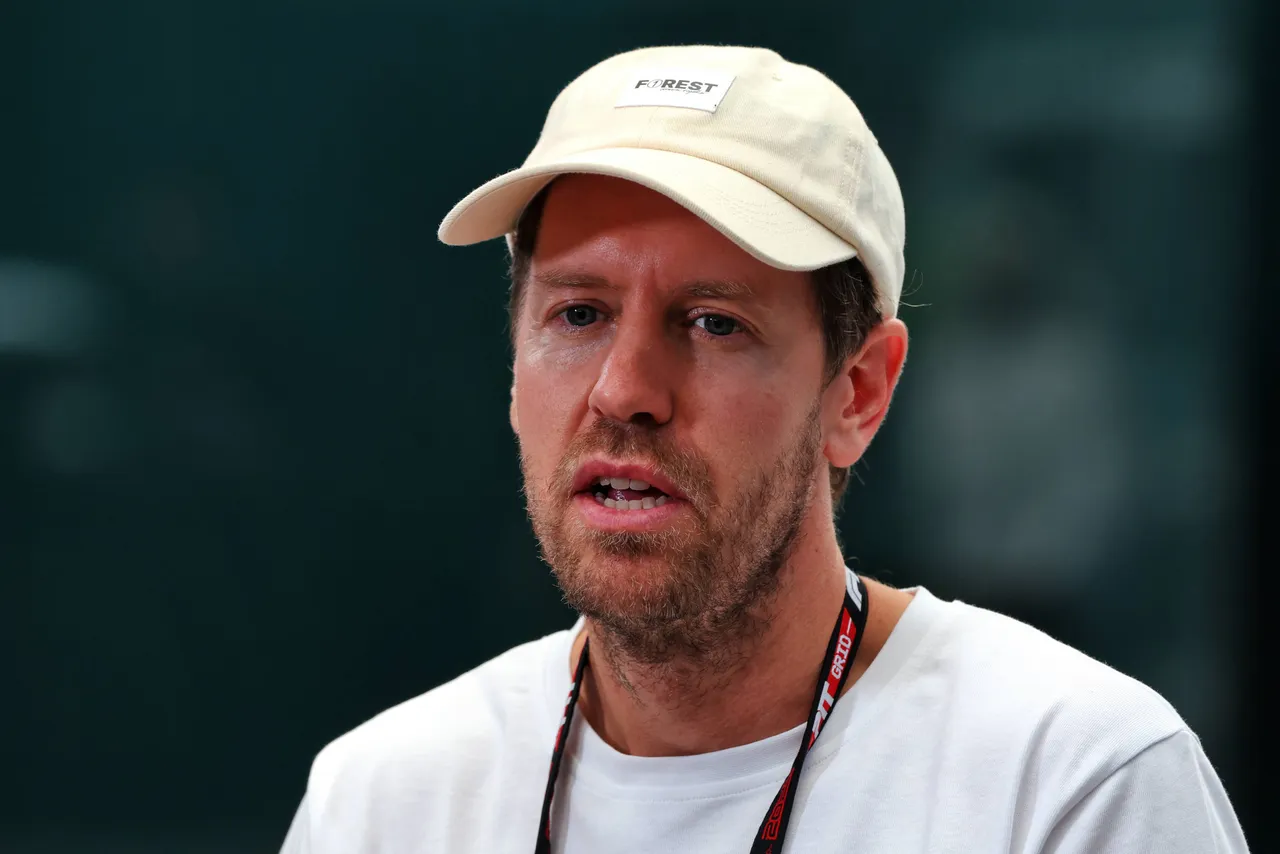
Photo: RacePictures
Vettel 'echoes' drivers' criticism: 'Critical not to lose the sport's DNA'
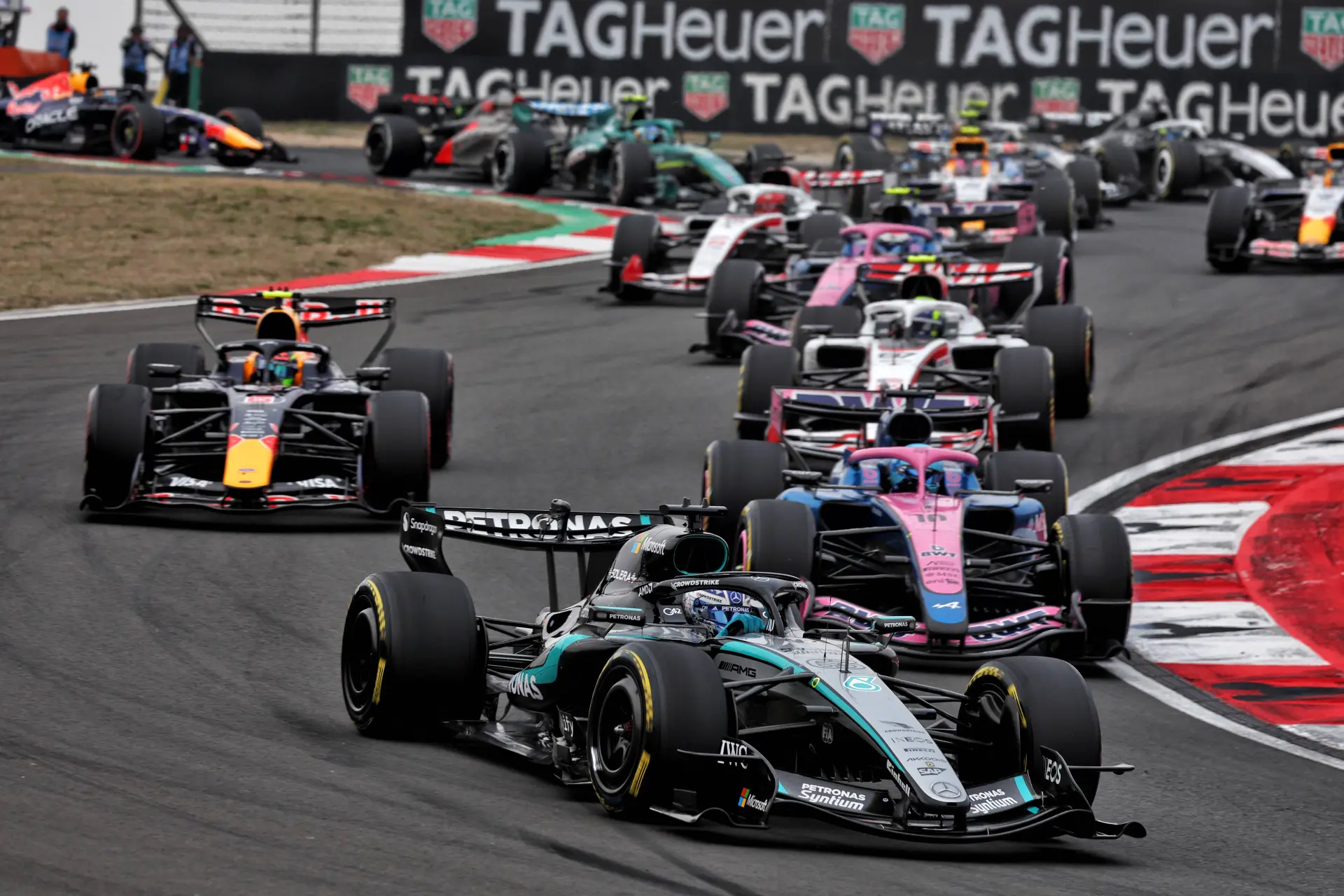
Although he is no longer a regular presence in the paddock or directly involved in racing matters, the four-time world champion continues to follow developments closely, especially at a time when the new regulations have sparked considerable debate. Speaking to Swedish broadcaster SVT, Vettel weighed in on the current generation of Formula 1 cars, aligning himself with concerns previously raised by Verstappen and Norris.
From a sporting perspective, Vettel acknowledged the growing criticism surrounding the regulations, pointing out that while the cars may be enjoyable to drive, they are far less satisfying to race due to the limitations imposed. He expressed his support for the drivers, stressing the importance of preserving the core identity of Formula 1 - identifying the fastest driver in the fastest car.
ADVERTISEMENT
The German also underlined the need for the sport to address these issues in a way that keeps drivers engaged and excited, noting that their passion and energy play a crucial role in shaping the spectacle for fans, both watching at home and in the grandstands.

Don’t miss GPblog in Google
Mark us as a preferred source and our articles will appear more often at the top of Top Stories.
Add as a preferred / source on Google