Alpine’s rapid rise puts Red Bull and Haas on high alert
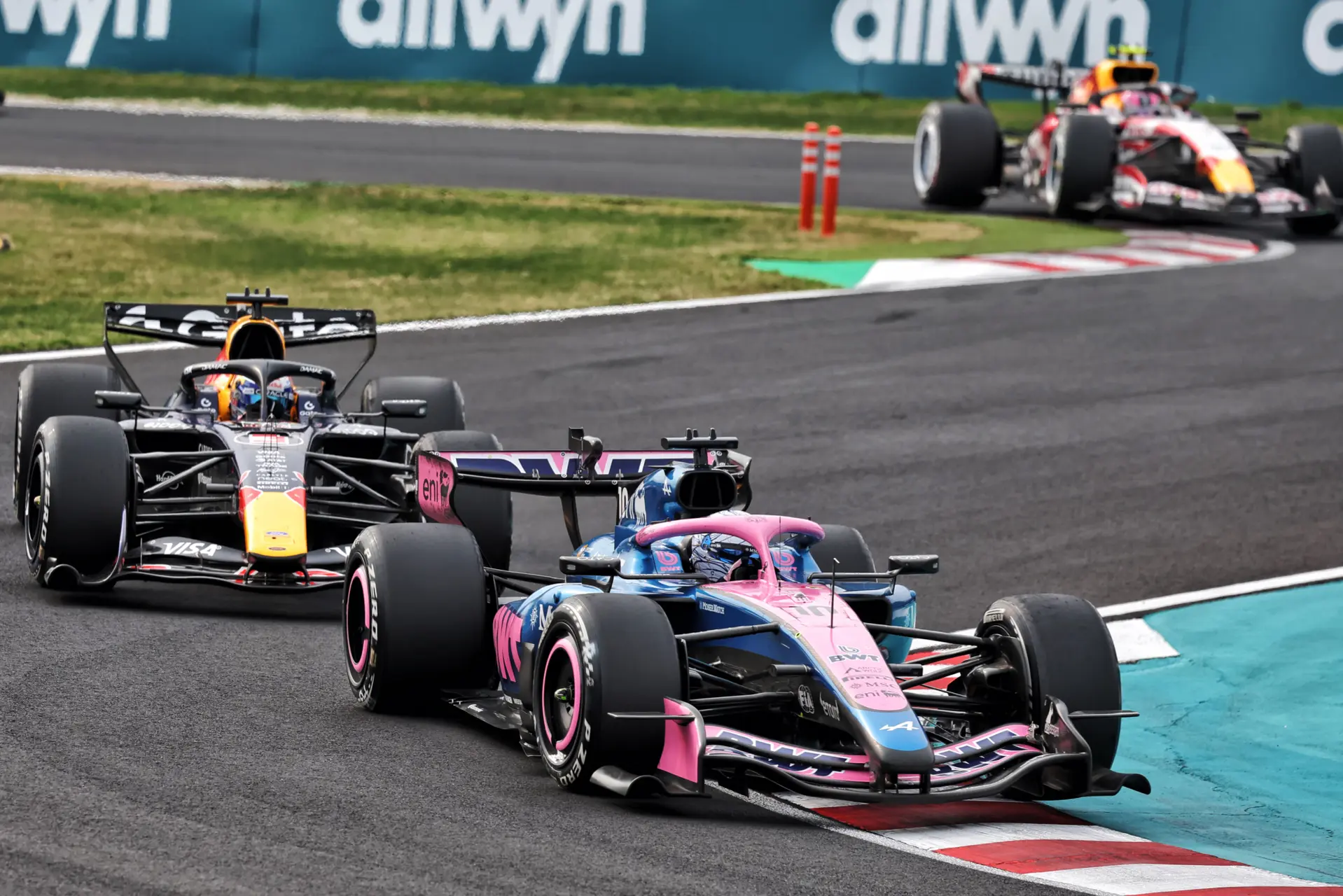
Galsy fighting against Verstappen in Suzuka - Photo: Race Pictures

Francesco is a technical analyst at GPblog, specializing in the technical side of Formula 1. Through illustrations and analysis, he makes complex components and developments accessible to a wide audience.
Alpine showed a very strong performance in the first three races of the season, even staying in front of Red Bull’s Verstappen during the last race in Japan.
The beginning of the 2026 F1 season has been a very positive one for Alpine, as they are currently in fifth place in the Constructors’ Championship, equal on points with Red Bull Racing and just two points behind Haas.
The team has made huge progress compared to last year, not only thanks to the adoption of the Mercedes power unit, but also from a chassis point of view, as the A526 has demonstrated that it is very gentle on tyres and fast in qualifying as well.
Let’s try to unveil where this positive performance comes from.

ADVERTISEMENT
A very strong chassis supported by the Mercedes PU
After finishing last year’s Constructors’ Championship in last position, Alpine had big expectations for the 2026 F1 season, as they invested resources and time to develop the new car.
Moreover, signing a deal with Mercedes as their power unit supplier put the French team in a very strong position among competitors, as rumours suggested Mercedes’ PU to be the best on the grid.
Consequently, it was not a surprise to see a competitive A526 during the two weeks of testing in Bahrain: the car showed a very good performance in the slow and high speed corners, proof of a great chassis and aerodynamic balance, as well as a phenomenal performance on the straights, thanks to the Mercedes engine in the back of the car.
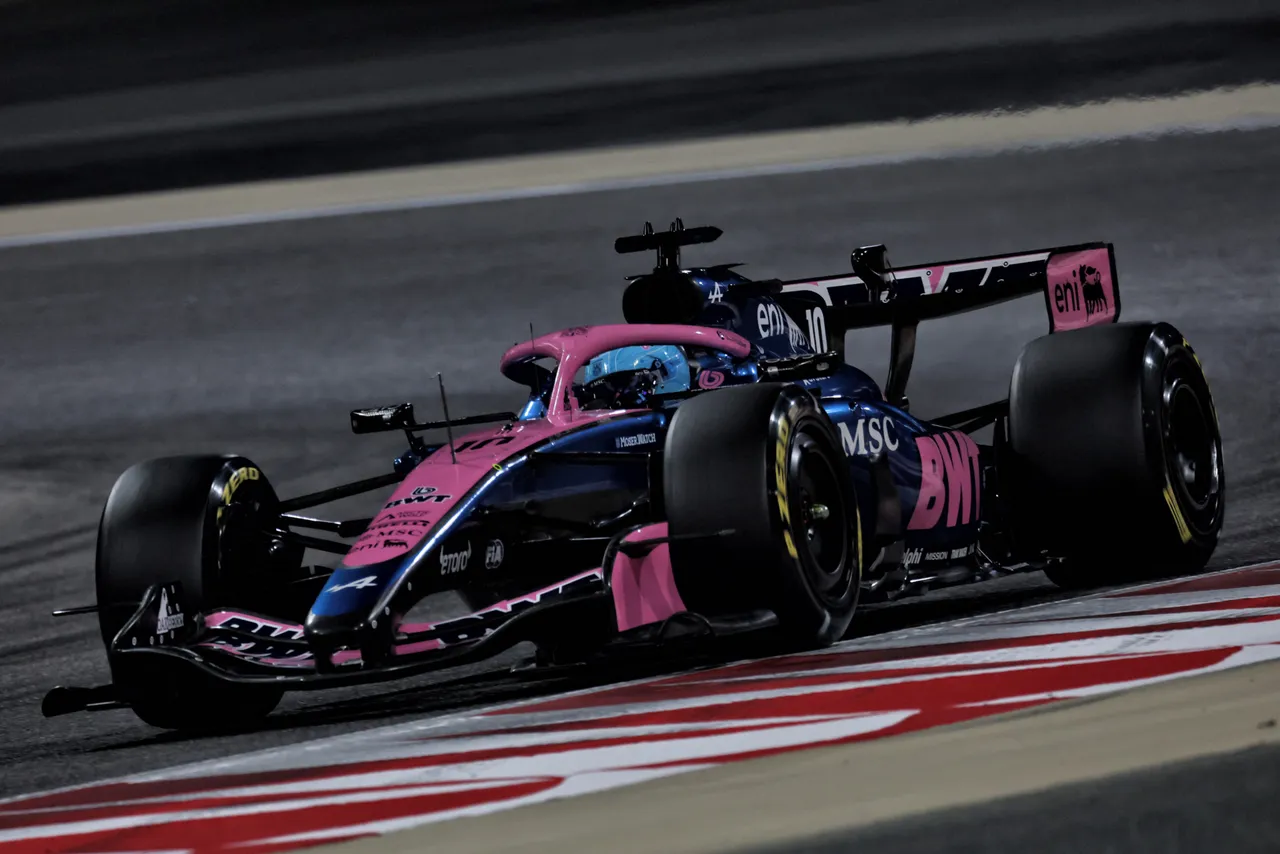
Pierre Gasly during testing in Bahrain - Photo: Race Pictures
ADVERTISEMENT
In Melbourne both drivers got knocked out in Q2, highlighting that Alpine, like McLaren, still had to fully understand the software operation of the new power unit, which is fundamental for the energy deployment strategy around the lap.
Despite this disappointing performance on Saturday, Gasly eventually managed to finish the race in P10, showing a very good tyre management while fighting against other cars and gathering more data on the energy deployment side for engineers to analyse.
During the Chinese Grand Prix the following weekend, the team immediately showed a very strong step forward compared to Melbourne: already in Friday’s Sprint qualifying Gasly managed to qualify P7, in front of even Red Bull’s Max Verstappen, proof that the team managed to unlock more performance on the engine’s side.

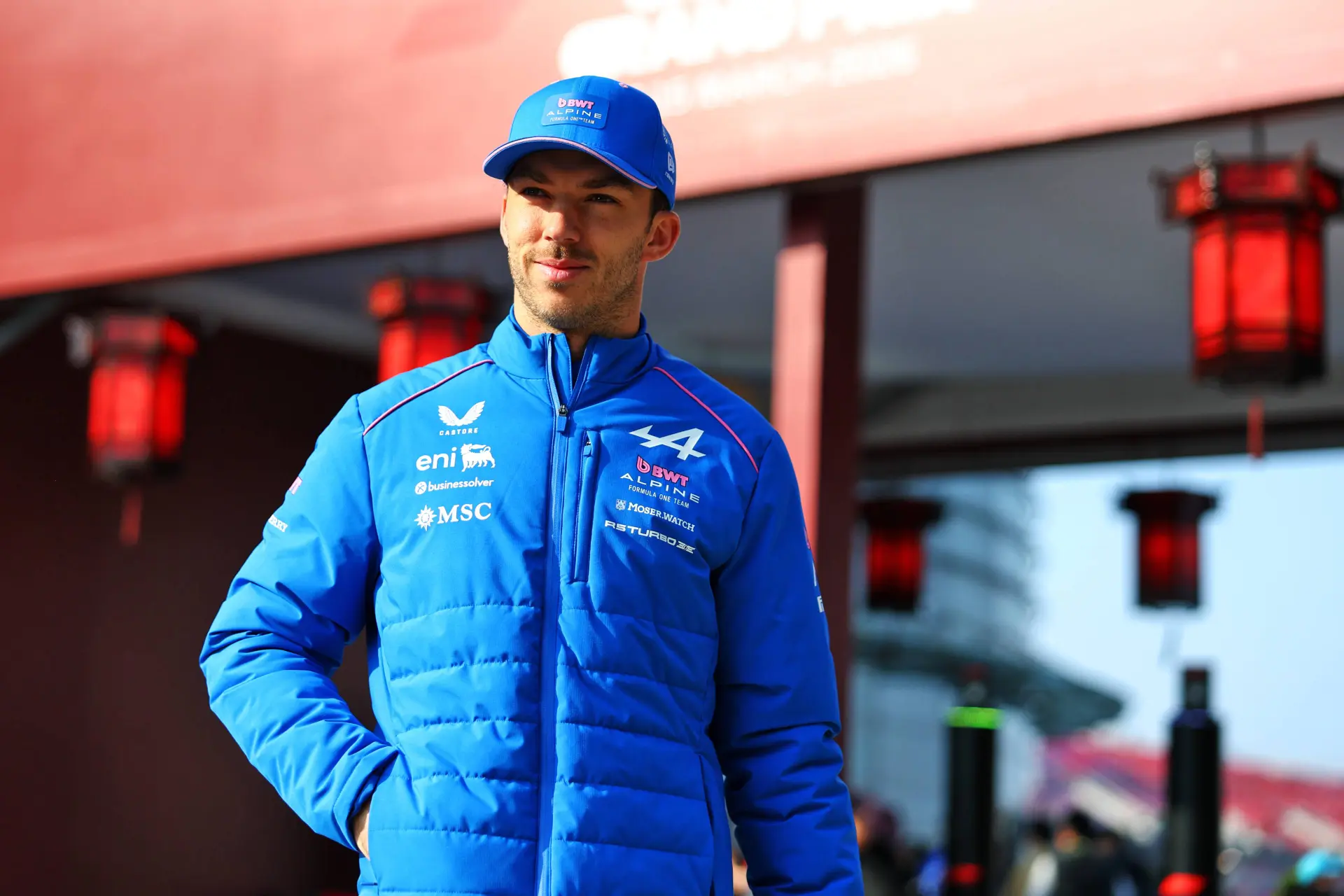
Pierre Galsy in the paddock - Photo: Race Pictures
After a disappointing P11 finish in the Sprint on Saturday, he managed to qualify again in P7 for the main race, keeping Verstappen behind once again.
ADVERTISEMENT
The performance shown in the race, however, was a lot more encouraging: after a very strong start and also taking advantage of both McLaren’s DNS, Gasly finished the race in P6, showing a strong pace on such a tough track for tyre degradation, proving that the chassis and mechanical elements were working very well.
Colapinto managed to score his first points of the season ending the race in P10, recovering well after a decisive contact with Esteban Ocon in turn 2 and once again showing Alpine’s strong progress from Melbourne.
The positive performance shown on two different layouts like Melbourne and Shanghai was the first sign that the car was very versatile, adapting well to different layouts thanks to a strong mechanical platform and engine.
Innovative updates on the rear wing
ADVERTISEMENT
As always happens, however, Suzuka represents the litmus test of a F1 car, highlighting its strengths and weaknesses: with its long straight and sequence of high-speed corners in the first sector, medium speed corners and slow speed chicanes, it has all the ingredients to understand where a car excels and where it suffers.
To slightly improve the rear wing’s performance when the Straight Line Mode (SLM) is activated, the team introduced some minor changes to the rear wing’s endplate and the SLM actuator. As is visible in the picture below, the new version of the endplate features a small fairing just below the wingtip, to generate small vortices that push turbulence from the rear wheels outward (yellow arrow).
Furthermore, a small L-shaped carbon cover has been added to the SLM actuator to divert the flow upward when the rear wing is deployed (yellow circle). Alpine is, in fact, the only team to deploy the rear wing backwards, pushing the top flap backwards.

Alpine's innovative rear wing introduced at Suzuka - Photo: Race pictures
This update, despite being very small and hard to notice, was mainly aimed at improving the rear wing’s efficiency when the SLM mode was activated on the straights.
ADVERTISEMENT
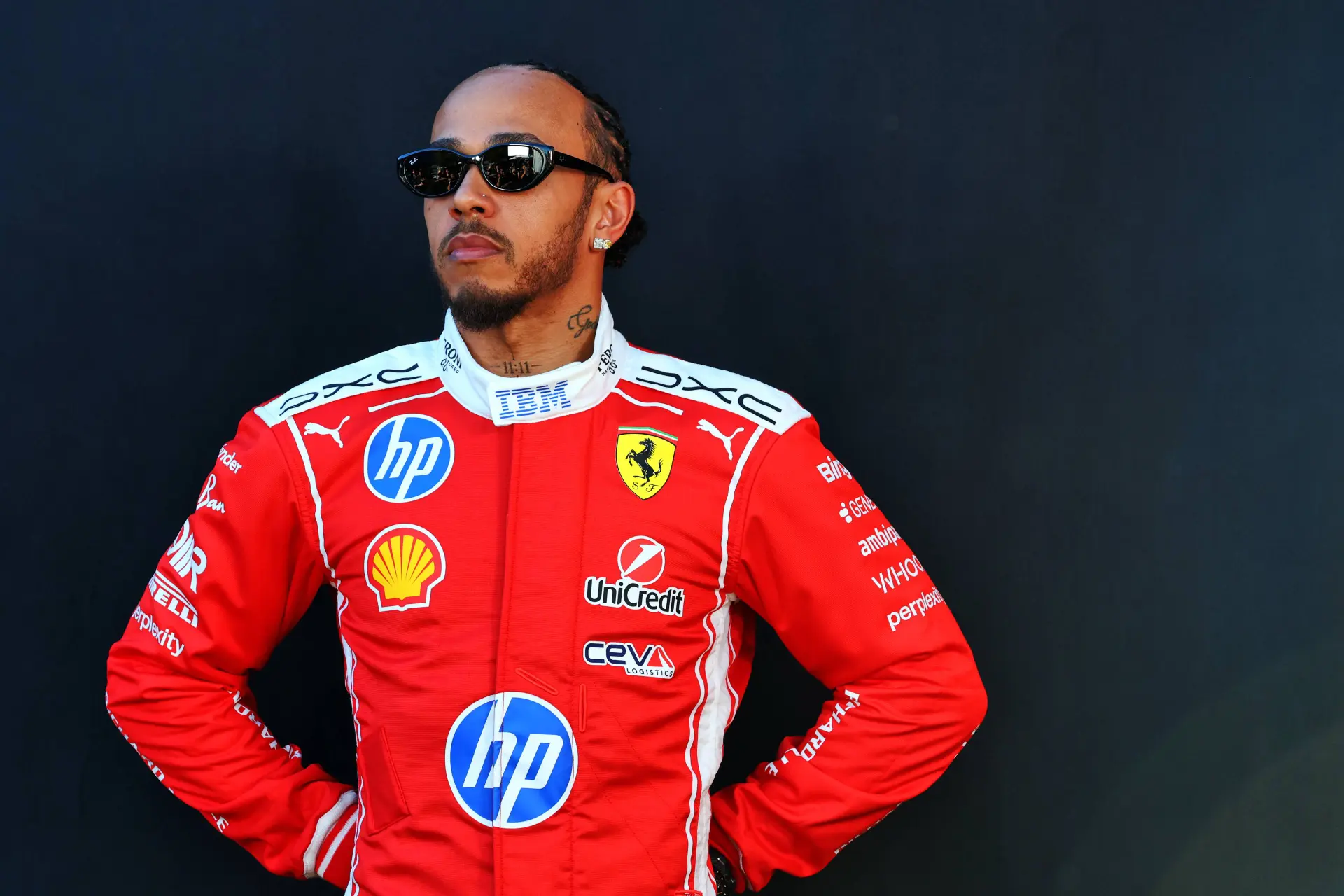
The updates had a positive impact on performance: after showing a good pace throughout the three practice sessions, Gasly was able to qualify P7 less than a tenth behind Hamilton in P6, showing that the team had made a further step in terms of comprehension of the power unit.
The scenario didn’t change in the race: after a great start, Galsy managed to keep seventh place for the whole race, battling hard with Red Bull’s Max Verstappen during the last 28 laps of the race and eventually managed to keep the position.
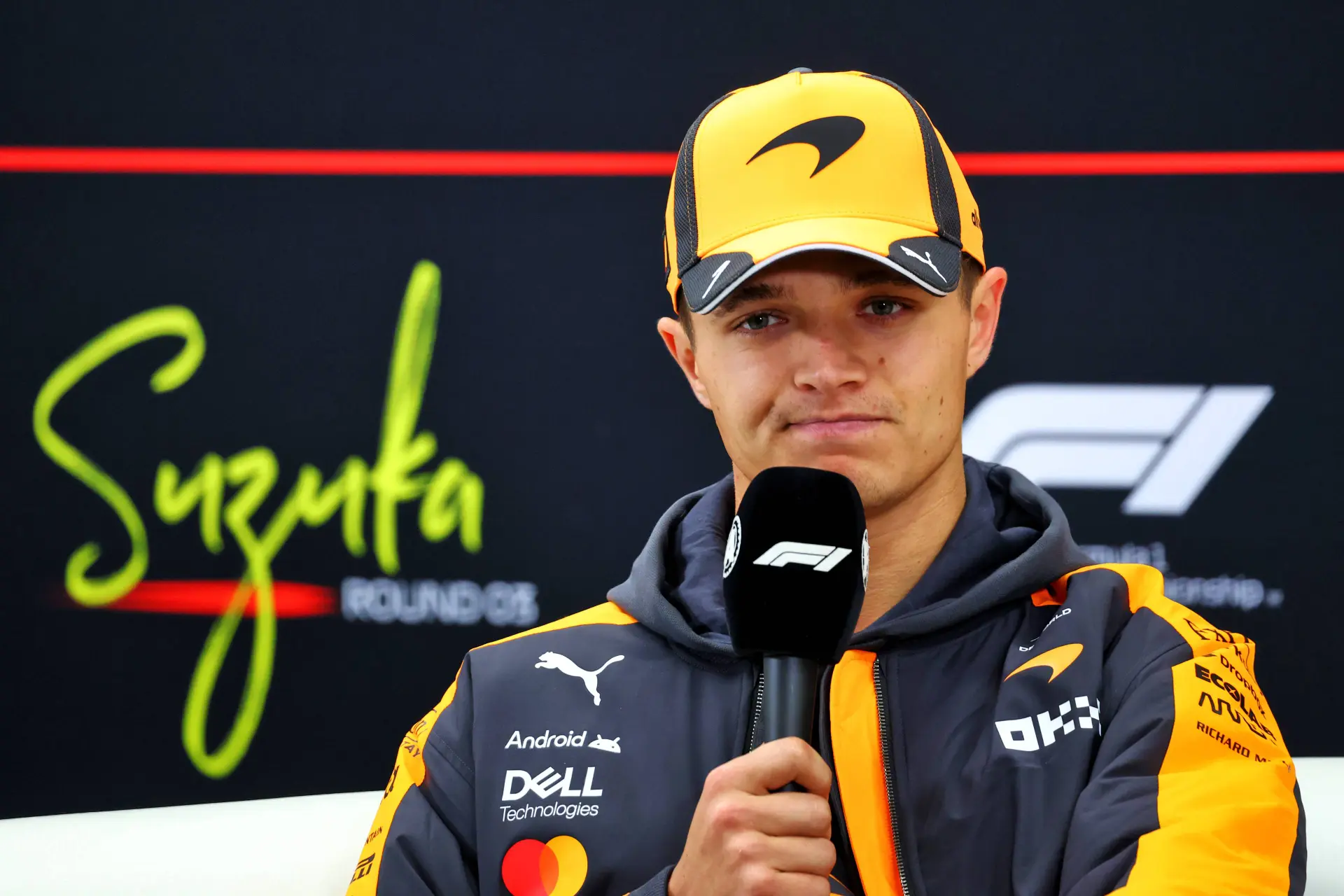
When asked about his majestic performance throughout the whole weekend after the race, the Frenchman replied as follows: “I mean, it's the perfect weekend really because 7th in quali is definitely the best position we could get. And in the race it was the same, the top 6 was out of reach. But at the same time, we finished only seven seconds behind Lewis which for me is a very positive sign. [...] I'm just happy because the car seems to work on all types of tracks really. So I think that's definitely a good boost of confidence.”
In conclusion, the beginning of the 2026 season has been very positive for Alpine and they’ll need to introduce some upgrades in the next few races to improve the car’s performance especially in the long runs, where Haas has shown itself to be very strong as well.
The team clearly has all the cards to conquer the fourth place in the Constructors' Championship, but it’ll be fundamental to correctly develop the car, as there will be significant margins for improvement up to Abu Dhabi.
ADVERTISEMENT
Read also

Don’t miss GPblog in Google
Mark us as a preferred source and our articles will appear more often at the top of Top Stories.
Add as a preferred / source on Google