Max Verstappen and the Canadian GP: Why Montreal continues to challenge the four-time champion
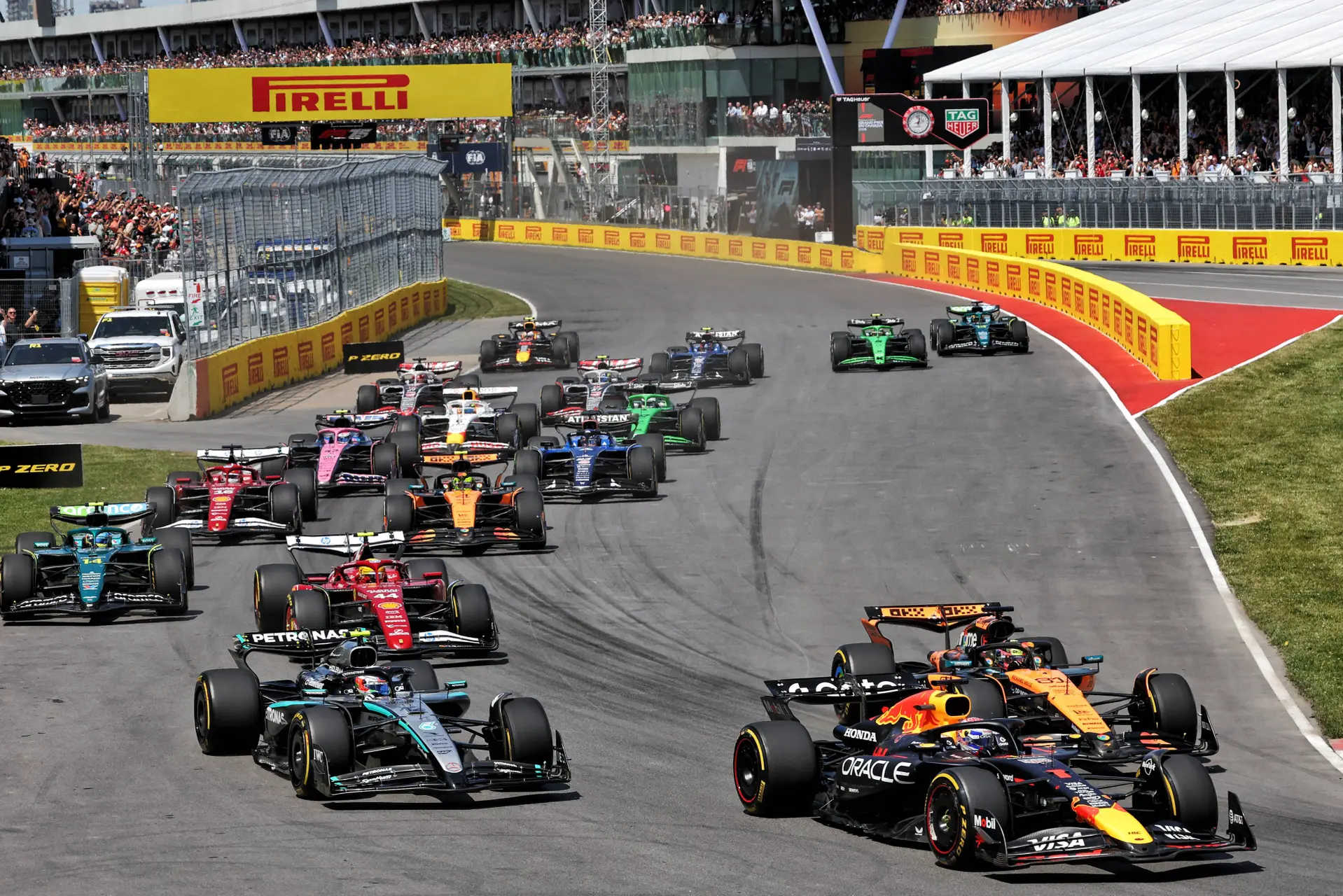
Photo: Race Pictures
Updated:
0 Comments

Ben Hunt is an award-winning motorsport journalist with over two decades of experience in Formula 1 and international media. As a former editor-in-chief and bestselling author, he delivers in-depth analysis and strategic insight from the highest level of the sport.
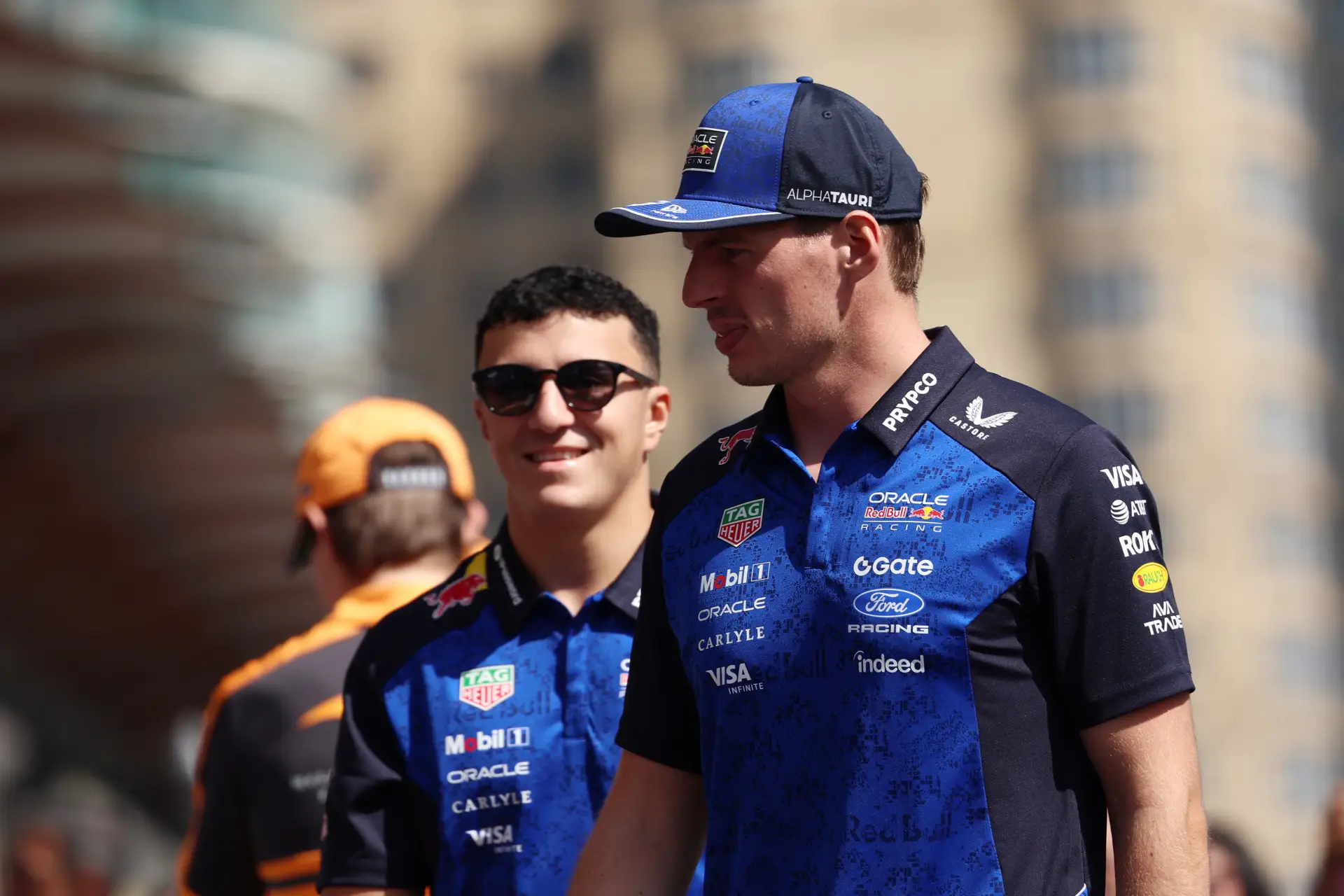
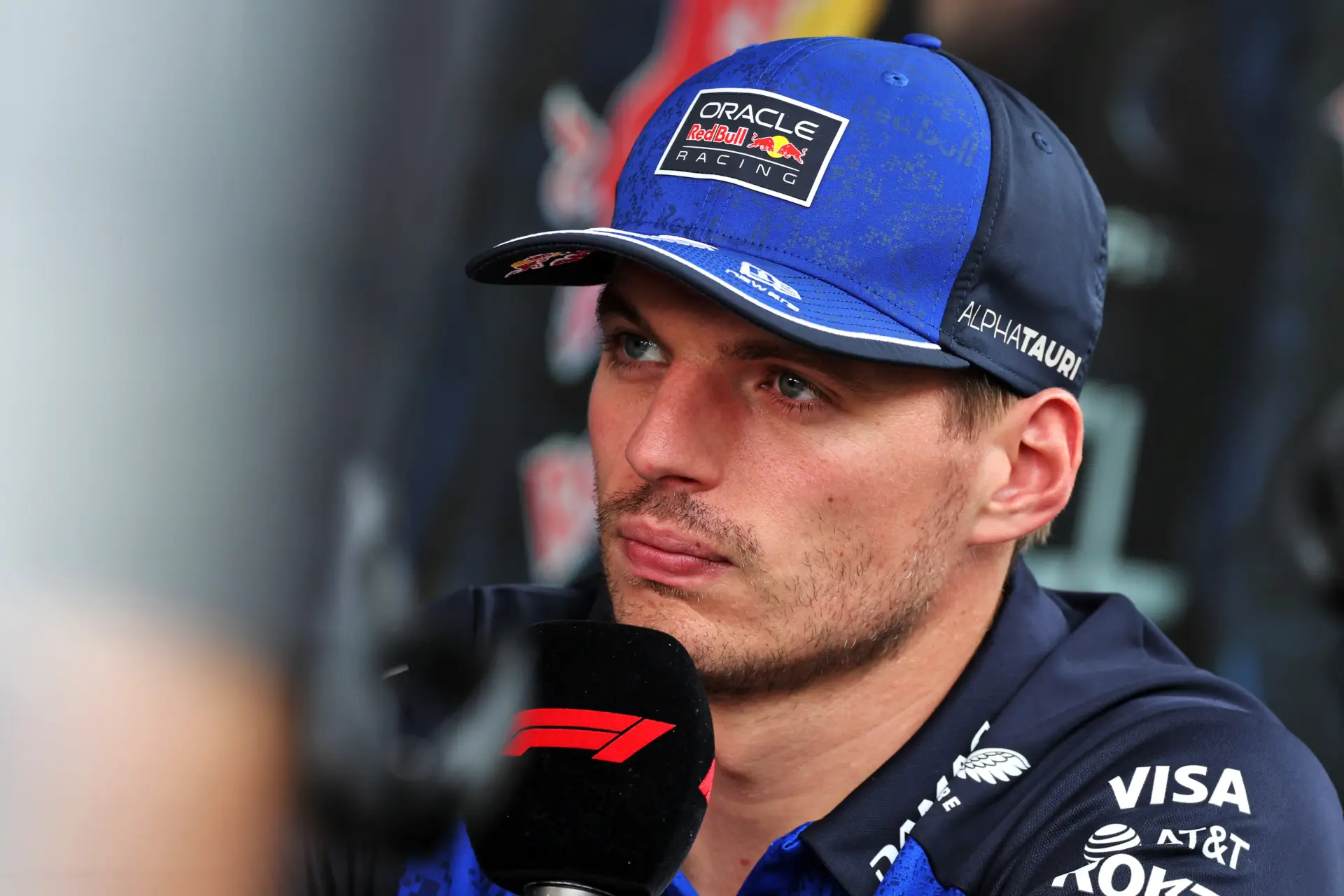
Max Verstappen has won four World Championships. He has dominated F1 seasons in ways that match the sport's greats, and yet, for the better part of a decade, the Circuit Gilles Villeneuve was a circuit that simply refused to bend to his will.
However, the narrative is not entirely straightforward. Verstappen has, in recent years, turned Montreal into something of a happy hunting ground. He won there three consecutive times between 2022 and 2024, joining Lewis Hamilton and Michael Schumacher as the only drivers to achieve that feat. In 2023, he led every single one of the 70 laps in a display of total dominance. In 2024, he navigated a chaotic wet and dry race with the composure and was considered to be on of his very best performances.
But zoom out further and the picture becomes more complicated. Before that 2022 breakthrough, Verstappen had gone years at Montreal without a win. He had plenty of fast weekends, plenty of promise, but the trophy eluded him. The circuit's characteristics had long been cited as a potential mismatch for how Red Bull liked to build their cars: heavily loaded in the high-speed corners, but punished by the long flat straights and heavy braking zones that reward power and stopping efficiency over pure aerodynamic grip.
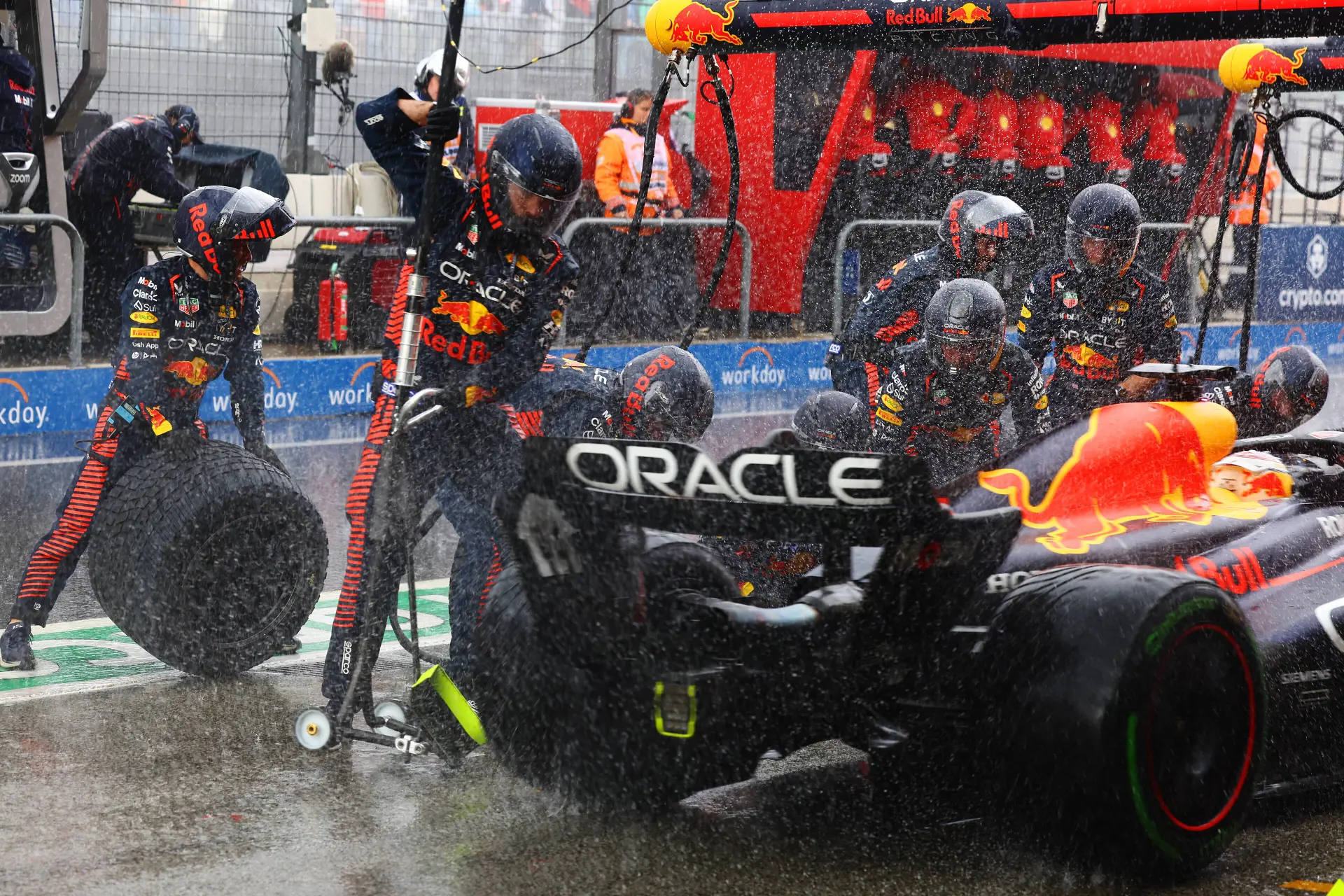
Now, in 2026, the question facing Verstappen is altogether more serious than a historical quirk. He arrives in Montreal not as the reigning champion bearing down on rivals, but as a driver on the back foot. Red Bull's first season as an in-house power unit constructor with Ford has been tough. The RB22 has struggled from the outset, with their best result across the opening races a single fifth-place finish in Miami.
ADVERTISEMENT
The structural challenge is clear. Red Bull are fighting a first-year power unit manufacturer's learning curve and another new driver pairing while other teams have made progress. At a circuit like Montreal, where the 2026 regulations place enormous emphasis on energy deployment and the new Straight Mode aerodynamics make the long back straight an even more decisive battleground, power unit performance and energy deployment is key.
Mercedes will be the team to beat
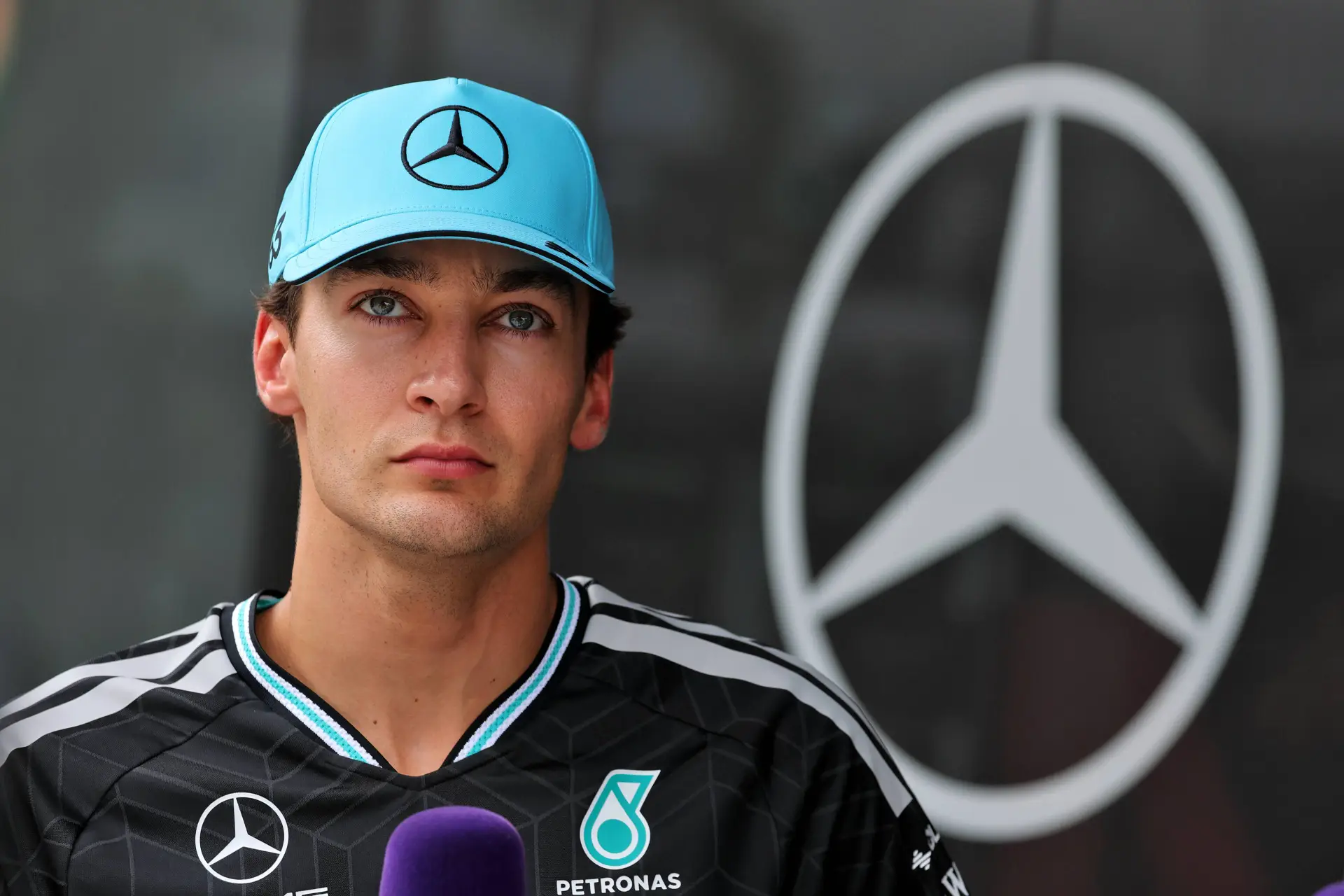
George Russell won the Canadian GP in 2025 while teammate Kimi Antonelli leads the 2026 championship by a commanding margin. Mercedes have been the class of the field this season and the Circuit Gilles Villeneuve, with its long straights and heavy braking zones, is broadly considered a circuit that should suit their package.
There is a version of this weekend where Verstappen, one of the greatest wet-weather drivers in the sport's history and a man who genuinely relishes the chaos that Montreal tends to deliver, finds a way into contention if the weather intervenes.
He has won in Montreal when the cards were stacked against him, but the question for 2026 is whether even Verstappen's talent can compensate for a power unit deficit on one of Formula 1's most power-sensitive circuits.
Montreal has tested him before. Right now, it may represent his toughest ask for the season so far.
Montreal has tested him before. Right now, it may represent his toughest ask for the season so far.
ADVERTISEMENT
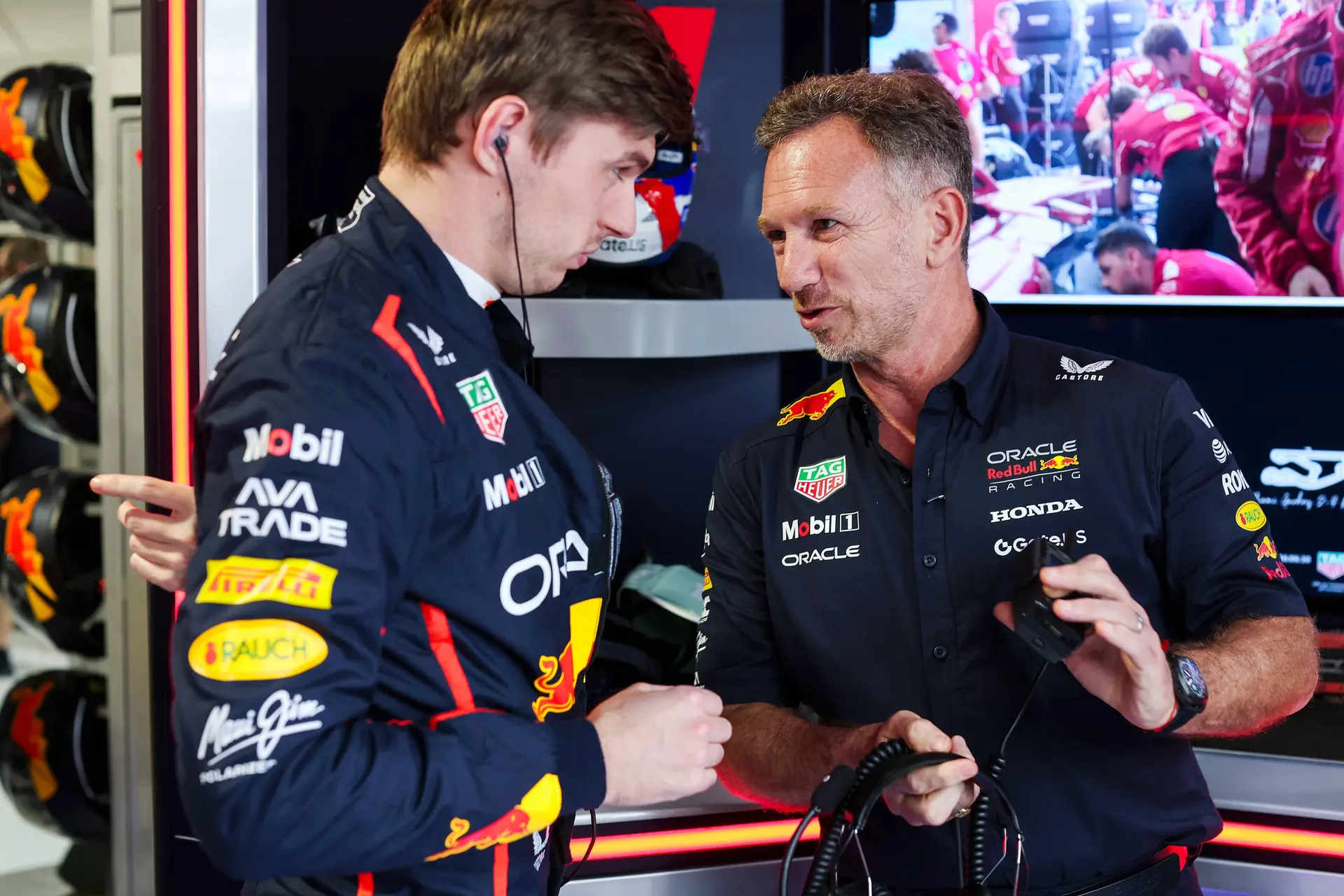
Recap - Verstappen's Nürburgring Heartbreak
Max Verstappen Racing entered the Nürburgring 24 Hours as contenders after qualifying fourth with drivers Verstappen, Daniel Juncadella, Lucas Auer, and Jules Gounon.
Verstappen’s stints were rapid and aggressive, including taking the lead despite a high-speed off across the grass and later contact with Maro Engel, with both continuing.
The #3 Mercedes-AMG built a lead of over 30 seconds and looked set for victory, but a driveshaft issue about four hours from the end forced multiple pit stops and ended their challenge. T
ADVERTISEMENT
he #80 Mercedes-AMG won overall, with the #84 Red Bull Team ABT Lamborghini second and the #34 Walkenhorst Aston Martin third.
Juncadella dismissed any link between Verstappen’s earlier contact and the mechanical failure, calling it typical endurance racing misfortune.
Read more
Don’t miss GPblog in Google
Mark us as a preferred source and our articles will appear more often at the top of Top Stories.
Add as a preferred / source on GoogleRead more about:
latest news

Bahrain Grand Prix
Overview
... ...
Practice 1
...
Practice 2
...
... ...
Practice 3
...
Qualification
...
... ...
Race
...
... ...
Practice 1
...
Practice 2
...
... ...
Practice 3
...
Qualification
...
... ...
Race
...
Times are in your local timezone
Rumors
Popular on GPBlog

1
F1 Today | Russell tops timesheet in 'first session' in Malaysia as Verstappen turns 29
7681 times read

2
F1 driver set for Bahrain GP back-of-grid start after engine penalty
1416 times read
3
Bottas says F1 drivers don't want to finish season in Italy amid tax threat
1050 times read
4
‘You just have to pay it’: Verstappen responds to F1 drivers’ Italian tax concerns
713 times read
F1-stand 2026
Season
| Pos. | Driver | Team | Points |
|---|---|---|---|
1 | MercedesMER | 302 | |
2 | MercedesMER | 236 | |
3 | FerrariFER | 199 | |
4 | McLarenMCL | 186 | |
5 | FerrariFER | 179 | |
6 | Red Bull RacingRBR | 163 | |
7 | McLarenMCL | 120 | |
8 | Red Bull RacingRBR | 86 | |
9 | Racing BullsRCB | 59 | |
10 | AlpineALP | 41 |
Loading