How the weather has shaped the Canadian Grand Prix throughout F1 history
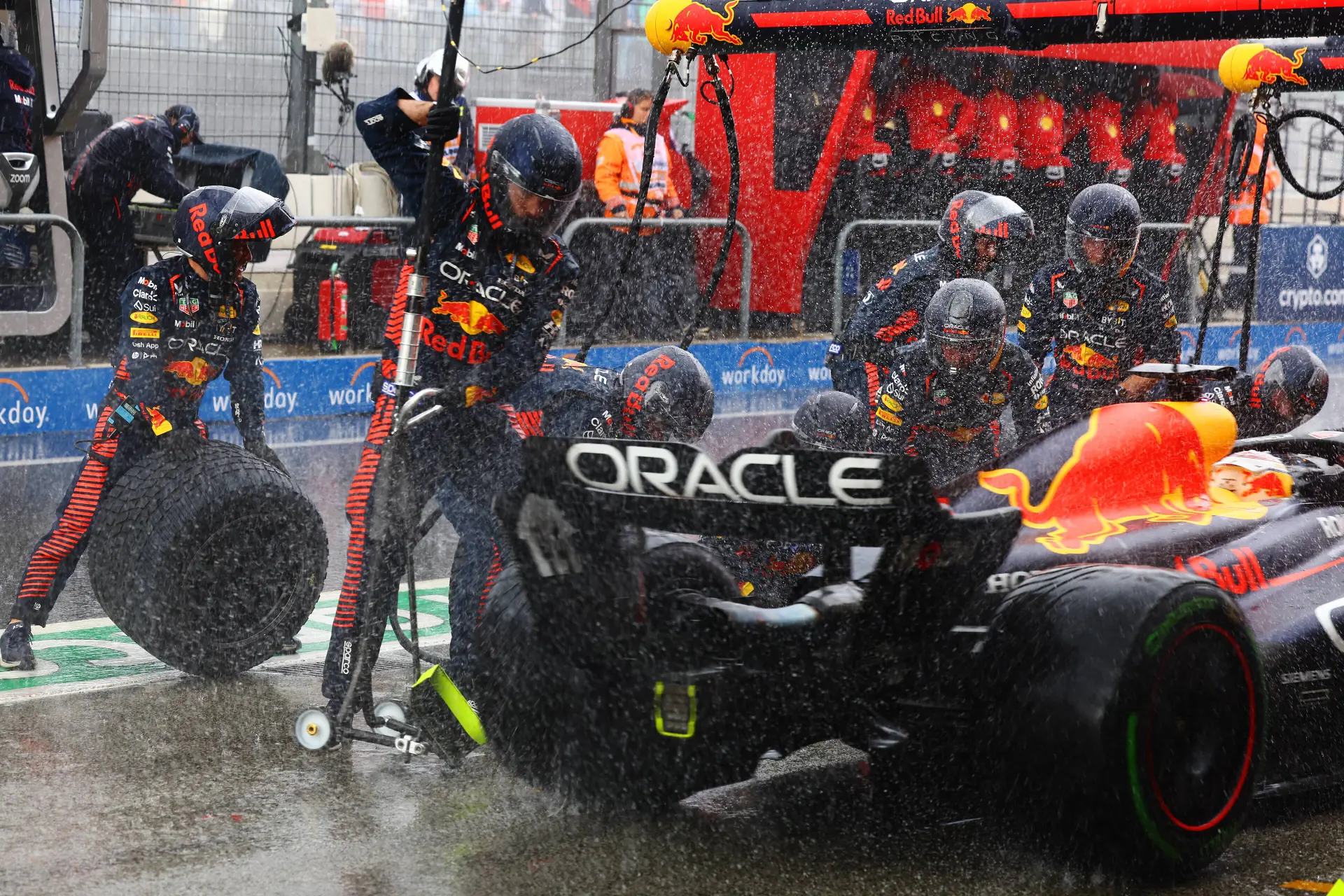
Rain fell during the Dutch GP in Zandvoort in 2023.
Updated:
0 Comments

Ben Hunt is an award-winning motorsport journalist with over two decades of experience in Formula 1 and international media. As a former editor-in-chief and bestselling author, he delivers in-depth analysis and strategic insight from the highest level of the sport.
The Circuit Gilles Villeneuve is one of the most unpredictable venues on the Formula 1 calendar and here GPBlog looks at the reason why.
Sitting on the man-made Notre Dame Island in the middle of the St. Lawrence River, Montreal's iconic street circuit has long been at the mercy of the elements. Late spring in Quebec can deliver glorious sunshine one moment and a biblical downpour the next, and Formula 1 has felt every drop. From epic safety car battles to iconic championship-defining moments, the weather at the Canadian Grand Prix has produced some of the sport's most unforgettable chapters.
Montreal's Climate: The Perfect Storm for Drama
Before diving into the races themselves, it's worth understanding why Montreal is so prone to unpredictable conditions. Temperature variations at the Circuit Gilles Villeneuve can swing dramatically, anywhere from 3°C to 34°C, with average humidity levels hovering around 74 percent. The combination of high moisture in the air and the circuit's island location means weather can close in rapidly and without much warning. Teams have learned over the decades that no forecast in Montreal should ever be fully trusted.
1971: Rain and Fog at Mosport
ADVERTISEMENT
The story of weather at the Canadian Grand Prix actually predates the move to Montreal. Back in 1971, when the race was still held at Mosport Park in Ontario, the circuit was flooded with rain and fog on race day. The event was delayed following a fatal accident at a Formula Ford support race and by the time the F1 field got underway, it was raining heavily. It was a sign of what Montreal would later make its trademark.
1981: Villeneuve's Wet-Weather Mastery
The 1981 Canadian Grand Prix was a rain-soaked affair that gave the home fans reason to cheer, even in difficult circumstances. Near the end of the race, local hero Gilles Villeneuve demonstrated his extraordinary car control when the front wing of his Ferrari was damaged and visibly askew from a crash. Rather than pit or retire, Villeneuve drove on through the wet conditions to claim third place, a display of bravery that perfectly encapsulated why this circuit was later named in his honour.
2011: The Greatest Wet-Weather Race in F1 History
If there is one race that defines what Montreal and rain can produce together, it is the 2011 Canadian Grand Prix. It remains the longest race in Formula 1 history, running for a staggering four hours, four minutes and 39 seconds. Heavy rain struck around 40 minutes into the race, forcing a red flag suspension of over two hours as rivers of water crossed the circuit and made conditions undriveable.
ADVERTISEMENT
When the race resumed, it was chaos. Safety cars, penalty swaps, tyre gambles, and multiple crashes created a race that swung on its axis lap after lap. At the heart of it all was Jenson Button, who had dropped to last place following a drive-through penalty for speeding behind the safety car. His recovery through the field in treacherous conditions was one of the great wet-weather drives in the sport's history, culminating in a last-lap pass on Sebastian Vettel to claim victory. It was the race that truly cemented Montreal's status as the spiritual home of F1 drama.

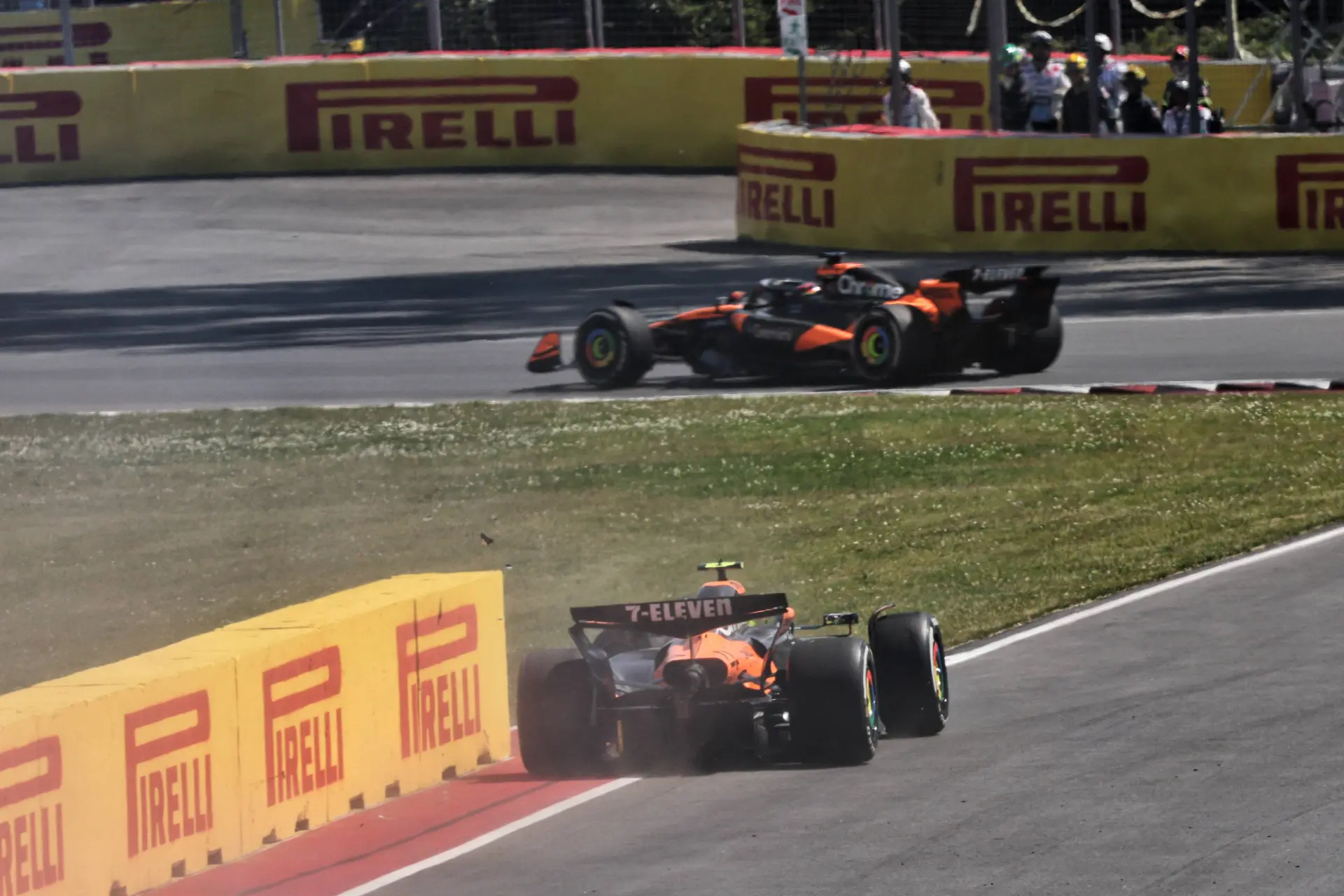
Photo: Race Pictures
2024: Rain Disrupts from the Opening Session
More recently, the 2024 edition of the Canadian Grand Prix served as a reminder that wet weather in Montreal is not a rarity, it is an expectation. A low-pressure front swept in over the city ahead of the weekend, bringing thunderstorms on Thursday and extreme rain showers on Friday. Practice sessions were disrupted throughout, with a rain-soaked FP1 followed by mixed wet and dry conditions in FP2. Even qualifying saw spits of rain that kept teams and drivers guessing right up to the moment the lights went out on race day.
Why Weather Changes Everything in Montreal
ADVERTISEMENT
The Circuit Gilles Villeneuve is already a challenging venue in dry conditions, its long straights, heavy braking zones, tight chicanes and the infamous Wall of Champions demand total commitment. Add standing water, reduced visibility and shifting tyre compounds to that equation, and the complexity multiplies enormously. Teams must balance wet-weather tyre allocations carefully, choosing between full wets and intermediates while reading a sky that can change its mind in minutes.
Weather in Montreal also has a proven history of reshuffling the competitive order. Rain neutralises raw pace advantages, elevates the best wet-weather drivers, and forces strategic decisions under extreme pressure. It is the great equaliser of Formula 1 and nowhere does it apply more dramatically than on the banks of the St. Lawrence River.
As the F1 circus returns to Montreal, one thing is certain: whatever the forecast says on Thursday, it pays to keep one eye on the sky and a palm outstretched to check for rain.
Don’t miss GPblog in Google
Mark us as a preferred source and our articles will appear more often at the top of Top Stories.
Add as a preferred / source on GoogleRead more about:
latest news


Bahrain Grand Prix
Overview
... ...
Practice 1
...
Practice 2
...
... ...
Practice 3
...
Qualification
...
... ...
Race
...
... ...
Practice 1
...
Practice 2
...
... ...
Practice 3
...
Qualification
...
... ...
Race
...
Times are in your local timezone
Rumors
Popular on GPBlog

1
F1 driver set for Bahrain GP back-of-grid start after engine penalty
1616 times read

2
Bottas says F1 drivers don't want to finish season in Italy amid tax threat
1204 times read
3
Back-of-grid start confirmed as three drivers face Sepang setback
1019 times read

4
‘You just have to pay it’: Verstappen responds to F1 drivers’ Italian tax concerns
898 times read
F1-stand 2026
Season
| Pos. | Driver | Team | Points |
|---|---|---|---|
1 | MercedesMER | 302 | |
2 | MercedesMER | 236 | |
3 | FerrariFER | 199 | |
4 | McLarenMCL | 186 | |
5 | FerrariFER | 179 | |
6 | Red Bull RacingRBR | 163 | |
7 | McLarenMCL | 120 | |
8 | Red Bull RacingRBR | 86 | |
9 | Racing BullsRCB | 59 | |
10 | AlpineALP | 41 |
Loading