How the FIA's changes to the Monaco Grand Prix will influence the next race
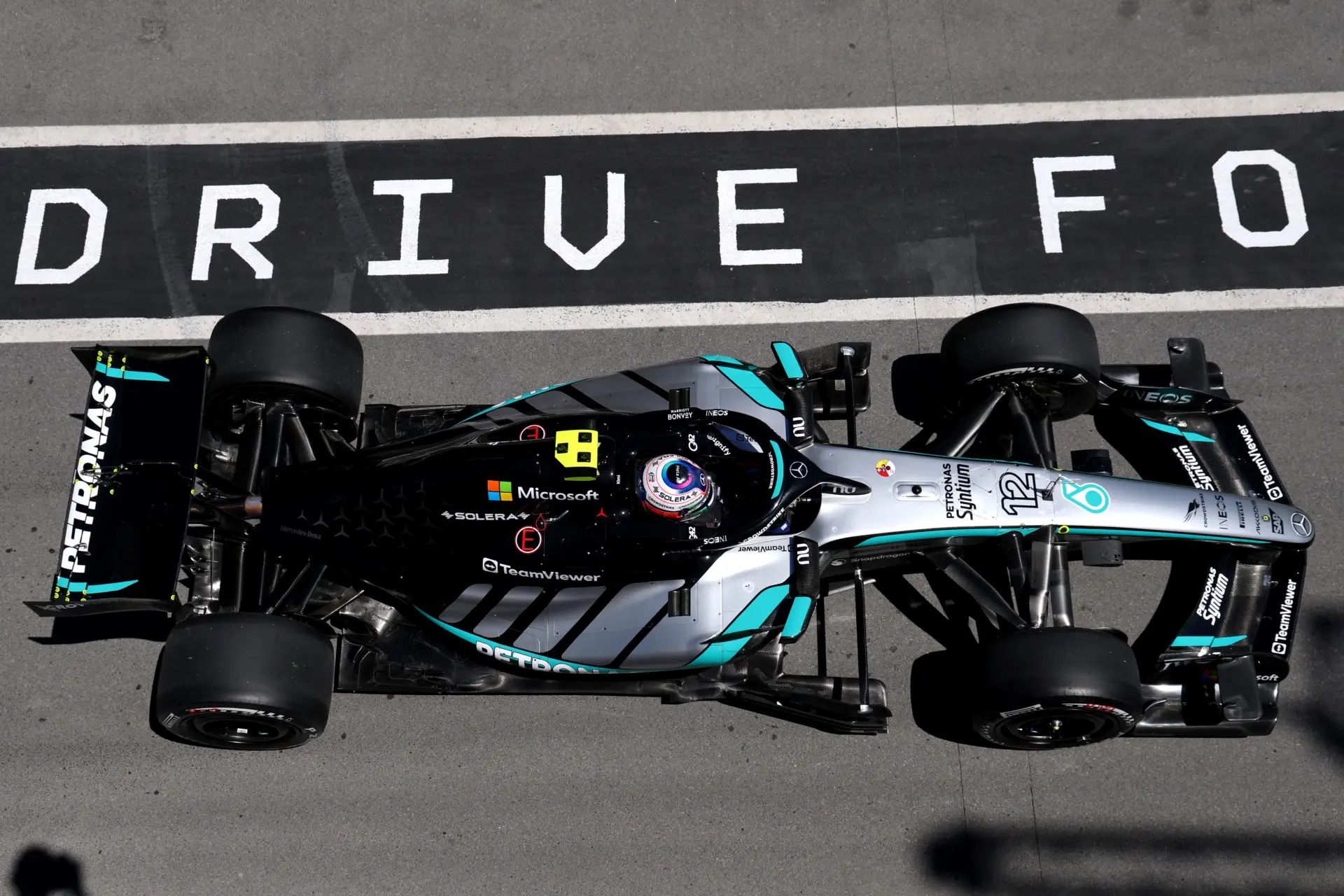
Photo: Race Pictures

Francesco is a technical analyst at GPblog, specializing in the technical side of Formula 1. Through illustrations and analysis, he makes complex components and developments accessible to a wide audience.
For the 2026 Monaco Grand Prix, the FIA has decided to make some specific changes to the regulations to adapt the new generation of cars to the unique layout of the Principality.
Active aerodynamics won’t be available for the whole lap, meaning that cars will run with both the front and rear wing always closed, and a new mode, called “Rev1”, will be introduced to limit the energy deployed by the MGU-K at different speeds.
Starting 1 June, the new compression ratio measurement will also come into force, which will no longer only be performed at room temperature, but also at 130°C, following the controversies that emerged regarding the Mercedes engine. All these aspects could contribute to making the Monaco GP very interesting from a technical point of view, causing a close fight between the top teams. Let’s try to understand why.
No straight mode in Monaco
ADVERTISEMENT
In previous editions, the Monaco Grand Prix has always been seen as a two-faced event: on the one hand, qualifying was one of the most exciting of the season, with drivers grazing the walls trying to squeeze every bit of performance from their cars, but on the other hand, the race has always been one of the least exciting, due to the difficulty of overtaking.
To try to reverse this trend, the FIA has decided to introduce two specific changes to the regulations for this season, with the aim of making the race a little more exciting.
The first change concerns active aerodynamics, which won’t be available for the whole lap, both in qualifying and in the race.
This means that, for the first time during this season, drivers can’t activate the straight mode on any of the straights of the track. This decision has been taken mainly for safety reasons: once the straight mode is activated, the top speed increases significantly, also thanks to the higher power provided by the MGU-K.

Photo: Race Pictures
ADVERTISEMENT
Generally, in fact, the FIA allows the activation of the straight mode in those sections where cars have enough grip and don’t face stability problems, even during the race with higher fuel loads and used tyres. As a consequence, the FIA has usually allowed its use in sections where drivers can effectively take advantage of it to attack and defend.
In Monaco’s case, however, allowing the use of straight mode on the main straight would not have created a greater chance of overtaking but rather, it would have made the situation much more dangerous, especially in terms of grip under braking, with a higher risk of crashes.
A new engine mode to limit top speed and favour racing
The second parameter that has been changed for the Monaco Grand Prix is the energy mode, with the introduction of a mapping called "Rev1" which serves to limit the energy delivery in specific sections of the circuit and at specific speeds.
In Monte Carlo, the MGU-K will continue to deliver its maximum power of 350 kW, but the power output will be adjusted during the derating phase (i.e., when the ICE is charging the battery). Normally, the electric motor can deliver 350 kW up to 290 km/h, but then it begins to reduce its power output: 250 kW at 310 km/h and 0 kW at 345 km/h.
ADVERTISEMENT

Photo: Race Pictures
For the upcoming race, the MGU-K will deliver 350 kW of power at 200 km/h, before reducing to 100 kW at 270 km/h and 0 kW at 300 km/h. This means that drivers won’t need lift and coast to recharge the battery, as the twisty layout with a lot of slow speed corners and braking zones will allow them to recharge the battery quite quickly.
The overtake mode, as a consequence, will have a higher impact than other races to allow drivers to try and attack on the few straights of the track, making the race a bit more exciting than usual.
New compression ratio measurements
Last but not least, another key rule change will take place starting from the Monaco Grand Prix: since 1 June, in fact, the FIA will begin measuring the compression ratio even at high temperatures (130°C), meeting the teams' requests regarding the Mercedes engine, which was said to be capable of reaching a compression ratio of 18:1 at those temperatures. Toto Wolff insisted the amendment would have little impact on the team's competitiveness either way, adding that the German outfit ultimately supported the adjustments to the rules.
ADVERTISEMENT
It will be extremely interesting to see whether Mercedes-powered cars will lose competitiveness in this regard, although Monaco is probably not the best track to evaluate this factor, precisely because the internal combustion engine has little influence there.

Which team will be the quickest in Monaco?
With all these additional elements, it’s interesting to ask which team can potentially have an edge in Monaco this weekend.
For what we’ve seen during the previous races of the season, Ferrari and McLaren should both perform really well in Monaco, but for completely different reasons.
ADVERTISEMENT
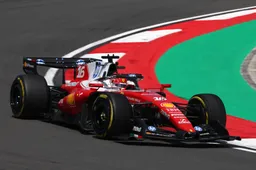
Ferrari has built a very strong car, both mechanically and aerodynamically: as already seen during the last race in Canada, the SF-26 performs very well in the cornering phase, both in low-speed and medium- and high-speed corners. This characteristic means the car is very stable in terms of balance and is able to generate excellent mechanical grip, which also proves crucial in corner management. All these aspects are crucial in Monte Carlo, and Ferrari will undoubtedly be among the most competitive.
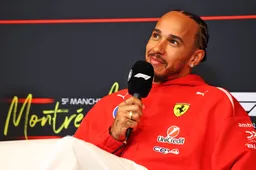
One aspect that could penalize Leclerc and Hamilton, perhaps, is traction: as already seen in Canada, in terms of engine and electrical power delivery, the SF-26 is unable to keep pace with the Mercedes-powered cars, which in the Principality could demonstrate their superiority at the exit of the slow corners before the tunnel and the main straight.

Photo: Race Pictures
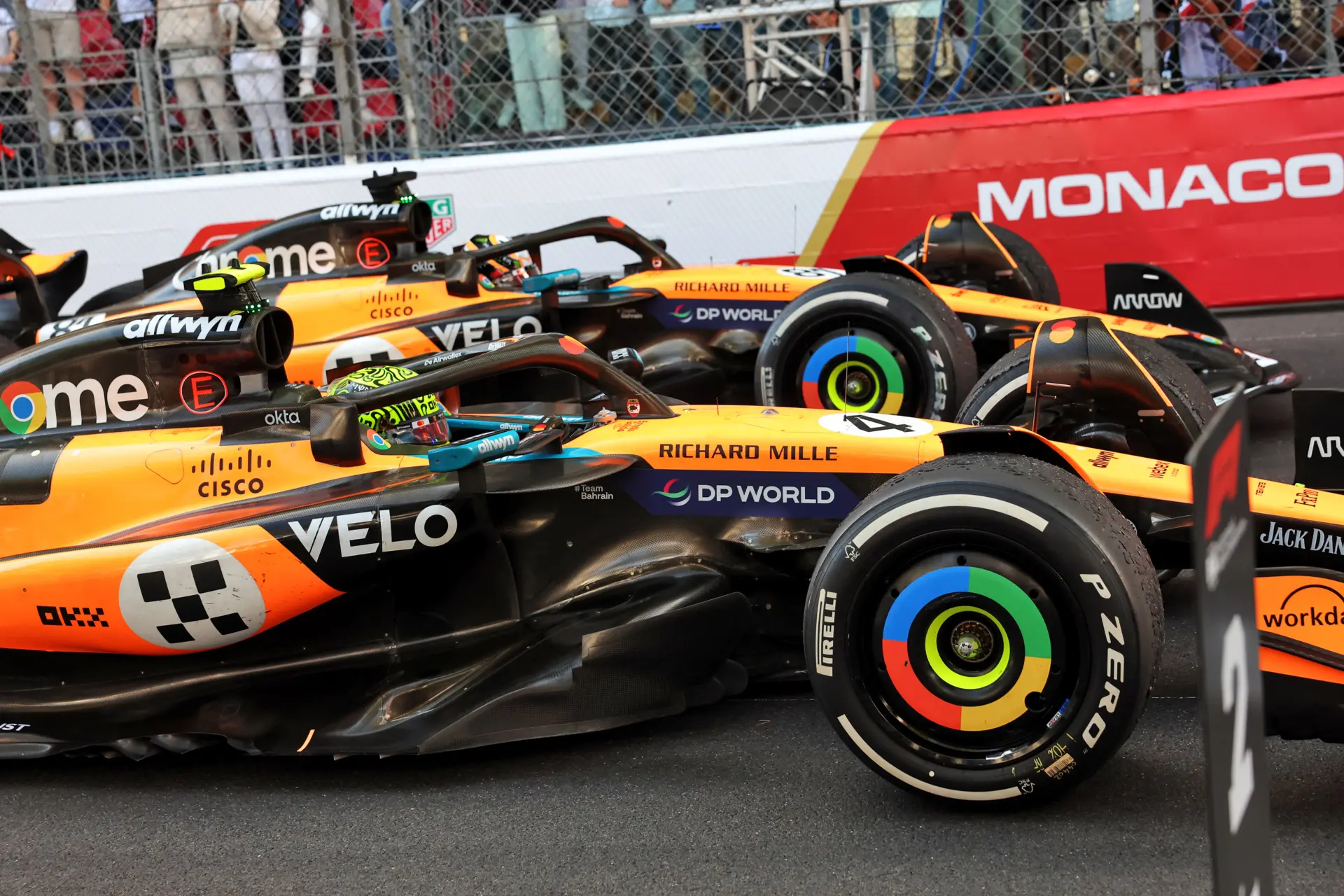
As for McLaren, they've built a car with a shorter wheelbase than Ferrari and Mercedes, and this always proves to be an advantage in slow corners and twisty circuits, as the car is more agile through tight corners.
It's no coincidence, in fact, that the MCL40 performed well in the second sector of Miami, characterized by tight corners and sections where it was useful to be aggressive on the kerbs. For these reasons, Piastri and Norris should have the opportunity to redeem themselves after the disastrous strategy call at the beginning of the Canadian Grand Prix, which effectively took them out of contention for the race victory.
ADVERTISEMENT
Mercedes and Red Bull could struggle a bit more in the Principality: the W17 has proven to be particularly competitive in fast corners and on straights (including traction phase), thanks to the Mercedes engine and the good level of downforce generated by the bodywork.

Photo: Race Pictures
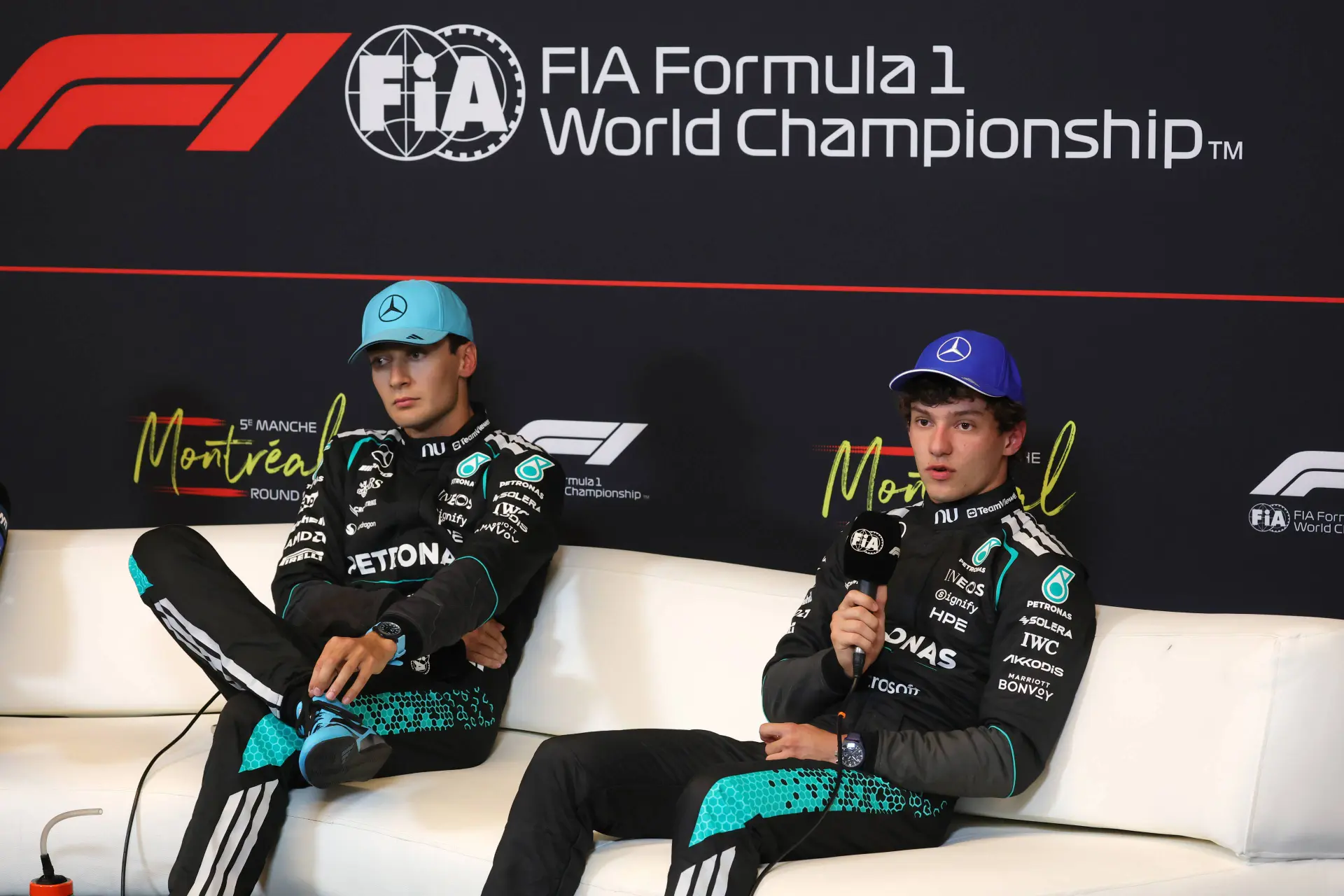
However, Monaco is also such a unique circuit where the driver can often make the difference even with a less than optimal setup, so it will be interesting to see how Russell and Antonelli adapt to these conditions.
As for Red Bull, however, the RB22 seems to be struggling greatly due to a lack of downforce and overall mechanical grip, so it could be a difficult weekend for them. As already seen in recent races, in fact, although they have made progress with the updates introduced in Miami, their car still appears to be a step behind the other three top teams, and this limitation could emerge in Monaco.
Read also

ADVERTISEMENT
Don’t miss GPblog in Google
Mark us as a preferred source and our articles will appear more often at the top of Top Stories.
Add as a preferred / source on Google