Haas shines early in 2026 as Bearman leads surprise midfield charge
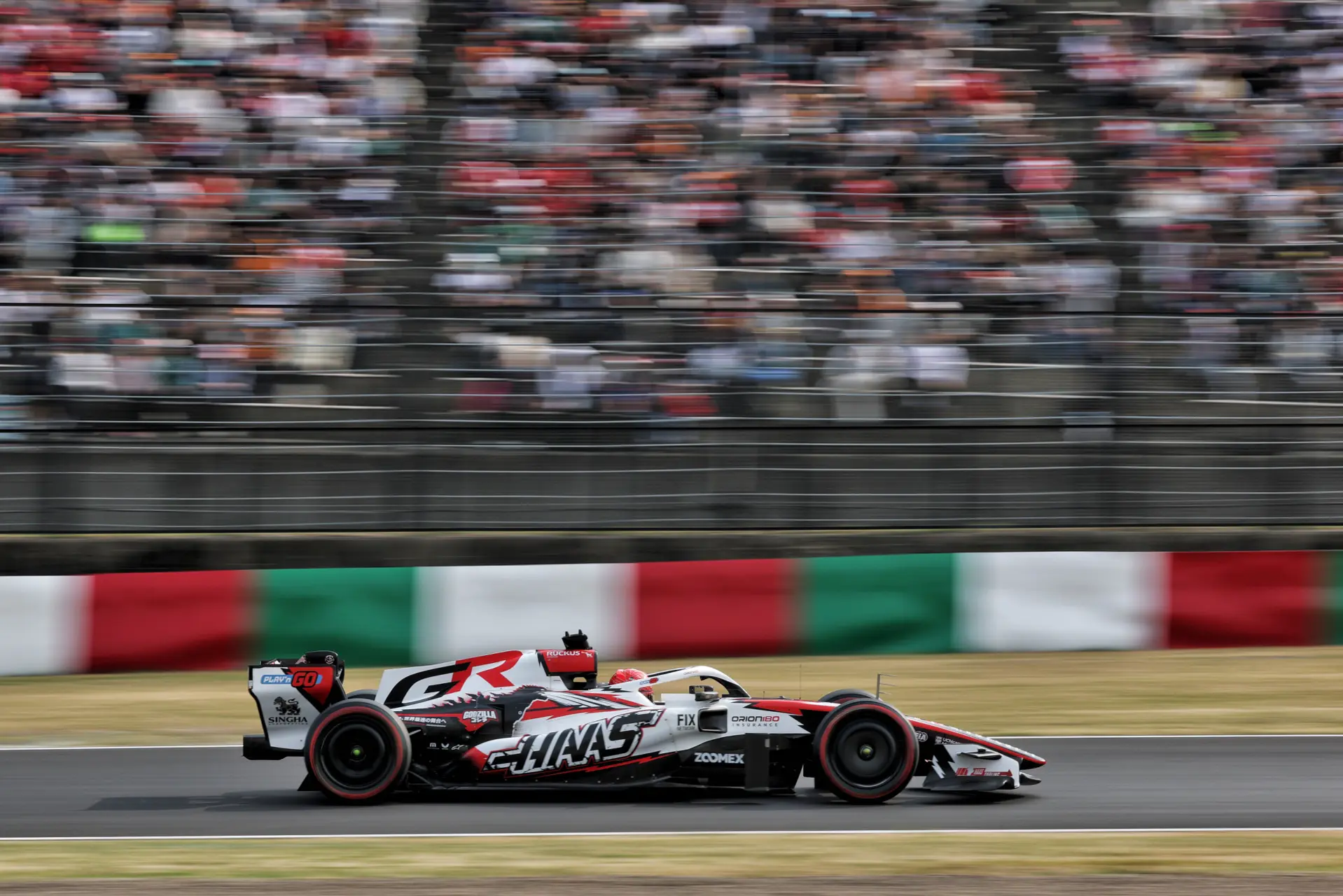
Photo: Race Pictures

Francesco is a technical analyst at GPblog, specializing in the technical side of Formula 1. Through illustrations and analysis, he makes complex components and developments accessible to a wide audience.
Haas has been the surprise of the start of the season, scoring points in all the first three races.
The beginning of the 2026 F1 season has been a dream start for Haas, the only midfield team to score points in the first three races, together with Ferrari and Mercedes.
Bearman managed to finish 7th in Melbourne and 5th in Shanghai, conquering a huge amount of points and allowing Haas to sit in 4th place in the Constructors’ Championship on the eve of the Miami Grand Prix, even in front of a top team like Red Bull Racing.
Let’s try to understand where this performance comes from.
ADVERTISEMENT
A balanced car with a lot of downforce
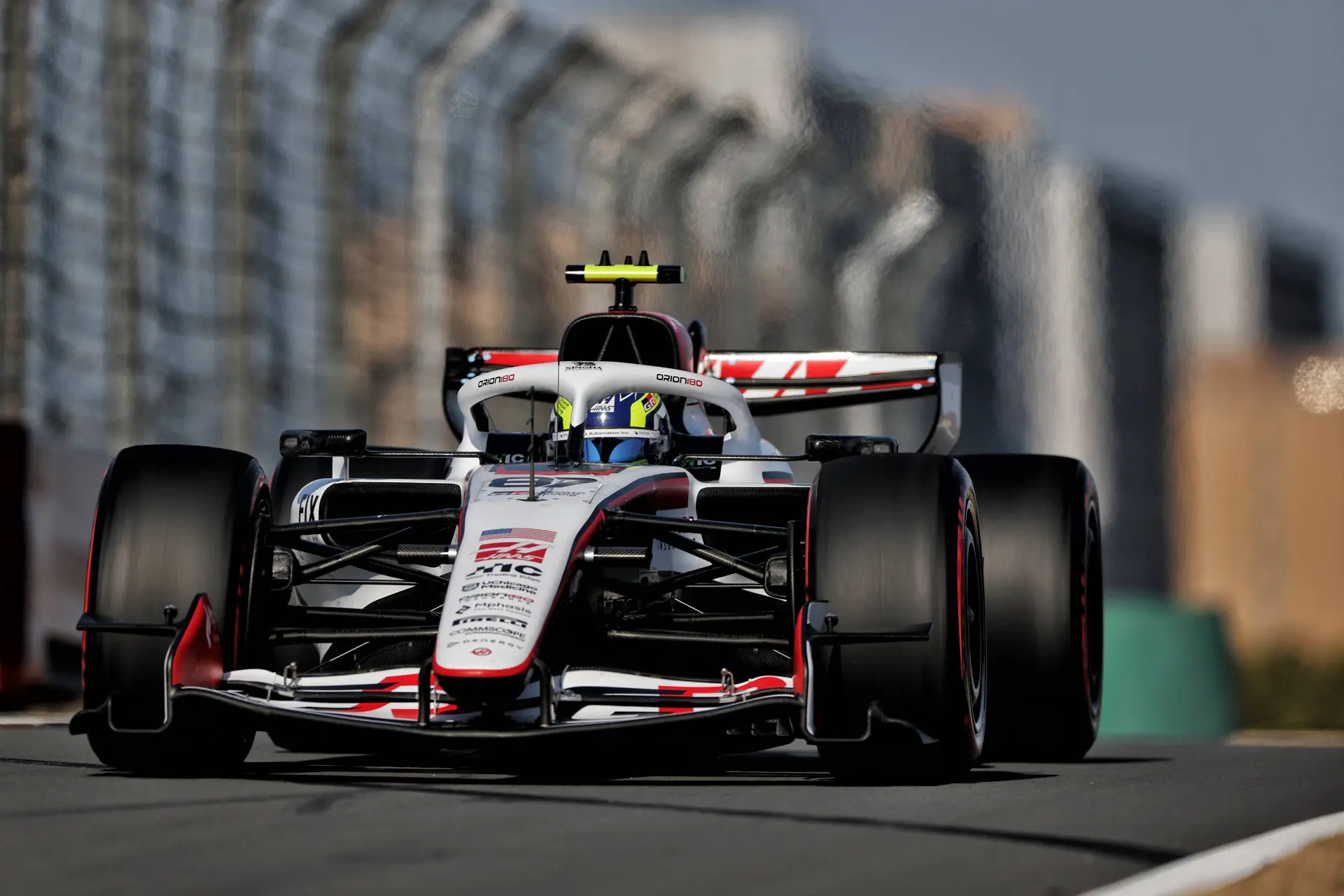
After positively shocking everyone in the paddock during the last few races of the 2025 season, Haas’ Oliver Bearman’s start to the 2026 season has been even more impressive, with a total of 17 points scored in the first three races of the season.
The young British driver has demonstrated that he has made a further step forward in terms of tyre management over the race distance, but it’s the car that really stands out among other midfield cars: the VF-26, in fact, has shown an incredible chassis and aerodynamic platform, which makes it very competitive in both slow- and high-speed corners.
The floor and the bodywork generate a lot of downforce, which makes the car balanced and helps with tyre management at high fuel loads. Bearman, in fact, particularly stood out in the race more than in qualifying, proof that his car has a better behaviour and balance over long distances, which allows him to take the edge over his direct rivals.

Oliver Bearman in Suzuka - Photo: Race Pictures
ADVERTISEMENT
An element the team is still trying to improve is the understanding of the software for the recovery of energy and its deployment throughout the qualifying lap: as it happened during the last weekend in Japan, due to a not perfect set-up and due to some issues with the software, Bearman was unable to get through Q1, despite showing a promising pace during the practice sessions.
At the same time, a similar scenario occurred in Melbourne and Shanghai as well: in China, Bearman managed to qualify only in P10, being out-qualified by both Red Bulls and by Alpine’s Pierre Gasly, despite then finishing the race in front of him on Sunday.
In Australia, even more surprisingly, he qualified in P12, unable to get into Q3, before finishing the race once again in P7.

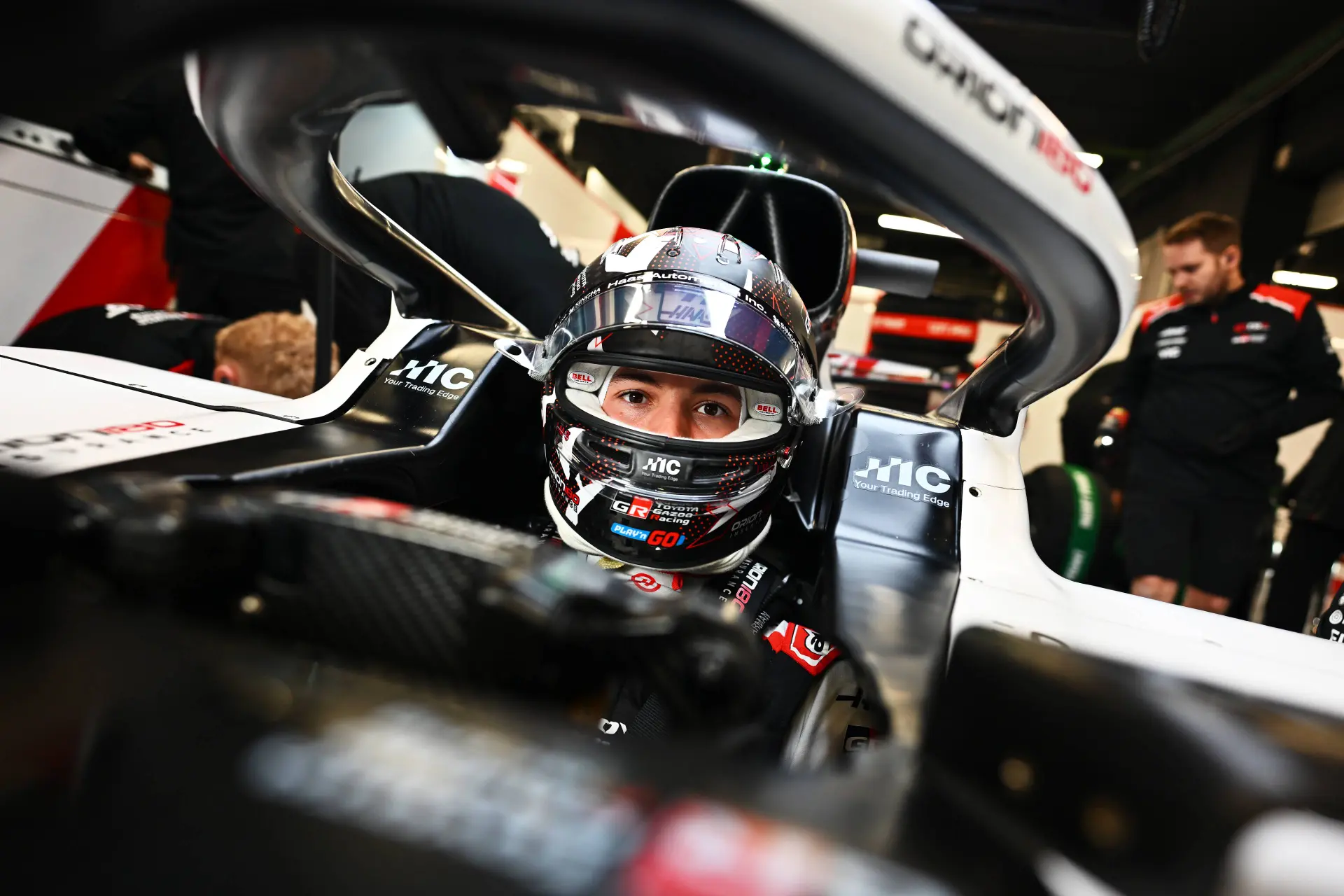
Esteban Ocon during qualifying at the Japanese Grand Prix - Photo: Race Pictures
These surprising statistics are probably caused by Ferrari’s power unit: as also happens to Ferrar, the PU seems to have less horsepower and a less effective energy recovery system strategy compared to Mercedes and Red Bull and this aspect is inevitably exposed during qualifying.
ADVERTISEMENT
The same applies to Haas: due to this lack of power, as well as some minor issues on the software side, the American team is unable to put everything together on Saturday and stay in front of their direct rivals, such as Alpine and Red Bull Racing.
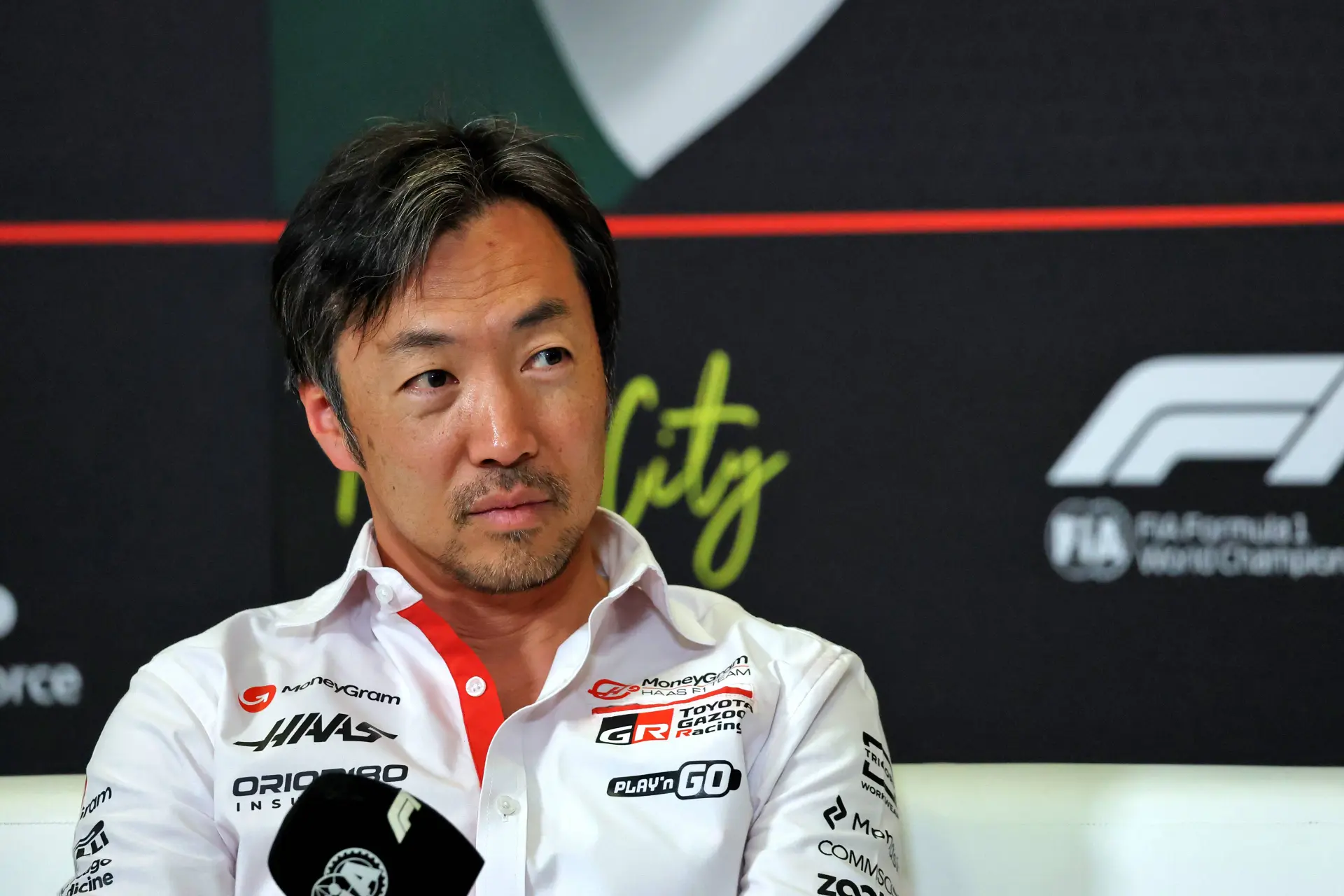
From this point of view, however, the team should focus on maximising the performance from FP1 and find the best set-up for the car, as explained by Team Principal Ayao Komatsu in Japan: “The difficulties we had in qualifying in Shanghai were very specific to that circuit. We need to be on top of things right from FP1, because if you start off on an uphill slope, it becomes very difficult to recover."
“I keep repeating it, but what we've shown so far is that when we start the weekend right, every outing on track teaches you something, makes you improve, and that's how you get the best out of the car and the drivers.”
Read also
ADVERTISEMENT
In conclusion, the good performance shown across different tracks by the American team during the first races of this year has been encouraging, as the car showed a very strong baseline, from both a mechanical and aerodynamic point of view, to build on over the course of the season with upgrades.
From the engine point of view in qualifying, there’s very little the team can do at the moment, but the focus should be to get the most out of the car on Saturday, to then rely on a much more competitive car with higher fuel load on Sunday, which has demonstrated to be Haas’ main strength up until Japan.
Read also
Don’t miss GPblog in Google
Mark us as a preferred source and our articles will appear more often at the top of Top Stories.
Add as a preferred / source on Google