How ExxonMobil’s perfect fuel formulation boosts Red Bull Racing’s performance
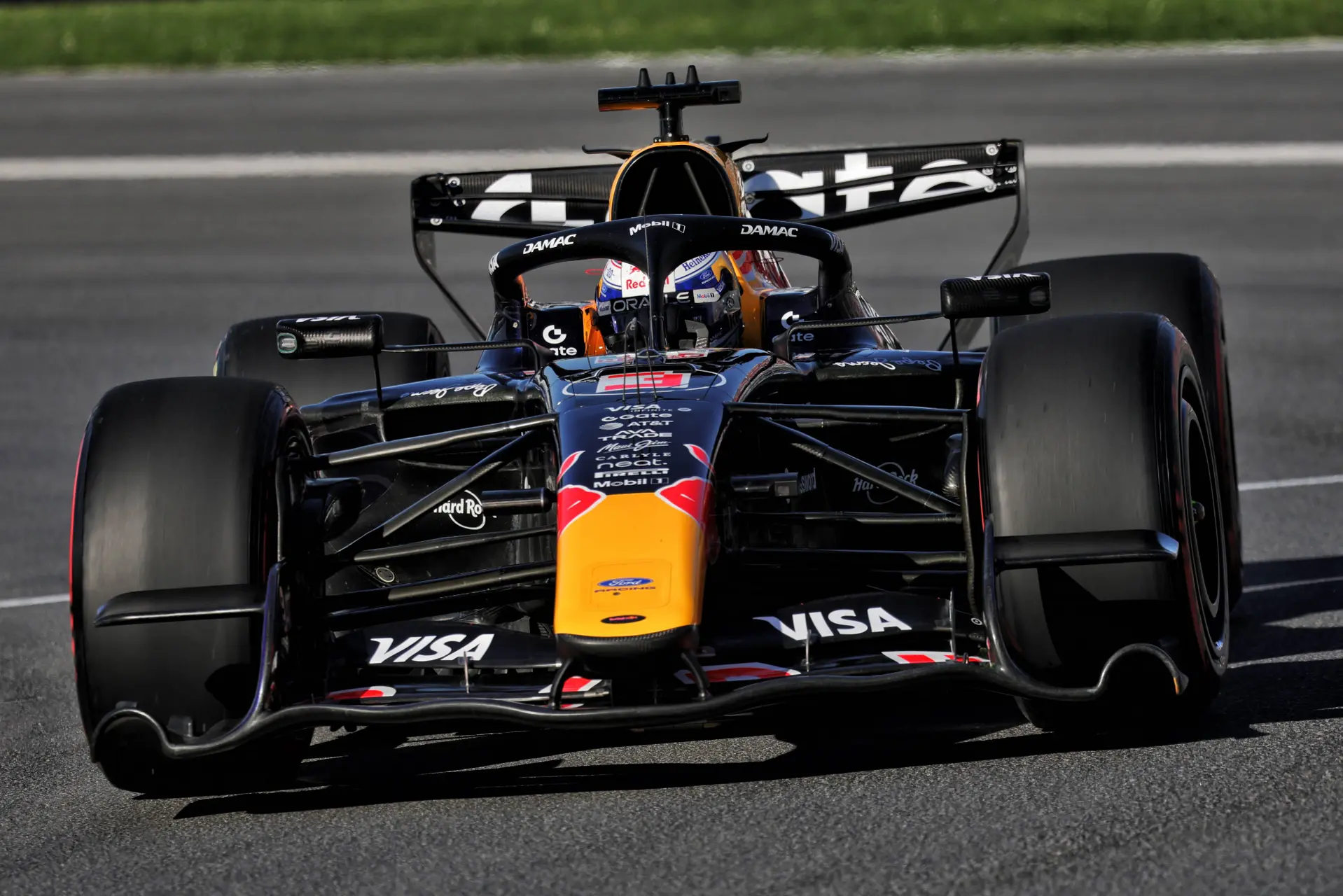
Photo: Race Pictures
Updated:
1 Comments

Shanna is a Formula 1 journalist at GPblog, specializing in both F1 and endurance and GT racing. With a Master’s degree in Journalism and experience at international circuits, she provides in-depth, reliable coverage and insights based on her presence at Grands Prix and racing events worldwide.
The new technical regulation cycle has seen ExxonMobil and Red Bull Racing work diligently behind the scenes for an extended period to develop the ideal fuel formulation. Ensuring the engines run on the correct formula is absolutely crucial.
Especially now, as significant innovation has taken place in the area of F1 fuel. The pinnacle of motorsport is deeply committed to sustainability, and ExxonMobil plays an important role in this. Over the past three years, the fuel supplier has worked intensively on e-fuel.
Why the fuel formulation must be perfect
As the company has already explained to GPBlog, “The 2026 FIA regulations require fuels derived from what is defined in the rules as ‘Advanced Sustainable Components,’ such as municipal waste and second-generation biomass, non-food biomass that do not compete with food sources.”
Fuel has always been a key factor, but now more than ever: “Fuel and lubricants are fundamental design parameters for the power units, shaping its ultimate performance,” elaborates Matti Alemayehu, Global Motorsport Technology Manager at ExxonMobil, further in conversation with GPblog.
ADVERTISEMENT
“Because these engines operate under extreme temperature and pressure, they are engineered around a specific fuel and lubricant package from the outset. The chemistry of that package influences combustion behavior, friction management, and component durability.”
If the formulation is not optimally aligned with the engine, the consequences can be significant, Alemayehu explains: “Effects can range from reduced power output to higher operating temperatures and accelerated component wear.”
Close collaboration with Red Bull and Racing Bulls
For this reason, the development process of the fuel for both Red Bull Racing and Racing Bulls has been extensive. Alemayehu says it took three years, evaluating over a hundred formulations with 75 specialists. The fuel has been fully certified since last year and approved by the FIA.
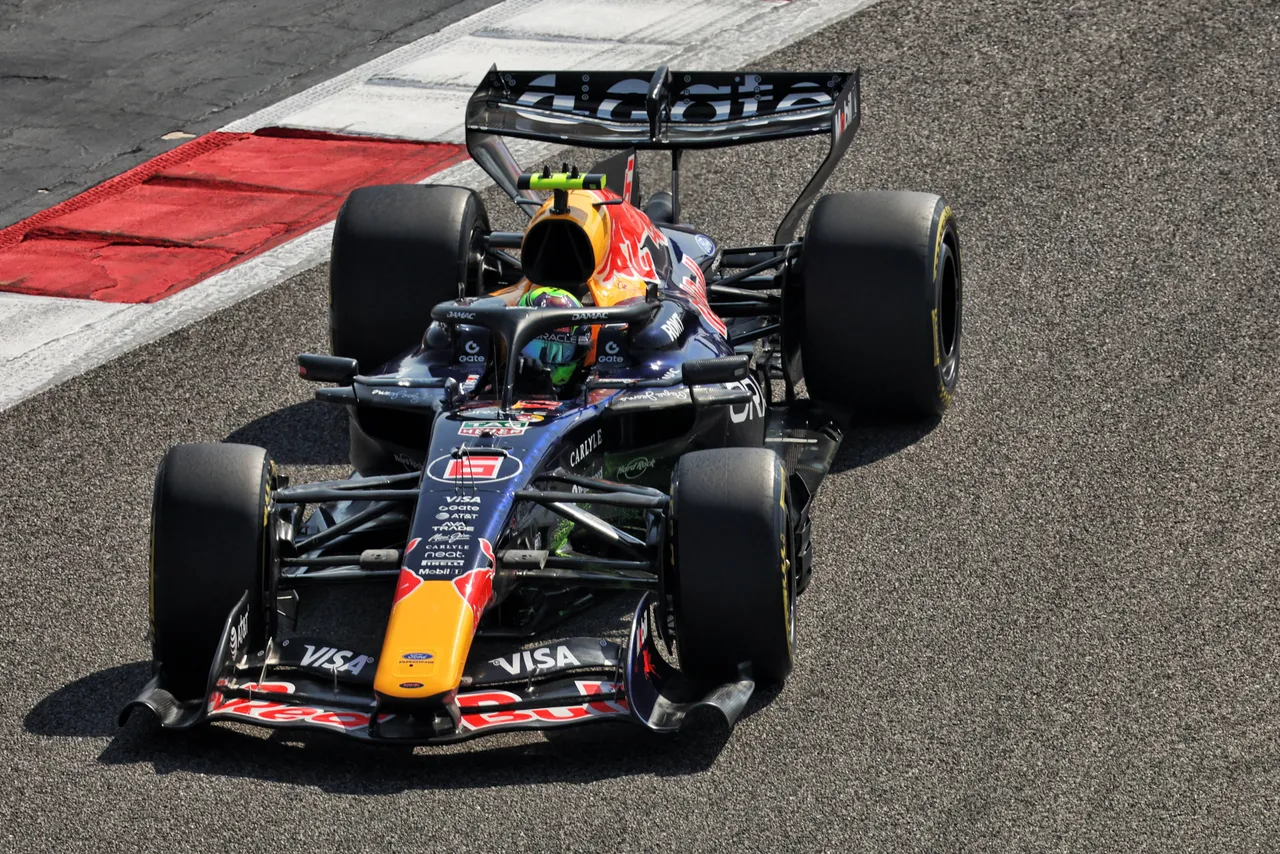
Red Bull Racing and ExxonMobil were ready to take on the season early in the year - Photo: Race Pictures
ADVERTISEMENT
“Its development was the result of a three-year program involving dozens of our scientists, aimed at delivering a formulation precisely aligned with the needs of the 2026 power unit. We have a closeknit, highly collaborative relationship with both teams, driven by a shared dedication to high performance, innovation, and continuous improvement", she continues.
ExxonMobil also has a laboratory at Red Bull’s factory in Milton Keynes, which has strengthened the collaboration even further. “We have been involved at every step toward 2026, with constant dialogue with the team to optimize engine design and enhance performance. This season demands that we achieve more with fewer available molecular options, and that challenge has driven significant innovation in our approach.”
By “fewer molecular options", Alemayehu means that chemists have less freedom regarding the building blocks. Whereas gasoline from crude oil naturally contains a broad mix of hydrocarbons that can be relatively freely adjusted for performance, e-fuel must be built from a more limited set of allowed molecules (such as municipal waste and second-generation biomass), meaning certain components can no longer be used to optimize performance.
A tailored package for customers
ExxonMobil, however, has more than a century of motorsport experience and is constantly innovating. With all its expertise and close collaboration, the company ensured the fuel was approved well before the 2026 season and ready for the challenges of the new F1 year.
ADVERTISEMENT
The oil giant not only supplies products to Formula 1 but also collaborates with popular series such as the Porsche Mobil 1 Supercup and NASCAR. “ExxonMobil’s brands are deeply embedded across global motorsport. In most cases, we develop a bespoke fuel, lubricant, or both, specifically engineered to meet the requirements of the engine in question", Alemayehu explains.
“Motorsports, including Formula 1, serve as proving grounds for our latest innovations. The insights we gain ultimately help shape the products we deliver to consumers on the road.”
Don’t miss GPblog in Google
Mark us as a preferred source and our articles will appear more often at the top of Top Stories.
Add as a preferred / source on Google