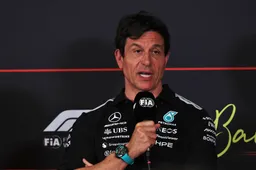
Honda finally confirm Aston Martin engine upgrade timeline ahead of Belgian GP
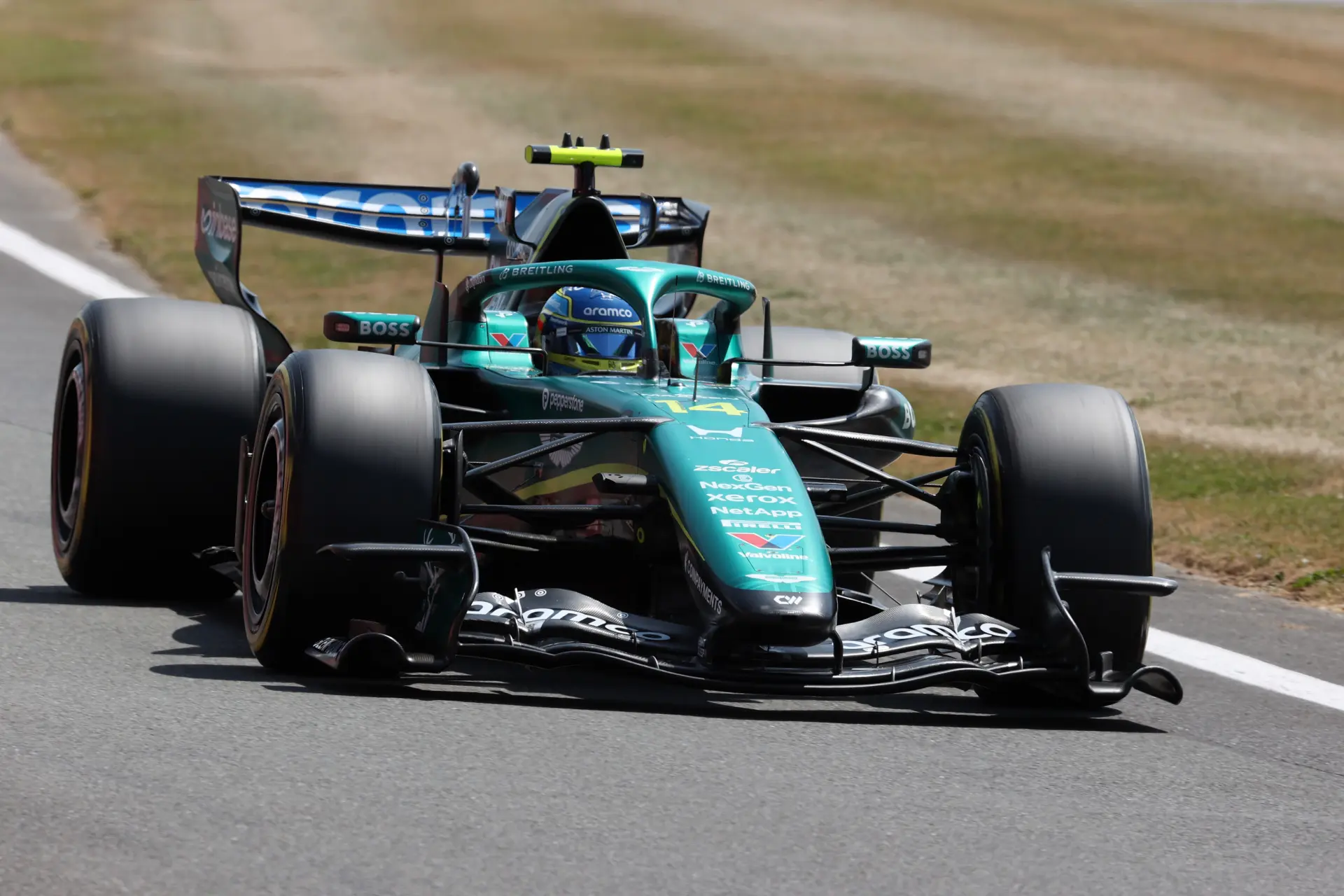
Photo: Race Pictures
Updated:
2 Comments

Henry Eccles is a freelance Formula 1 journalist for GPblog, covering breaking news, live race blogs, and features across the F1 calendar. Since joining in 2026, he has produced high-volume reporting on the sport’s biggest stories, alongside feature pieces including analysis and historical content.
Honda's trackside general manager and chief engineer Shintaro Orihara has confirmed Aston Martin only have "two more races" left to run with a power unit that has caused the British squad so much trouble in the opening stages of the 2026 F1 season.
Although not the only issue plaguing Aston Martin this year, extreme engine vibrations - initially causing pain for drivers Fernando Alonso and Lance Stroll via the steering wheel at earlier parts of the season - have been a chief concern.
While those vibration concerns have largely been dealt with, the AMR26 has still massively struggled for performance and reliability - prior to Stroll's DNF at the Austria GP due to an ERS failure, Aston Martin suffered a double DNF at the Barcelona GP with other power unit-related woes.
A lot of expectation surrounded Aston heading into the 2026 season - after all, off the back of a glorious partnership at Red Bull, both Honda and legendary aero designer Adrian Newey were on board as engine supplier and team principal, with the team also boasting a £200m state-of-the-art factory in Silverstone.
After nine rounds of 2026, however, the team have been battling - and struggling - against newcomers Cadillac at the very back of the grid, with just a single point to their name thanks to a chaotic Monaco GP.
ADVERTISEMENT
Hope is not all lost, though, as Aston Martin have already confirmed a significant update package featuring aero upgrades and weight reduction is on the way for the Hungarian GP - the race after this weekend's action at Spa-Francorchamps. Rather than smaller, gradual upgrades throughout the campaign, Aston have targeted the Hungaroring as the destination where they will introduce a major chassis upgrade.
Honda confirm new engine to be introduced at Dutch GP

Photo: Race Pictures
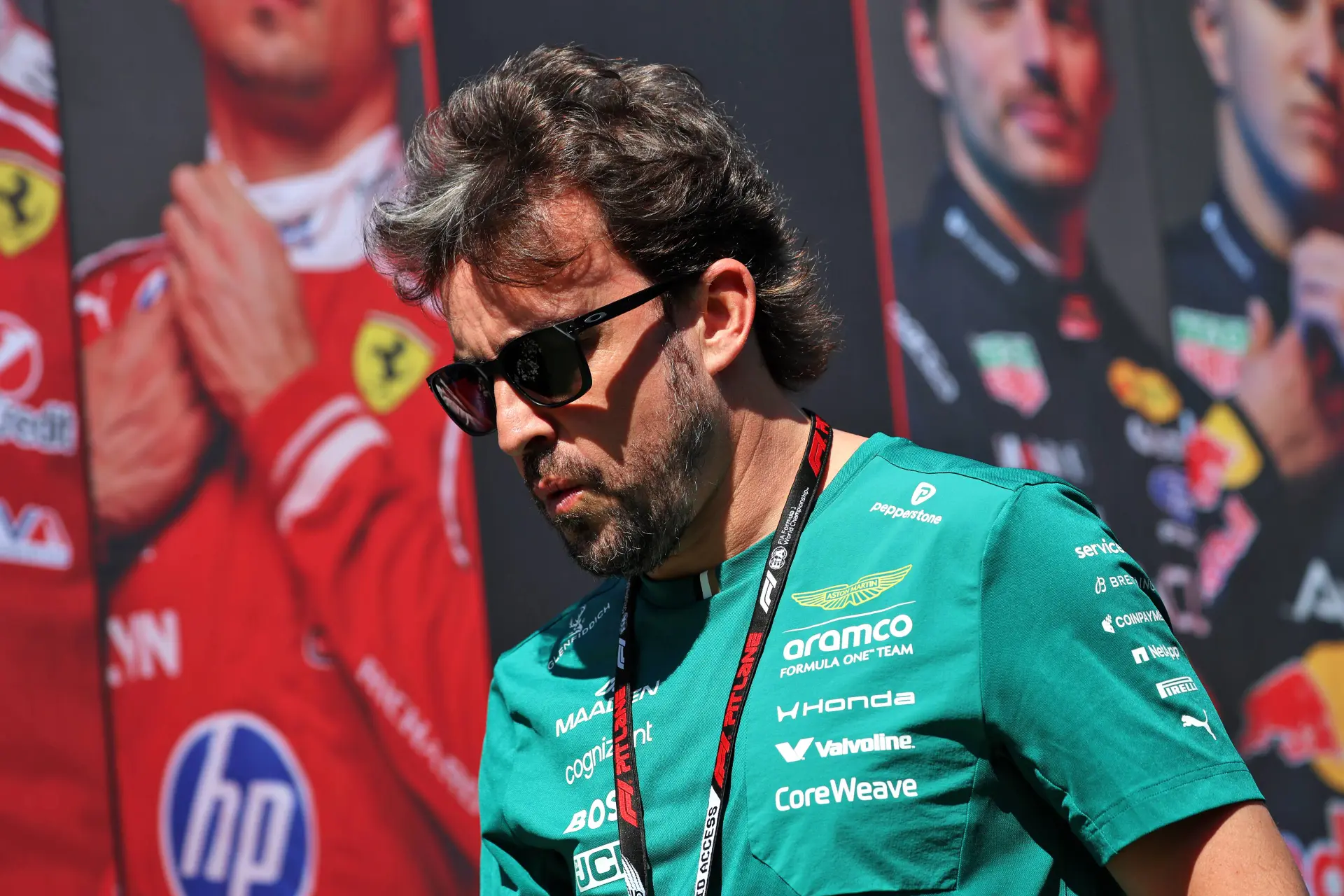
On the power unit side of things, with Aston Martin granted Additional Development and Upgrade Opportunities (ADUO), the team in green will have to wait until after the summer break post-Hungary, with Orihara confirming in his Belgian GP preview that Honda will meet their target of a new engine for the Dutch GP at Zandvoort in August.
ADVERTISEMENT
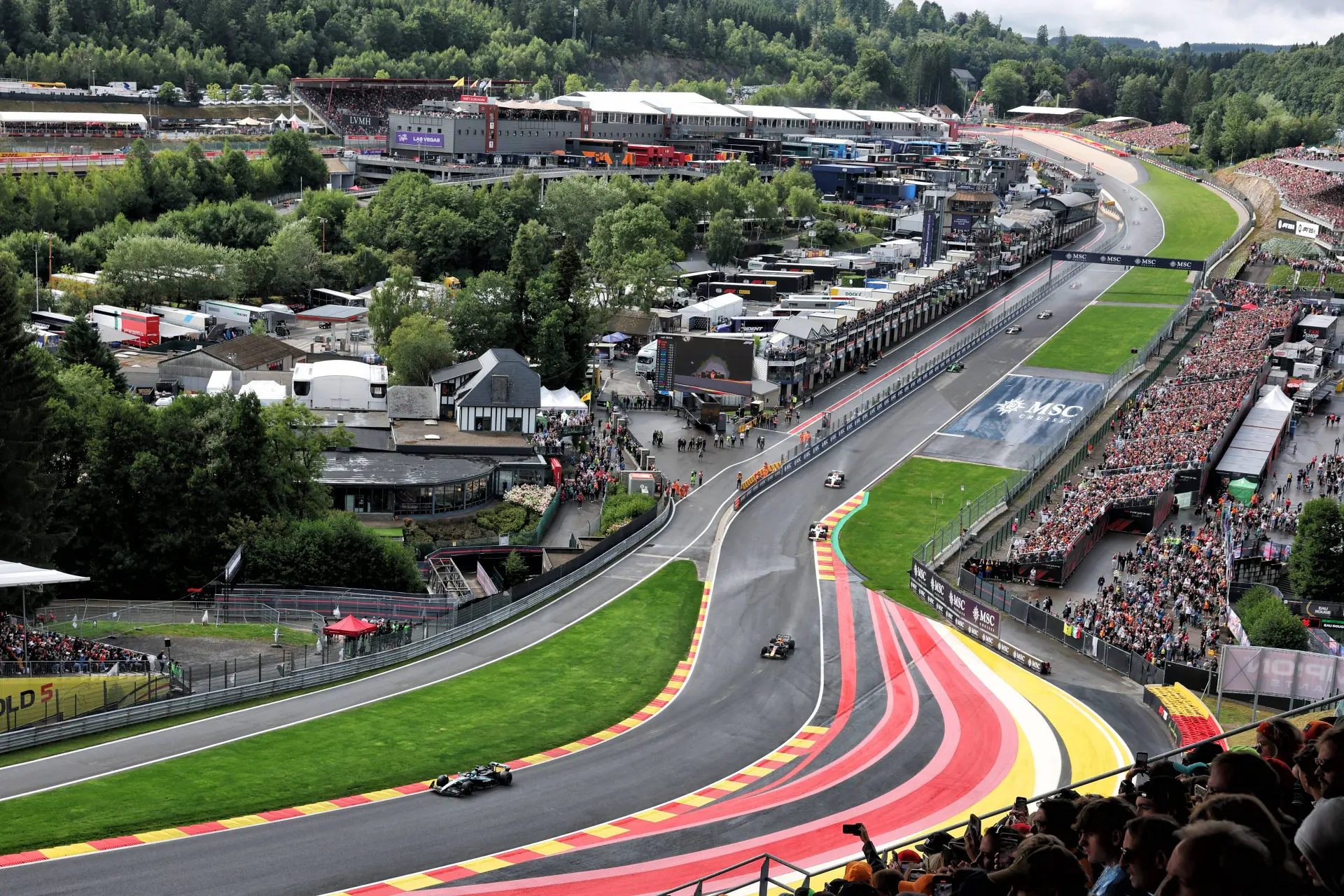
In his preview, Orihara first laid out the challenges that face Honda and Aston Martin at Spa, where energy recovery opportunities are feared to be very slim - the FIA have also confirmed five straight mode zones throughout the Belgian GP circuit.
Orihara said: "Spa is home to the longest track on the 2026 calendar, and it's also one of the most popular amongst drivers and fans. It's a technical circuit for the drivers, with complex corner sections. The combination of long straights and high-speed corners makes it a very challenging circuit for the engineers too, both to predict throttle application and looking at energy deployment over the course of the lap.
"It will be a test for manufacturers in terms of energy management so we need to consider how we will deploy MGU-K power on the long straights. The harvesting here is quite limited, even considering the circuit length. This puts more emphasis on getting the deployment plan right. The straights are also a demand on the power unit in general - not only for performance but also for reliability."
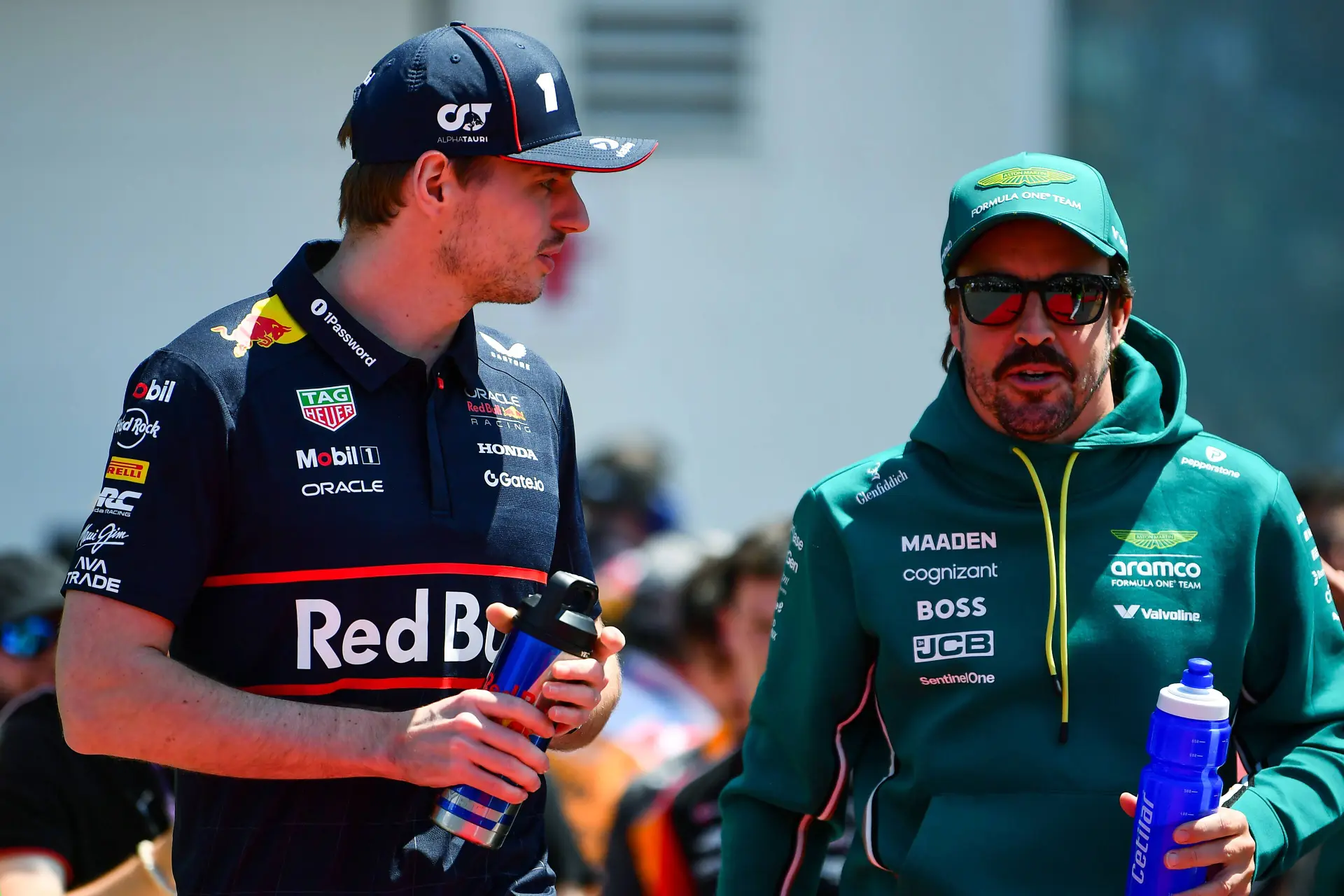
It is here when Orihara confirmed Honda's plan to introduce the new power unit at the Dutch GP, but highlighted the importance of both the Belgian and Hungarian races prior to F1's summer break as opportunities to collect crucial data.
ADVERTISEMENT
Orihara continued: "We have two more races before we introduce the new engine. It's important to keep learning with this current spec, so we can take those energy deployment findings into future races - like Monza, where we also have the long straights.
"An added unknown is the changeable weather conditions at the circuit. At Silverstone it remained dry, so Spa could be the first time where we have proper wet conditions in a session. In terms of the weather, anything can happen here."
Don’t miss GPblog in Google
Mark us as a preferred source and our articles will appear more often at the top of Top Stories.
Add as a preferred / source on Google