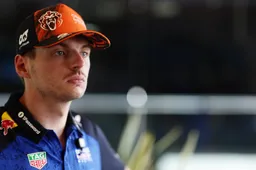
Red Bull reverts to conventional rear wing after Verstappen incidents
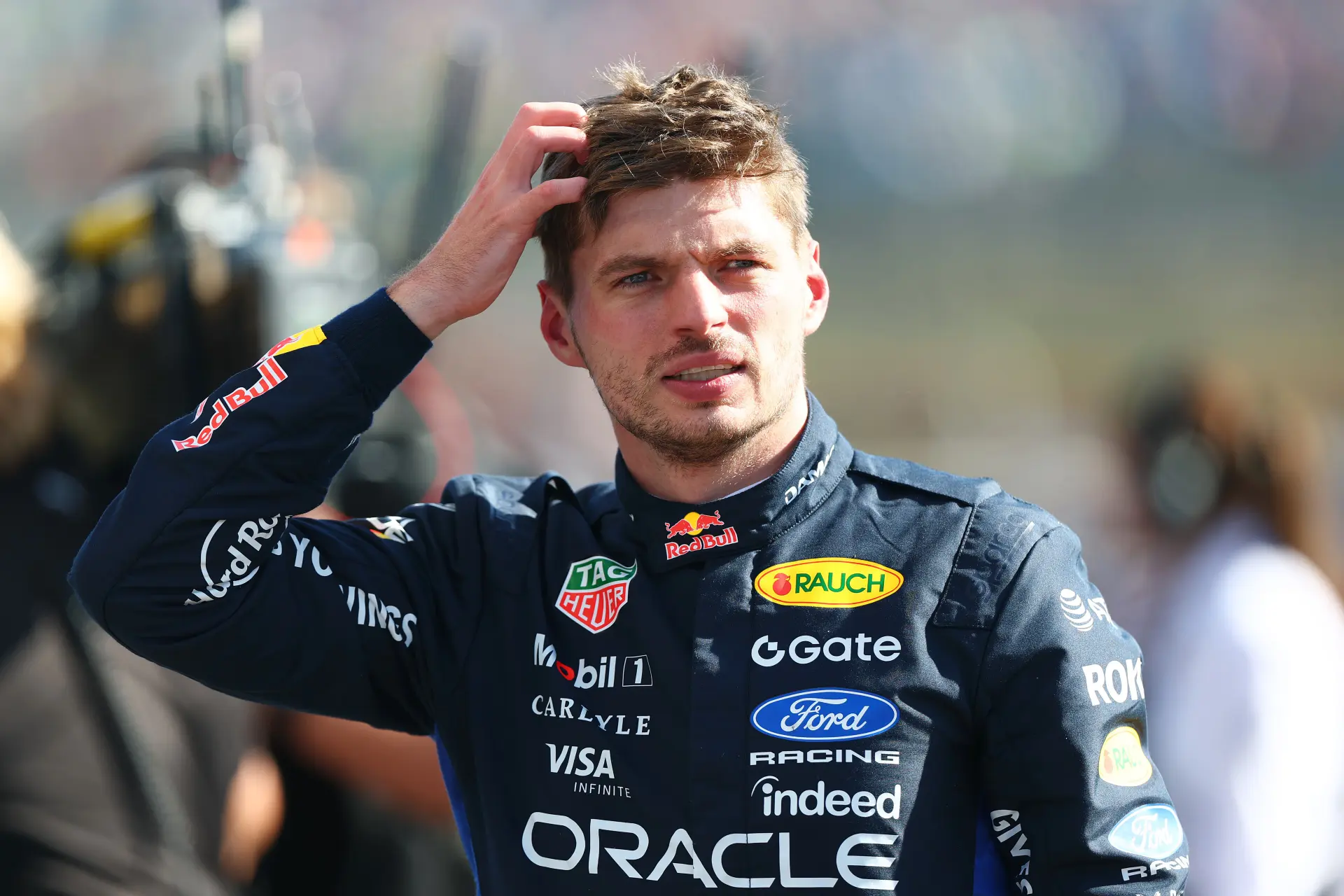
Photo: Red Bull Content Pool
Updated:
4 Comments
Tobia is a Formula 1 journalist at GPblog with experience at international circuits. Since 2022, he has covered Grands Prix across Europe, delivering reliable coverage and insights from the paddock.
Red Bull is reverting to a conventional rear wing for this weekend's Belgian Grand Prix at Spa, GPBlog can confirm, abandoning the 'Macarena' concept first introduced by Ferrari following Max Verstappen's recent double crash in Austria and at Silverstone.
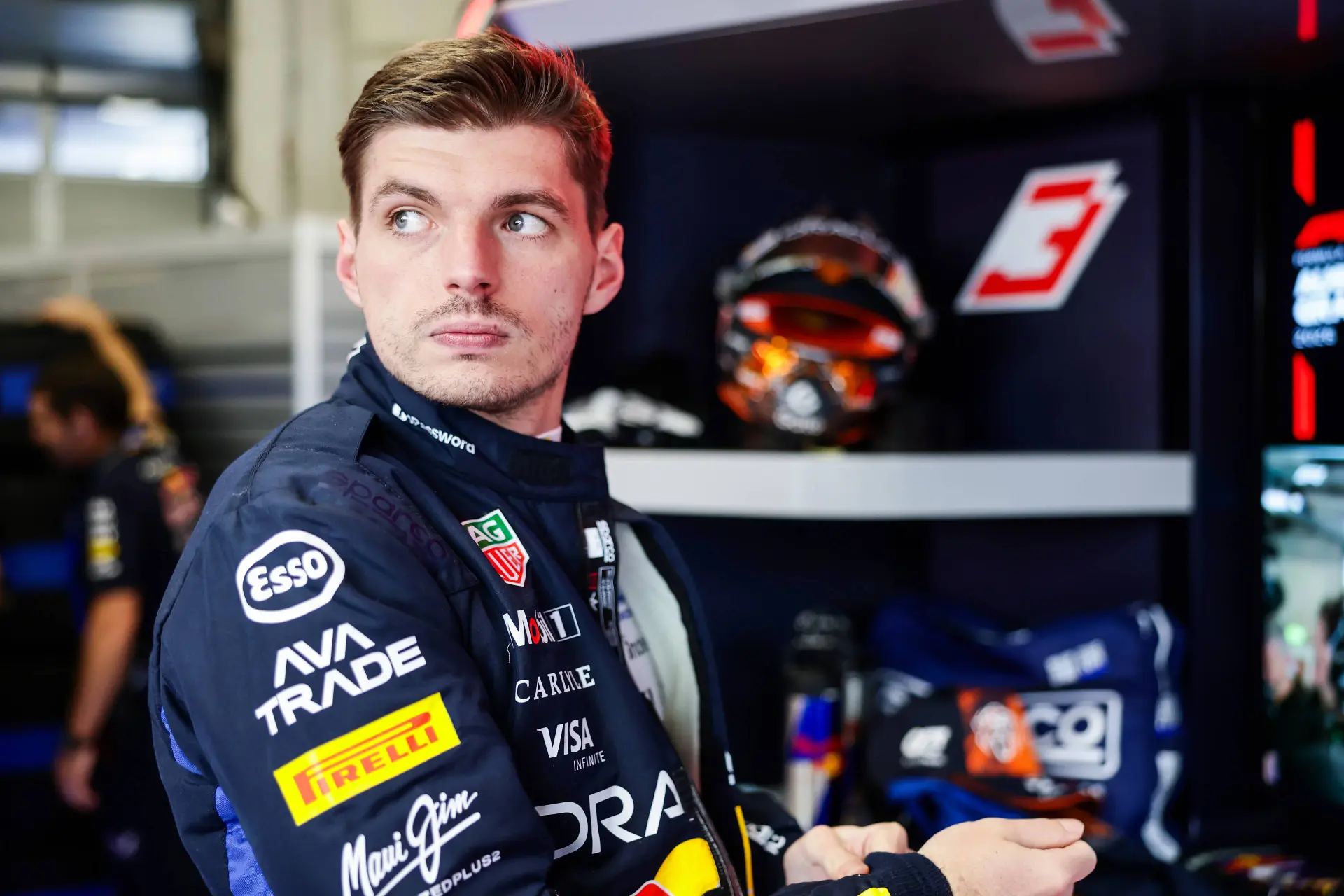
Both at the Red Bull Ring and during the British Grand Prix, the four-time world champion's crashes attracted considerable attention, with Verstappen losing control of his RB22 on both occasions due to a failure in the rear wing's active aero mechanism that left the car undriveable.
Following his crash at Silverstone, Verstappen explained to the media, including GPblog, that the incident had a different technical cause to the one in Austria but resulted in the same outcome, with the rear wing failing to fully reattach while turning into the corner. That sudden loss of downforce caused him to spin off the track.
He later described the issue as very dangerous, stressing that he had been fortunate to escape unhurt in both Austria and at Silverstone, while admitting the repeated failures had become increasingly frustrating: "At that point it's super dangerous because you can really hurt yourself two times. I was lucky in Austria, I was lucky here but that's why you get really fed up with it."

The rear wing of the R22 has caused Max Verstappen problems for two race weekends in a row - Photo: Red Bull Content Pool
ADVERTISEMENT
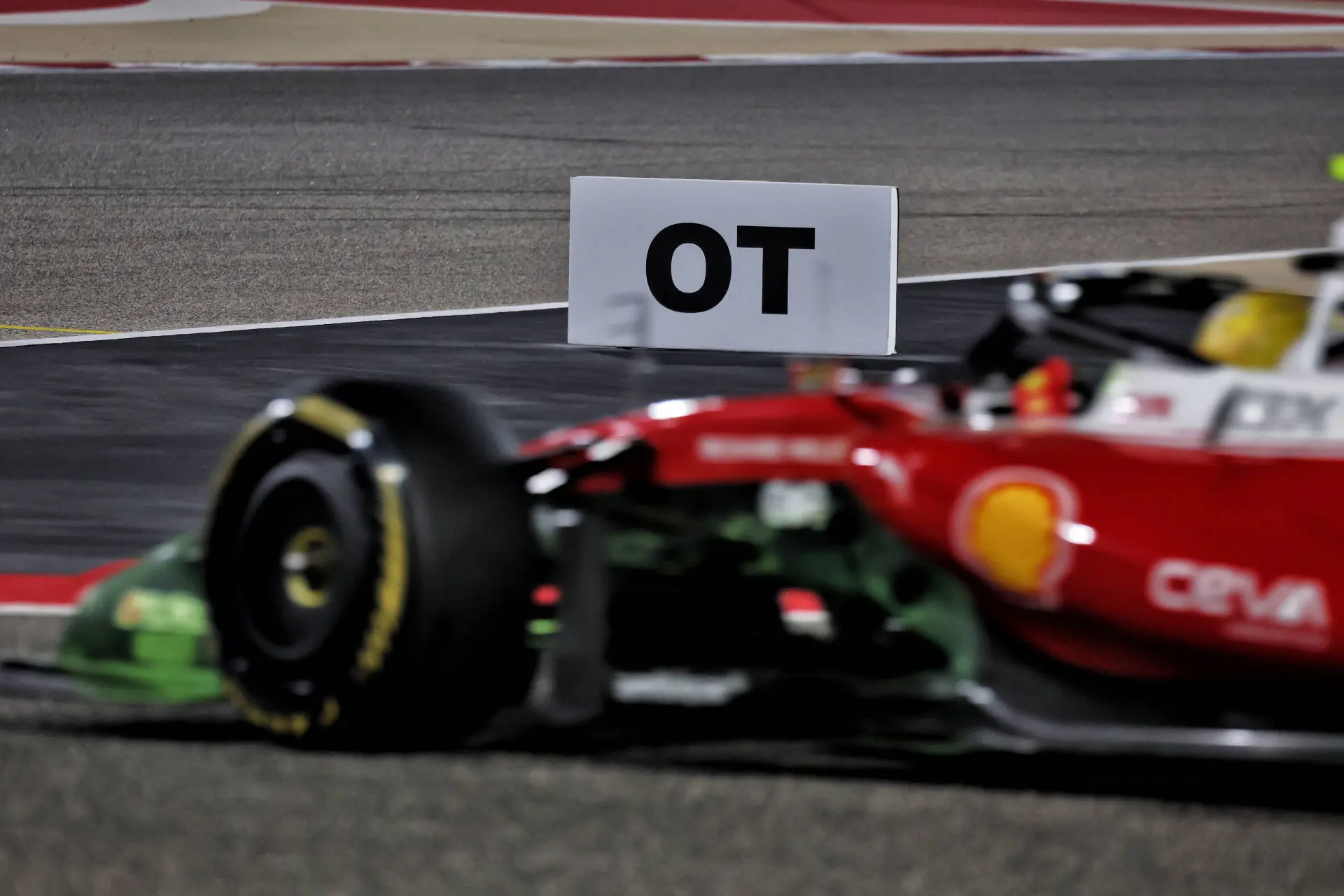
Ferrari was the first team to introduce the so-called 'Macarena' rear wing concept, with Red Bull later developing its own version based on the same principle despite adopting a different design.
The concept allows the upper flap of the rear wing to rotate beyond the opening range of a conventional DRS, cutting drag more aggressively to boost straight-line speed. Rather than operating with a fixed opening angle like a standard DRS, the system reportedly features a continuously rotating upper flap.
To avoid any further issues, Red Bull has decided to revert to a more conventional rear wing flap mechanism for Spa, temporarily shelving the 'Macarena' solution while assessing whether it could be reintroduced later in the season.
Don’t miss GPblog in Google
Mark us as a preferred source and our articles will appear more often at the top of Top Stories.
Add as a preferred / source on Google