F1 team principal insists 'nothing is dead' amid 2027 engine talks
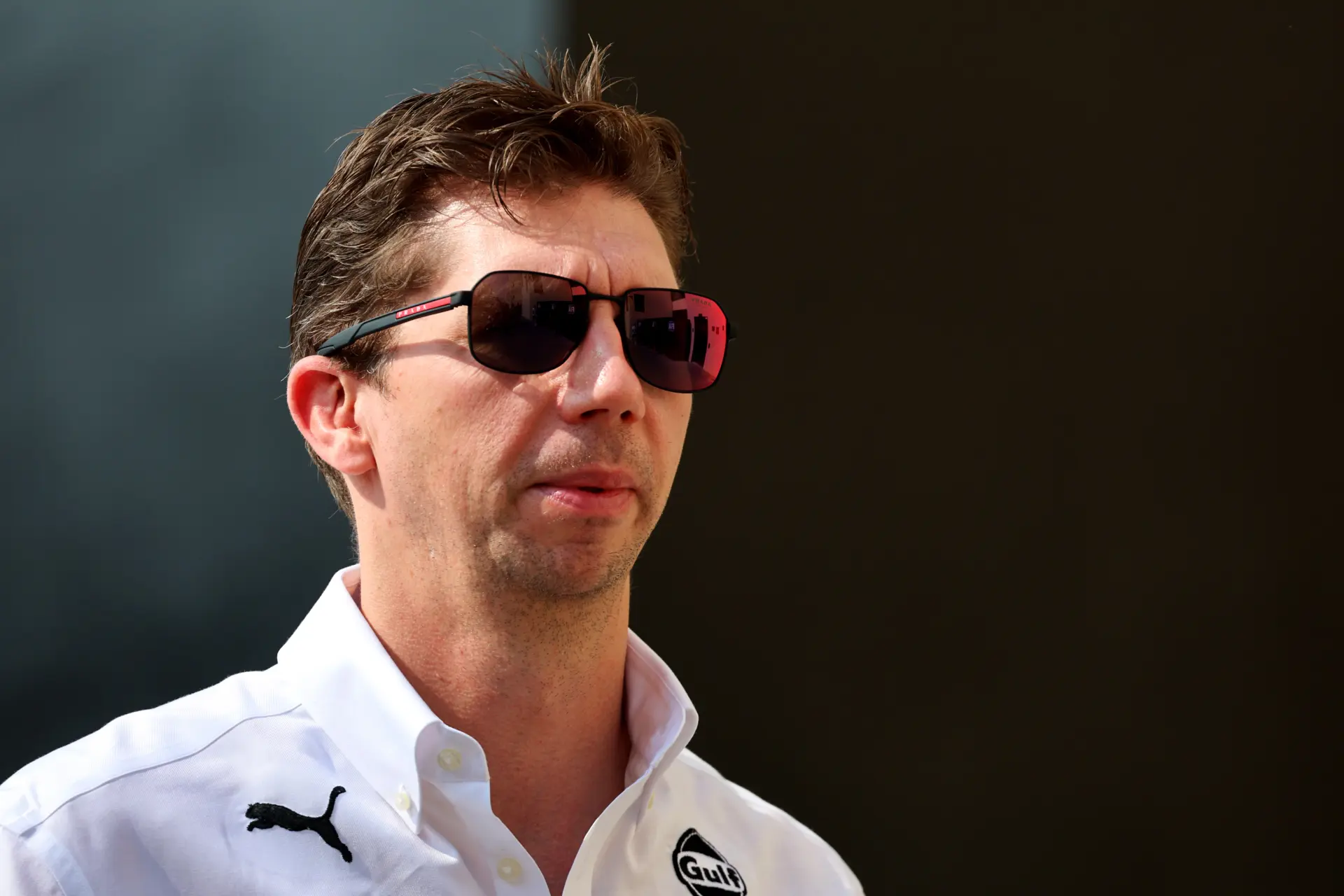
Photo: Race Pictures.
Tobia is a Formula 1 journalist at GPblog with experience at international circuits. Since 2022, he has covered Grands Prix across Europe, delivering reliable coverage and insights from the paddock.
Williams team principal James Vowles has insisted that "nothing is dead" in the ongoing discussions over Formula 1's 2027 engine regulations, despite what initially appeared to be a straightforward agreement on a 60/40 power split now facing growing uncertainty.
What looked like a done deal just a few weeks ago has suddenly become one of Formula 1's biggest political battlegrounds. After the Miami Grand Prix, the proposed move towards a 60/40 split between combustion and electrical power for 2027 appeared to have broad support among manufacturers. However, the proposal is no longer considered a certainty. Ferrari and Audi are both believed to have cooled on the idea in recent weeks, and a negative vote from the two manufacturers would likely be enough to derail the agreement altogether.
Speaking to GPblog among other media in Canada, Vowles emphasised that work on the 2027 regulations is far from over, insisting that all stakeholders remain engaged in the discussions. While acknowledging that there are still areas requiring improvement, particularly in qualifying and other aspects of the racing product, the Brit pointed to several standout races this season as evidence that F1 is already heading in the right direction. According to Vowles, progress is being made, but further refinements are still needed before the sport reaches its desired target.
"We all recognize that we're not where we want to be yet in terms of some of these regulations. No one has disappeared from the table. We still recognize that the racing's actually quite good. I personally think the Miami race was brilliant. Some of Shanghai was brilliant and some of the racing we had this year was brilliant. But we're not flat out on qualifying and we're not quite where we need to be in other aspects of things. I think even here it's slightly better than where we were before. So we're directionally moving the right way, but there's more we need to do.
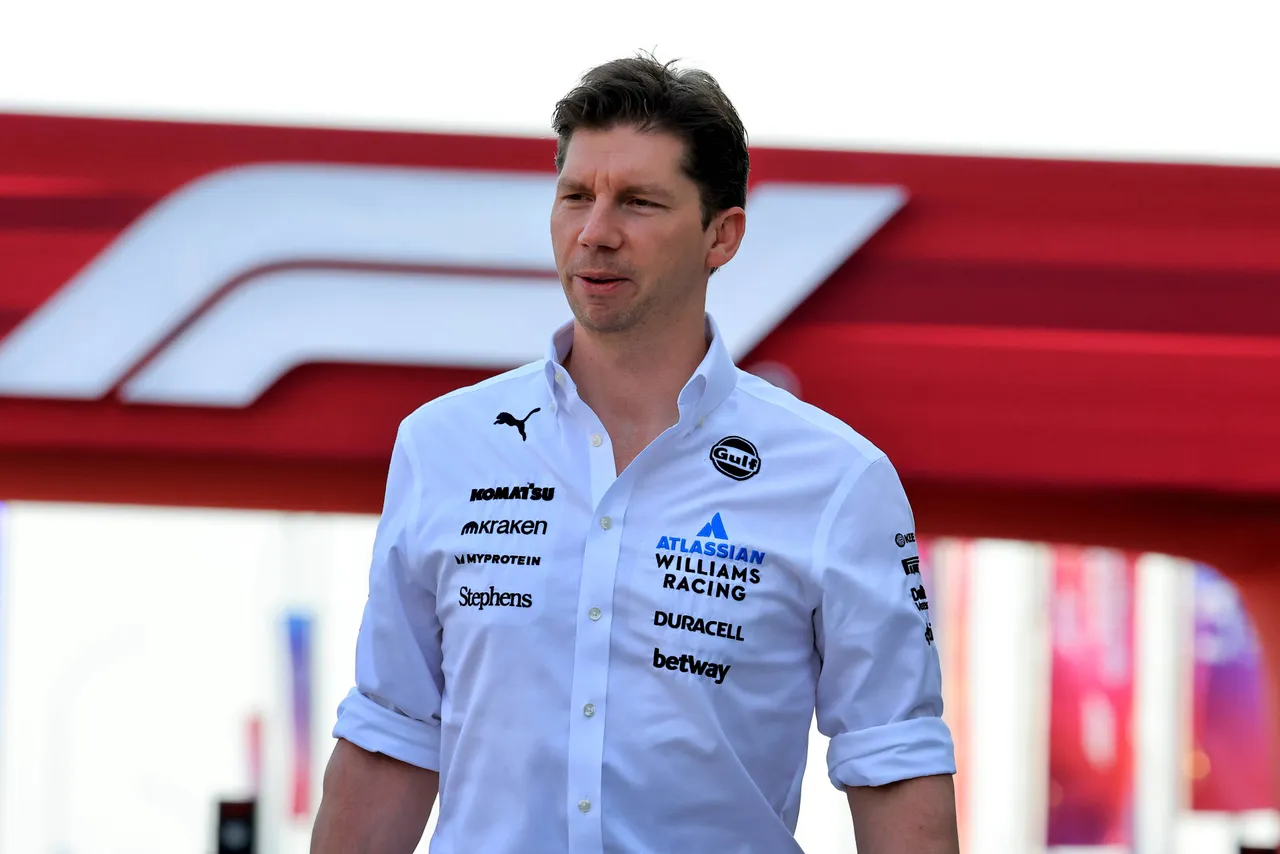
Photo: Racepictures
ADVERTISEMENT
"Now where it got down to was, yes, there's disagreement. A lot of it comes down to some PU manufacturers aren't able to react as quickly to others. And we have to acknowledge that these are very expensive operations and it's very difficult to be ordering your components in a power unit world probably 12 to 18 months in advance, so it's hard for them to directionally change that quickly. But we're still coming back to the table, nothing's dead, it's just a question of making sure we have a balance of what can be achieved by all parties."
Wolff supports Verstappen's call for change to engine regulations for 2027
Following the Canadian Grand Prix, Wolff argued that the latest proposals under discussion could provide a workable middle ground between the various engine manufacturers. The Mercedes team principal believes measures aimed at boosting overall performance and improving energy deployment would help address many of the concerns raised about the future power unit package.

Photo: Race Pictures
"It's easier to talk from my position, but I think the races are pretty entertaining. Obviously Montreal's track layout helps in terms of energy, but I think the changes that we had anticipated, all of us together, in adding more power and maybe helping the energy deployment in the right way, are good changes. They mean a compromise from each of the engine manufacturers, but it looks like a sensible approach. But we haven't voted on them yet."
ADVERTISEMENT
Don’t miss GPblog in Google
Mark us as a preferred source and our articles will appear more often at the top of Top Stories.
Add as a preferred / source on Google