Is James Vowles under pressure at Williams — and could Christian Horner be the answer?
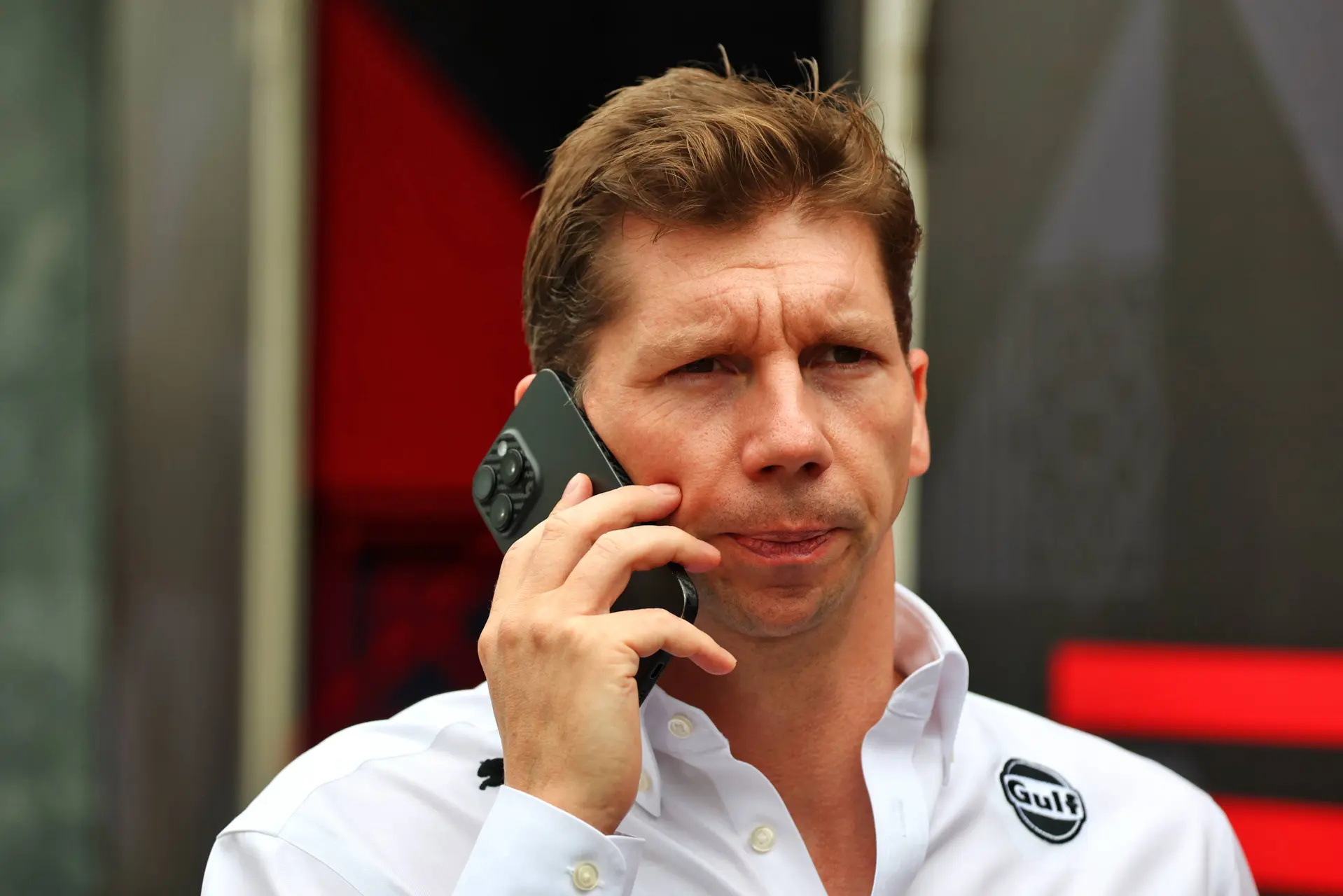

Ben Hunt is an award-winning motorsport journalist with over two decades of experience in Formula 1 and international media. As a former editor-in-chief and bestselling author, he delivers in-depth analysis and strategic insight from the highest level of the sport.
James Vowles has never hidden from the scale of the project he accepted at Williams. When he left Mercedes to become team principal in 2023, he inherited a team at the back of the grid but also an organisation that was years behind Formula 1’s leading operations in systems, infrastructure and processes.
He was open about the antiquated nature of the team and set about making changes that, coupled with an exciting and talent driver line up of Carlos Sainz and Alex Albon promised improvements. The scrutiny increased when Vowels wrote of the 2025 season to say that Williams was focusing its efforts on getting the new era and the 2026 regulations right.
However, Williams’ 2026 season has been a significant setback. After finishing fifth in the Constructors’ Championship last year, the Grove team entered Formula 1’s new regulations hoping its early focus on the rules reset would create an opportunity to close on the established frontrunners.
Instead, Williams missed the Barcelona shakedown, began the year with an overweight FW48 and has spent much of the opening phase of the campaign trying to escape the lower midfield.
With just 11 points from nine rounds, Williams sit eighth in the championship. It is a difference from expectations and has inadvertently placed an unavoidable question over Vowles: is he now under genuine pressure?
The answer is yes, although that does not necessarily mean Williams should make a change.
He was open about the antiquated nature of the team and set about making changes that, coupled with an exciting and talent driver line up of Carlos Sainz and Alex Albon promised improvements. The scrutiny increased when Vowels wrote of the 2025 season to say that Williams was focusing its efforts on getting the new era and the 2026 regulations right.
However, Williams’ 2026 season has been a significant setback. After finishing fifth in the Constructors’ Championship last year, the Grove team entered Formula 1’s new regulations hoping its early focus on the rules reset would create an opportunity to close on the established frontrunners.
Instead, Williams missed the Barcelona shakedown, began the year with an overweight FW48 and has spent much of the opening phase of the campaign trying to escape the lower midfield.
With just 11 points from nine rounds, Williams sit eighth in the championship. It is a difference from expectations and has inadvertently placed an unavoidable question over Vowles: is he now under genuine pressure?
The answer is yes, although that does not necessarily mean Williams should make a change.
Vowles has been remarkably candid about the team’s situation, perhaps more so than most team principals would dare to be. He has detailed how the car build was compromised by the sheer complexity of the new machine, difficult crash tests and a collection of small operational inefficiencies that snowballed into a major problem.
Williams installed new Enterprise Resource Planning and Product Lifecycle Management systems, alongside revised planning structures and working processes, but the 2026 car was the first full build to expose every weakness in those changes. So it was someone inevitable that inefficiencies had only become obvious once the system was placed under pressure. The consequence was that once the programme slipped, Williams had limited capacity to catch up.
In March, Vowels had said the time required to turn an idea into a component remained longer at Williams than at a benchmark team. Yet this is where the argument becomes uncomfortable for Vowles. He has now been in charge for more than three years. If the systems and structures introduced under his leadership have contributed to the 2026 failure, then responsibility cannot be assigned solely to the Williams he found in 2023.
The issue is not that Vowles has explained the problem. In fact, his transparency is a strength and should be applauded, as he explained at length at the British GP. But the issue Williams supporters and owners want to hear less about the scale of the inherited mess and see more proof that the fix is working.
Vowles deserves credit for making Williams attractive again from an investment point of view but the 2026 downturn is damaging because it came after him prioritised this regulation change when instead, it has exposed how far the team remains from operating at the level required to challenge the front four.
Williams installed new Enterprise Resource Planning and Product Lifecycle Management systems, alongside revised planning structures and working processes, but the 2026 car was the first full build to expose every weakness in those changes. So it was someone inevitable that inefficiencies had only become obvious once the system was placed under pressure. The consequence was that once the programme slipped, Williams had limited capacity to catch up.
In March, Vowels had said the time required to turn an idea into a component remained longer at Williams than at a benchmark team. Yet this is where the argument becomes uncomfortable for Vowles. He has now been in charge for more than three years. If the systems and structures introduced under his leadership have contributed to the 2026 failure, then responsibility cannot be assigned solely to the Williams he found in 2023.
The issue is not that Vowles has explained the problem. In fact, his transparency is a strength and should be applauded, as he explained at length at the British GP. But the issue Williams supporters and owners want to hear less about the scale of the inherited mess and see more proof that the fix is working.
Vowles deserves credit for making Williams attractive again from an investment point of view but the 2026 downturn is damaging because it came after him prioritised this regulation change when instead, it has exposed how far the team remains from operating at the level required to challenge the front four.

Could that open the door for Horner?
ADVERTISEMENT
As such, should Vowles come under more pressure and the team seek a replacement, then it could open the door for Christian Horner’s eagerly awaited return to F1.
Horner, paraded like a guest of honour at the recent British GP, has seen his option to return limited. However, that makes him an obvious choice to Williams, not only because of his record, but because he could also bring investment.
Across two decades at Red Bull, he led the team through multiple championship eras, overseeing eight Drivers’ Championship titles and six Constructors’ Championship crowns. He has experience in building technical groups, handling elite drivers and operating ruthlessly in Formula 1’s political environment.
For a Williams ownership group, who it has to be said have been silent, but if they were growing impatient with explanations, Horner would represent an instant statement of intent. His presence could also reassure Sainz, whose two-year deal means he will soon need convincing that Williams remains the right place for his ambitions. The Spaniard has already suggested the team’s difficult 2026 start may delay its hoped-for route to becoming a race-winning force.
Furthermore, Horner has made it clear he would like a role that is more than just team principal, but a role that would see him steer the business side of the operation. His links with Chinese car maker BYD, plus a string of U.S. investors, may well be appealing to Williams to allow them the ability to rival the larger teams when it comes to technology and infrastructure.
For the time being, it is purely speculation but the reality is, Vowles is under pressure because the 2026 car has failed against expectations and because the reasons for that failure are connected to decisions made on his watch. He cannot lean forever on what happened before he arrived.
Still, he has the chance to complete the recovery, provided it starts becoming visible and he can show he is the right man to take the team into 2027. However, if the same problems persist, though, the excuses will be worn thin and the Horner question will only become louder.
Across two decades at Red Bull, he led the team through multiple championship eras, overseeing eight Drivers’ Championship titles and six Constructors’ Championship crowns. He has experience in building technical groups, handling elite drivers and operating ruthlessly in Formula 1’s political environment.
For a Williams ownership group, who it has to be said have been silent, but if they were growing impatient with explanations, Horner would represent an instant statement of intent. His presence could also reassure Sainz, whose two-year deal means he will soon need convincing that Williams remains the right place for his ambitions. The Spaniard has already suggested the team’s difficult 2026 start may delay its hoped-for route to becoming a race-winning force.
Furthermore, Horner has made it clear he would like a role that is more than just team principal, but a role that would see him steer the business side of the operation. His links with Chinese car maker BYD, plus a string of U.S. investors, may well be appealing to Williams to allow them the ability to rival the larger teams when it comes to technology and infrastructure.
For the time being, it is purely speculation but the reality is, Vowles is under pressure because the 2026 car has failed against expectations and because the reasons for that failure are connected to decisions made on his watch. He cannot lean forever on what happened before he arrived.
Still, he has the chance to complete the recovery, provided it starts becoming visible and he can show he is the right man to take the team into 2027. However, if the same problems persist, though, the excuses will be worn thin and the Horner question will only become louder.
Don’t miss GPblog in Google
Mark us as a preferred source and our articles will appear more often at the top of Top Stories.
Add as a preferred / source on Google