
Francesco is a technical analyst at GPblog, specializing in the technical side of Formula 1. Through illustrations and analysis, he makes complex components and developments accessible to a wide audience.
Mercedes dominated the first day in Shanghai, while Ferrari had to set aside the ‘Macarena’ rear wing due to instability issues in FP1.
The first Sprint qualifying of the season once again highlighted a very dominant Mercedes, which locked out the front row for tomorrow’s Sprint. Behind them, McLaren and Ferrari were closely matched, while Red Bull Racing struggled more this weekend, finishing even behind Pierre Gasly in SQ3.
With Ferrari shelving the ‘Macarena’ rear wing after FP1 issues, and with super-clipping still proving problematic despite the very different track layout, let’s break down the technical themes that emerged from the first day of action in Shanghai.
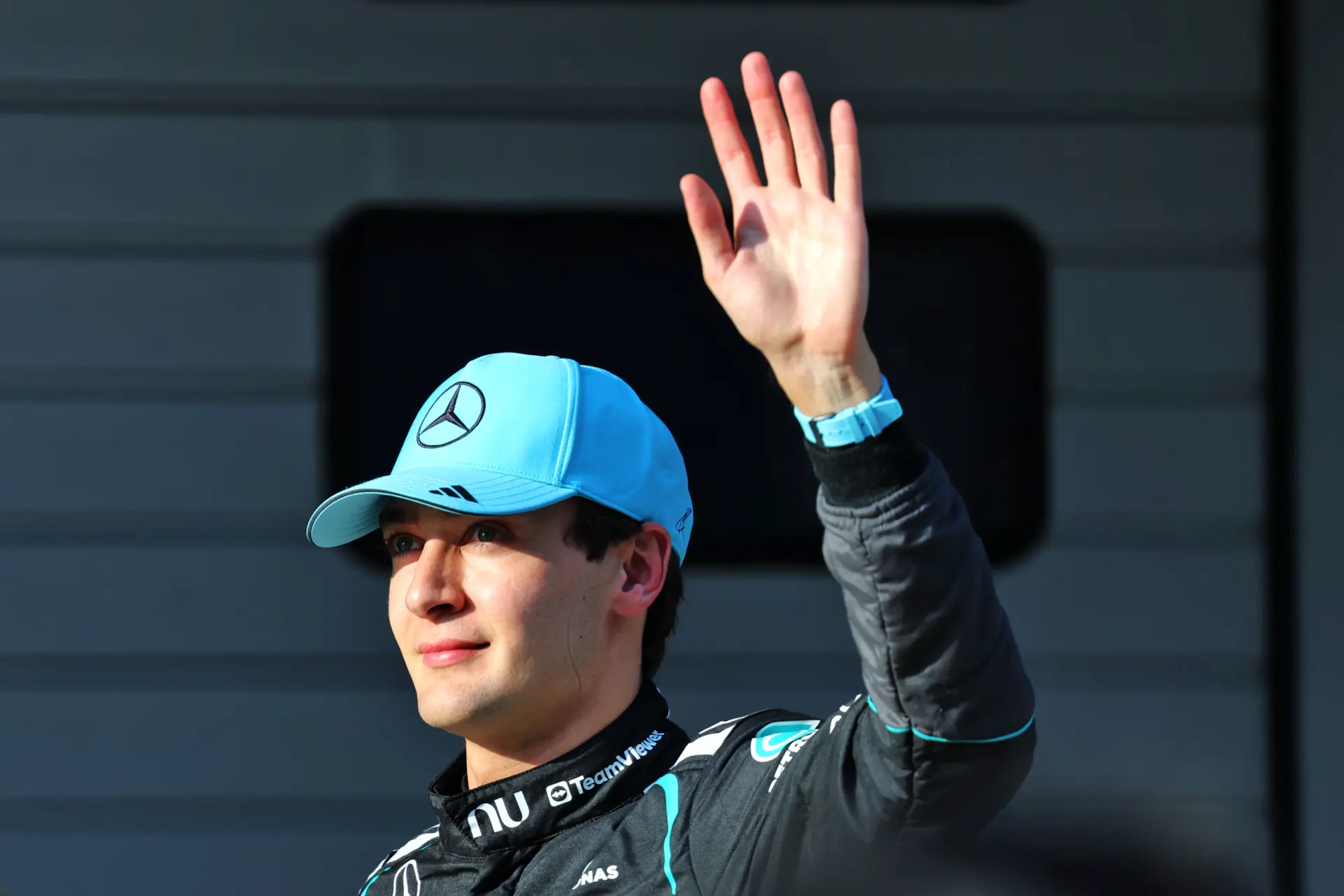
Mercedes dominates, McLaren in front of Ferrari
ADVERTISEMENT
The different track layout and battery recharge strategies didn’t change the scenario that emerged in Melbourne, with Mercedes able to dominate both during the single practice session as well as during the Sprint qualifying.
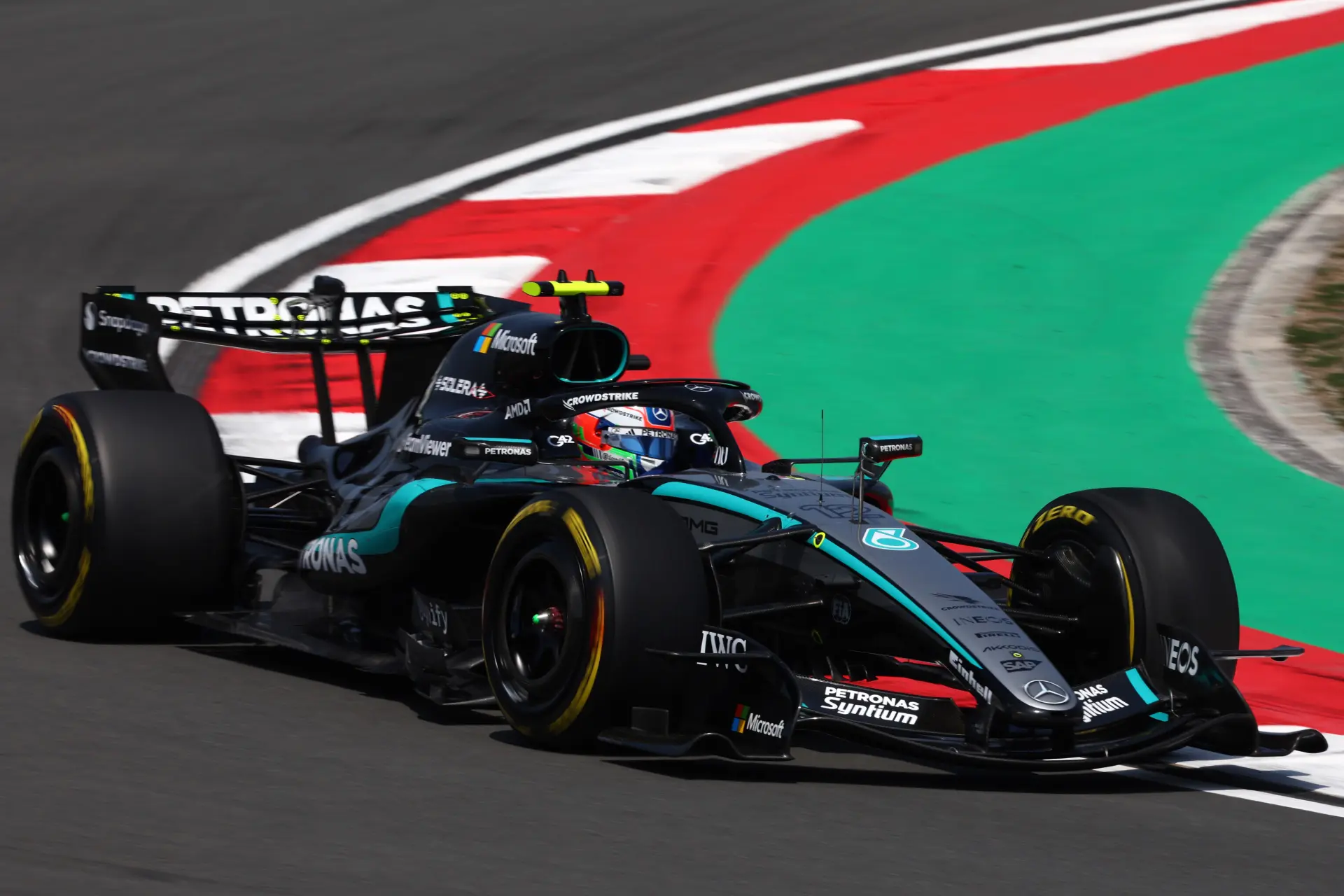
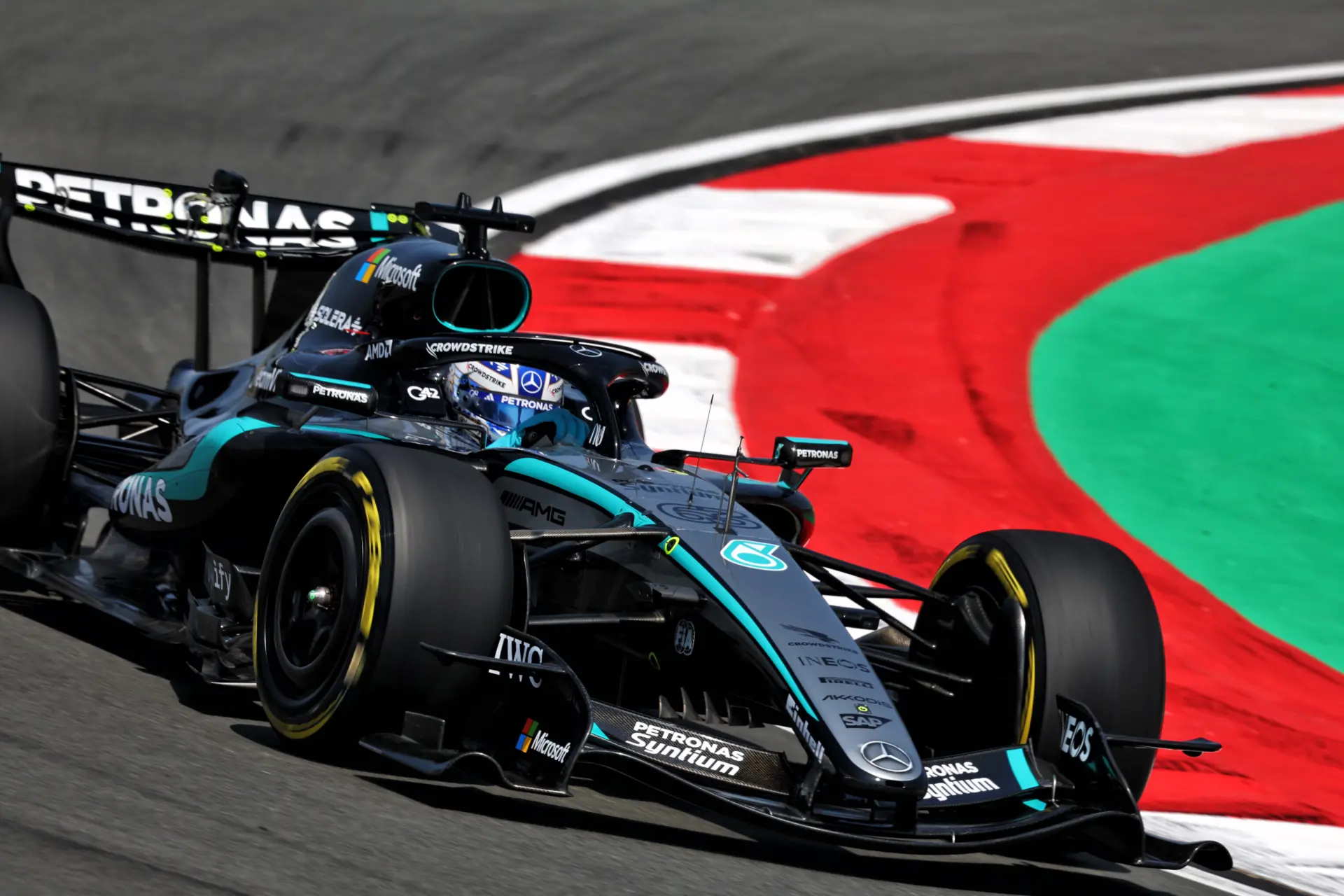
Beyond the engine advantage, which allowed Antonelli and Russell to gain time on their competitors on the long back straight, the W17 once again demonstrated that it has a very good chassis and a stable aero-mechanical platform.

Antonelli during the Sprint qualifying in China - Photo: Race Pictures
Both drivers, in fact, had a much more stable car through the Turn 1–2 complex and the technical section of sector 2, proof of a very strong balance and easy drivability, which inevitably translates into performance.
This strength, combined with the energy-recovery software developed in Brixworth, put the two Silver Arrows in a category of their own during qualifying, allowing Russell and Antonelli to easily lock out the front row, with an incredible 0.621-second advantage over Norris in third place.
ADVERTISEMENT
McLaren, on the other hand, has taken a positive step forward compared to Melbourne: the team is beginning to fully understand the engine and implement the correct software changes to the energy-recovery system, unlocking even more performance.
The MCL40’s potential, however, hasn’t been fully realised yet. As Andrea Stella highlighted, the car remains slightly overweight, and the team will aim to bring it closer to the weight limit by introducing a series of updates during the opening races of the season.

McLaren at the Shanghai International Circuit - Photo: Race Pictures
Reducing the car’s weight has a significant impact on performance, as it not only makes the car more agile in slow-speed corners and during corner transitions, but also greatly affects tyre degradation, a major issue for McLaren in Australia, where Norris finished 51 seconds behind Russell.
ADVERTISEMENT
Beyond these adjustments, the MCL40 showed real promise in Shanghai this weekend. Despite the gap to the lead car, both Norris and Piastri were able to push harder and posted particularly strong times in the first sector compared to Ferrari and Mercedes.
Ferrari setting the 'Macarena' wing aside, Red Bull Racing struggles
The Sprint qualifying result was likely a bit disappointing for Ferrari, but the team used the single-hour practice session to conduct extensive setup experiments.
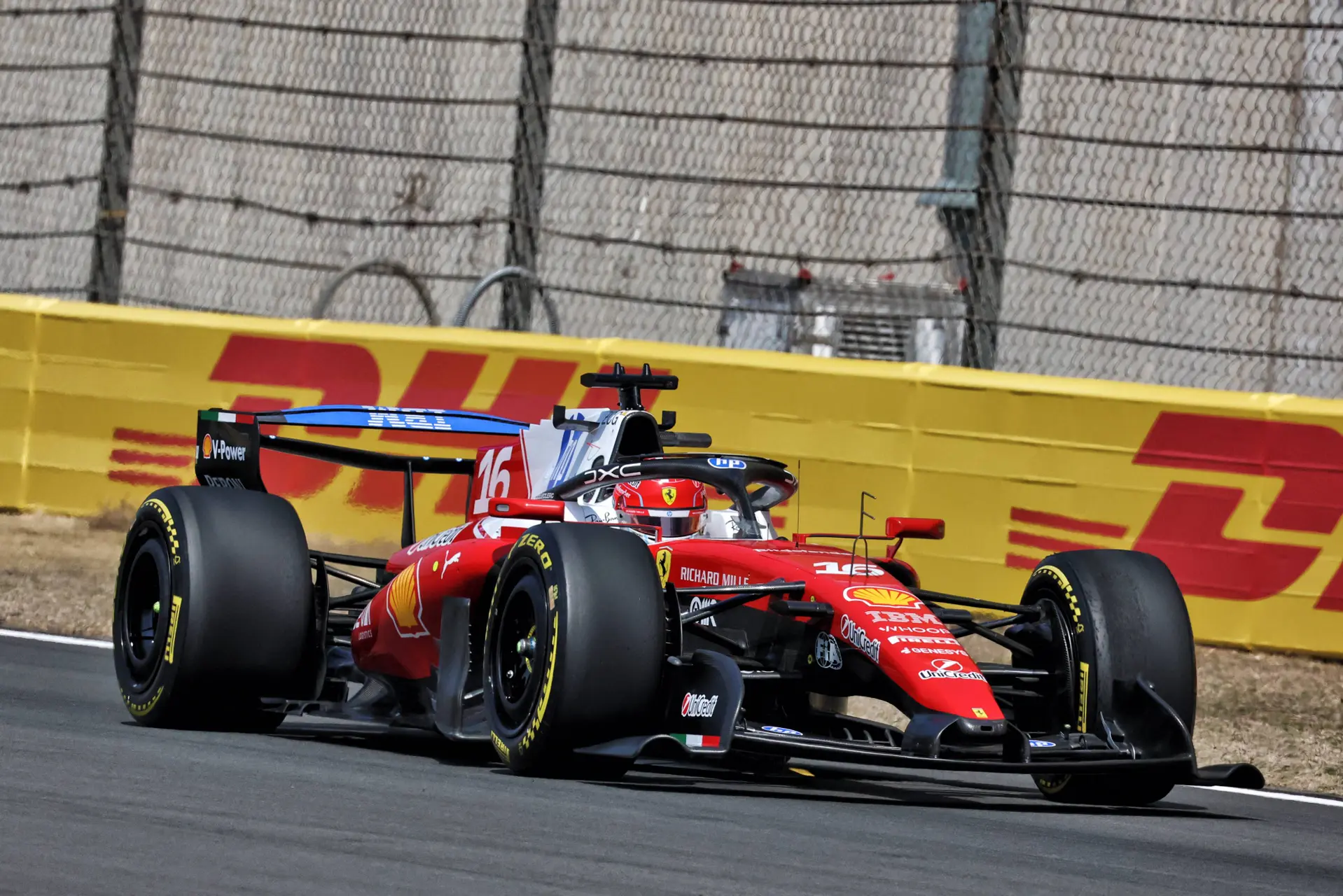
As early as Thursday, the new ‘Macarena’ rear wing appeared on both cars, running in first practice to gather data and determine whether further structural adjustments were needed.
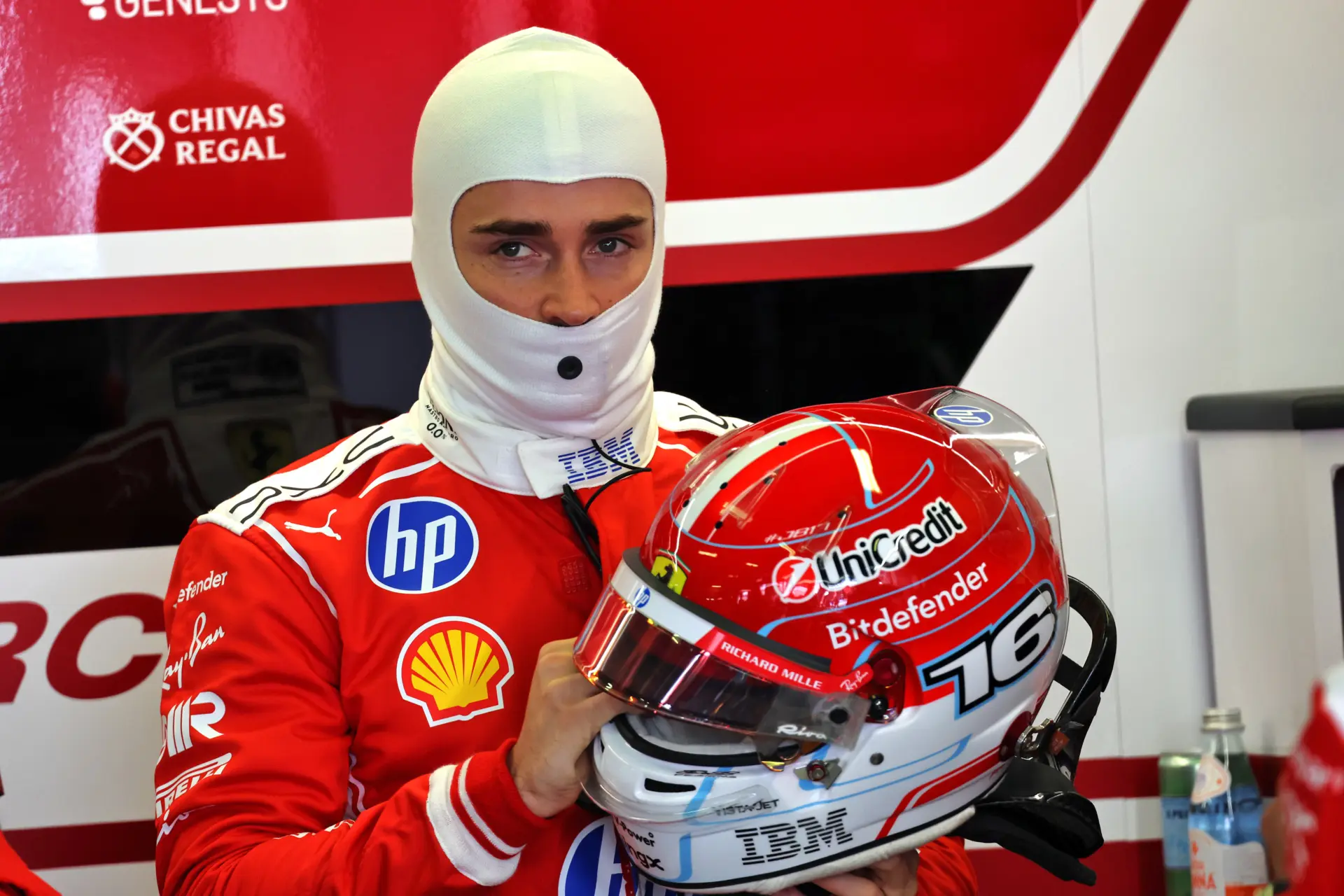
FP1 revealed that the aerodynamicists haven’t fully optimised this tool yet: both Hamilton and Leclerc struggled during braking as the wing closed, with the Briton suffering a significant rear lock-up in the opening minutes of the session.
ADVERTISEMENT

Leclerc using the 'Macarena' rear wing during FP1 - Photo: Race Pictures
This instability is likely caused by the wing rotating back to its ‘normal’ configuration under braking, as the airflow around it is heavily disrupted in those milliseconds, creating instability.
For this reason, the team opted to revert to the standard rear wing for Sprint qualifying, prioritising stability and giving both drivers more confidence under braking.
Beyond the rotating rear wing, the SF-26 experienced significant rear instability during FP1, highlighting that the base setup and energy deployment system weren’t yet optimal. In particular, Hamilton and Leclerc lost considerable time in the first and second sectors compared to Mercedes, struggling with rear instability through the long Turn 1 and at the exits of slow-speed corners in Sector 2.
ADVERTISEMENT
The setup was improved for Sprint qualifying, with the car feeling less nervous and more drivable, showing stronger pace in the first and second sectors despite still being a fair distance from Mercedes.
The rear wing wasn’t the only update on the car. Ferrari also added a small upward winglet on the halo’s support pylon, directing airflow over the driver’s helmet into the airbox, reducing turbulence and improving efficiency.

Ferrari's halo winglet introduced for the Chinese Grand Prix - Photo: Race Pictures
Last but not least, Red Bull Racing encountered significant challenges on Friday in China, dealing with both reliability concerns and setup issues. Isack Hadjar, who retired in Melbourne, was forced to install a completely new Power Unit in his RB22, including a new battery and control unit. This means he has already used the second unit of both components, out of the two allocated for the season.
The team’s struggles didn’t end there. Both drivers reported drivability issues, with Verstappen struggling to turn the car through slow-speed corners during FP1, which resulted in noticeable graining on his front-left tyre during race pace simulations on the medium tyres.
ADVERTISEMENT

Mx Verstappen during the Sprint qualifying in China - Photo: Race Pictures
The situation didn’t improve for qualifying, as both RB22 cars struggled in all sectors, losing a significant amount of lap time compared to the other top teams. Verstappen finished SQ3 in P8, behind Gasly’s Alpine, with Hadjar back in P10.
In conclusion, the scenario seen during today’s Sprint qualifying could change dramatically during Saturday’s Sprint race, as Ferrari and McLaren might challenge Mercedes in the opening laps, even though the Brackley team remains the favourite given the gaps and the performance displayed today.
Looking further down the grid, Haas, Audi, and Alpine, particularly with Gasly, could all fight for points in the Sprint, having shown a positive and competitive performance around the Shanghai International Circuit.
Read also


ADVERTISEMENT
Don’t miss GPblog in Google
Mark us as a preferred source and our articles will appear more often at the top of Top Stories.
Add as a preferred / source on Google