
Ludo van Denderen is a motorsport journalist at GPblog, specializing in Formula 1 and international racing series.
While Formula 1 travels to the Barcelona-Catalunya Grand Prix, a similarly large part of the motorsport world will have its eyes on the 24 Hours of Le Mans. With a jam-packed entry list, this race, and the entire World Endurance Championship (WEC), are currently red hot. Several draconian FIA decisions have helped shape the current landscape.
When the legendary 24 Hours of Le Mans race begins this Saturday at 16:00, the grandstands in the French city will be packed all the way to the top. Just as Formula 1 has undergone a huge boost, the same undoubtedly applies to the year’s most important endurance race and the entire World Endurance Championship (WEC). This is reflected not only in tremendous public interest; one manufacturer after another is also joining the WEC’s Hypercar class.
WEC and Le Mans are growing in popularity
For instance, fans will see Genesis, who are a part of the Hyundai Motor Group, compete for the first time this season. Next season, Ford and McLaren will join the big boys, all with the ultimate dream of triumphing at Le Mans. "It's a good sign for the championship that it's popular,” says Marek Nawarecki in an exclusive interview with GPblog. Nawarecki is the FIA Senior Circuit Sport Director, responsible for no fewer than eleven FIA championships held on circuits. Formula 1 is not one of them, but Formula E is.
The Pole is now a veteran figure within the FIA, having already worked for the motorsport federation when LMP1 was still the top category in the WEC. Back then, the series was nowhere near as popular as it is today, with barely any top brands taking part. “We identified the key reasons why the previous category, at some stage, eventually collapsed. The main one was probably cost,” Nawarecki explains.
ADVERTISEMENT

Marek Nawarecki - Photo: FIA
How the FIA brought in the major manufacturers
The big question then was how to make the WEC attractive to the world’s biggest manufacturers? “That is why we had two key features for the new regulations. The first, to have the regulations which are technically open enough to the manufacturers to allow them to take on the challenge with the cars, allowing them to have different technologies and approaches that they wanted to bring.
"The second key element was to have strong cost control be a part of these regulations, to give some guarantees to the manufacturers that, first of all, they can enter to the series with whatever their level of the budget is, (within reasonable limits, of course), and would not face something like, okay, 'we do not have enough money to compete with this or that manufacturer, because we will never reach this level.' So that was very important.
“In addition, it was essential to provide visibility on costs. At least over a cycle, and that these costs would remain at a similar level or at least would not require a significant increase in the initial budget over the entire period,” says Nawarecki.
ADVERTISEMENT

Photo: Toyota
Freedom for the Hypercar teams
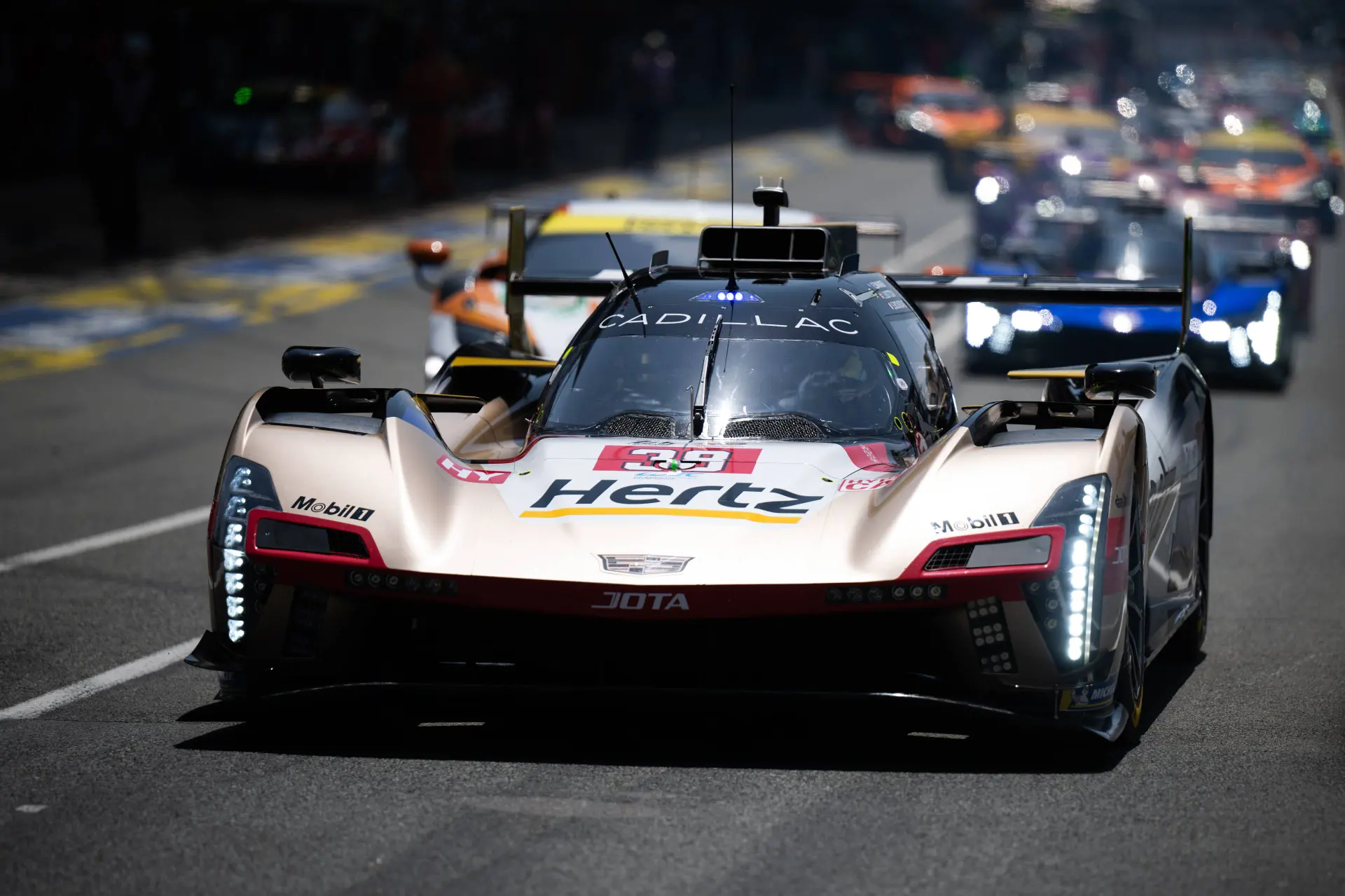
Anyone standing trackside in Le Mans these days can see that the cars in the Hypercar class differ quite a bit. Even the sound of the engines can be totally different from the competition, because teams are, up to a point, free to make technical choices.
“Previously, and I think it's the case in many championships, the technical regulations and limitations were leading. So, the classic approach was, ‘okay, you can have this type of engine, this type of powertrain, this weight of the car, maximum dimensions of this and that,’ and so on. And in the end, all cars are the same. We pushed the manufacturers to develop in different areas,” said the Senior Circuit Sport Director.
The FIA decided to define parameters and then give manufacturers freedom within that framework. "We said that we will rule this championship based on our parameters and not limiting the dimension of the technologies or limiting of type of engine you can use. And that was the game changer. We said for the first time that you can come to this championship with any type of engine you want, but you have a maximum power and a maximum power curve that you can never exceed.
ADVERTISEMENT
"Here you can come with the engine that’s a V6, a V8. The same approach is used also for the other parameters, key ones like aero. In aero you have the performance window which defines the range of the maximum drag you can have on your car. Then you can design your car as you want within those limits."

Photo: RacePictures
A unique sound from every team at Le Mans
An interesting example of an extreme design is Aston Martin’s Valkyrie, which is essentially a road car designed by Adrian Newey. When Aston Martin submitted this machine to the FIA, the gates swung wide open. The FIA said: “Don’t worry, you can keep your design,” the FIA director reveals.
“That was possible, and people came with a different design for the car. Aston Martin is an example, Peugeot is another example, but there are others with more extreme examples in terms of evolution, like Ferrari. There are really big differences between the cars.”
ADVERTISEMENT
As noted, the same applies to the power units which sound like pure racing beasts. “Yes, you can call this the old-school sound of the engine. The manufacturer, the marketing people, can choose their own style with this. We know how important a clear brand identity is, which is part of this project. These are all ingredients of a platform we have built, with which manufacturers want to tell the story they want to convey,” Nawarecki concluded.
Don’t miss GPblog in Google
Mark us as a preferred source and our articles will appear more often at the top of Top Stories.
Add as a preferred / source on Google