The three crucial questions the Australian GP will finally answer
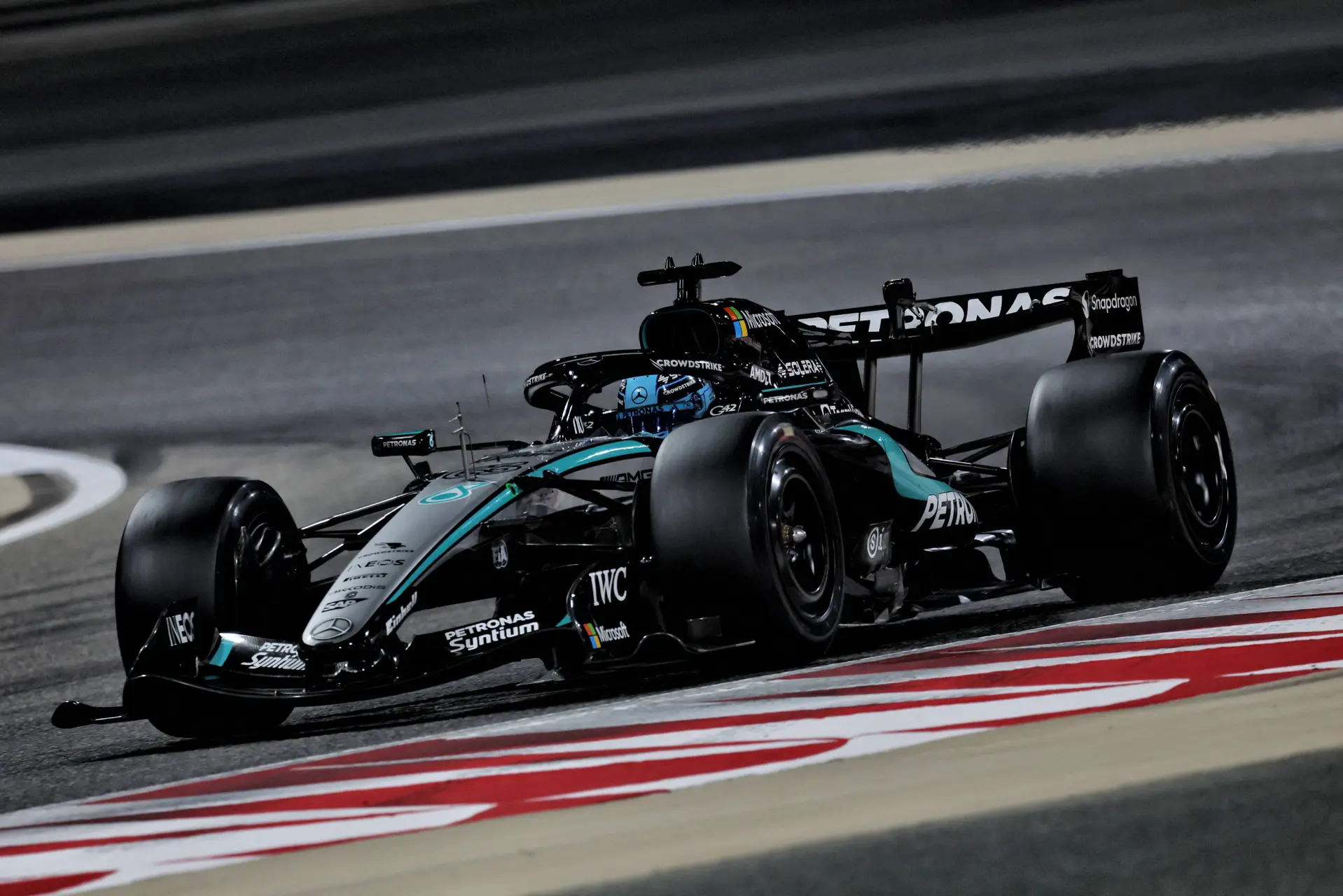
Photo: Race Pictures

Tobia is a Formula 1 journalist at GPblog with experience at international circuits. Since 2022, he has covered Grands Prix across Europe, delivering reliable coverage and insights from the paddock.
With the 2026 season just around the corner, the Australian Grand Prix is finally set to provide answers to some of the key questions still hanging over the grid.
Is Mercedes really the benchmark?
Only a few days ago, the FIA finally drew a line under the compression ratio 'trick' discussion that had dominated the pre-season, introducing a compromise that ultimately received unanimous approval from all parties involved. According to the updated directive, which will come into force from 1 June, power units will no longer be measured solely at ambient temperature but also at 130°C — the point at which Mercedes’ engine is believed to see its compression ratio increase from 16:1 to 18:1.
Toto Wolff initially tipped Red Bull as the team to beat, before later walking back those comments and suggesting there could be “four teams” fighting at the front. His remarks hinted that the pecking order may not be too different from what we saw last year, even if he stopped short of putting the teams in any clear order.
In this context, the Australian Grand Prix will offer the first real indication of how much sandbagging the Silver Arrows may have been hiding compared to the W17’s true potential. Pre-season testing offered little clarity regarding the true pecking order, especially considering Mercedes never carried out a genuine qualifying simulation — something Ferrari, by contrast, did attempt.
ADVERTISEMENT

The new Mercedes - Photo: RacePictures
Is Ferrari really as strong as it looked during the Bahrain testing?
Ferrari’s all-new SF-26 attracted plenty of attention during testing in both Barcelona and Bahrain, with the power unit appearing extremely reliable and allowing both drivers to rack up a huge number of laps, also thanks to the mileage accumulated by the customer teams.
That was further reinforced by Charles Leclerc, who in the closing stages of the final day of testing decided to push the car on the performance side, setting a string of quick laps that left many in the paddock wondering about Ferrari’s true competitive potential. Adding to the intrigue are several innovative solutions rarely seen at Ferrari in recent years, with a particularly aggressive approach at the rear of the car. The small winglet above the diffuser and the rotating rear wing, in particular, have caused quite a stir in the paddock.
Mercedes still appears to be the benchmark judging by comments from rivals, but Melbourne will provide the first real test to understand whether the Prancing Horse has finally managed to escape the quicksand it found itself stuck in last season, handing Leclerc and Hamilton a car capable of fighting back at the very front.
ADVERTISEMENT
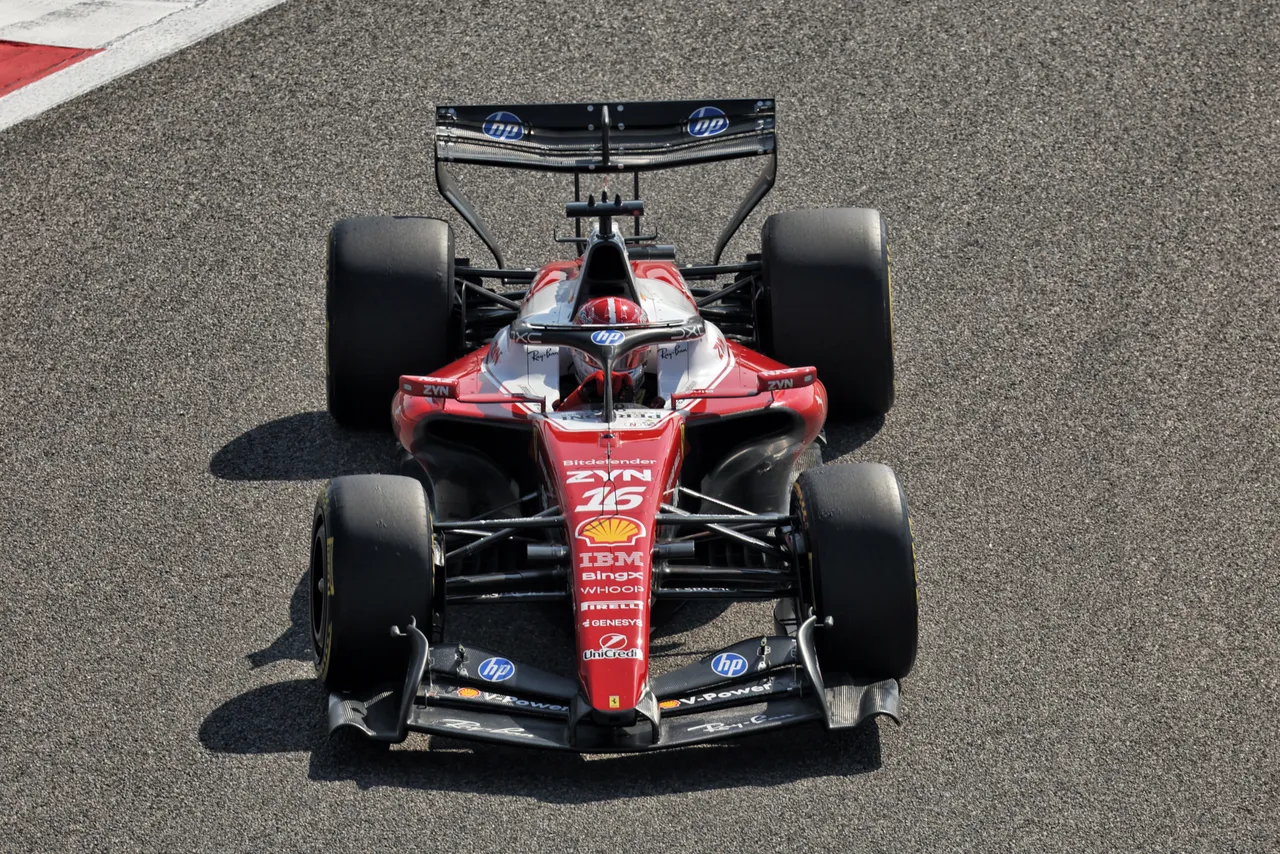
Photo: Race Pictures
How will Aston Martin do?
Undoubtedly the biggest disappointment of pre-season testing, with the situation, on the eve of the championship, increasingly resembling a steep mountain to climb rather than the start of a winning project. Expectations were sky-high for a team that can boast names like Adrian Newey and Honda among its ranks, yet for now the AMR26 still looks very much like a work in progress — a long way off the expectations heading into the season.
In recent days, speculation has emerged suggesting the Australian Grand Prix could effectively be used as an extended test session. However, team insiders insist it is still far too early to claim the team is considering pulling out of the race in Melbourne, despite what some rumours have already suggested.
There remains a major question mark over what Fernando Alonso and Lance Stroll will be able to extract from the car in just a few days’ time, with Aston Martin in any case likely to face a wave of criticism if the gap to its rivals proves to be as large as many fear.
ADVERTISEMENT
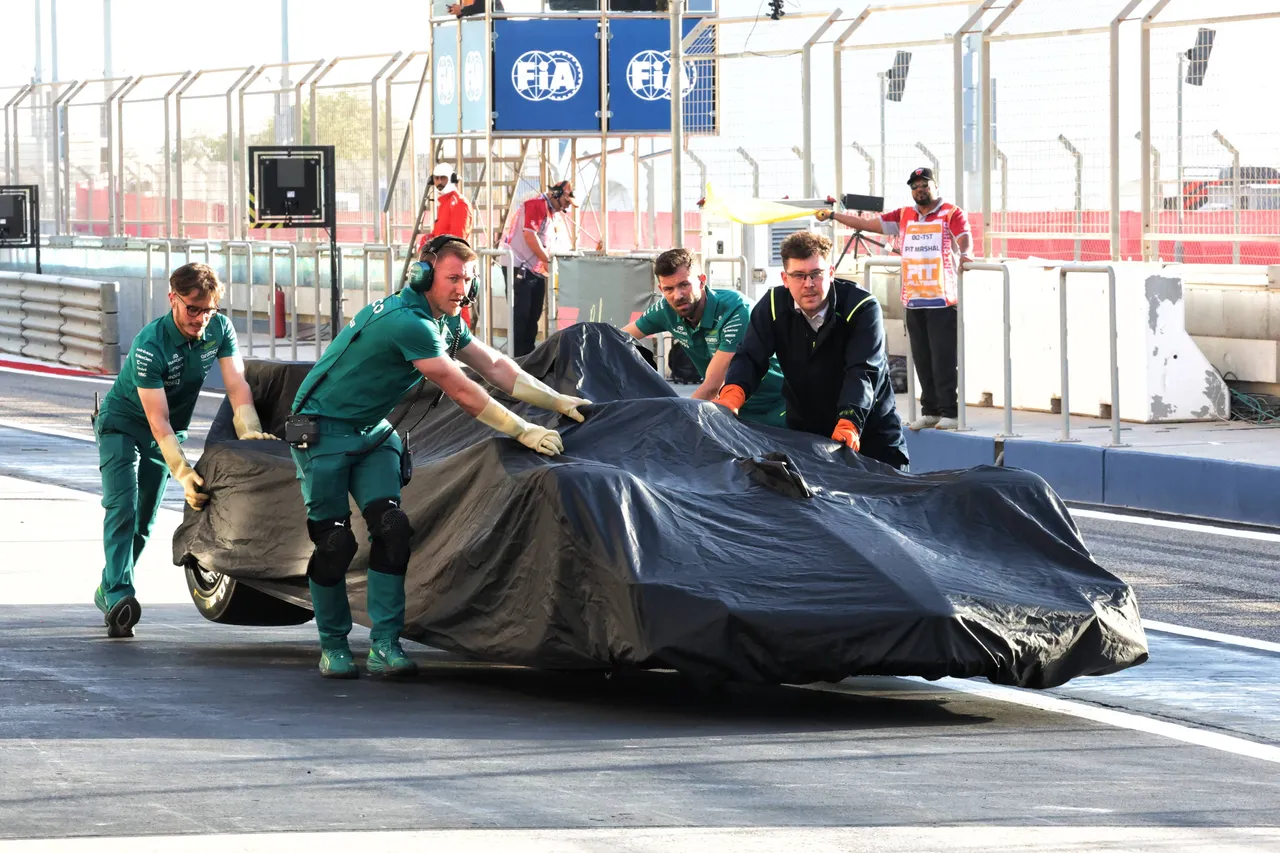
Photo: Race Pictures
Read also


Don’t miss GPblog in Google
Mark us as a preferred source and our articles will appear more often at the top of Top Stories.
Add as a preferred / source on Google