Alarm ringing for Aston Martin ahead of Australian GP
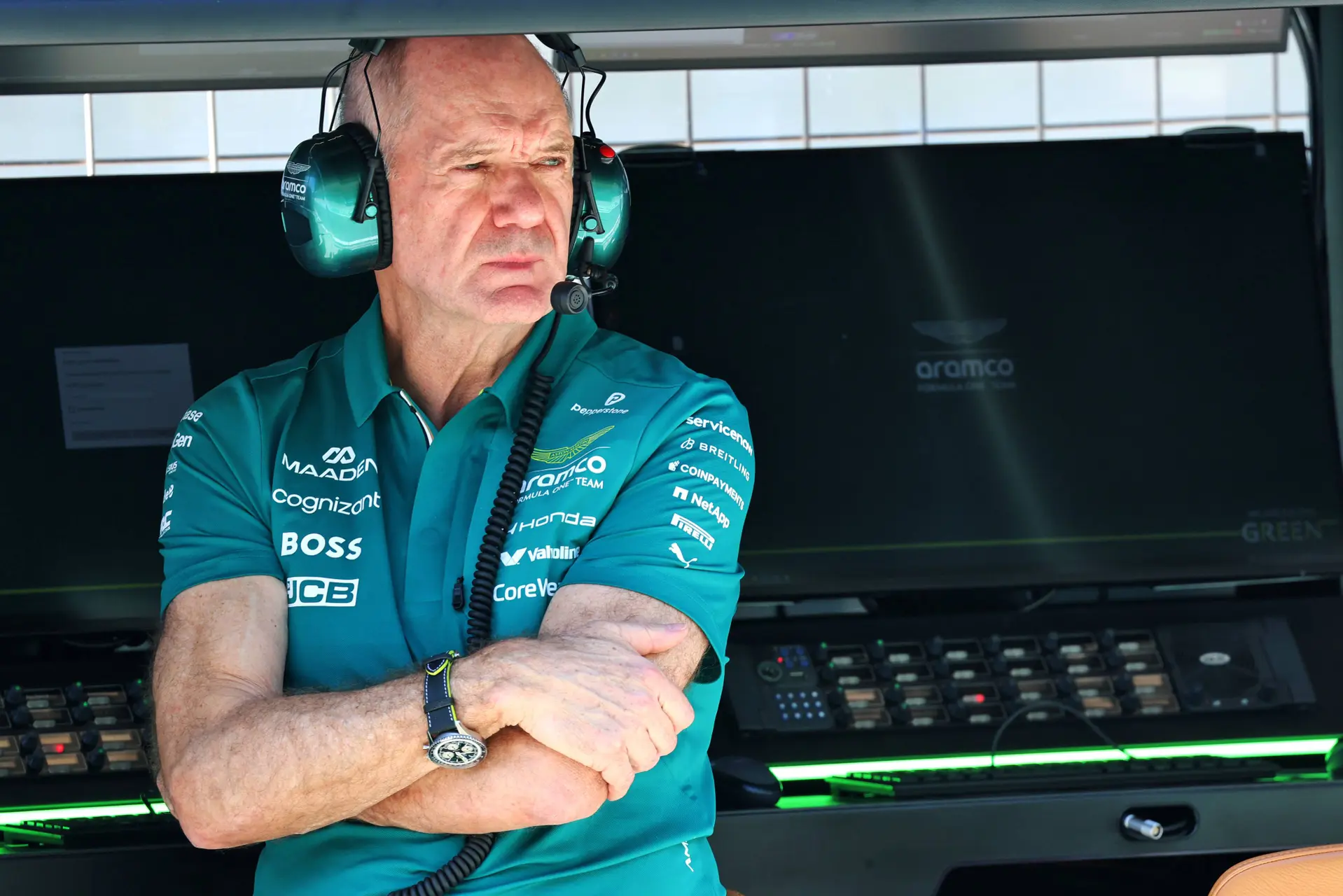
Photo: Race Pictures
Updated:
1 Comments

Ben Hunt is an award-winning motorsport journalist with over two decades of experience in Formula 1 and international media. As a former editor-in-chief and bestselling author, he delivers in-depth analysis and strategic insight from the highest level of the sport.
Aston Martin admit they face an anxious Australian Grand Prix after a disappointing preseason test.
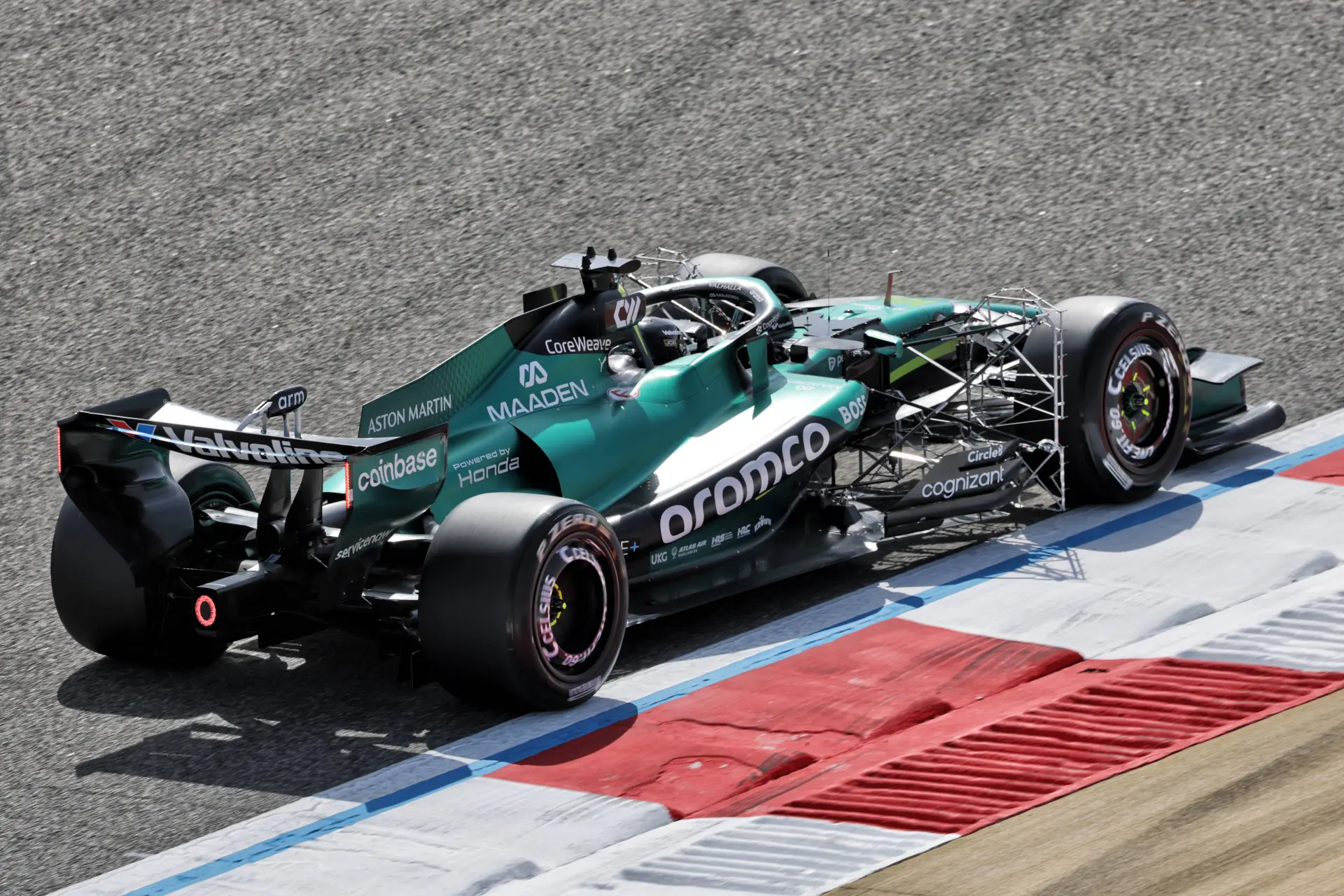
The Silverstone-based team has gotten off to a slow start with power-unit suppliers Honda and has been hit by a number of problems that limited their running in Bahrain and Barcelona.
Team insiders say it is too early to suggest they plan to scrap competing in the Australian GP as some reports have claimed. However, they admit they will be using the time on track to “explore solutions that Honda and Aston have been working on to cure some vibration issues” they experienced with their battery component.
Under the leadership of Adrian Newey, Aston Martin is on the back foot having completed the least amount of miles during testing.
Team insiders say it is too early to suggest they plan to scrap competing in the Australian GP as some reports have claimed. However, they admit they will be using the time on track to “explore solutions that Honda and Aston have been working on to cure some vibration issues” they experienced with their battery component.
Under the leadership of Adrian Newey, Aston Martin is on the back foot having completed the least amount of miles during testing.
Aston Martin is still learning
Senior figures within Aston Martin have admitted that the first race weekend will effectively serve as an extension of testing. Correlation issues between the simulator and track data, combined with intermittent reliability concerns, have left engineers digging deep into the data rather than focusing purely on performance.
It could be an excruciating time for team owner Lawrence Stroll as the testing is being done in public.
Honda headaches resurface
The partnership with Honda was always going to require an adaptation period. While the Japanese manufacturer boasts a strong pedigree in Formula 1, particularly in recent seasons with Red Bull, the integration of the power unit within Aston Martin’s latest chassis concept has not been seamless and harks back to the difficulties experienced by McLaren when they took Honda engines in 2015 and suffered reliability woes.
ADVERTISEMENT
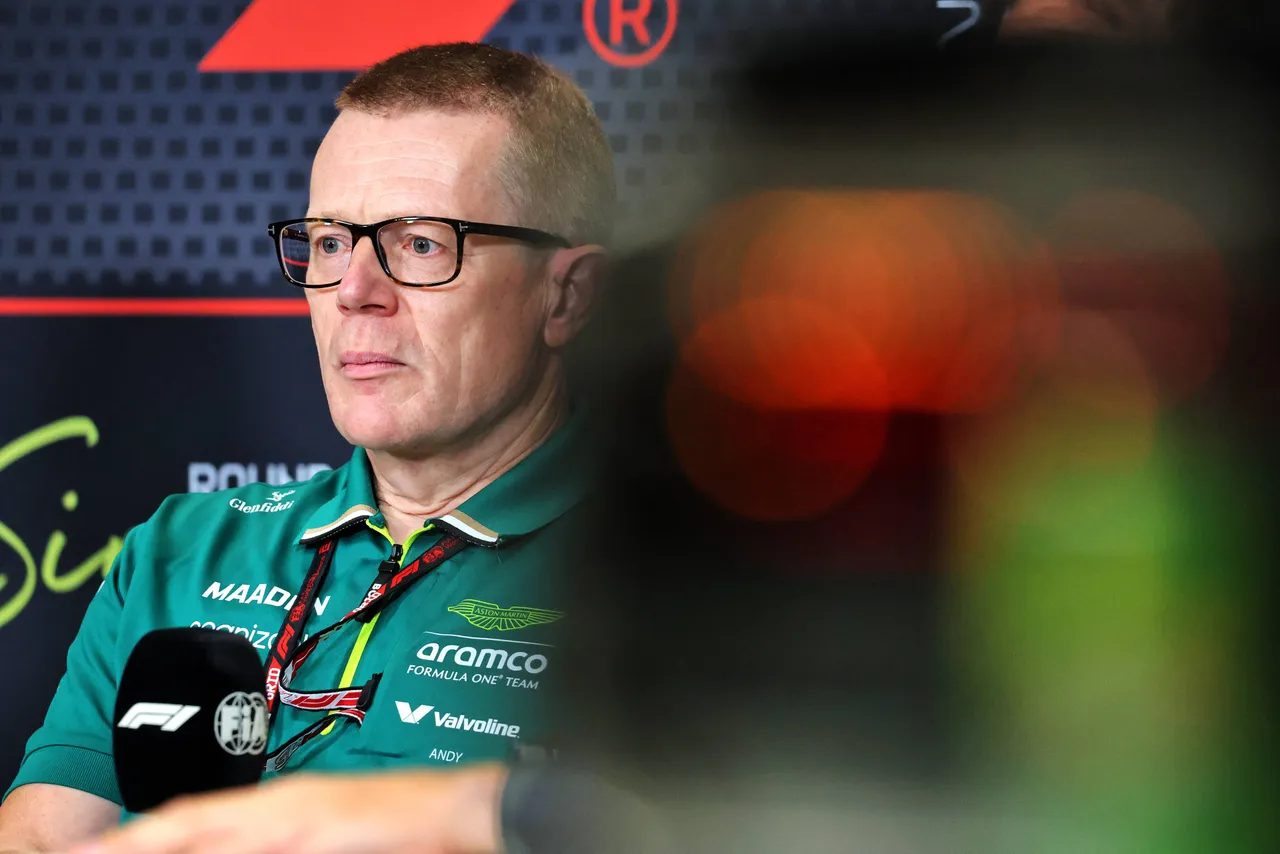
Photo: Race Pictures
Andy Cowell, the Aston’s former team principal, has been working closely with Honda to resolve the current problems.
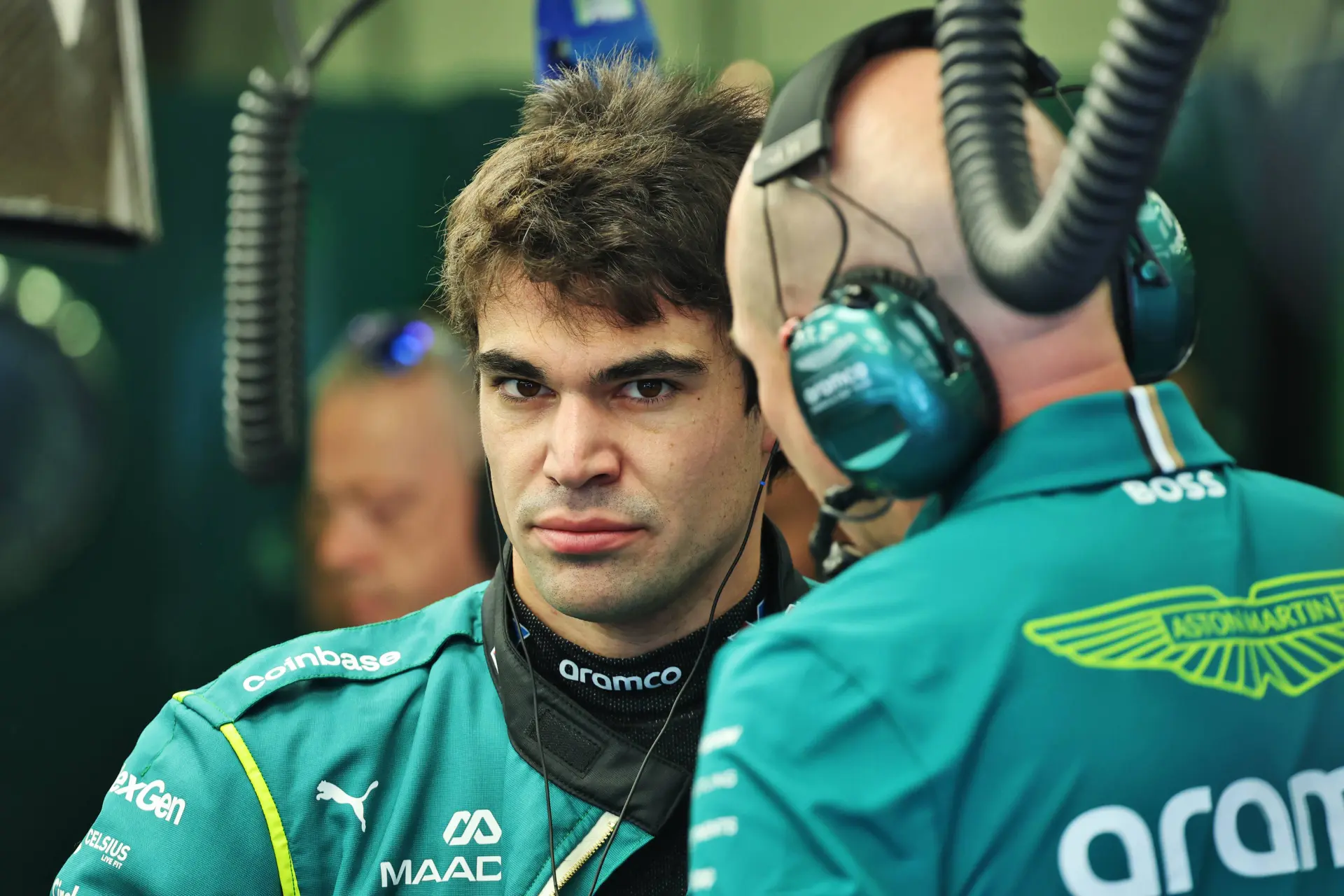
Pressure on Alonso and Stroll
For drivers like Fernando Alonso, patience will be key. The two-time world champion is no stranger to development cycles, but even he acknowledged that expectations may need to be managed for the opening round.
Meanwhile, teammate Lance Stroll faces his own challenge extracting meaningful race pace from a car that may not yet be fully understood. Both drivers are expected to play an active role in feedback loops, with setup experimentation likely across all practice sessions.
Meanwhile, teammate Lance Stroll faces his own challenge extracting meaningful race pace from a car that may not yet be fully understood. Both drivers are expected to play an active role in feedback loops, with setup experimentation likely across all practice sessions.

Photo: Race Pictures
ADVERTISEMENT
Damage limitation mode?
While rival teams appear to have enjoyed more straightforward preparations, Aston Martin’s approach to the Australian GP as an extended test may be understood. However, securing solid points rather than chasing headline results could define their early-season mindset.
The midfield battle is expected to be fiercely competitive, and any reliability hiccup could prove costly. If the experimental tweaks pay off, Aston Martin may gradually unlock the performance they believe exists within the package. But if issues persist, the gap to the front could widen quickly.
For now, the message from inside the garage is clear: this is a long-term project. The opening Grand Prix may be less about fighting at the sharp end and more about survival, data collection, and steady progress for the benefit of the rest of the season.
Read also
ADVERTISEMENT
Don’t miss GPblog in Google
Mark us as a preferred source and our articles will appear more often at the top of Top Stories.
Add as a preferred / source on Google