
Tim Kraaij is Editor-in-Chief of GPblog.com and a Formula 1 analyst. With permanent FIA accreditation and direct access to the paddock, he delivers in-depth, data-driven analysis and insight into key developments within the sport.
With the new regulations, Honda has completely missed the mark. How is it that a major engine manufacturer lets itself be embarrassed like this in Formula 1 once again? A reconstruction of how it could have gone wrong again.
McLaren-Honda’s ‘GP2 engine’
For that, you have to go back to 2015. The year Honda officially returned to Formula 1 in a partnership with McLaren. The new regulations had already been in effect for a year by then, but Honda had been working hard behind the scenes to be ready for the 2015 F1 season.
It turned out to be a huge miscalculation. The competition had worked much longer on the new, complex power unit and had even seen it in action for a year. As a result, far more data was available and the gap in 2015 was enormous.
Honda promised improvement, but in three years of collaboration with McLaren it never got much better. As a combination, McLaren-Honda lingered in the lower regions of the championship, largely because of the Honda engine.
ADVERTISEMENT
Honda achieves success and immediately quits F1
In partnership with Red Bull—first with Toro Rosso in 2018 and then with Red Bull Racing in 2019—Honda finally found the way up. Podiums, victories, and ultimately even a world title in 2021 were won. Honda finally seemed at home in F1, but then it made a bizarre decision.
During the COVID period, Honda pulled the plug on the F1 project. In 2020, even before Verstappen’s first title, Honda announced it would stop supplying engines at the end of 2021. In the years after, it would still supply the power unit to Red Bull Racing and Toro Rosso, but for the new 2026 regulations Red Bull would have to look for a new engine supplier.
Even the world titles for Verstappen and Red Bull in 2021 and 2022 did not change Honda’s decision. In the meantime, Red Bull had decided to develop its own engine under the name Red Bull Powertrains. Ford joined, and Red Bull built a state-of-the-art new engine facility in Milton Keynes.
Meanwhile, things at Honda were hollowing out. Although Honda would still supply and maintain the Red Bull teams’ engines through 2025, the team had largely emptied. Employees moved to competitors in Formula 1 or left the F1 world altogether.
ADVERTISEMENT
Honda returns too late for F1 2026
It was therefore a big surprise when Honda announced in 2023 that it wanted to restart an engine project after all. Red Bull looked on in disbelief. Had they invested heavily in their own engine project for nothing now that Honda was returning to the sport?
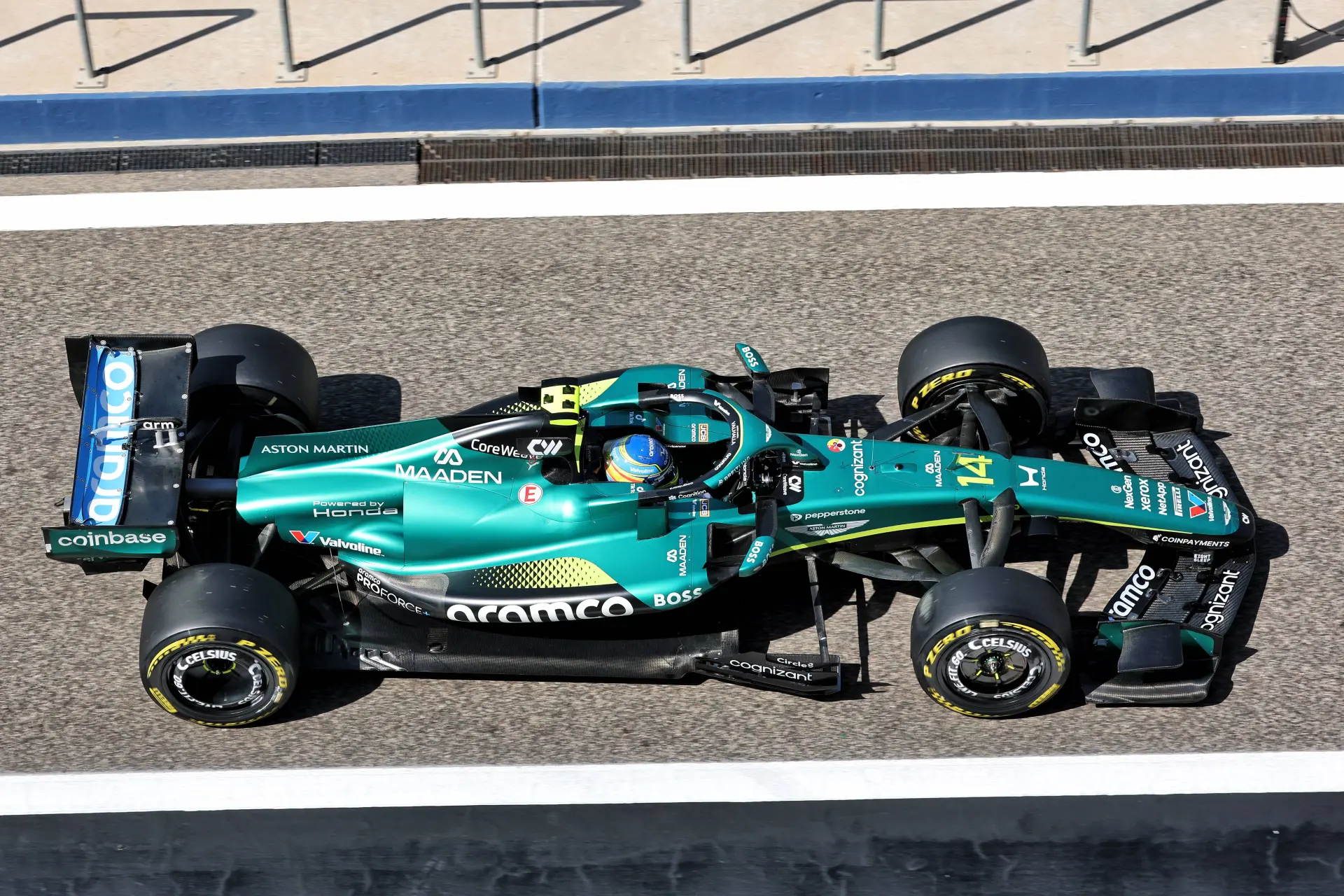
Aston Martin would be the one to clinch the Honda deal. Over the years, Aston Martin had already invested heavily in its own factory, a new wind tunnel, and the latest facilities, securing a highly coveted works deal.
Still, there were plenty of question marks in the paddock about the deal. Honda had effectively been idle for two years. It had lost much of its workforce to rival manufacturers and had fallen two years behind.
Those two years were especially crucial for engine manufacturers. The cost cap for manufacturers came into effect in 2023, meaning anyone who had already worked on the new engine in 2021 and 2022 could build a significant head start. Honda was starting just as it, like the rest, had to adhere to a cost cap.
ADVERTISEMENT
Honda hires inexperienced staff
To refill the factory with enough personnel, Honda brought in new people from all corners—except one: Formula 1. With four manufacturers already working flat out on their new 2026 F1 engines, experienced staff were not exactly plentiful.
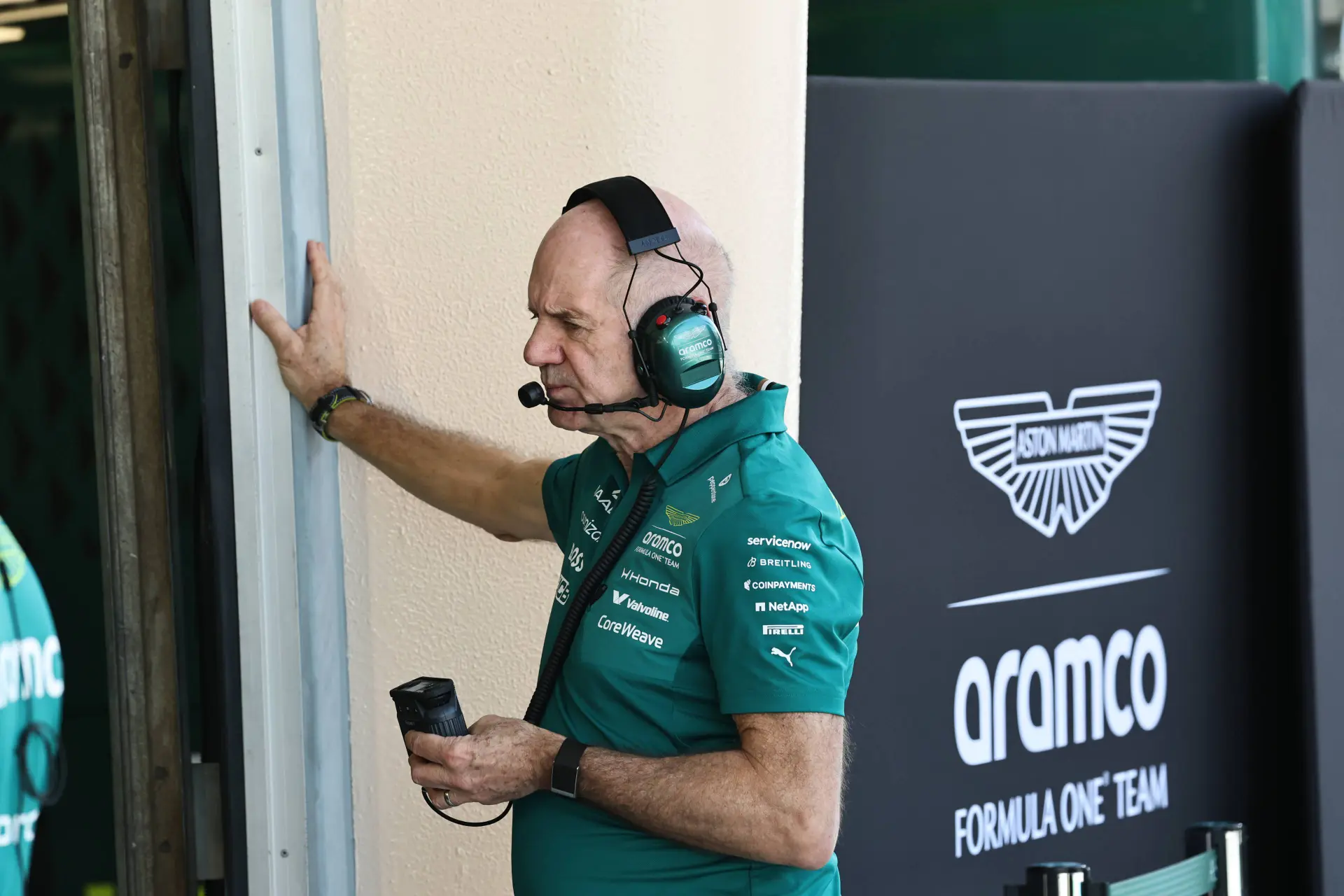
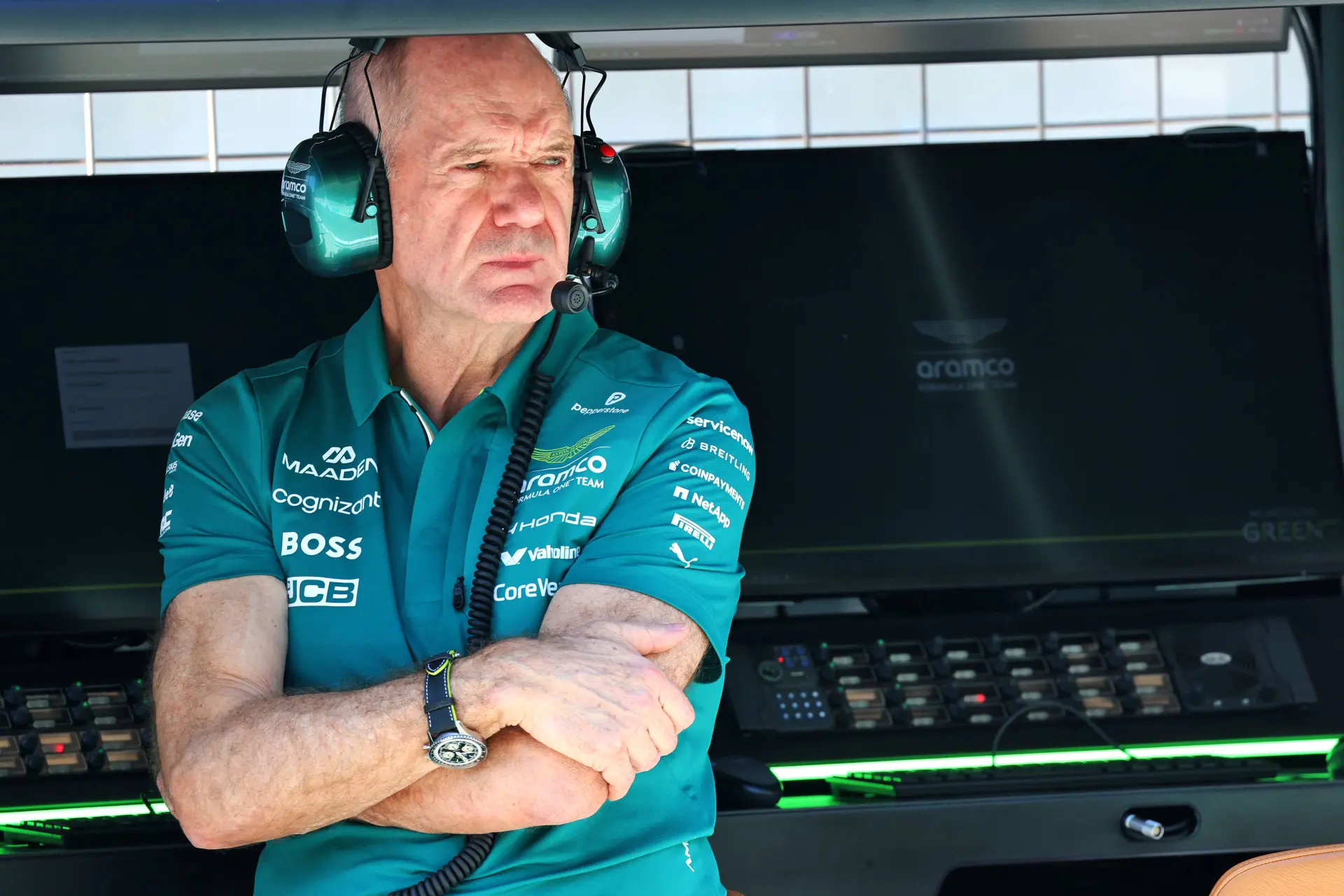
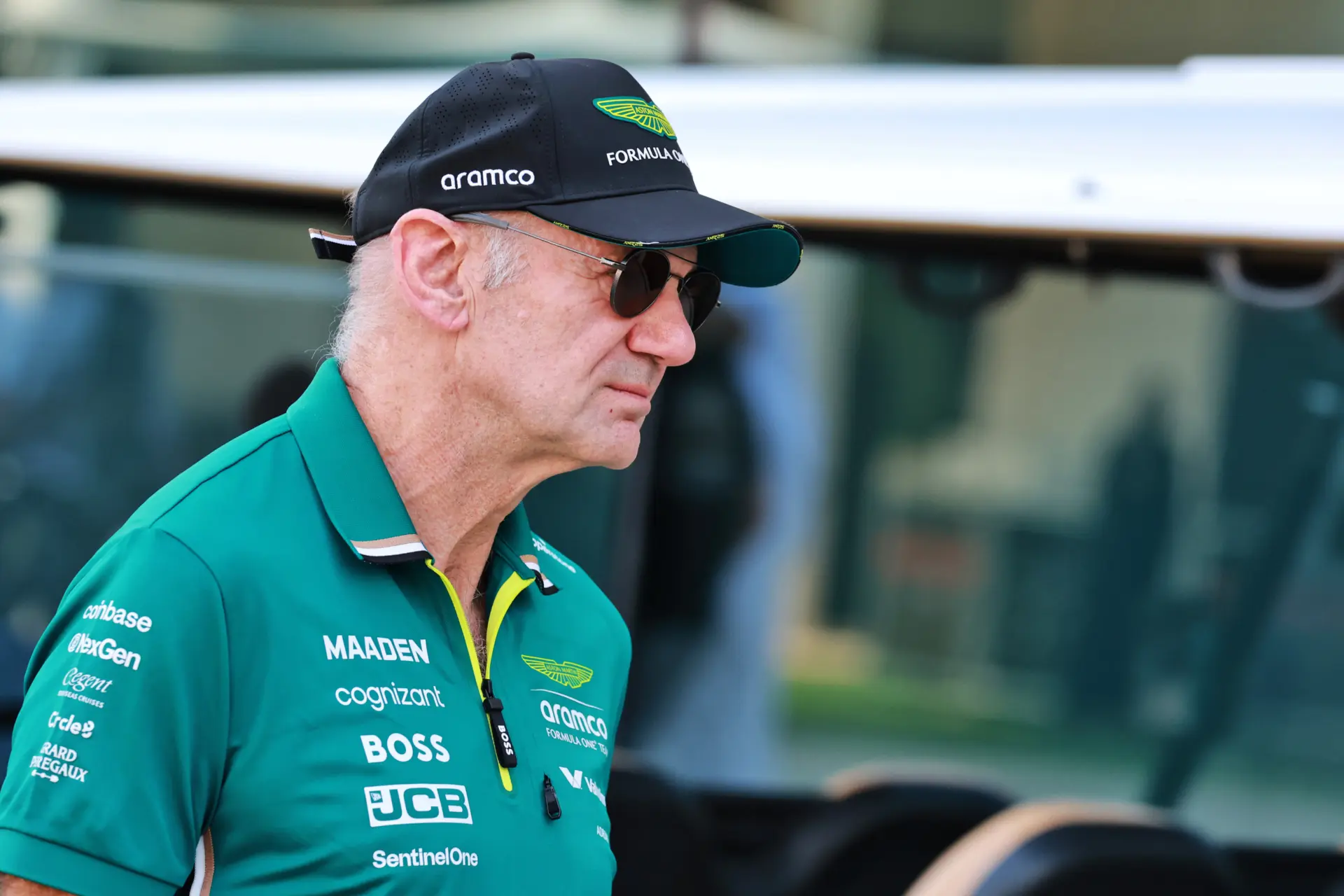
That Honda had a deficit and employed inexperienced staff was an known secret. The Aston Martin top brass, however, claimed to know nothing. At least, that is the story now. Adrian Newey stated that they only discovered during a visit to the Honda factory in November 2025 that Honda barely had any personnel with F1 experience.
The combination of all these factors makes it no great surprise that Honda is so far behind the competition at the start of the F1 season. It started far too late and hoped to make up the deficit with inexperienced staff. Naturally, a recipe for disaster.
History repeats itself
ADVERTISEMENT
The strange thing is that this is the second time Honda has fallen into the same trap. History repeats itself. In 2015, Honda also entered F1 on the back foot, also had personnel with less experience in Formula 1, and ultimately needed help from other manufacturers to close the gap and become competitive. The chances are high that Honda has once again made itself reliant on the help of others.
Aston Martin has borne the brunt of this, although you could also fault the British team for not doing better due diligence on Honda’s engine project. If so many insiders knew what was happening at Honda, it should never have come as a surprise to Aston Martin just a few months in advance.
Don’t miss GPblog in Google
Mark us as a preferred source and our articles will appear more often at the top of Top Stories.
Add as a preferred / source on Google