F1 Tech | How Aston Martin's issues led to another disappointing day in Australia
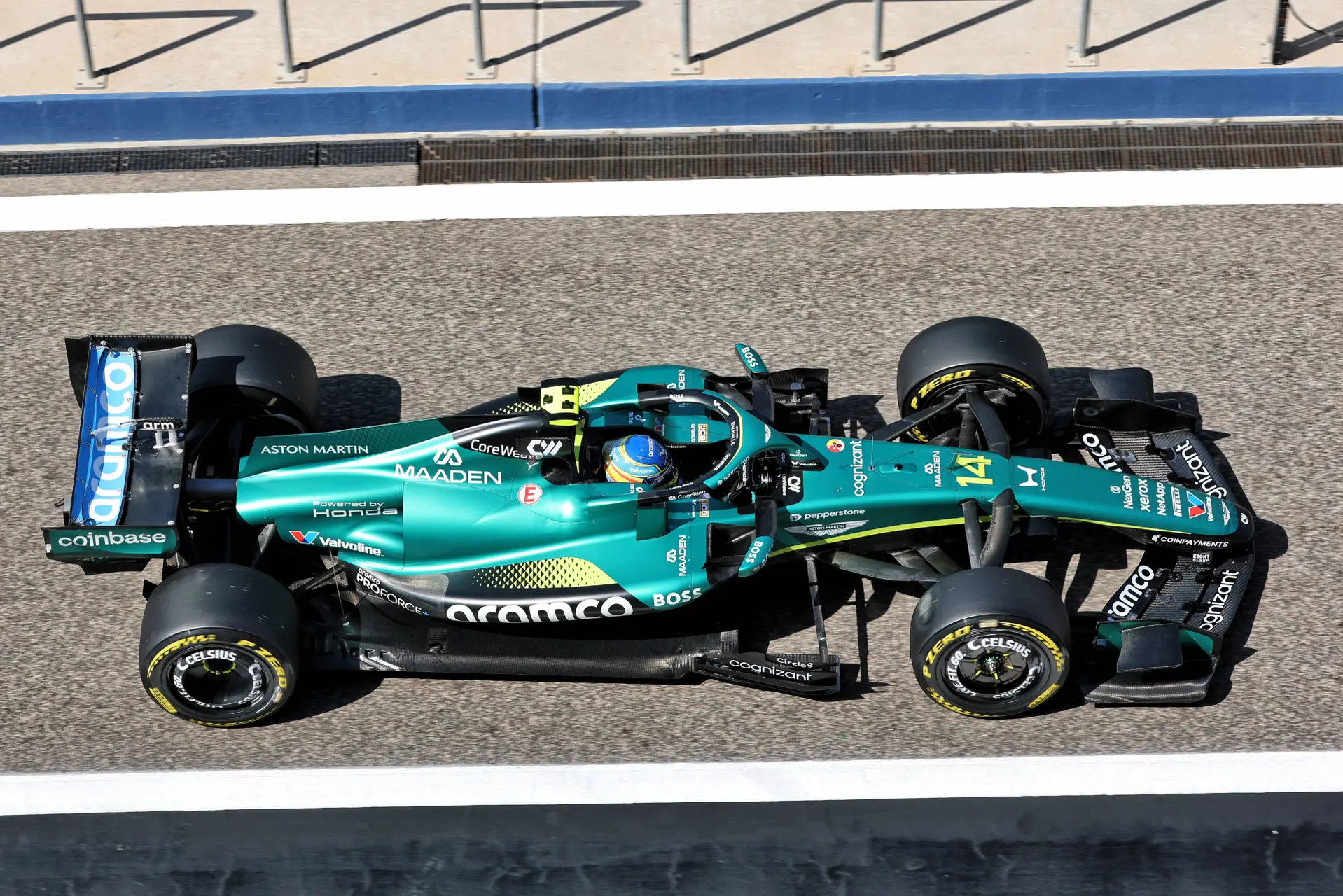
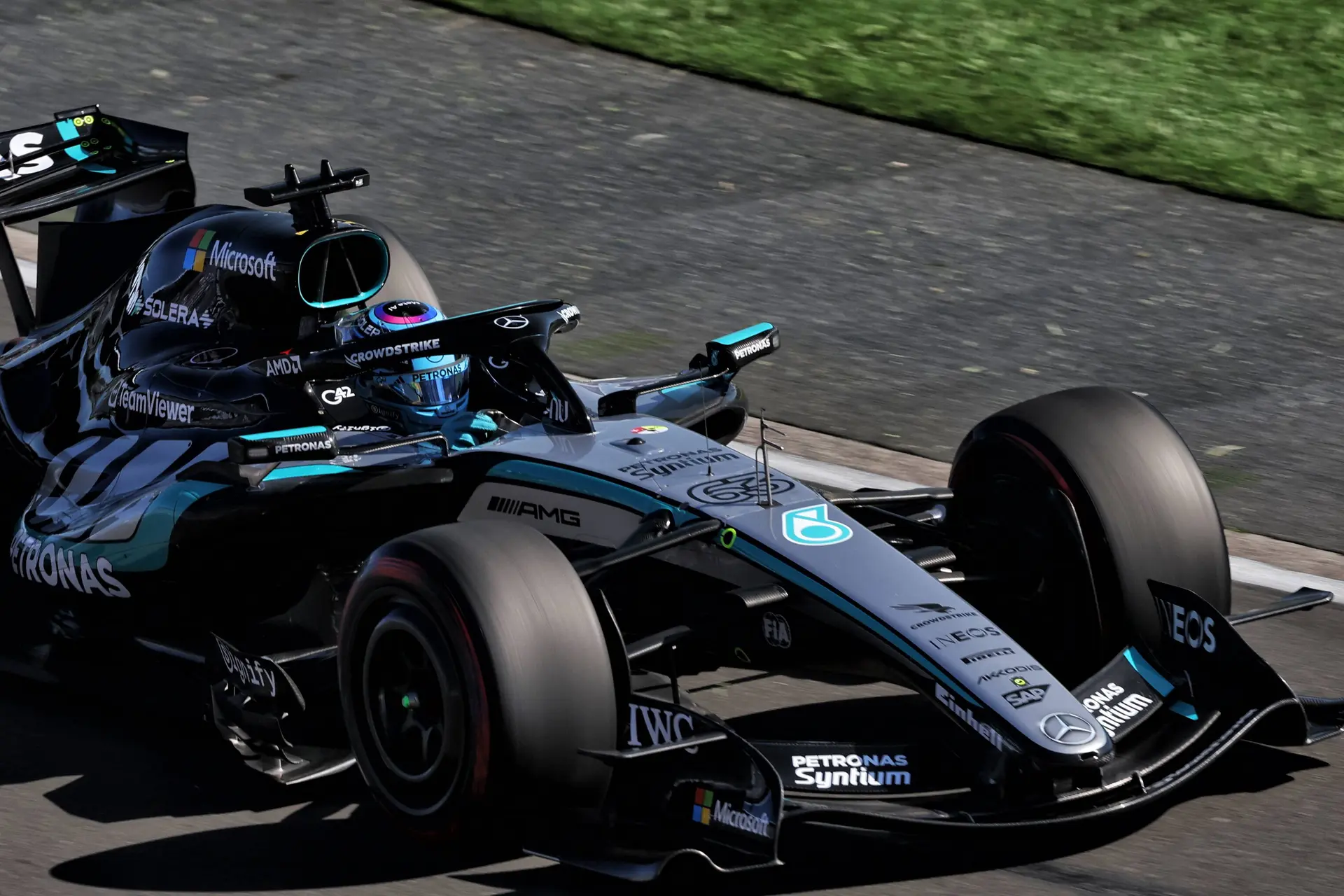
Alonso driving the AMR26 - Photo: Race Pictures
Updated:
1 Comments

Francesco is a technical analyst at GPblog, specializing in the technical side of Formula 1. Through illustrations and analysis, he makes complex components and developments accessible to a wide audience.
Aston Martin is struggling in Melbourne as Power Unit issues severely limit their track time.
The beginning of the 2026 F1 season for Aston Martin has been anything but easy. The AMR26, initially praised for its innovative technical details, has proven to be more fragile than expected, particularly concerning its Power Unit.
The car struggles to complete many consecutive laps because vibrations from the engine damage various components, especially the battery.
Drivers are also experiencing significant vibrations, which could lead to physical harm. Let’s try to explain what’s behind Aston Martin’s difficult situation.
ADVERTISEMENT
Interesting technical solutions, but the AMR26 is still too 'fragile'
On 29 January, when the AMR26 finally hit the track during the Barcelona shakedown, everyone was left speechless by the amount of details and technical solutions adopted by Adrian Newey on his first car for the green team.
What seemed destined to be a revolutionary car, however, soon proved to be particularly fragile: during the first week of testing in Bahrain, the AMR26 struggled to hit the track, facing a lot of different problems to the Power Unit.
As soon as drivers entered the track and completed a series of laps, another big problem appeared: the car was suffering from vibrations generated by the engine, which caused elements to fall off and drivers to feel pain in their nerves after a few laps.

Alonso driving the AMR26 during FP2 in Albert Park - Photo: Race Pictures
ADVERTISEMENT
These kinds of vibrations were also dangerous for the engine itself: they were transmitted to the battery, which consequently broke, forcing the team to stop the car for a large amount of time, making all the necessary changes.
To mitigate these issues, the team tried to adopt two different strategies: complete a limited number of laps, and reduce the power available, in order to reduce the vibrations transmitted.
The result, however, was still disastrous: the vibrations were still high for the battery and the performance was a total disaster, as the AMR26 was around 4 seconds slower than top teams during testing.
The team also completed a limited mileage, as they were worried that the big stress put on all components could seriously damage the car.
ADVERTISEMENT
“During the Bahrain pre-season test we experienced unexpected vibration, which caused damage to battery related components of the power unit. As a result, we are unable to complete the mileage we had originally targeted,” explained Watanabe on Thursday in Melbourne.
While the AMR26 faces mechanical issues, the vibrations are also having a serious impact on the drivers themselves.
Team Principal Adrian Newey described the effects of these vibrations on the drivers and the chassis as follows: “So, that vibration into the chassis is causing a few reliability problems. Mirrors falling off, tail lights falling off, all that sort of thing, which we are having to address."
“But the much more significant problem with that is that that vibration is transmitted ultimately into the driver's fingers. So, Fernando is of the feeling that he can't do more than 25 laps consecutively before he will risk permanent nerve damage to his hands. Lance is of the opinion that he can't do more than 15 laps before that threshold.”

ADVERTISEMENT
The scenario didn’t improve during the first two practice sessions of the year either: in FP1, Stroll only completed 3 laps, with Alonso unable to hit the track due to a problem with the power unit.
In FP2, both drivers managed to get in some laps, with Alonso completing 18 laps and Stroll 13, with yet a terrible performance: both cars were stuck in the last two places and the Canadian’s best lap was almost 5 seconds slower than Piastri’s lap time in P1.
This performance is also related to the fact that the team is using extremely conservative engine modes as they’re afraid to break the batteries on Alonso’s and Stroll’s car, as they don’t have a spare one.

Aston Martin's AMR26 on track during Bahrain testing - Photo: Race Pictures
If, for some specific reason, one of the two batteries broke on Saturday, the team should be forced to race on Sunday with only one car due to the lack of spare parts.
ADVERTISEMENT
For this reason, they are running the AMR26 with high fuel load every time it hits the track, to limit the vibrations on the battery: this inevitably makes it more difficult for drivers and engineers to understand the real potential of the car.
This scenario pictures the difficult period Aston Martin is going through and, unfortunately for them, there’s very little the team can do in the short term, apart from temporarily adopting countermeasures to stem the issues and run the car on track.
In conclusion, the start of the 2026 season has been challenging for both Aston Martin and their partner Honda. With significant issues at the start of the year, the team’s immediate goal is to understand and address these problems swiftly to salvage what remains of the season.
Read also


Don’t miss GPblog in Google
Mark us as a preferred source and our articles will appear more often at the top of Top Stories.
Add as a preferred / source on Google