The chemistry behind Red Bull and ExxonMobil’s F1 edge
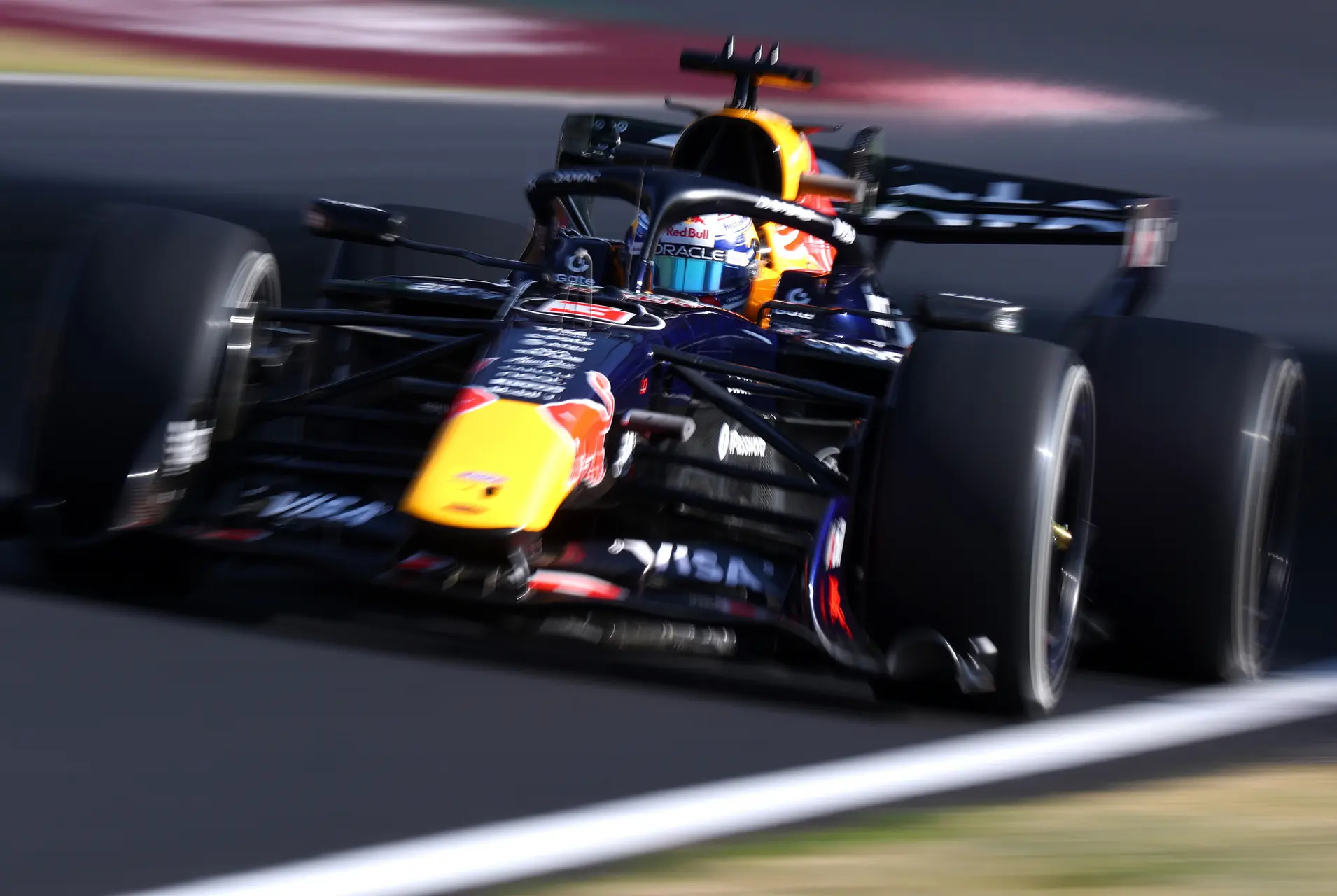
Photo: Red Bull Content Pool
Updated:
0 Comments

Shanna is a Formula 1 journalist at GPblog, specializing in both F1 and endurance and GT racing. With a Master’s degree in Journalism and experience at international circuits, she provides in-depth, reliable coverage and insights based on her presence at Grands Prix and racing events worldwide.
Years of research, hundreds of tests, and one clear goal: perfect performance. Red Bull Racing and ExxonMobil have developed their new e-fuel well ahead of the 2026 F1 season. Sustainability and speed are inseparable with the new technical regulations.
As a result: not only teams and engine manufacturers had to work hard to implement all the changes for the 2026 regulations—fuel suppliers needed to innovate their approach significantly as well. For ExxonMobil, fuel supplier and partner of Red Bull Racing, this was no different.
The two parties have been working together since 2017, but the company’s experience in Formula 1 dates back to the 50s. In collaboration with the Austrian outfit, the new e-fuel for 2026 was carefully developed.
Fuel formulation evolves
There have been major changes in the power unit this year. The engines now operate with a 50/50 split between electric power and power from the combustion engine. In addition, the FIA has introduced rules regarding more sustainable fuels. Starting in 2026, F1 cars will run on synthetic fuels, also known as e-fuels.
ADVERTISEMENT
Matti Alemayehu, Global Motorsport Technology Manager at ExxonMobil, explains to GPBlog what this means in practice: “The 2026 FIA regulations require fuels derived from what the rules define as ‘Advanced Sustainable Components,’ such as municipal waste and second-generation, non-food biomass that do not compete with food sources.”
Chemists can carefully select the molecules they want for their blend, and the fuel is independently certified to meet strict sustainability standards. Nothing in this fuel comes from crude oil. Like the greater share of electric power in the engine, it is part of the net-zero 2030 plan.
“Our new fuel was specifically developed for the 2026 power unit, which relies more heavily on electrical energy compared to previous engines. As the engine design has evolved, so has our fuel formulation, ensuring we can deliver the highest possible performance.”
The collaboration between Red Bull and ExxonMobil
Red Bull and ExxonMobil naturally aim for the best results. Optimizing fuel performance is an important part of the chain. By matching the fuel closely to what the engine needs, the car can perform better on track.
ADVERTISEMENT

Red Bull and ExxonMobil have worked hard for their success formula - Photo: Race pictures
What does the collaboration between ExxonMobil and Red Bull Racing look like before and during 2026? “We’ve been involved in every step of the journey towards 2026, with constant dialogue with the team to help optimize engine design and enhance performance,” Alemayehu continues.
“This season requires us to achieve more with fewer available molecular options, and that challenge has led to significant innovation in our approach," she points out. Behind the scenes, engineers have had to work smarter to extract maximum performance from the synthetic fuel.
Over 100 formulations
What makes the collaboration very smooth is that ExxonMobil has established an on-site laboratory at the Milton Keynes facility. As soon as the FIA published the concept rules for 2026, the fuel supplier could focus on the complex processes involved with the 2026 fuels.
ADVERTISEMENT
“Our role is to develop fuel that meets those requirements while still delivering the highest possible performance”, Alemayehu says. “We worked to identify the most effective combination of approved molecule sources that provides the right balance of performance and reliability.”
Molecular sources are different types of chemical building blocks that make up the fuel. The building blocks in e-fuels are different than in fossil fuels, which defines the challenge. The FIA rulebook specifies exactly which are allowed. ExxonMobil ensured that Red Bull received the best formulation.
This was a long and intensive project: “To get there, we evaluated more than 100 formulations over three years, involving a team of 75 specialists, before finalizing our 2026-spec fuel. We apply the same level of rigor and collaboration to the development of our lubricants package.”
The FIA's fuel homologation process
Ahead of the season, ExxonMobil—like other fuel suppliers—needed to obtain FIA approval. Due to the new fuels, the homologation process has changed slightly, “requiring external confirmation that the fuel is produced using the approved molecular framework,” Alemayehu explains.
ADVERTISEMENT
“The fuel must also meet the FIA’s lifecycle greenhouse gas emission reduction requirements compared with fossil fuels. We had full visibility of these regulatory changes and spent more than three years preparing to ensure we were fully ready for 2026.”
“Therefore, our 2026-spec fuel has been fully certified since last year.”
Follow GPblog on social media to stay updated on all Formula 1 news: Facebook, Instagram and TikTok.
Listen to or watch the GPblog.com video podcast. In the F1 Paddock Update, Jim Kimberley and Ben Hunt discuss the latest Formula 1 news. New episodes are available every Monday and Thursday on YouTube, Spotify, or your favourite podcast app.
Read also

ADVERTISEMENT
Don’t miss GPblog in Google
Mark us as a preferred source and our articles will appear more often at the top of Top Stories.
Add as a preferred / source on Google