Why Nikola Tsolov’s Imola F1 test could fast-track him straight to Monza FP1
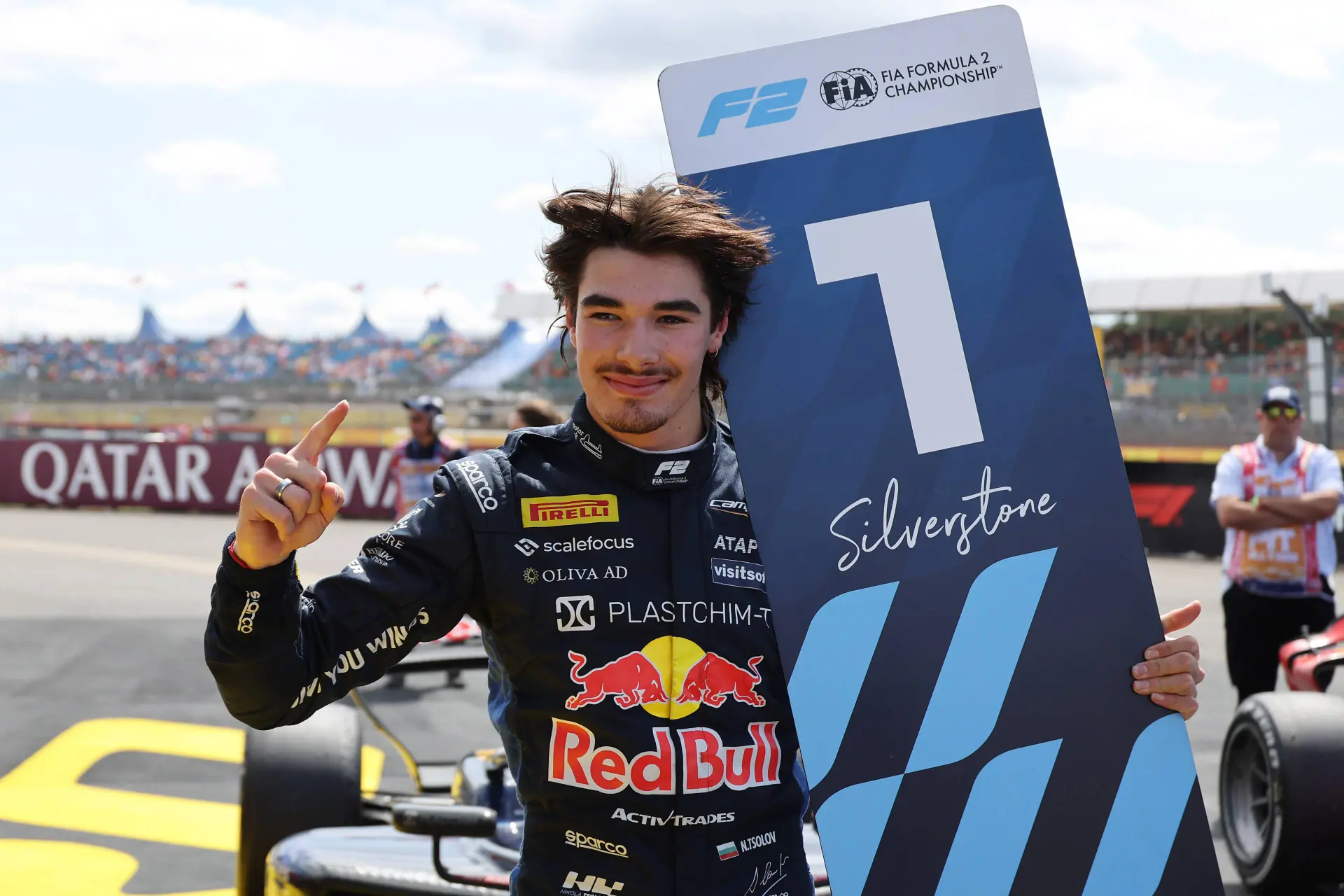
Photo: Race Pictures

Ben Hunt is an award-winning motorsport journalist with over two decades of experience in Formula 1 and international media. As a former editor-in-chief and bestselling author, he delivers in-depth analysis and strategic insight from the highest level of the sport.
Nikola Tsolov is preparing for a pivotal milestone in his young racing career as he heads to Imola for a private Testing of Previous Cars (TPC) outing. While test running behind closed doors often goes under the radar, the Bulgarian prodigy’s mileage at the iconic Italian circuit carries enormous regulatory significance under the FIA rulebook.
The primary hurdle standing between rising stars and official Formula 1 sessions is the stringent superlicence system.
To qualify for a full race seat, a driver must accumulate at least 40 points over a three-year period. Tsolov, who joined the Red Bull Junior Team ahead of the 2025 season and is racing for Campos Racing in the F2 series, currently sits on 25 points, putting him firmly on the path toward full qualification.
However, the FIA regulations feature an essential provision regarding mandatory practice outings that significantly lowers the immediate barrier for emerging talent.
Under the FIA International Sporting Code, a driver does not need the complete 40-point tally to take part in an official Grand Prix weekend. Instead, a driver who has accumulated at least 25 superlicence points can obtain a Free Practice Superlicence, provided they complete 300 kilometres in representative Formula 1 machinery across a maximum of two days.
ADVERTISEMENT

Photo: Race Pictures
This is precisely where the Imola TPC test becomes crucial. Completing the required 300-kilometre distance at Imola completes that final procedural criterion.
Once that benchmark is cleared, Tsolov, who has taken six wins and eight podiums in 2026, immediately becomes eligible to participate in official Free Practice 1 sessions on a Grand Prix weekend.
With the European leg of the calendar in full swing, achieving eligibility tomorrow opens the door for potential FP1 appearances as early as the Italian Grand Prix at Monza.
Every Formula 1 team is mandated by regulation to allocate rookie practice outings throughout the championship campaign, and securing this qualification places Tsolov directly in contention for track time during a race weekend.
ADVERTISEMENT
The TPC regulations provide junior drivers with invaluable seat time in modern hybrid machinery, but their true strategic value lies in clearing the regulatory pathway for official paddock running.
As Tsolov takes to the asphalt at Imola, the focus is not merely on lap times or system checks, but on logging the vital laps that will officially unlock the door to Formula 1 Grand Prix weekends.
As Tsolov takes to the asphalt at Imola, the focus is not merely on lap times or system checks, but on logging the vital laps that will officially unlock the door to Formula 1 Grand Prix weekends.
Don’t miss GPblog in Google
Mark us as a preferred source and our articles will appear more often at the top of Top Stories.
Add as a preferred / source on Google