
A filmmaker with a soft spot for Ronnie Peterson, Gilles Villeneuve, Mika Hakkinen and above all, Tazio Nuvolari and Ayrton Senna, is also a diehard Formula One fan since the age of 4 (mid-90's). An avid researcher of the past of Grand Prix Racing since before it was even named F1, and with a thirst for knowledge of the ins and outs of the actuality of the sport, as well as for the technical aspects that define it, is a member of GPblog since 2023, where he has put his love of racing to good use.
At the Miami Grand Prix, the hierarchies in the Formula 1 field suddenly appeared to shift from the races before. While some critics spoke of a Red Bull decline, Pierre Waché tells a different story.
After a particularly dominant season in 2023 in which Red Bull Racing won 21 out of 22 races, the Austrian racing stable looked set to do the same in 2024. Indeed, at the start of the season, Max Verstappen won four out of the first five races.
But at the sixth Grand Prix of the season, in Miami, there was a shift at the front. Not Red Bull, but McLaren suddenly had the fastest car in the field, a factor which contributed to Lando Norris winning his first Grand Prix that weekend.
Red Bull does not speak of a dip in performance
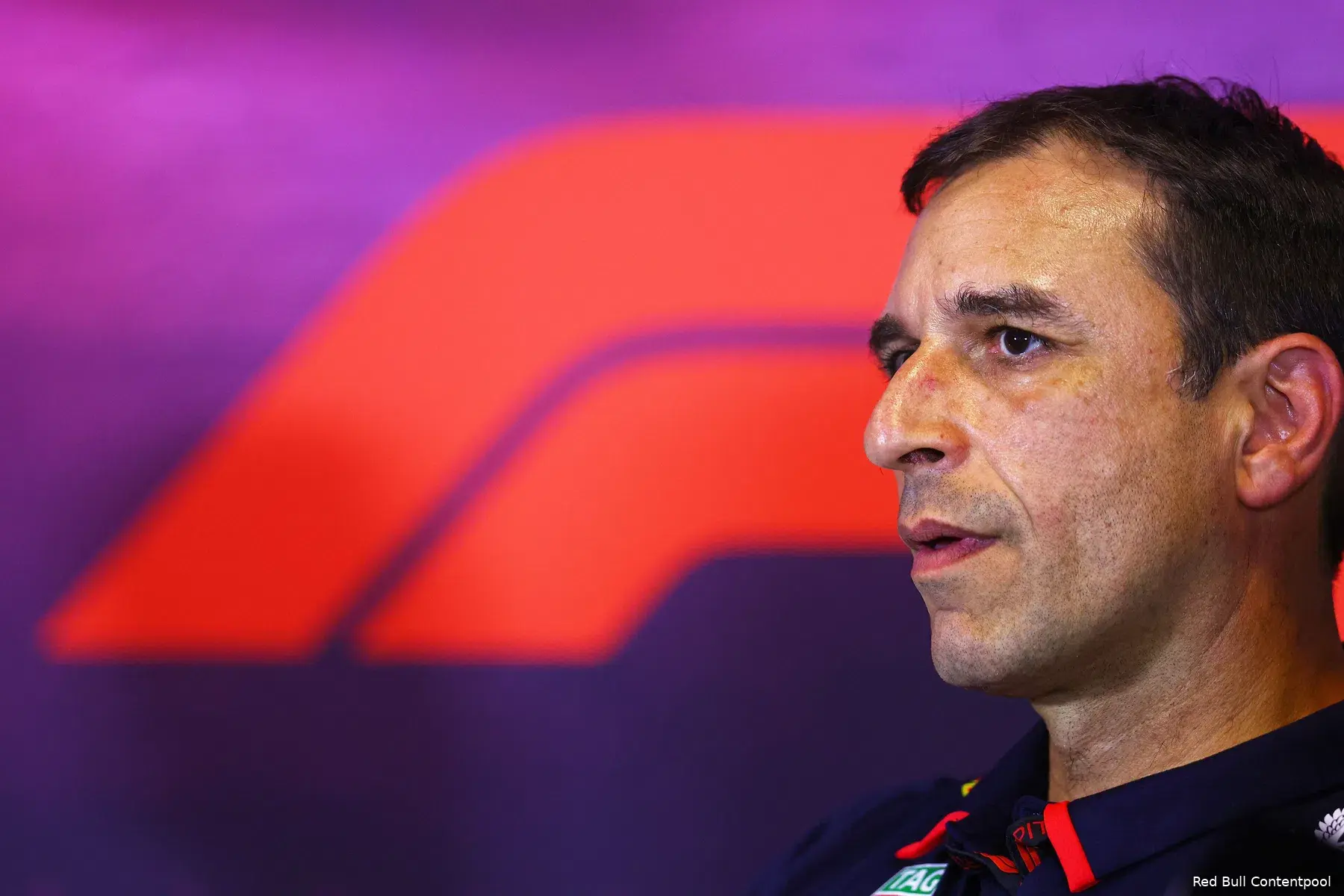
Fans and critics spoke of a Red Bull decline, but the Austrian team's Technical Director, Pierre Waché, denies this. In fact, the Frenchman claims Red Bull had not changed anything about the RB20 by then.
ADVERTISEMENT
Therefore, when asked by Motorsport.com what had changed since the race in Florida, Waché could not answer. "That is a good question because we have not changed the car. We didn't change the way we tuned the car either, so it seems that that turnaround was more down to others than to ourselves, so others made a big move."
So it was not Red Bull, but McLaren that caused the shift in hierearchies at the top. The Frenchman admires how quickly the Woking-based racing stable was able to make the new package work. Especially in tyre wear, McLaren suddenly proved a lot better than Red Bull, much to Waché's surprise. McLaren maintained the fastest car throughout the season. This ultimately led to the Woking-based racing stable winning the constructors' title, while Red Bull however finished third in the standings.
The Austrian racing stable was also accused of using asymmetric braking which helps cars be more stable and balanced upon corner entry, providing an edge in performance, which was then deemed irregular by the FIA. According to Waché, Red Bull did not take have such a system, so they did not have to modify the car after all.
This article was written in collaboration with Sandy van Wjingaarden.
Want more Formula 1? Then follow GPblog on our various social media channels too!
ADVERTISEMENT
Don’t miss GPblog in Google
Mark us as a preferred source and our articles will appear more often at the top of Top Stories.
Add as a preferred / source on Google
