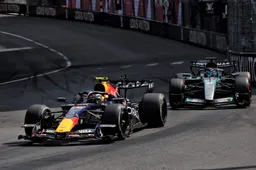
Mercedes go into detail on pit lane blunder behind Russell's drive-through
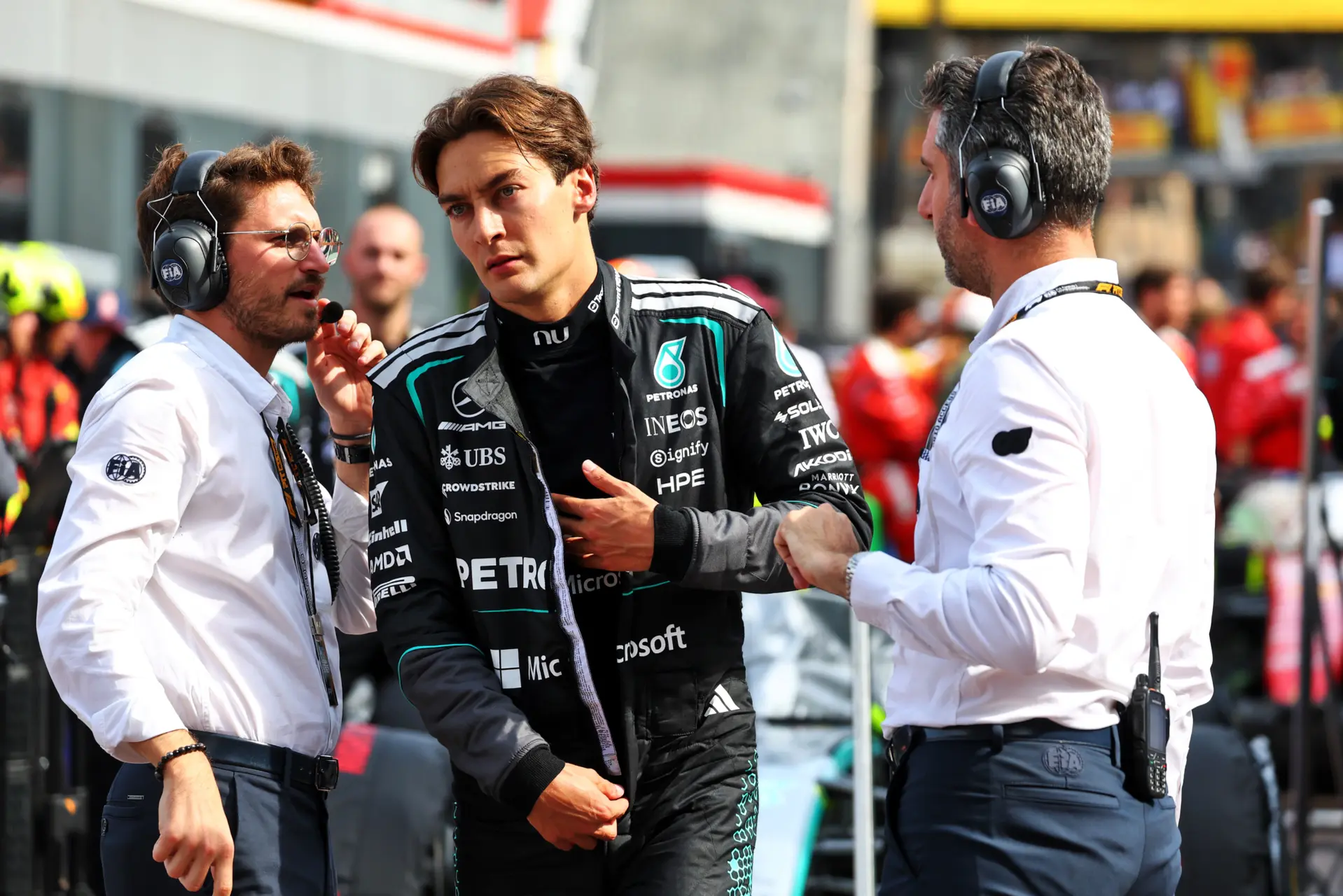
Photo: Race Pictures
Tobia is a Formula 1 journalist at GPblog with experience at international circuits. Since 2022, he has covered Grands Prix across Europe, delivering reliable coverage and insights from the paddock.
Mercedes Trackside Engineering Director Andrew Shovlin has reflected on the Brackley-based team's Monaco Grand Prix weekend, also addressing the penalty mishap that ultimately derailed Russell's race. The Briton failed to serve a previous sanction correctly, which later resulted in a drive-through penalty that dropped him down the order and severely compromised his final finishing position.
Russell was handed a five-second penalty for speeding in the pit lane during the race, a sanction that was also imposed on several other drivers throughout the race. Under the regulations, the penalty either had to be added to his race time if he did not make another pit stop, or served during a stop by keeping the car stationary for five seconds before any work could begin.
Although Russell did pit, the procedure was not carried out correctly, resulting in a further drive-through penalty. Following the restart after the red flag, the Briton dropped out of the points, while his teammate went on to secure another crucial victory in the championship battle.
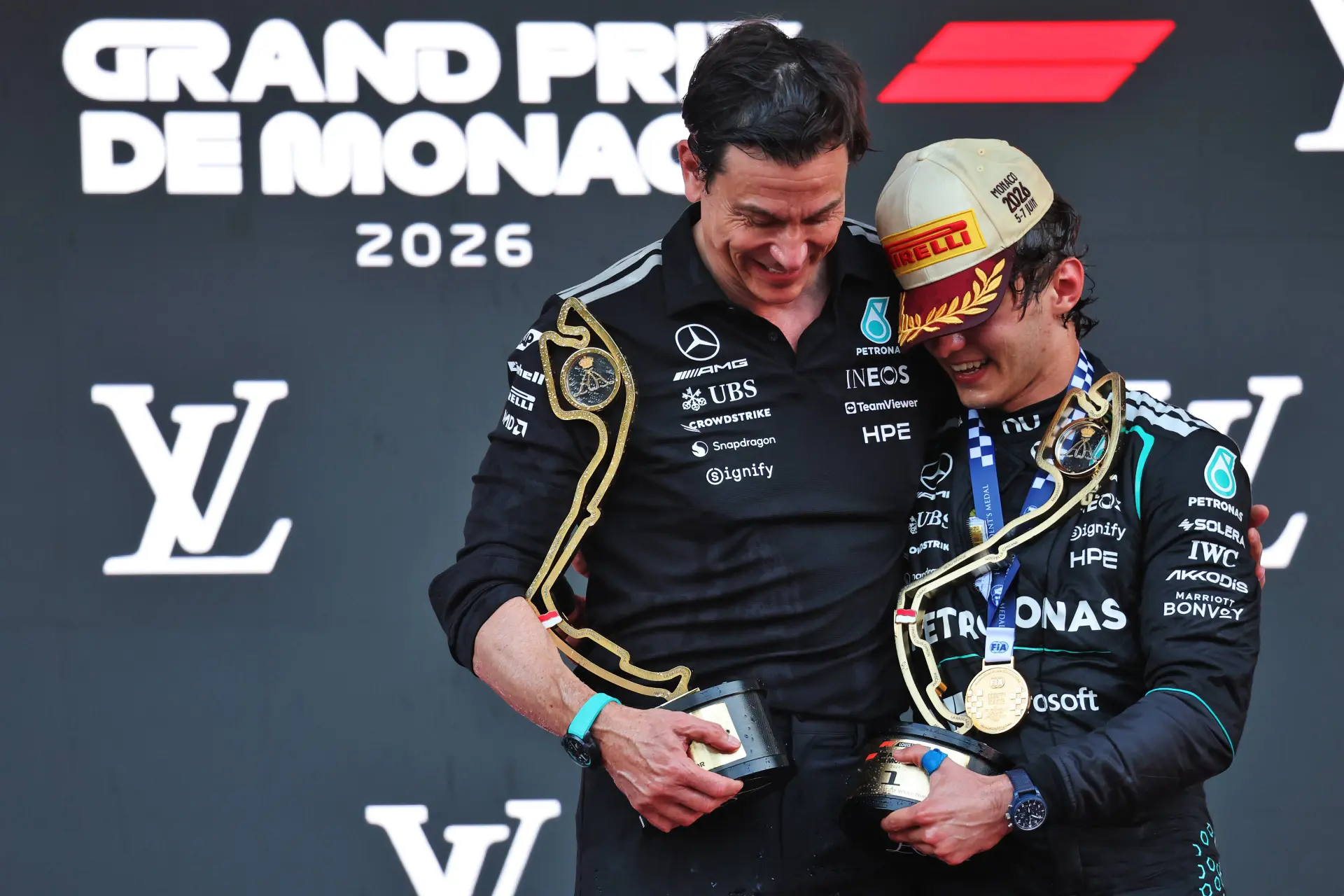
Speaking during Mercedes' customary post-race debrief, Shovlin explained that the team initially intended to pit Kimi Antonelli under the Safety Car while calculating whether George Russell, carrying both a penalty and the time loss from waiting behind Antonelli's stop, would remain ahead of Hadjar. Once Mercedes concluded he would not, Russell was instructed to stay out.
ADVERTISEMENT
However, after missing the first opportunity to stop him, the team opted to bring Russell in on the following lap. At that stage, the FIA announced that the Safety Car would be using the pit lane, while Antonelli was already being serviced as planned. Shovlin admitted Mercedes' key mistake was failing to inform Russell to remain in the fast lane.

Photo: Race Pictures
With both sets of tyres positioned in the garage, Russell assumed the tyres were intended for him and turned into the pit box, catching the mechanics off guard. As a result, they were not prepared to correctly serve his penalty,
"When the safety car came out, the plan was to bring Kimmy in, and we were just doing the calculations, working out that George, with his pit stop, with the penalty, and now the added fact that he had to wait for Kimi's car to be serviced to understand whether he would still be ahead of Hadjar. We concluded he would not, so we told George to stay out.
"Now, having missed Kimi's stop the first time, we still had an opportunity the second time around. So we called him in, and at that point, the message came up that the safety car will go through the pit lane. So Kimi was being serviced as planned. What we failed to do was get the message to George to stay in the fast lane, and both sets of tyres were there. That's normal because you do that in a safety car because your plans can change depending on what the other teams do.
ADVERTISEMENT
"Although we told George to stay out, when they came through the pit lane, he saw his tyres. We didn't have time to get a message to him to say stay in the fast lane, and because he assumed that they were for him, he pulled into the box. Because the mechanics weren't expecting him, they weren't ready to serve the penalty. So, certainly things there that we can learn from and improve in future."
Wolff admits Mercedes mistake after Russell’s Monaco penalty nightmare
Wolff has shed further light on the chain of events that compromised Russell's Monaco Grand Prix, admitting Mercedes bore responsibility for one of the key mistakes that contributed to the Briton's difficult afternoon.
While the Mercedes team boss was unable to provide a clear explanation for several of the penalties handed out during the race, he acknowledged that the team's handling of Russell's stop was not up to standard. According to Wolff, Mercedes now needs to review the communication between the pit wall and the driver to fully understand how the situation unfolded and why Russell was not prevented from missing the penalty procedure.
“Not quite sure what the reason was for the penalty and for the many other penalties, whether it's cutting, and then obviously the pit lane time is too quick, because there will have been a dozen pit lane speeding incidents, that's number one. So I can't really give you an answer,” he told GPBlog among others.
ADVERTISEMENT

Photo: Race Pictures
“As for not serving the stop, clearly our mistake. We need to look at our communication, whether we actually expected him to come in. Because I think what I remember is about staying out and not coming in. But nevertheless, you've got to be on it then to hold him, and we didn't.”

Don’t miss GPblog in Google
Mark us as a preferred source and our articles will appear more often at the top of Top Stories.
Add as a preferred / source on Google