Imperious Norris sends a crucial and timely message that underlines his champion status
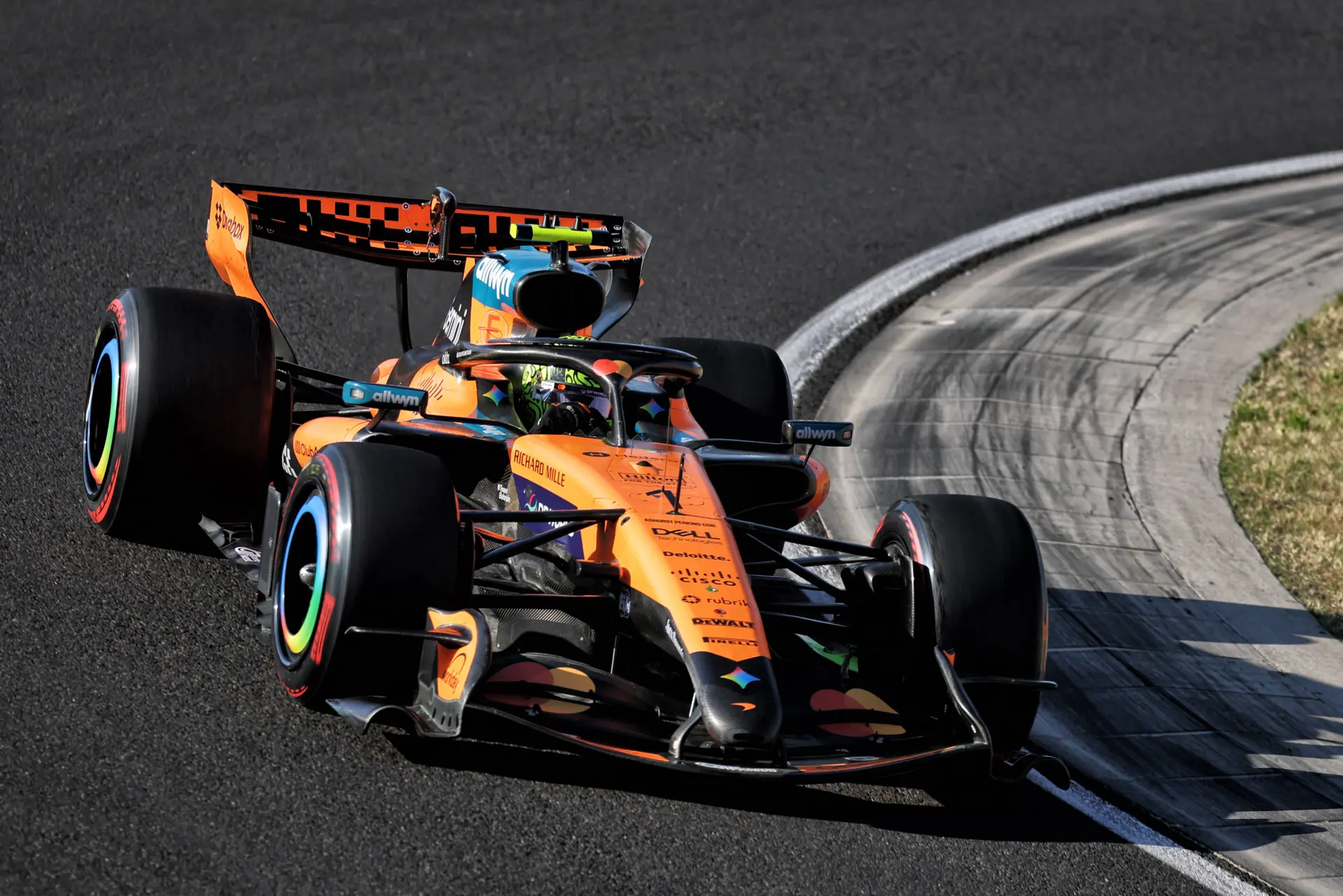
Photo: Race Pictures

Ben Hunt is an award-winning motorsport journalist with over two decades of experience in Formula 1 and international media. As a former editor-in-chief and bestselling author, he delivers in-depth analysis and strategic insight from the highest level of the sport.
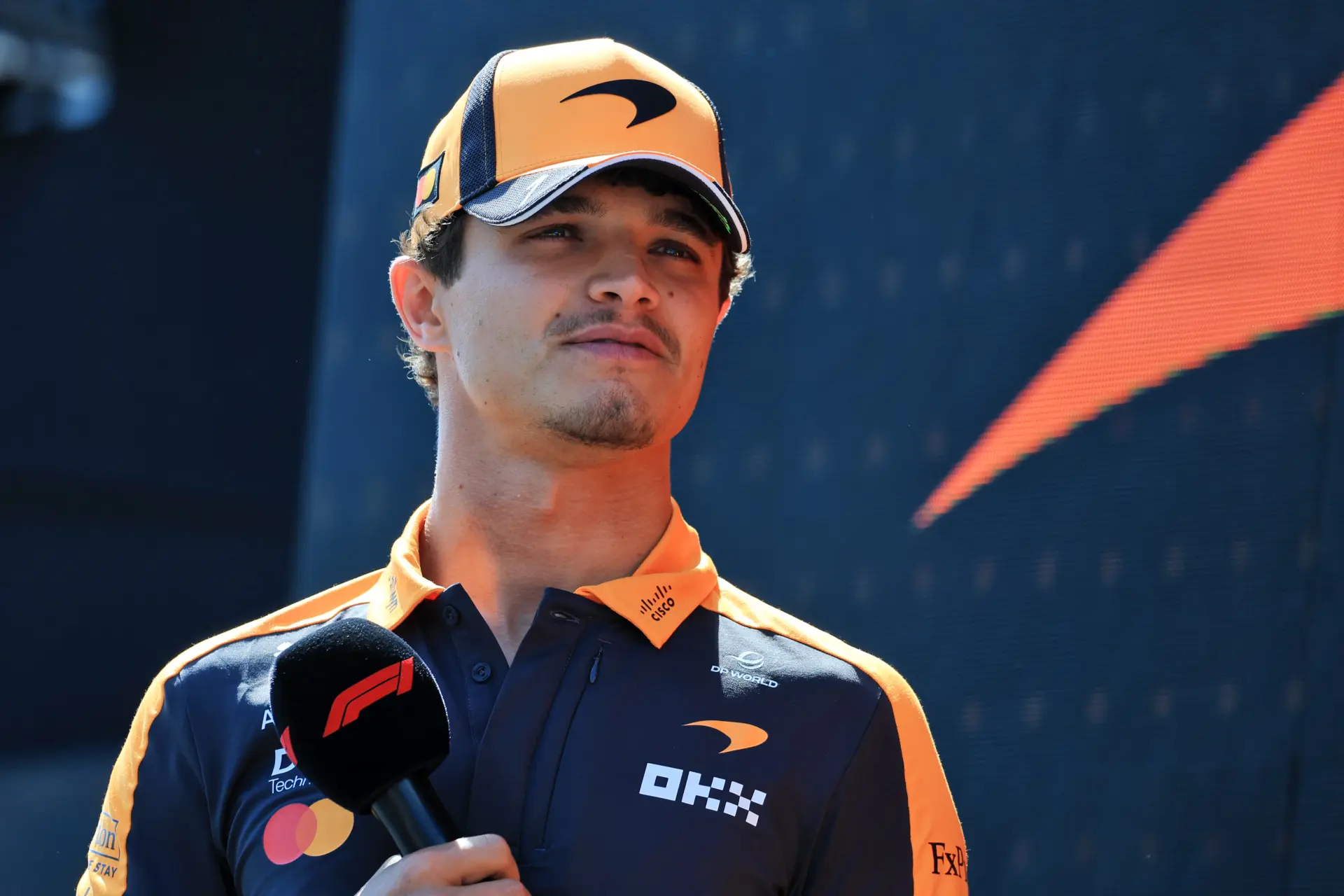
Lando Norris’ victory at the 2026 Hungarian Grand Prix was a statement of intent, a demonstration of control and, perhaps most importantly, a timely reminder of the level that made him world champion.
For the first time since securing that title, Norris stood on the top step of the podium as Formula 1’s champion. Until now, he has been forced to fight to retain the title with one hand behind his back, as McLaren's decision to develop long into 2025 and help him win the title has meant they are playing catch up in 2026.
The car has not been strong enough, but also there were questions asked about Norris. He'd won the title, but did he have the hunger and desire to retain it? A champion is judged by how they respond when pressure rises and when rivals — including their own team-mate — are ready to seize any sign of weakness.
But at the Hungaroring, Norris did not show weakness. He was quick, composed and imperious.
The foundations of the win were laid on Saturday. Pole position around the tight, technical Budapest circuit gives any driver a crucial advantage, but converting that advantage is not automatic. The pole sitter had not won this race in the five previous races. But Norris broke that statistic.
He had the pace to command the weekend and the discipline to see it through. There was no sense that he was simply clinging to the lead or waiting for others to make a mistake. Instead, he controlled the race in the manner expected of a world champion. Norris looked like himself again. He looked like a driver entirely comfortable at the head of the field, capable of setting the pace rather than merely responding to it.
For Norris, winning his first race as reigning world champion carries emotional weight. He has now crossed another psychological threshold. The title was not the end of the story but had created a new challenge.
The car has not been strong enough, but also there were questions asked about Norris. He'd won the title, but did he have the hunger and desire to retain it? A champion is judged by how they respond when pressure rises and when rivals — including their own team-mate — are ready to seize any sign of weakness.
But at the Hungaroring, Norris did not show weakness. He was quick, composed and imperious.
The foundations of the win were laid on Saturday. Pole position around the tight, technical Budapest circuit gives any driver a crucial advantage, but converting that advantage is not automatic. The pole sitter had not won this race in the five previous races. But Norris broke that statistic.
He had the pace to command the weekend and the discipline to see it through. There was no sense that he was simply clinging to the lead or waiting for others to make a mistake. Instead, he controlled the race in the manner expected of a world champion. Norris looked like himself again. He looked like a driver entirely comfortable at the head of the field, capable of setting the pace rather than merely responding to it.
For Norris, winning his first race as reigning world champion carries emotional weight. He has now crossed another psychological threshold. The title was not the end of the story but had created a new challenge.
Norris renews pressure on Piastri
McLaren may not formally designate a number one driver, and Piastri remains a driver with the ability to challenge Norris on pace. But teams are shaped by performance when championships are at stake. The driver who delivers poles, victories and calm execution at crucial moments naturally becomes the reference point inside the garage.
Norris made himself that reference point in Budapest, as even when he was behind Piastri in the race, he started trying to dictate the strategy, calling his team to allow him into the pits first.
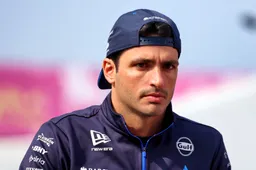
McLaren did not yield, to their credit, they pitted Piastri first, but the Aussie was clattered by Carlos Sainz, earning the Williams driver a penalty, while for Piastri things got worse when he suffered a gearbox failure.
Piastri's DNF means he needs to respond. He must show that Hungary was an anomaly rather than evidence of a widening gap and that he does not buckle under pressure from his own team-mate. This race was peak Norris, and one of his best in F1, but the narrative for Piastri is not that of being unlucky with the clash with Sainz or indeed the gearbox retirement, but that he was pressured by Norris.
Norris later admitted that he knew from the start that he was going to win the race. A perfectly executed example of driver aggression. A moment that proved he can be the best in the world that his world title is not only to be defended, but a crown that he is ready to define on his own terms.
Norris made himself that reference point in Budapest, as even when he was behind Piastri in the race, he started trying to dictate the strategy, calling his team to allow him into the pits first.
McLaren did not yield, to their credit, they pitted Piastri first, but the Aussie was clattered by Carlos Sainz, earning the Williams driver a penalty, while for Piastri things got worse when he suffered a gearbox failure.
Piastri's DNF means he needs to respond. He must show that Hungary was an anomaly rather than evidence of a widening gap and that he does not buckle under pressure from his own team-mate. This race was peak Norris, and one of his best in F1, but the narrative for Piastri is not that of being unlucky with the clash with Sainz or indeed the gearbox retirement, but that he was pressured by Norris.
Norris later admitted that he knew from the start that he was going to win the race. A perfectly executed example of driver aggression. A moment that proved he can be the best in the world that his world title is not only to be defended, but a crown that he is ready to define on his own terms.
Read also
ADVERTISEMENT
Don’t miss GPblog in Google
Mark us as a preferred source and our articles will appear more often at the top of Top Stories.
Add as a preferred / source on Google