Red Bull's ADUO benchmark status came as no surprise for Honda

Photo: Race Pictures
Updated:
8 Comments
Tobia is a Formula 1 journalist at GPblog with experience at international circuits. Since 2022, he has covered Grands Prix across Europe, delivering reliable coverage and insights from the paddock.
Honda Trackside General Manager Shintaro Orihara said Red Bull's position as the benchmark for internal combustion engine development under the ADUO regulations was largely in line with the FIA's subsequent assessment.
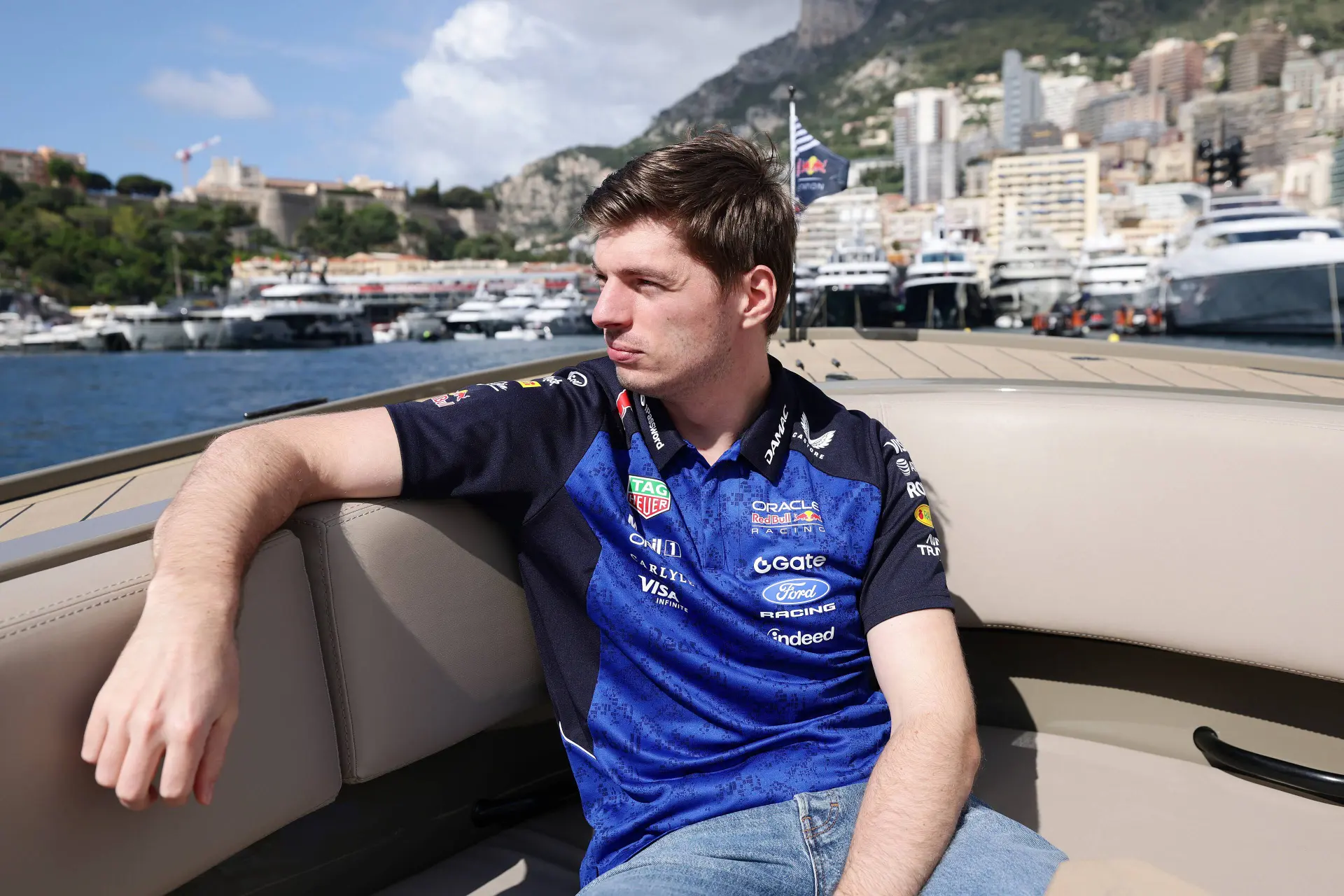
Although the RBPT project only got underway this year and therefore lacked the previous experience enjoyed by established manufacturers such as Mercedes, Ferrari and Honda, the Ford-backed programme emerged as the most competitive on the internal combustion side. The result highlights the impressive work carried out in Milton Keynes, but also leaves rivals with room for optimism, as Red Bull is currently unable to make changes to its power unit, unlike the other engine manufacturers.
While Red Bull appears to have established itself as the benchmark in terms of ICE performance, Mercedes is understood to be the closest challenger, trailing by around 2%. Ferrari is believed to sit roughly 4% behind the benchmark, placing the Italian manufacturer in a position to benefit from additional development opportunities. Audi is thought to occupy the next tier, with estimates suggesting a deficit of between 4% and 6%, while Honda reportedly faces the biggest challenge, with sources indicating it is currently between 6% and 8% adrift of Red Bull's package.
Speaking to GPBlog among other media in Barcelona, Orihara said Honda's own expectations were broadly in line with the FIA's assessment, praising the work carried out by RBPT and expressing respect for what the company had managed to achieve: "Our expectation and FIA are kind of similar. I think RBPT did a great job. I respect what they have done. And the number we received from FIA is quite fair for us."

Photo: Race Pictures
ADVERTISEMENT
The Japanese later downplayed the significance of the ADUO assessment, insisting that Honda already has a clear understanding of where performance is lacking. He explained that the manufacturer knows exactly which areas require improvement and already has a broader plan in place to close the gaps, with its focus remaining firmly on its own development work.
"I would say probably doesn't matter what ADUO says, so we know where we need to improve and where we are, say, miss the performance. We have the big picture how we improve our performance. We focus on what we are doing."
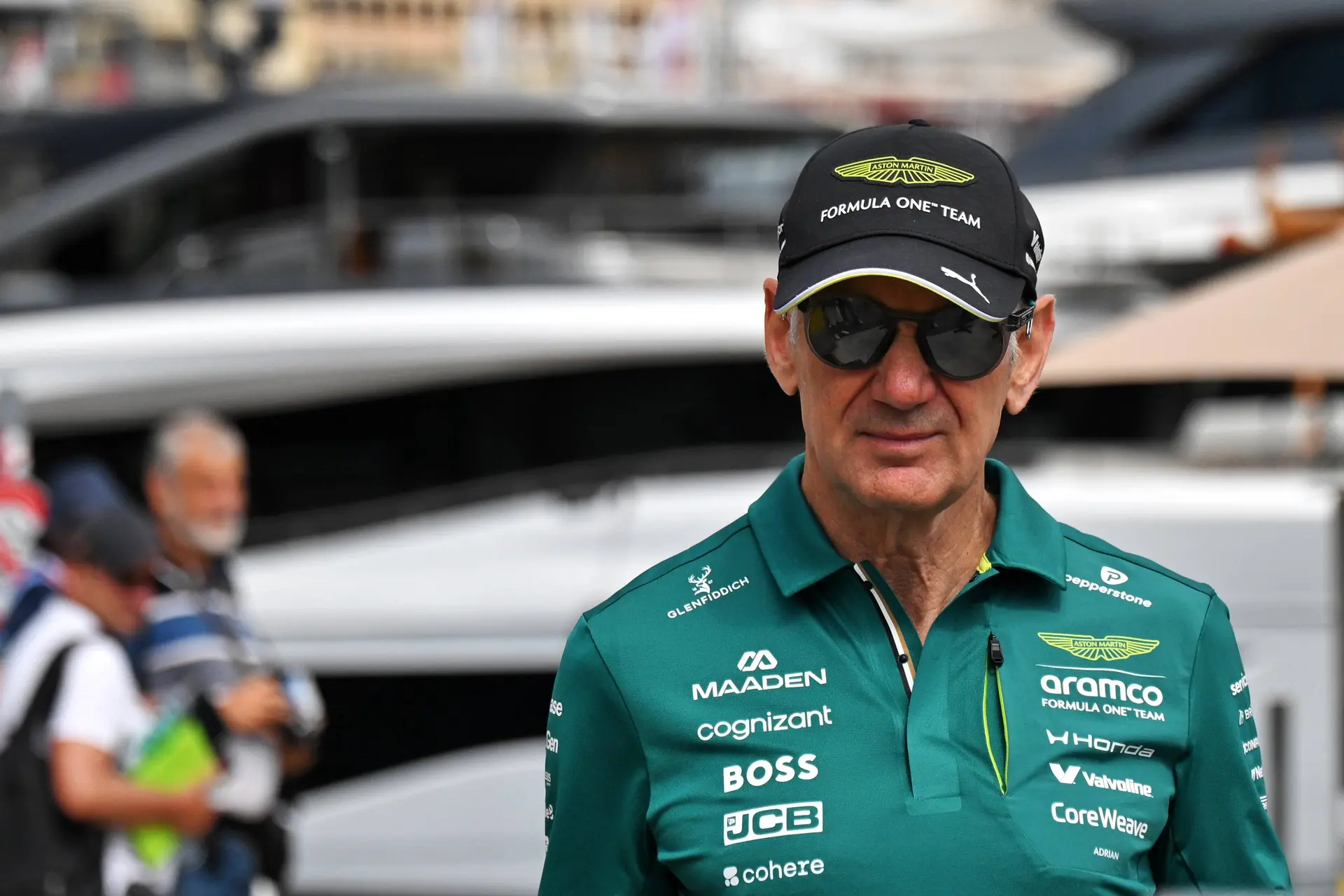
Mike Krack then stepped into the discussion, stressing that Aston Martin and Honda are maintaining strong communication throughout the development process. He explained that both sides are fully aware of the areas that still need improvement and are being transparent with each other about their current progress, development targets and overall objectives.
"We have good communication with our partner Honda and we know we have to improve both sides and we are quite transparent in where we are in terms of development and what we want to get, and where we are at this point. So I think we're quite confident that we can bring some good steps."
ADVERTISEMENT
Alonso: 'We need to wait another four or five painful results before changes'
Summing up his Monaco Grand Prix, Alonso described the race as an extremely demanding challenge, pointing to the Aston Martin's unpredictable handling and the constant risk of making a costly mistake around the streets of Monte Carlo. Starting near the back and committing to an early pit stop strategy only added to the difficulty, forcing him to manage ageing tyres for almost the entire race distance while wrestling with a car he felt was already operating on a knife edge.
The Spaniard also explained that the conditions around the circuit gradually deteriorated as the race progressed. Debris and tyre marbles increasingly covered the racing line in several areas, creating a situation that made incidents almost inevitable. In his view, it was therefore no surprise to see multiple drivers caught out, including teammate Lance Stroll, who retired after crashing at Turn 19.

Photo: Race Pictures
Despite eventually finishing in the points, Alonso saw little reason for optimism. The two-time world champion argued that Monaco merely exposed another weakness in Aston Martin's package, adding to a growing list of shortcomings identified throughout the season. While previous races had highlighted issues related to power unit performance, energy deployment and other aspects of the car, Alonso felt the Principality laid bare the team's limitations from a chassis perspective, leaving Aston Martin with yet another area requiring significant improvement.
ADVERTISEMENT
Don’t miss GPblog in Google
Mark us as a preferred source and our articles will appear more often at the top of Top Stories.
Add as a preferred / source on Google