Latest Iran war warning raises fresh questions over F1’s Qatar and Abu Dhabi finale
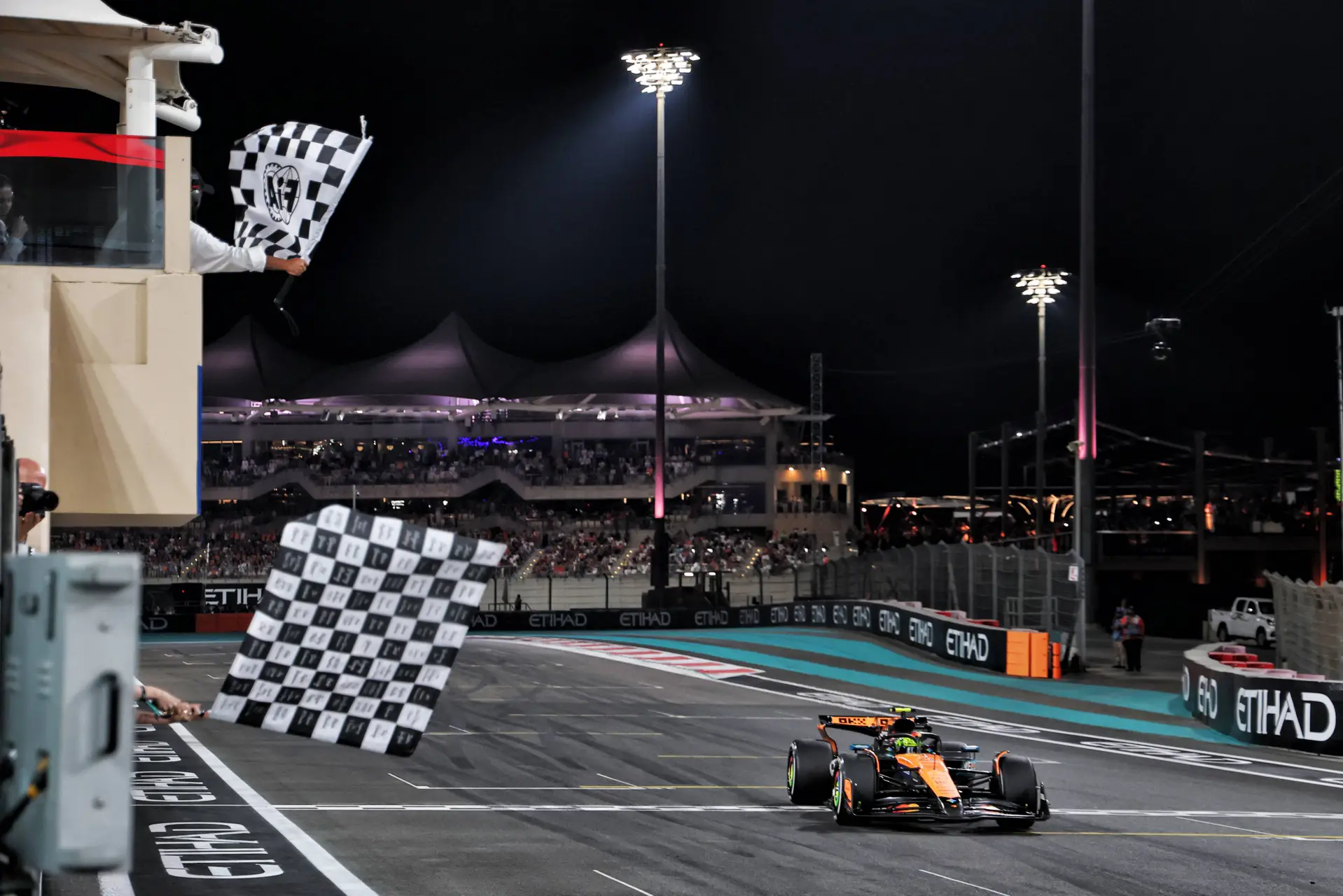
Due to unrest in the Middle East, the season finale may not be held in Abu Dhabi - Photo: RacePictures
Updated:
1 Comments

Ben Hunt is an award-winning motorsport journalist with over two decades of experience in Formula 1 and international media. As a former editor-in-chief and bestselling author, he delivers in-depth analysis and strategic insight from the highest level of the sport.
Formula 1’s planned season finale in Qatar and Abu Dhabi faces further scrutiny after a report that the United States has warned Gulf countries to prepare for a possible renewal of military action against Iran after the American midterm elections.
The Wall Street Journal reported on October 28 that Washington had communicated warnings about a short, intense campaign through diplomatic and military channels, citing people briefed on those conversations. That does not mean an operation has been approved, or that either Grand Prix will be cancelled. However, the timing creates an uncomfortable backdrop for F1’s final two weekends.
Qatar is scheduled for November 27–29, followed by Abu Dhabi on December 4–6. Any escalation after the elections could therefore develop while teams are preparing to transport personnel and equipment into the region.
GPBlog has also revealed how F1 chiefs are waiting to see the results of the mid term elections before decision on whether the races go ahead as planned.
Why the risks extend beyond the circuits
ADVERTISEMENT
For Formula 1, the central issue is not simply whether racing can safely take place at Lusail and Yas Marina. It is whether the entire operation can arrive, function and leave without unacceptable exposure to a changing security situation.
The championship requires international flights, freight movements, accommodation and transport for drivers, mechanics, officials, broadcasters, media and other personnel. Even without an incident near either circuit, potential airspace restrictions or flight cancellations could disrupt those arrangements significantly.
A venue can remain operational while the wider journey becomes significantly more complicated, especially with the Las Vegas race before the Qatar race. Any assessment must therefore look beyond the circuit perimeter and consider what happens if conditions deteriorate after the paddock arrives.
The FIA’s position has so far been that both races should proceed. As GPblog previously reported, president Mohammed Ben Sulayem said the federation would not take staff, drivers or officials somewhere it considered risky.
His comments also acknowledged the limits of that assessment in that he could describe the situation at the time, but could not predict future developments, which means the latest report makes that qualification relevant.
ADVERTISEMENT
Security assurances are necessarily based on current information. If the circumstances change, the reasoning behind an earlier decision must be reassessed rather than treated as a guarantee covering the remaining weeks.
F1’s calendar has already felt the impact
There is already a sporting precedent for disruption this season. The Bahrain and Saudi Arabian Grands Prix were cancelled in April amid the regional conflict, with Bahrain’s event subsequently staged at Sepang in October.
That history underlines why questions about Qatar and Abu Dhabi cannot be dismissed as hypothetical calendar speculation. Regional instability has already changed where, and whether, Formula 1 races in 2026.
ADVERTISEMENT
GPblog has also reported on Imola as a potential alternative for the season finale. However, the existence of a fallback should not be confused with a confirmed replacement as rearranging an international race requires practical decisions well before the scheduled start.
The later any change comes, the harder it could become to redirect freight, revise travel plans and give teams, organisers and spectators certainty.
There are sporting consequences too. Removing or replacing either event would alter the remaining opportunities to score points, potentially affecting championship positions throughout the field. Those implications, while important, cannot take priority over safety.
A warning, not a cancellation announcement
ADVERTISEMENT
For now, the distinction between a warning and a decision remains essential. The reported American communications do not establish that Qatar or the United Arab Emirates will be attacked, nor do they confirm that Formula 1’s finale is unsafe.
What they do establish is a reason for renewed scrutiny. F1 and the FIA face a decision that must remain responsive to events, rather than anchored to earlier assurances.
With consecutive races approaching, the key question is whether the conditions supporting those assurances still hold when the paddock is due to travel. The calendar may remain unchanged today, but the security assessment cannot stand still. Rather like the races during the COVID pandemic, the situation remains fluid, unless F1 decided to take action and negate the threat in the first place, albeit at the lost of considerable hosting fees.
Don’t miss GPblog in Google
Mark us as a preferred source and our articles will appear more often at the top of Top Stories.
Add as a preferred / source on Google