'Called to the headmaster's office': Antonelli's verdict on Wolff meeting surfaces
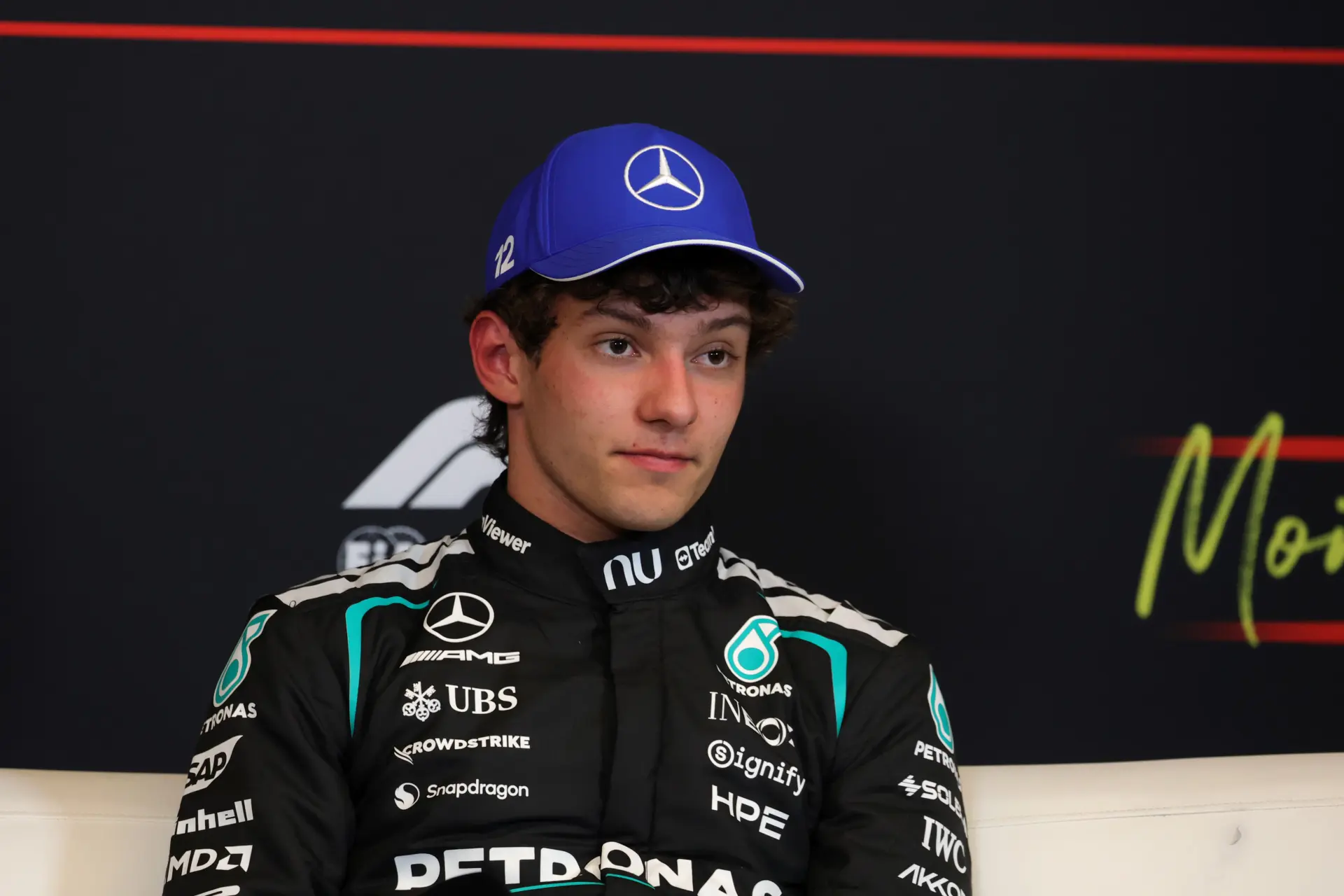
Photo: Race Pictures
Updated:
1 Comments

Samson Ero is a Formula 1 editor at GPblog with seven years’ experience in sports media. He covers key paddock developments, offering analysis on drivers, teams, and performance trends, with work featured on leading platforms.
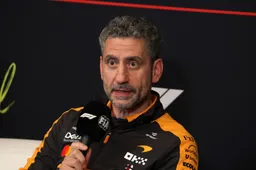
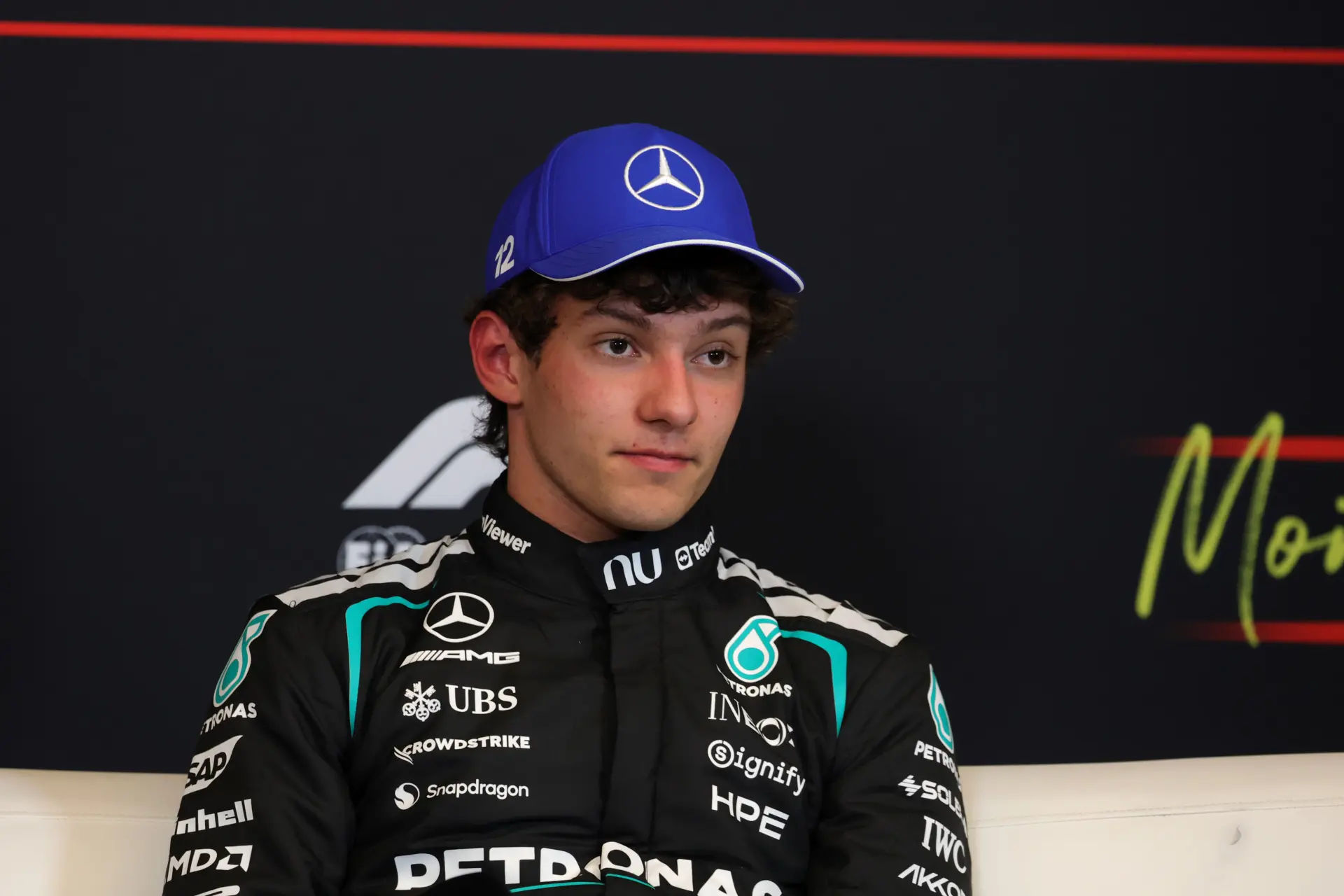
Mercedes deputy team principal Bradley Lord has revealed that Kimi Antonelli compared the conversation he and teammate George Russell had with Toto Wolff following their Canadian Grand Prix Sprint clash to being summoned to the headmaster's office.
Appearing on The Nu Silver Arrows Podcast alongside trackside engineering director Andrew Shovlin, Lord was asked about the debriefs and discussions that typically take place after race weekends. He specifically reflected on the aftermath of the incident involving the two Mercedes drivers during the Sprint in Canada.
Lord explained that both drivers sat down with Wolff to discuss the incident and how they should race each other going forward, with Antonelli making a light-hearted comparison to a school disciplinary meeting.
“After the Sprint in Canada, there was a sit-down and a chat with Toto, as well as with the two drivers. They talked about how the Sprint had gone and how they want to race each other going forward. Kimi referred to it as being a little bit like being called to the headmaster’s or the principal’s office,” Lord said.
ADVERTISEMENT
The Mercedes deputy team principal went on to explain that Wolff's message centred on ensuring both drivers continue to race hard while keeping the team's interests ahead of their own individual ambitions.
“That again was a very constructive and very amicable conversation. The message from the drivers was clear: trust us to race each other. That's what you've hired us to do, and we can do it. We're capable of doing it and making sure that racing is always carried out with the interests of Mercedes foremost, not just the individual priorities of each driver,” he added.

Toto Wolff, George Russell and Kimi Antonelli - Photo: Race Pictures
Lord, however, concluded by noting the importance of such conversations, considering what is at stake for both drivers following the impressive start to the campaign that Mercedes have enjoyed so far.
“It was important to talk, important to have those incidents and to recognise what's at stake this year. They are racing for wins at each race weekend so far, potentially for a championship if we can continue this form further into the season. It is important for the team as well to recognise that this is their lifelong dream, that they've worked all these years in karting, through the junior formulae and now into F1. You have to respect the magnitude of that challenge for the drivers as well. I think we came out of it in a pretty good place. As we saw on Sunday, there was some awesome racing,” he concluded.
ADVERTISEMENT
At the Canadian Grand Prix Sprint, both Antonelli and Russell made contact. Russell, who had started the race on pole, gave a hard squeeze to Antonelli, who attempted an overtake into Turn 1 at Circuit Gilles Villeneuve. The young Italian was visibly frustrated by Russell's defensive move and immediately voiced his displeasure over team radio. The 19-year-old even called for his teammate to be penalised, with Wolff eventually stepping in to calm the situation.
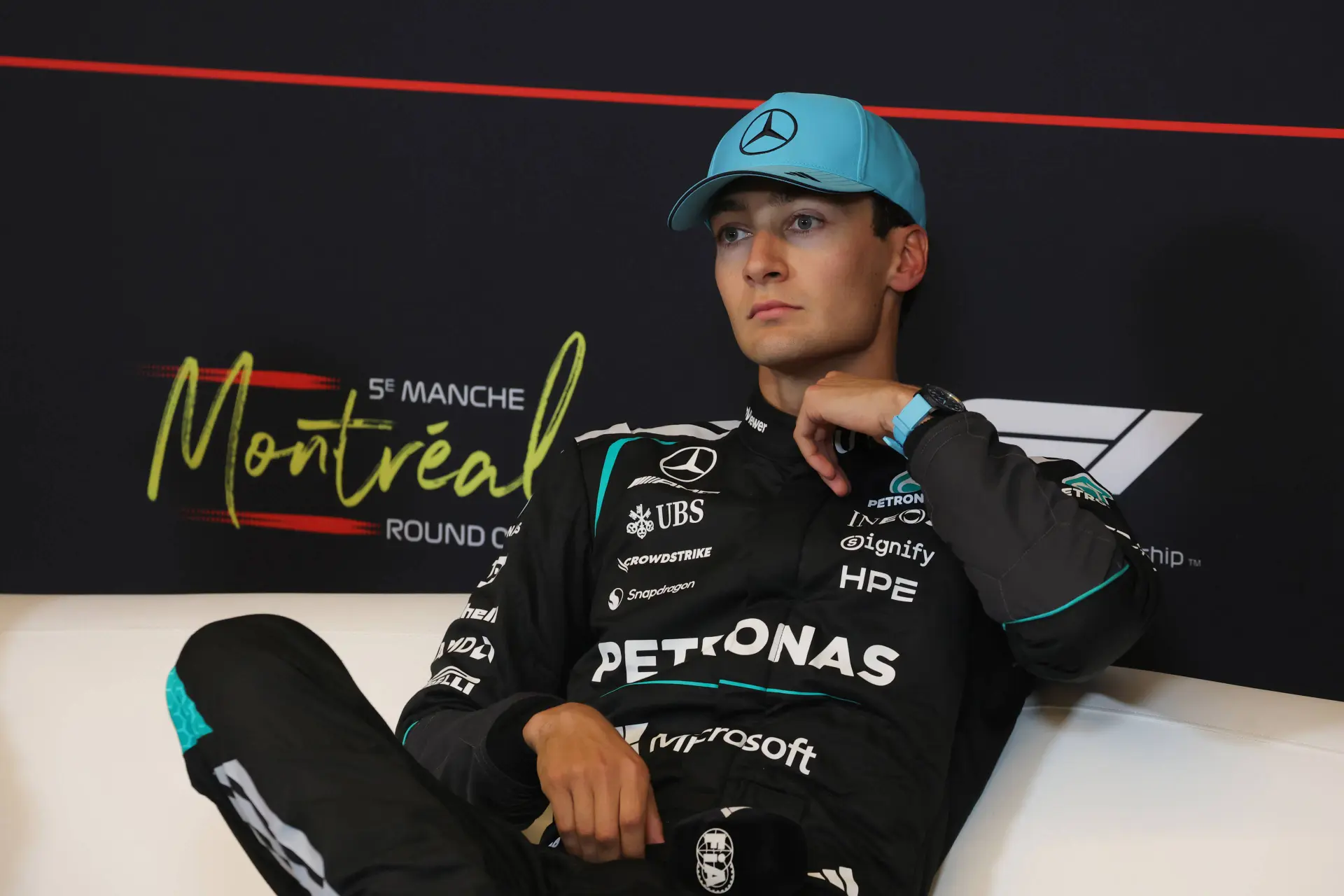
Wolff did not appreciate Antonelli’s radio message
Earlier, Wolff himself admitted that he was not particularly pleased with Antonelli’s radio rant during the Canadian Grand Prix Sprint. The 54-year-old team boss noted, however, that there is still room for improvement in how such situations are handled over team radio, while also acknowledging that drivers are naturally emotional in the heat of battle.
“No, I don't think so. You know, obviously, when you listen to some of the radio comms, I think there's room for improvement. But in terms of wearing your heart on your sleeve, that’s fine, but, how can I say, concentrating on the driving is important,” Wolff told GPblog.
ADVERTISEMENT
The Austrian motorsport chief, however, noted that Antonelli’s messages were something the team could resolve internally.
“But other than that, I think they behave like race drivers that race for a championship. So I wouldn’t be able to see a fault in that. That’s something we can clear internally. That’s something we can clear internally. But I don’t appreciate it so much. If that’s the right word, elaborating on emotions on the radio,” he concluded.
Antonelli says Mercedes knows they can't put him and Russell on a leash
At the media conference ahead of receiving the Trofeo Bandini, he said that the German team wants to let its drivers compete freely against each other, as it trusts them to race fairly. "They know very well, especially in the position that we are now, you cannot put the leash on us. But they also want to make sure that there's not an unpleasant situation. If they feel like it, in the next few races, they will tell us to race a bit easier."
ADVERTISEMENT
Read also

Don’t miss GPblog in Google
Mark us as a preferred source and our articles will appear more often at the top of Top Stories.
Add as a preferred / source on Google