
Tobia is a Formula 1 journalist at GPblog with experience at international circuits. Since 2022, he has covered Grands Prix across Europe, delivering reliable coverage and insights from the paddock.
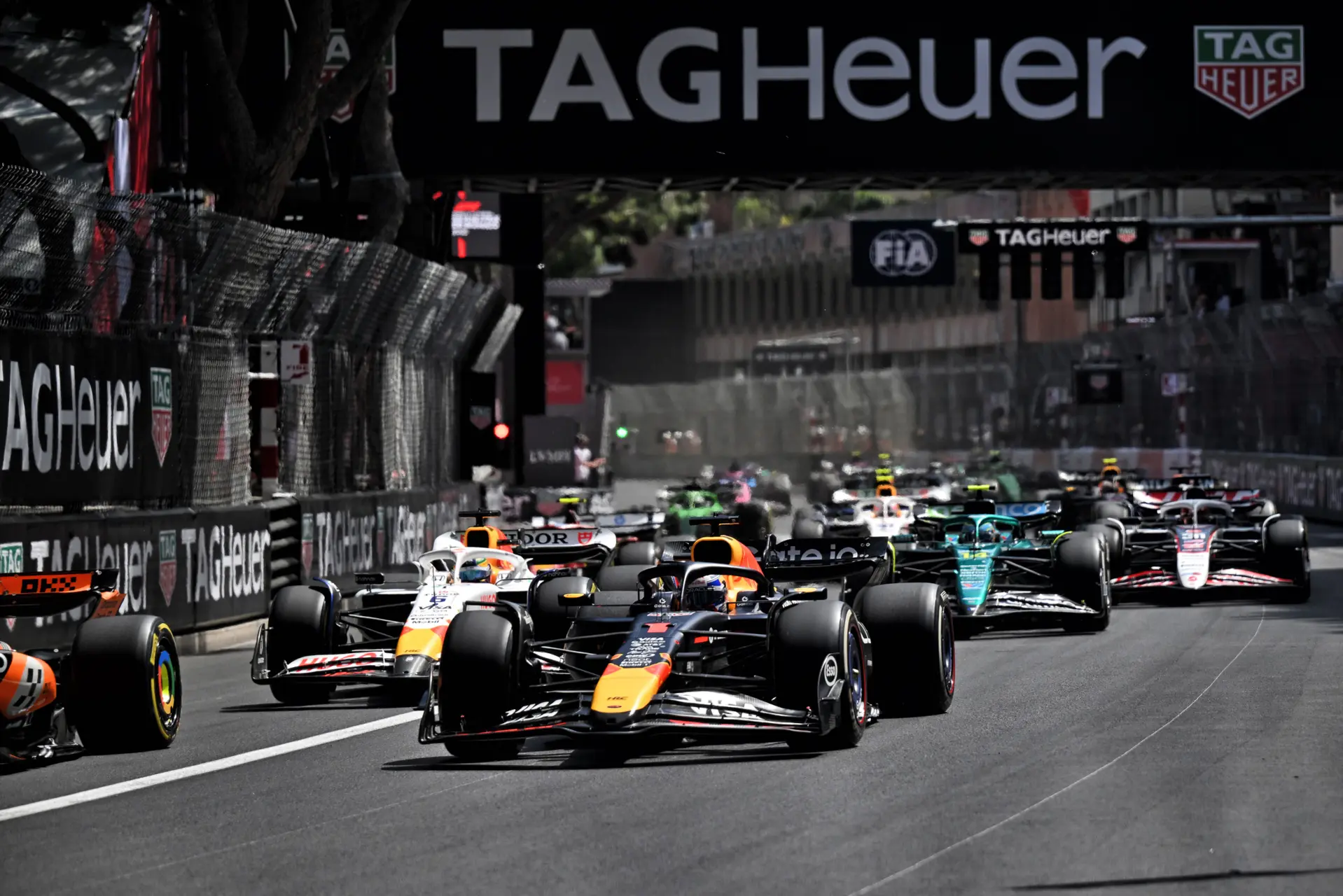
Not only the so-called straight-line mode will not be in use in Monaco, but battery deployment is set to begin tapering off at lower speeds during the Monaco Grand Prix compared to the 290 km/h threshold seen at previous races this season. The adjustment is a consequence of the unique nature of the circuit.
Battery deployment to taper off sooner in Monaco
Across the first five Grands Prix of the season, phenomena such as lift-and-coast and super clipping have been a recurring feature to varying degrees. Monaco, however, is expected to be a notable exception in that regard.
The unique layout of the Principality, with its lack of long straights and abundance of corners and heavy braking zones, should provide ample opportunities for energy recovery throughout the lap. As a result, drivers are expected to have battery charge readily available for much of the circuit, reducing the need for aggressive harvesting strategies and making energy management far less of a concern than at most other venues.

ADVERTISEMENT
According to The Race, Monaco will feature a significantly revised energy deployment profile compared to the opening rounds of the season. Rather than maintaining maximum MGU-K output until around 290 km/h, the electrical assistance will begin to reduce much earlier, from approximately 200 km/h onwards. The consequence is that drivers will have exhausted their battery deployment by the time they reach 300 km/h, effectively preventing the cars from benefiting from electric power at the highest speeds.

Photo: Race Pictures
Monaco GP to run without Straight Mode for first time in 2026
Another significant change compared to the first five Grands Prix of the season will concern the use of active aerodynamics, with drivers set to race around Monaco without access to Straight Mode for the first time in 2026. The FIA's official circuit documentation does not include any designated activation zones for the system around the streets of Monte Carlo, meaning teams will be unable to use the low-drag configuration that has featured at every other venue so far this year.
The decision is largely linked to the unique nature of the Monaco circuit. Unlike traditional tracks with long straights, the Principality is dominated by acceleration zones, heavy braking events and a constant sequence of corners, leaving very few sections where the cars are not operating close to the limit of available grip. As a result, the FIA concluded that activating and deactivating Straight Mode could create unnecessary stability concerns in key parts of the lap.
ADVERTISEMENT
FIA has also established a minimum duration requirement for Straight Mode zones. Any activation area must allow drivers to use the system for more than three seconds, avoiding extremely short deployments that would increase workload in the cockpit while offering only marginal performance benefits. Monaco's layout ultimately failed to meet those criteria.


Don’t miss GPblog in Google
Mark us as a preferred source and our articles will appear more often at the top of Top Stories.
Add as a preferred / source on Google