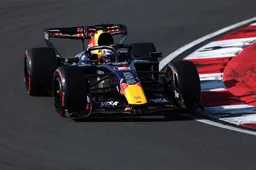
Why new F1 rule tweaks could benefit and hurt Mercedes and Ferrari
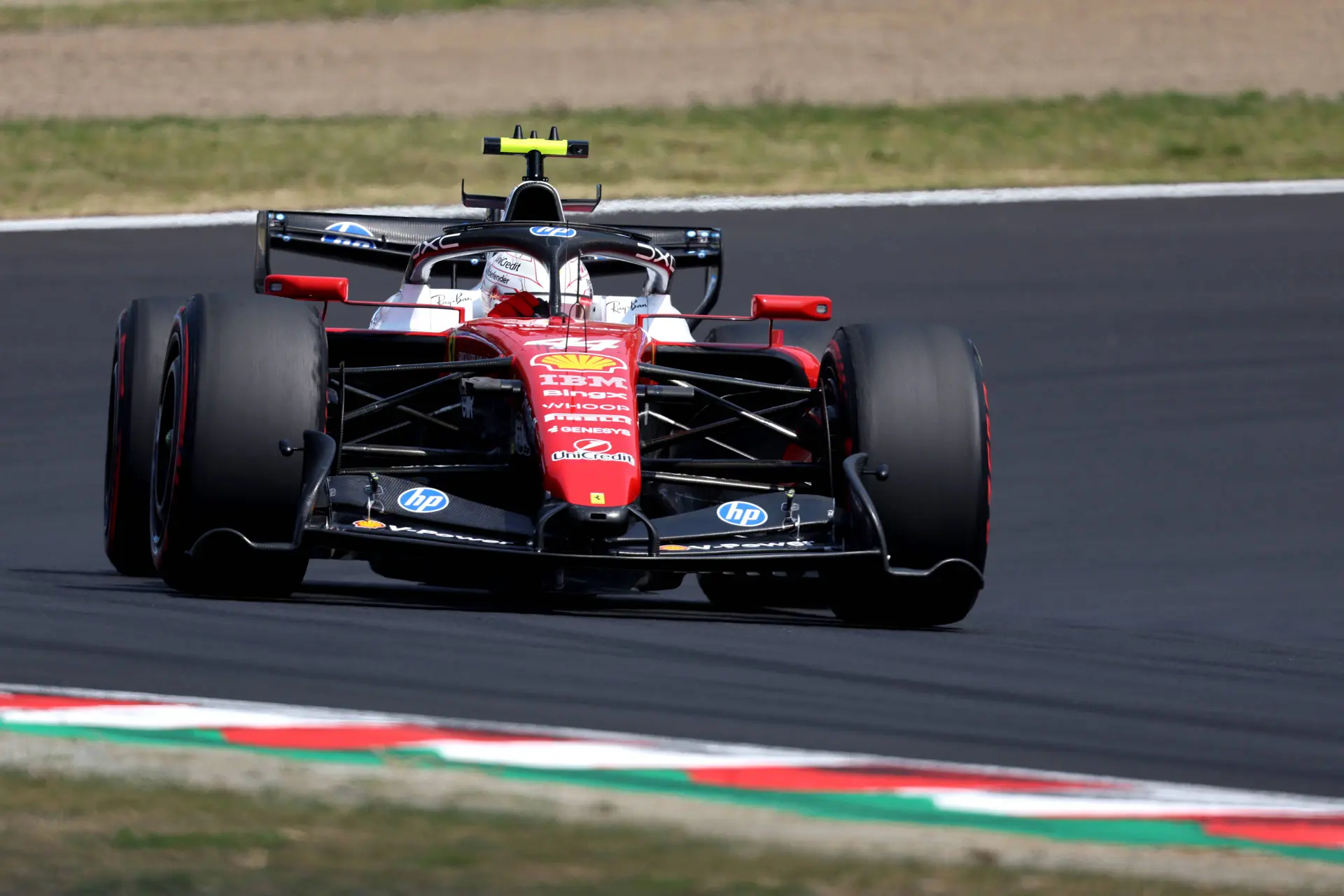
Photo: Race Pictures

Tobia is a Formula 1 journalist at GPblog with experience at international circuits. Since 2022, he has covered Grands Prix across Europe, delivering reliable coverage and insights from the paddock.
The 2026 season is set to take on a new look from the Miami Grand Prix onwards, but who stands to benefit from the new rule tweaks - and who could be left on the back foot?
The first major qualifying tweak targets energy recovery, with the maximum capacity reduced from 8MJ to 7MJ, effectively cutting the total energy available, introducing more FIA-controlled deployment and limiting the boost.
The result is a smaller gap to those who had mastered energy management - an area where Mercedes had clearly excelled throughout pre-season and the opening three races - reducing the ability to dominate purely through efficiency.
In simple terms, teams that were on the back foot in this area are now brought closer, potentially benefiting outfits like Ferrari, which have shown strong aerodynamic and chassis performance but lacked on the power unit side, while Mercedes-powered teams may lose part of their advantage.
ADVERTISEMENT
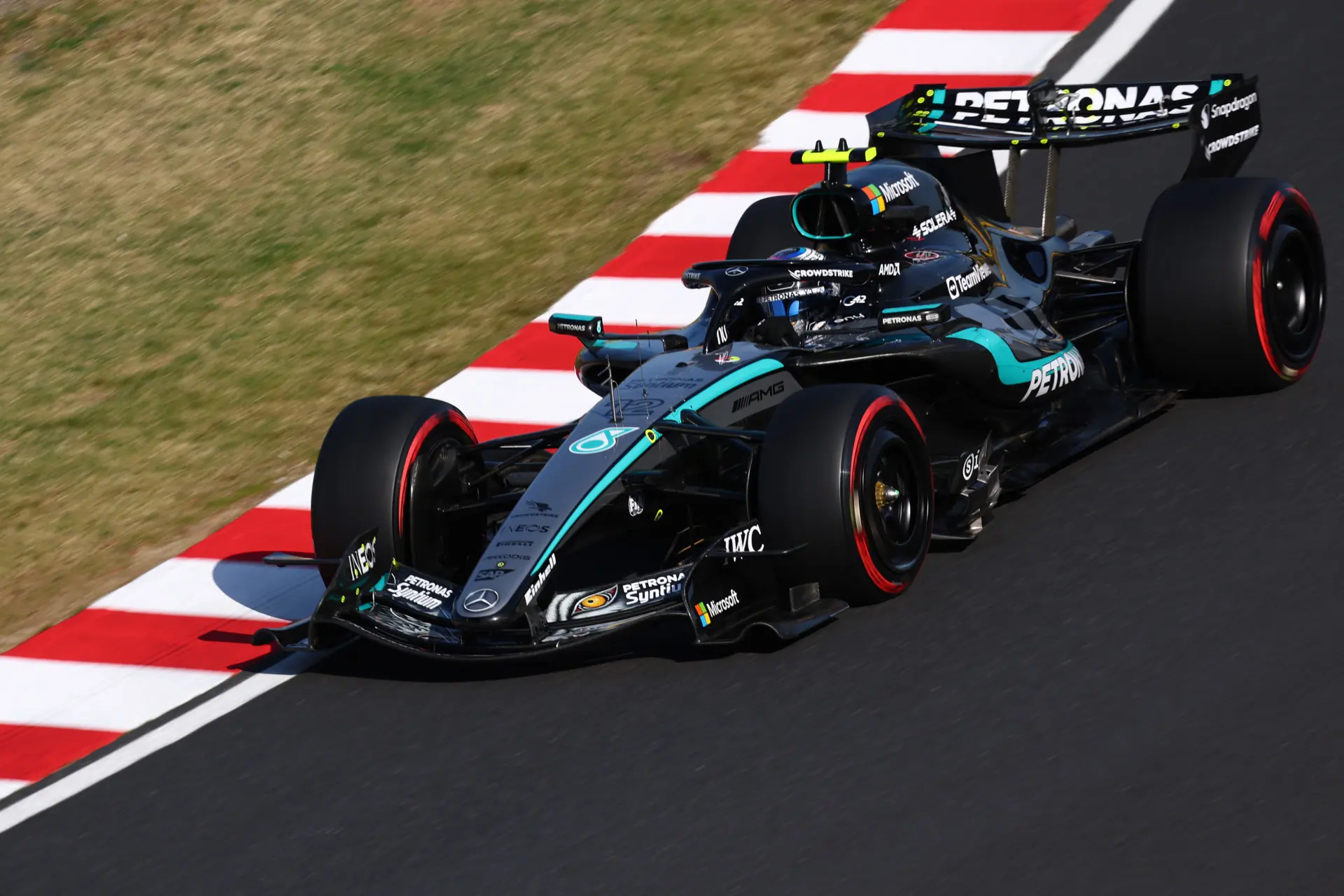
On the other hand, the Brackley-based team could benefit from the new “low power start detection” system, with the W17 having shown clear weaknesses off the line compared to Ferrari, which has consistently delivered strong launches.

Photo: Race Pictures
Once an issue is detected, the system automatically activates the MGU-K, providing an immediate electrical boost and ensuring a minimum level of acceleration, which could help Mercedes drivers get off the line more effectively and partially reduce the deficit to Ferrari.
The FIA has raised peak superclip power from 250kW to 350kW, a move that cuts the time spent harvesting and reduces the burden on drivers to manage energy, with the same approach now extended to race conditions.
Make GPblog your preferred source on Google and see our content first in Google Discover and Google News.
ADVERTISEMENT
The extra boost can be deployed from corner exit through to the braking zone, meaning cars that can put the power down effectively - thanks to strong mechanical and aerodynamic grip - will be able to exploit it immediately.
In essence, the increase in power places a greater premium on drivability and MGU-K efficiency, rewarding cars that can consistently translate energy into usable performance.

What the new rule tweaks really mean for Formula 1 from Miami onwards
At the third and final meeting, held last Monday, the FIA signed off on a package of rule tweaks targeting both qualifying - which has emerged as a major weak point due to severe super clipping - and race conditions, with the aim of preventing a repeat of the incident involving Bearman at Suzuka.
ADVERTISEMENT
The governing body confirmed the changes in an official press release, detailing a three-pronged approach: immediate adjustments to qualifying from Saturday, safety measures designed to reduce closing speeds in races, and further refinements to race starts to avoid dangerous collisions.
Follow GPblog on social media to stay updated on all Formula 1 news: Facebook, Instagram and TikTok.
Listen to or watch the GPblog.com video podcast. In the F1 Paddock Update, Jim Kimberley and Ben Hunt discuss the latest Formula 1 news. New episodes are available every Monday and Thursday on YouTube, Spotify, or your favourite podcast app.
Read also
ADVERTISEMENT
Don’t miss GPblog in Google
Mark us as a preferred source and our articles will appear more often at the top of Top Stories.
Add as a preferred / source on Google