Wolff slams public criticism of F1: 'Don't just look at yourself'
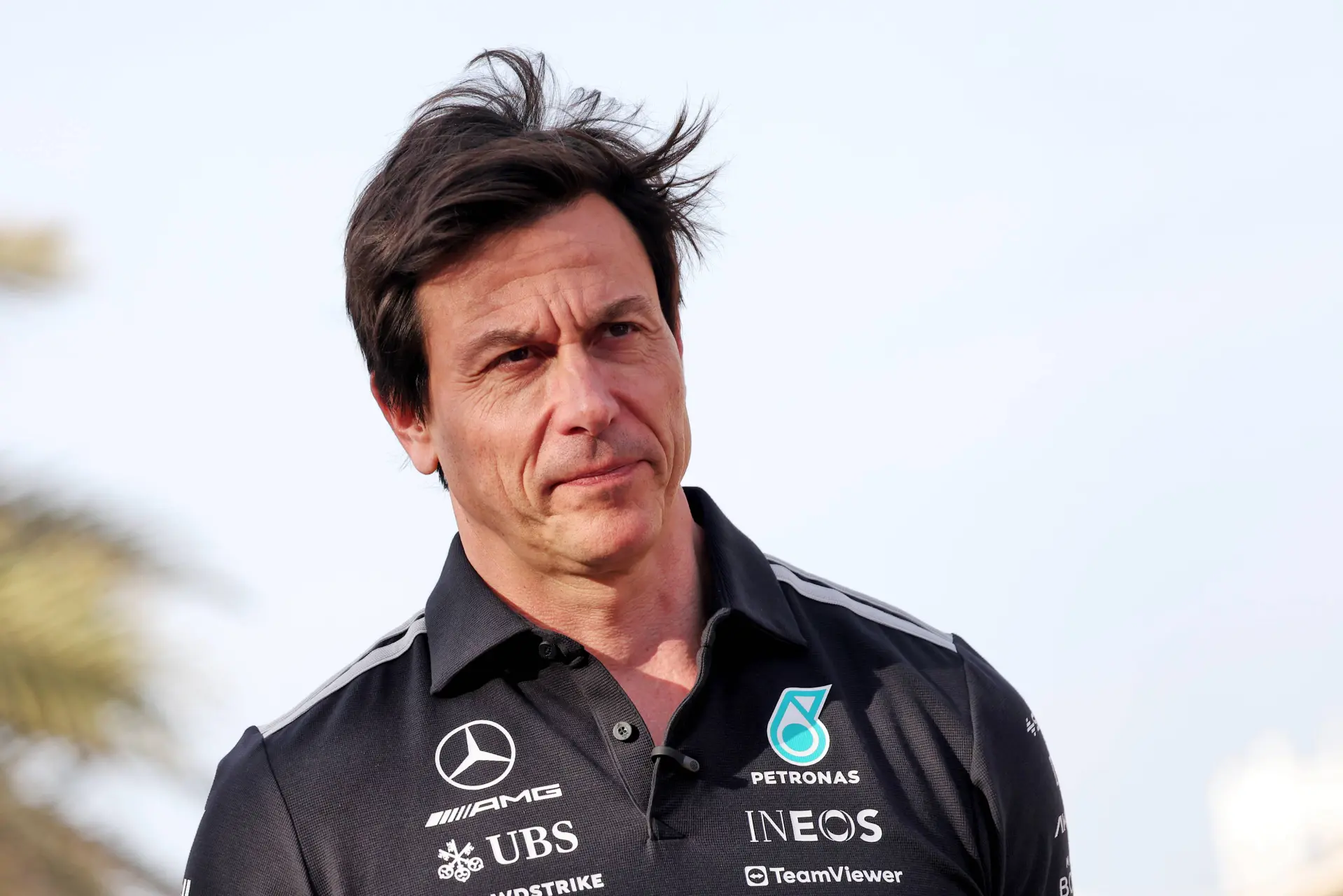
Photo: Race Pictures
Updated:
1 Comments

Nicole MulderManaging Editor
Nicole Mulder is Managing Editor at GPblog and a specialist in Formula 1 and MotoGP. With years of experience and permanent FIA accreditation at Grands Prix worldwide, she delivers reliable coverage and insights based on direct access to drivers and the F1 paddock.
Toto Wolff believes that Formula 1 should not be publicly criticized, indirectly pointing to the ongoing criticism from drivers such as Max Verstappen regarding the current regulations.
The Mercedes team boss emphasizes in conversation with, among others, GPblog, that discussions about the future of the sport should, in his view, take place behind closed doors.
“We, drivers, the FIA, Formula 1 and the teams, we are guards. We need to understand our responsibility as the guardians of this sport. We need to respect what the sport has done for us and work constructively among ourselves to improve where things need to be improved and safeguard when it's needed,” he says.
Wolff criticizes people 'badmouthing' F1
According to him, criticism does not belong in the public domain. “We will all have our opinions and that's absolutely legit, but these opinions and discussion should happen among the stakeholders more than in the public eye, because the sport is in a great place. We have many hundreds of thousands of fans that love the sport. There are others that don't love certain aspects of the sport. But in order to protect all of this huge opportunity that the sport gives us, we shouldn't badmouth our own sport in public,” continues the Austrian, who simultaneously acknowledges that everyone is guilty of it at times.
ADVERTISEMENT
Follow GPblog on social media to stay updated on all Formula 1 news: Facebook, Instagram and TikTok.
“We've been all falling foul to this in the past because of gamesmanship or because of trying to protect a situation or improve a regulatory situation, but we need to be very careful because the things we say in public they may not have an immediate repercussion on how the fans perceive the sport, and that is the responsibility we have.”
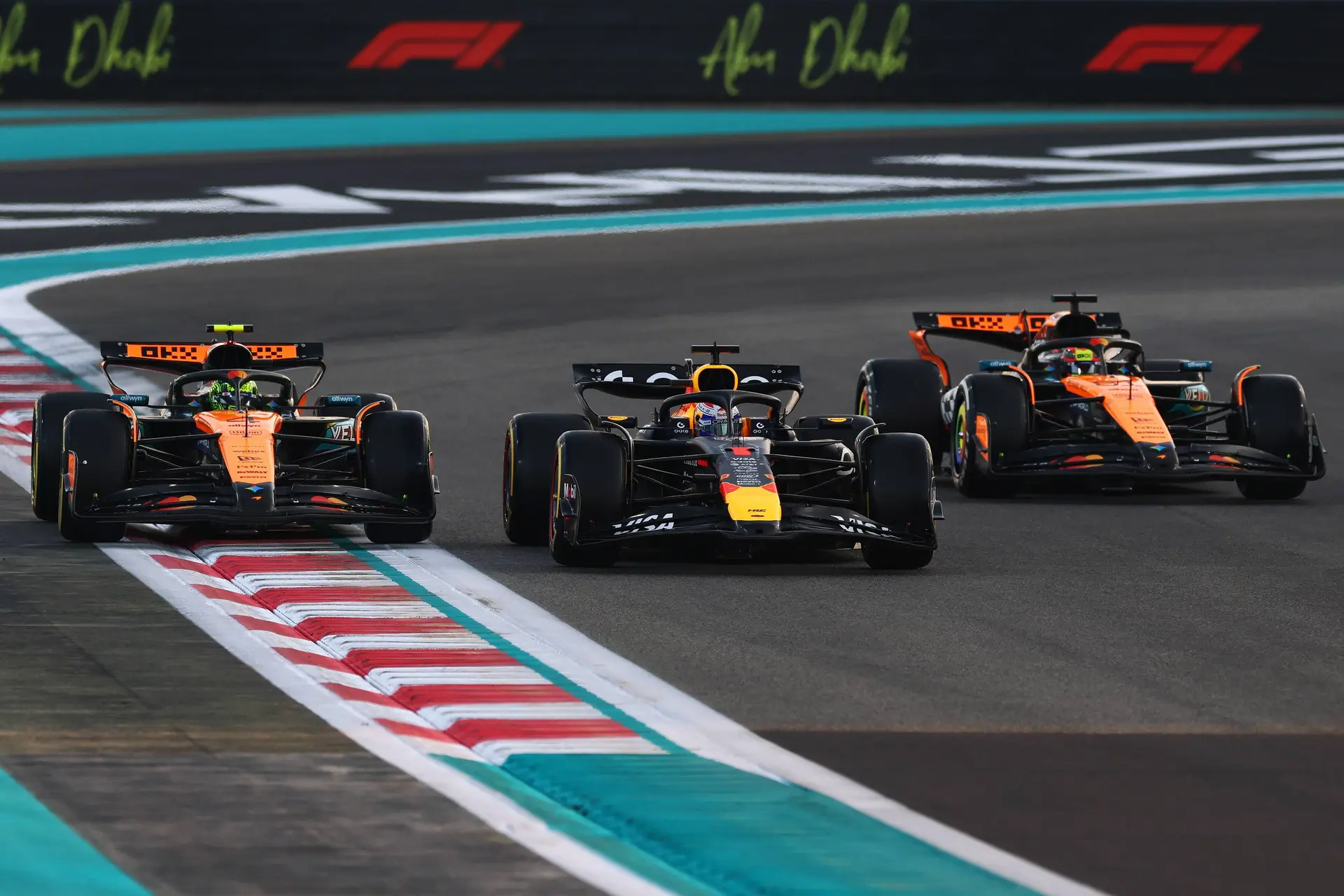
The words of the Mercedes boss come at a time when several drivers, led by Verstappen, have voiced criticism of the 2026 regulations. Wolff acknowledges that everyone has their opinion, but immediately adds a caveat. “Of course, everybody is entitled to have an opinion, but I think we owe it to ourselves to express that opinion in the stakeholder group,” he adds.

Photo: Race Pictures
Wolff points to constructive talks
ADVERTISEMENT
According to Wolff, that is exactly what has happened in recent weeks. “Now, this has happened in the last few weeks in a constructive way. We have set our objectives in the way that we want to improve where we believe it improves. We want to look after the safety of the drivers. We want to protect what we see in racing,” he explains. In doing so, he says the sport is looking not only at data and fan experience, but also at the traditional motorsport enthusiast.
At the same time, Wolff warns against a distorted view of the past. “There's also a certain degree of nostalgia that makes the past much better than the present. I mean, people talk greatly about the 2000s and maybe forget that there were years where there wasn't a single overtake in a race.
"It was maybe great for the drivers because it was flat out through the corners, but if this product is boring for spectators, then we don't gain. And we had many years where the product was criticized and we acted erratically in changes and they weren't any better either,” he says.
Make GPblog your preferred source on Google and see our content first in Google Discover and Google News.
Wolff calls Bearman crash a misjudgment
ADVERTISEMENT
According to Wolff, that does not mean there are no problems. He points to incidents such as Oliver Bearman’s crash, but puts them in a different perspective. “At the same time, we need to see the Bearman accident for what it was, and it was a misjudgment of a situation. It's like pushing the boost button and it's like not braking where you supposedly should be braking,” he says.
"Whilst we need to protect the safety of the drivers, and this needs to be of utmost priority and importance, there's plenty of brilliant racing happening in the world that we as racers love," Wolff continues. He compares the situation to other branches of motorsport, where large speed differentials and risks also occur.
“At Le Mans you see huge differences between classes and also heavy crashes due to misjudgments. On the Nordschleife, GT3 car races private cars with amateur drivers in the night, in the rain.”
According to him, the focus therefore lies on two points: improving the sport and making it safer. “It is about understanding was what those systems do to the car how we can reduce the risks in particular situations like rain or whatever, always with reminding ourselves we are guardians of the sport, we have responsibility for the sport, the opportunity it has given to all of us, rather than looking at your personal advantage or disadvantage of certain regulations being changed or not,” Wolff concludes.
ADVERTISEMENT
Don’t miss GPblog in Google
Mark us as a preferred source and our articles will appear more often at the top of Top Stories.
Add as a preferred / source on Google