Should F1 change the Virtual Safety Car rules after Norris’ Madrid heartbreak?

Photo: Race Pictures
19:30, 16 Sep
0 Comments

Kieran is a freelance Formula 1 journalist for GPblog, covering breaking news, live race blogs and feature content across the F1 calendar. An NQJ-qualified journalist with more than a decade of experience, he has previously written for publications including MailOnline, the Manchester Evening News and the Eastern Daily Press.
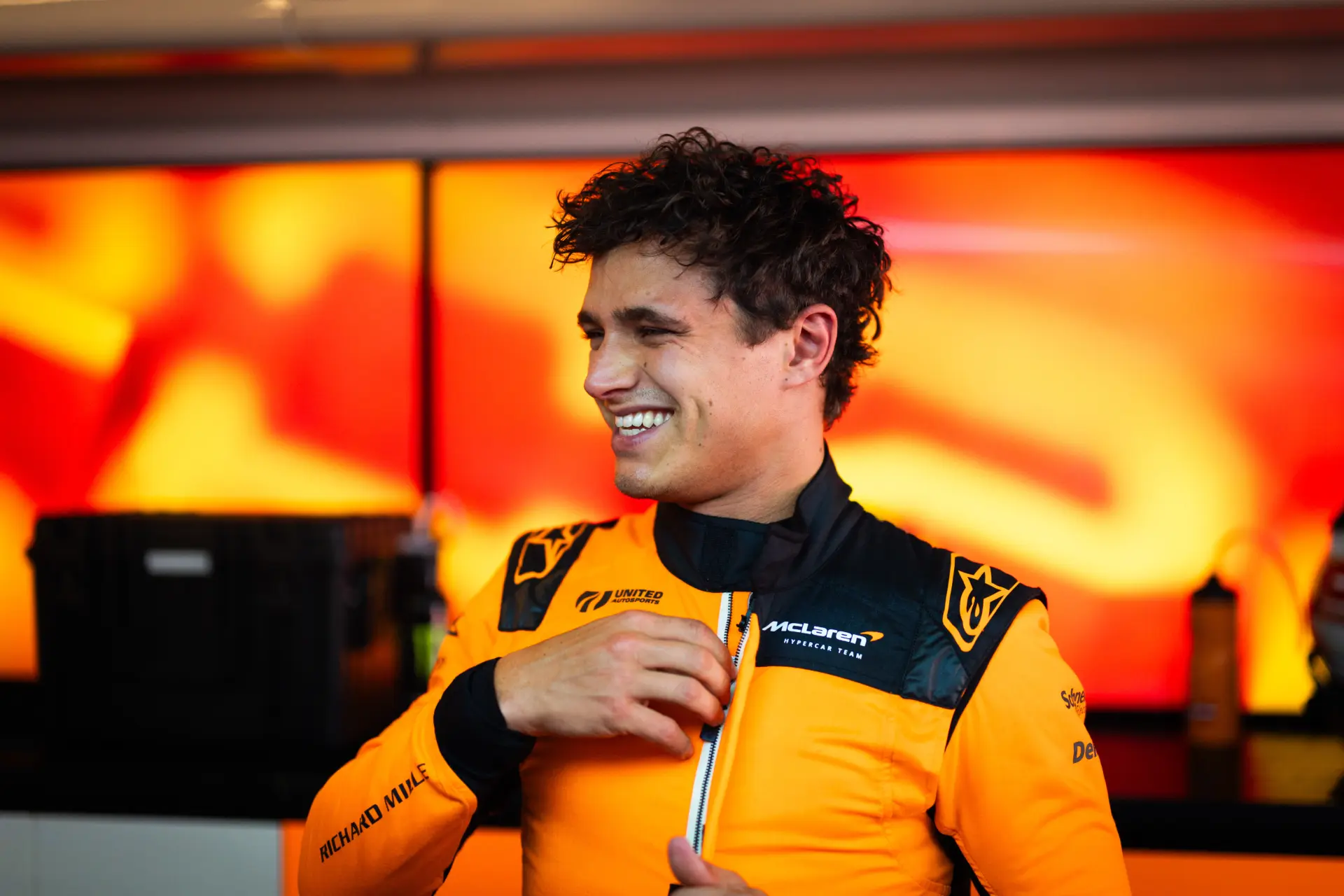
Lando Norris did everything required to win the Spanish Grand Prix in Madrid. He took pole position, led the race and had built a comfortable advantage at the front. Then came the virtual safety car.
The timing of the intervention, triggered after Lance Stroll's Aston Martin needed recovering, meant Norris had already passed the pit entry. His rivals could stop with a reduced time loss, while the McLaren driver hoped he could box at the end of the next lap. By then, the opportunity had gone, Norris had missed his opportunity, because of his blistering pace before the VSC.
Norris was further hampered by a slow tyre change and eventually finished third as Kimi Antonelli took victory, with Max Verstappen second. It was a disappointing outcome for Norris, who even Antonelli acknowledged had deserved to take the victory.
The Madrid result has placed the VSC rules under a fresh spotlight, and here GPblog takes a look at reasons for against Formula 1 changing the current system in place.
The case for changing the VSC rules
ADVERTISEMENT
The main criticism is that a race can be decided by whether a driver happens to be just before or just after the pit entry when the VSC is deployed. In Madrid, Norris had built a six-second lead over Antonelli when Stroll pulled off in his Aston Martin.
That six seconds proved crucial as Norris did not have the chance to pit while Antonelli and those who followed the Italian did. Things went from bad to worse for Norris as the VSC then ended just moments before the McLaren driver came into the pits.
Under the VSC every car on track is forced to slow to a prescribed delta. That meant Norris would have to lose 25 seconds by pitting compared to just 13 for those who pitted under VSC conditions. A slow seven second pit stop cost Norris even further, but with the six second lead he had built, he would have still kept his lead if everyone pitted under green flag racing.
For the cars behind Norris in Madrid, it was a golden opportunity. For the race leader, it was effectively a penalty for being too quick. That is why some feel the current rules undermine sporting fairness as Norris and McLaren lost out due to a moment that no driver or strategist can realistically anticipate.
Norris suggested a proposal in which the VSC should remain in place for one full lap after being deployed. He also suggested closing pit entrance other than for cars who have an issue such as a puncture.
ADVERTISEMENT
The reigning world champion was also not helped by the new Madrid circuit where overtaking proved difficult. While at a track like Monza, where Norris could have still come back to win the race, overtaking proved difficult at Madrid, showing that the consequences of VSC can become even greater at certain tracks.
Why F1 should be careful before changing it
The counterargument is that unpredictability and luck have always been a part of Formula 1. Safety cars, VSCs, red flags and reliability issues have always influenced races.
Norris won his very first race in Miami back in 2024 due to a timely safety car, while the VSC also helped Lewis Hamilton take his first win for Ferrari in Barcelona, as he got a cheap free stop compared to the Mercedes drivers he fighting for the win against. The VSC is not intended to manufacture results and is designed to neutralise risk quickly without unnecessarily deploying the physical safety car.
A driver who benefits from a VSC has still positioned themselves to take advantage of it. Teams must react instantly, calculate the gain and execute the stop cleanly. Removing that opportunity entirely would take a tactical variable out of the sport.
ADVERTISEMENT
There are practical concerns, too. Closing pit entry could become problematic if a driver has a puncture, damage or a mechanical issue. Allowing the field to complete a lap before a VSC pit stop becomes available may sound fairer but delays green flag racing and means race control is more focused on how the race is playing out rather than the primary job of the VSC which is keeping the circuit in a safe condition.
The IndyCar series has also struggled with managing incidents like this and earlier this year had to change their rules back to how they used to have them.
IndyCar was keen to manage yellow flag periods to avoid ruining leaders' races and altered its strategy to keep incidents under yellow flags if a stranded car was in a safe position, delaying a safety car period until everyone had the chance to pit.
However, that policy was criticised when Alexander Rossi was left frustrated after a race at the Indianapolis road course race where he stopped on the main straight and a caution was not called for more than a lap. He felt he was in an unsafe position, and this led to IndyCar reverting to their old policy of no longer taking the pit window into consideration when calling a safety car.
ADVERTISEMENT
What have people in F1 said?
Sky F1 commentator Martin Brundle backed Norris by also suggesting that the VSC should stay out for one full lap to allow everyone to pit.
He said: "One solution might be to ensure that if a virtual safety is deployed, then it must stay in place for at least a full lap of all the runners to keep it fairer. Although, of course, that costs green flag full-speed racing time, which is what people want to see in the grandstands and on their devices."
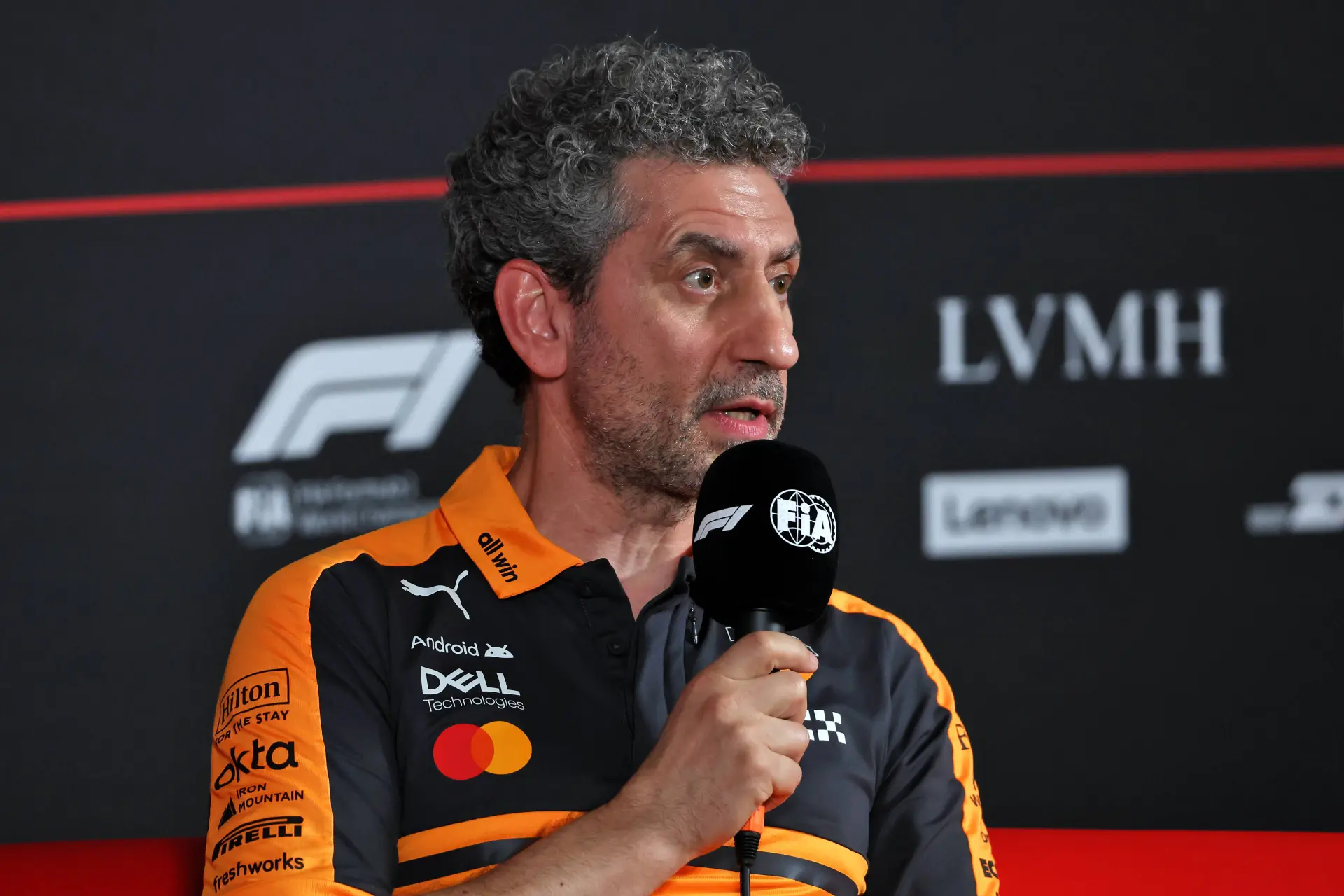
McLaren team principal Andrea Stella defended the handling of the VSC in Madrid but acknowledged that changes could be made in the future. He told GPblog: "Like all the times in which a safety car or a virtual safety car, timing or duration has a large influence on a race, we have an opportunity to review whether we can do things differently. But this is not under the jurisdiction of the race director. The race director applies the guidance and the regulations at the moment of the race that he is directing."
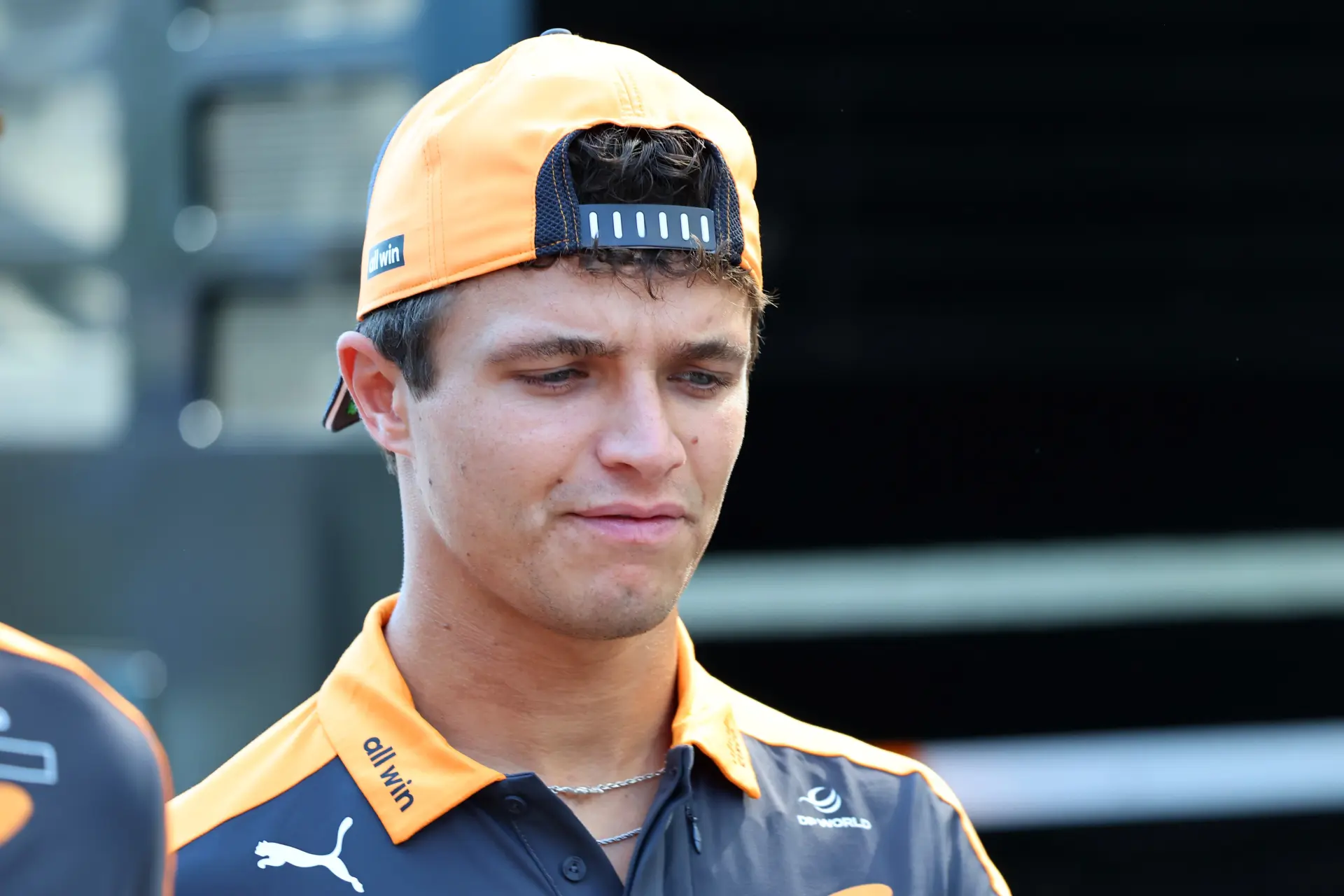
Speaking after the Spanish GP, both Norris and Verstappen acknowledged how they have won and lost races from safety cars and VSCs. Norris said: "I've won from it in the past, I've lost from it in the past. Over the course of a season, it's hard to know if it's a good thing or a bad thing.
ADVERTISEMENT
"It probably equals out over time. Of course, it just hurts more, the fact that I lose a win. You know, there's literally nothing I could do as a driver today to do a better job."
Verstappen said: "We'll probably talk about it in the next briefing and see if there is anything that can be done."
Don’t miss GPblog in Google
Mark us as a preferred source and our articles will appear more often at the top of Top Stories.
Add as a preferred / source on GoogleRead more about:
latest news
Azerbaijan Grand Prix
Overview
Thursday 24.09.26
Practice 1
08:30 AM
Practice 2
12:00 PM
Friday 25.09.26
Practice 3
08:30 AM
Qualification
12:00 PM
Saturday 26.09.26
Race
11:00 AM
Thursday 24.09.26
Practice 1
Thu 08:30 AM
Practice 2
Thu 12:00 PM
Friday 25.09.26
Practice 3
Fri 08:30 AM
Qualification
Fri 12:00 PM
Saturday 26.09.26
Race
Sat 11:00 AM
Times are in your local timezone
Rumors
Popular on GPBlog
1
Hamilton reportedly pushes Ferrari to replace key trackside figures as Vasseur relationship cools
1822 times read
2
F1 today | F1 calendar to provide Monaco Sprint confirmation, Nike returns to F1 while Grosjean left red-faced
935 times read
3
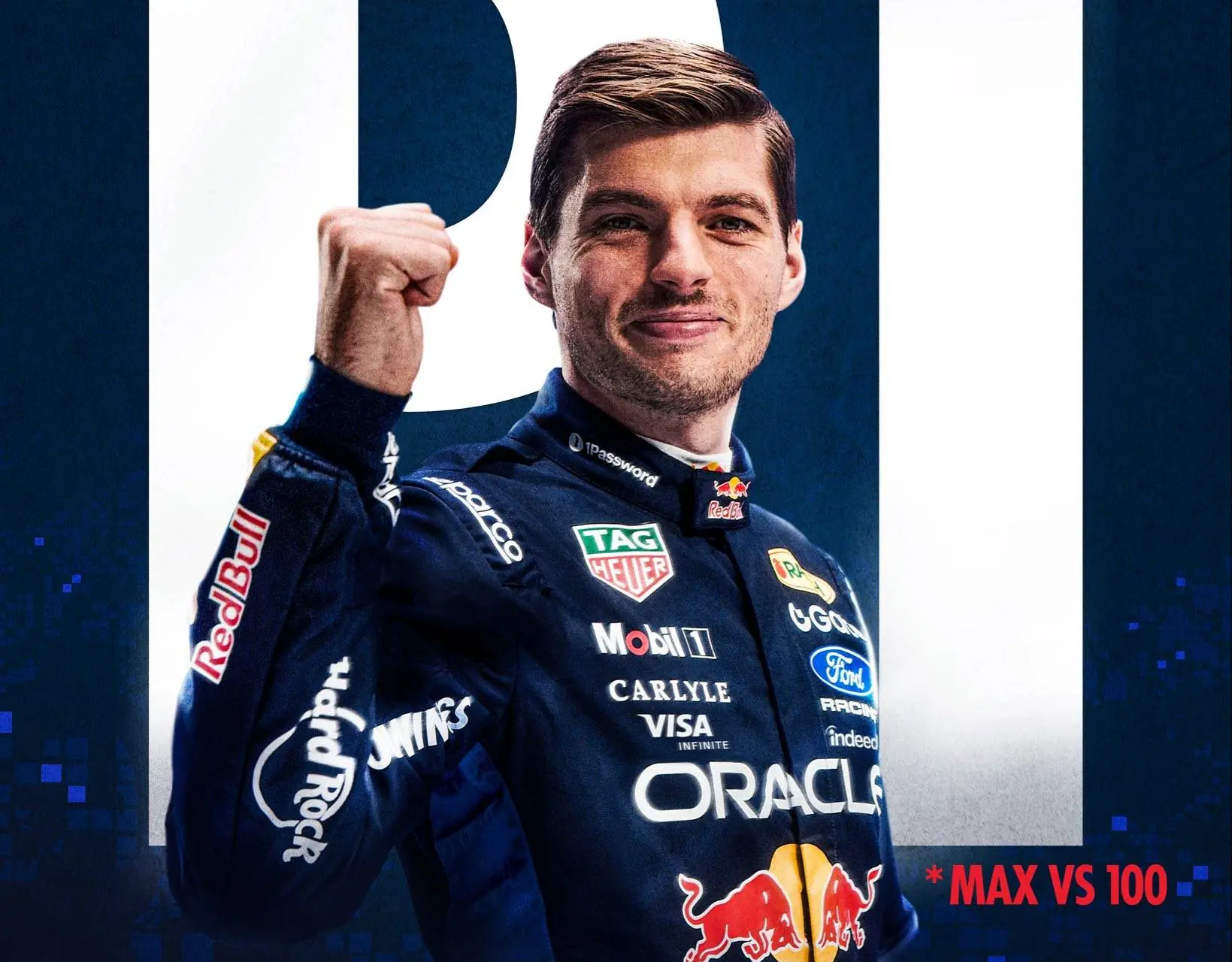
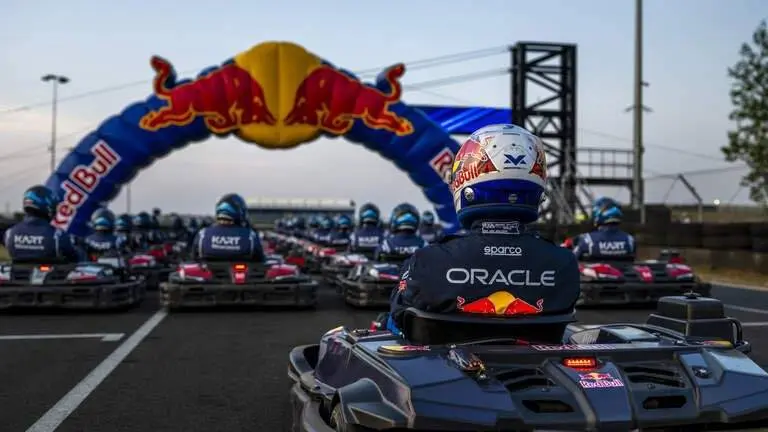
Max Verstappen has to make his way past 100 karts.
790 times read
4
LIVE | Verstappen takes 35 minutes to overtake the 100 drivers in epic karting challenge
742 times read
F1-stand 2026
Season
| Pos. | Driver | Team | Points |
|---|---|---|---|
1 | MercedesMER | 292 | |
2 | MercedesMER | 211 | |
3 | FerrariFER | 191 | |
4 | McLarenMCL | 186 | |
5 | FerrariFER | 167 | |
6 | Red Bull RacingRBR | 145 | |
7 | McLarenMCL | 120 | |
8 | Red Bull RacingRBR | 71 | |
9 | Racing BullsRCB | 59 | |
10 | AlpineALP | 41 |
Loading