Fresh softs could be the wild card for Max Verstappen and Kimi Antonelli
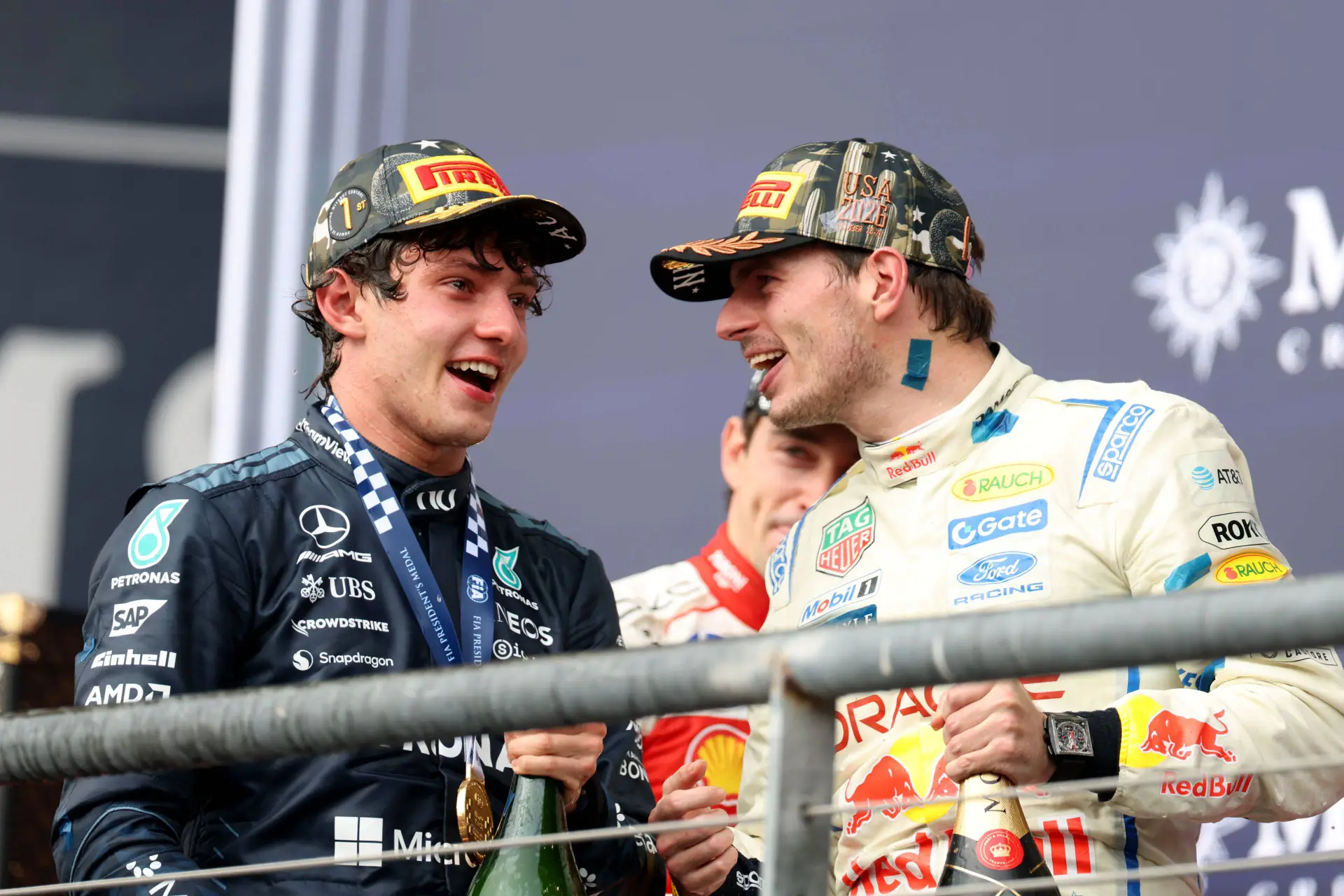
Antonelli has enjoyed a remarkable year in Formula 1. Photo: Red Bull Contentpool

Ben Hunt is an award-winning motorsport journalist with over two decades of experience in Formula 1 and international media. As a former editor-in-chief and bestselling author, he delivers in-depth analysis and strategic insight from the highest level of the sport.
Mexico GP: tyre strategy implications
Hamilton, Antonelli and Verstappen have the same core race allocation: one new medium and one new hard. The key difference is the soft tyre. Antonelli and Verstappen each retain one new set; Hamilton has only used sets.
That gives Antonelli and Verstappen an additional tactical option, but it does not establish a race-pace advantage.
| Driver | New hard | New medium | New soft | Used soft |
| Hamilton | 1 | 1 | 0 | 4 |
| Antonelli | 1 | 1 | 1 | 3 |
| Verstappen | 1 | 1 | 1 | 3 |
The baseline: medium–hard
ADVERTISEMENT
A new-medium followed by new-hard one-stop is the clearest starting hypothesis for all three, provided practice data supports the required stint lengths.
It uses their fresh, longer-stint tyres and avoids relying on the soft. The alternative, new-hard then new-medium, reverses the emphasis: extend the opening stint, then attack on the medium later.
One important shared constraint is that no driver has a second hard or medium set. Once both have been used, an additional stop means fitting a soft or reusing a previously run set.

Data from Pirelli
Hamilton: protect the core strategy
ADVERTISEMENT
Hamilton’s allocation favours building the race around his new medium and new hard, rather than planning around a soft stint.
- Conventional race: medium–hard is a straightforward baseline if the medium provides a suitable opening stint.
- Alternative approach: hard–medium could be useful if extending the first stint offers a route into clear air. It is not automatically better simply because he lacks a new soft.
- Late restart or extra stop: he still has four used soft sets available. However, it is not know how many laps they have completed or their remaining performance.
Strategic implication: Hamilton has less flexibility for a fresh-soft attack, not fewer viable core race strategies. Avoiding an unnecessary extra stop is particularly valuable if that stop would leave him on a compromised used soft.
Read also
Antonelli: retain the fresh-soft option
ADVERTISEMENT
Antonelli can follow the same medium–hard approach while keeping a new soft in reserve.
That set could become useful for:
- A short final stint following a sufficiently late Safety Car.
- A late restart where immediate grip matters.
- An attacking extra stop if the gap and remaining laps justify it.
Starting on the new soft is also possible, but would spend that reserve immediately and could bring the first stop forward if soft degradation is high.
Strategic implication: the new soft is useful insurance. Its availability is not, by itself, a reason to choose a more aggressive strategy.

Data from Pirelli
ADVERTISEMENT
Verstappen: the same options as Antonelli
Verstappen’s listed allocation is identical to Antonelli’s. There is no tyre-stock basis here for giving either driver a strategic advantage over the other.
Verstappen can likewise build around medium–hard or hard–medium, preserving the fresh soft for a short attacking stint if circumstances warrant it.
Against Hamilton, his clearest allocation advantage would arise in a late-race situation where both can stop for softs: Verstappen can fit a new set, whereas Hamilton must choose a used one.
Read also
ADVERTISEMENT
Bottom line
Normal race: broadly equal strategic resources. Late tactical race: more fresh-tyre flexibility for Antonelli and Verstappen.
The decisive question is whether an extra soft stint offers enough benefit to repay the pit-stop loss and any traffic exposure.
Don’t miss GPblog in Google
Mark us as a preferred source and our articles will appear more often at the top of Top Stories.
Add as a preferred / source on Google