Why Monaco Sprint experiment deserves more than an immediate eye-roll
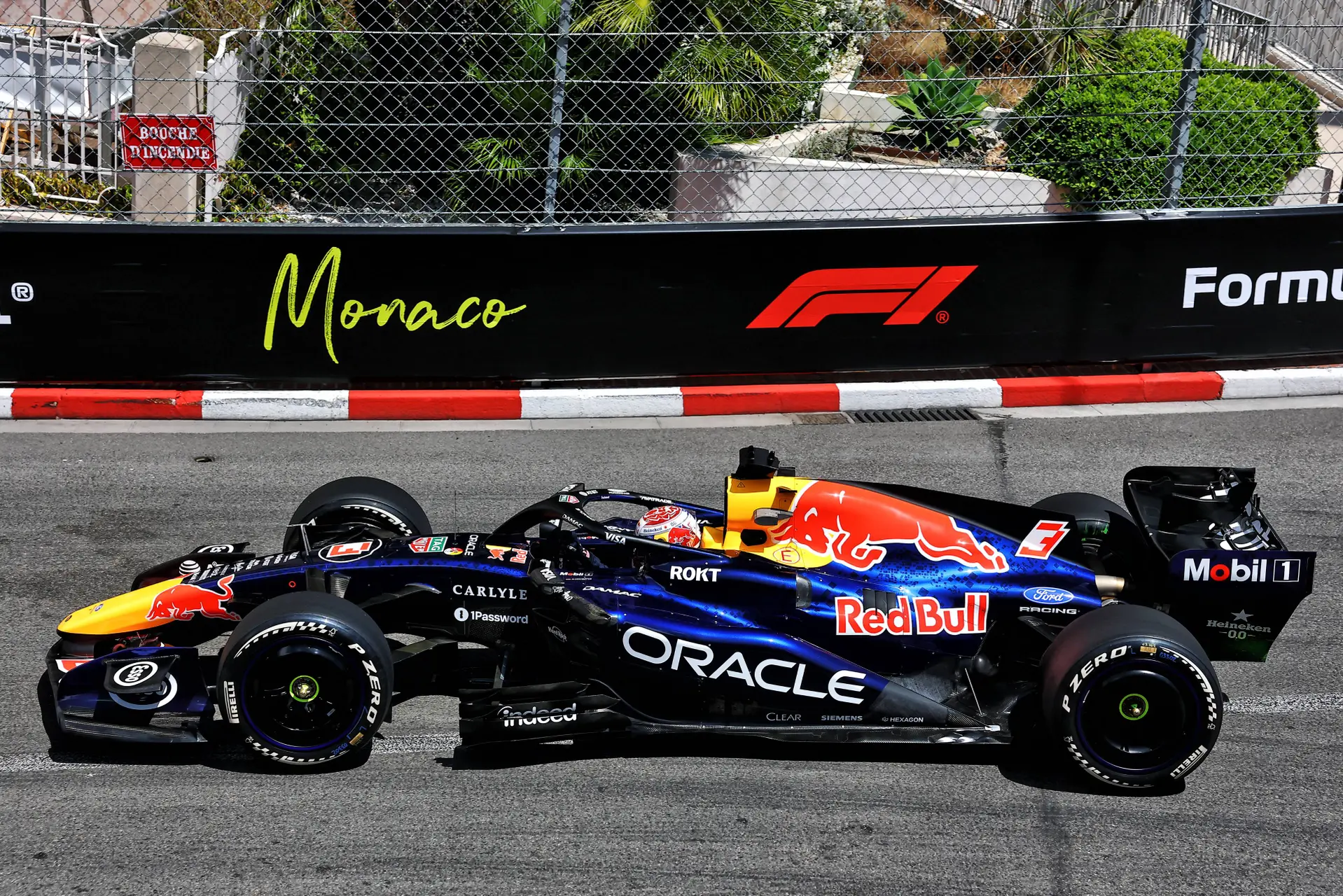
Photo: Race Pictures
20:01, 18 Sep
1 Comments
Tobia is a Formula 1 journalist at GPblog with experience at international circuits. Since 2022, he has covered Grands Prix across Europe, delivering reliable coverage and insights from the paddock.
The announcement that Monaco will be one of the ten Sprint venues on the 2027 calendar caught many by surprise, considering how often the circuit in the Principality is already criticised for its lack of on-track action and overtaking during races. However, could there still be some positives to take from the decision?
On Wednesday, Formula 1 announced the 24-race calendar for next season, with one of the main changes being an increase from six to ten Sprint events. Among the confirmed venues is Monaco, which will host a Sprint for the first time in the Principality's history.
The decision has inevitably raised more than a few eyebrows. On paper, the arguments in favour of holding a Sprint around a circuit already notorious for its lack of overtaking appear difficult to outweigh those against it. Nevertheless, there are still a few reasons why the experiment could prove more interesting than it might initially seem.
Why Monaco's 2027 Sprint might not be as crazy as it sounds
Perhaps the biggest positive of bringing the Sprint format to Monaco is qualifying. Qualifying in the Principality is traditionally one of the most anticipated and spectacular sessions of the entire Formula 1 season, with drivers pushing to the absolute limit between the barriers knowing that grid position is more important there than almost anywhere else. A Sprint weekend would effectively offer that spectacle twice.
ADVERTISEMENT
Another potentially positive aspect is having two starts. Overtaking opportunities around Monaco are extremely limited, meaning the run to the first corner is often one of the few genuine opportunities to gain positions on track. What happens at the start can therefore go a long way towards determining the finishing order, unless incidents or strategic developments change the picture. Adding a Sprint means getting another start and another opportunity for the order to be shaken up.
The reduced amount of practice could also make the weekend less predictable. With only one free practice session before competitive action begins, teams will have much less time to perfect their set-ups. At a circuit where confidence, precision and finding the limit are particularly important, arriving at qualifying with less preparation could increase the chances of mistakes and create bigger differences between drivers.

Photo: Race Pictures
There is also the increased possibility of incidents and Safety Car periods. That does not automatically translate into more overtaking, but a short race with drivers constantly running close to the barriers and little room for error could quickly be transformed by a crash or neutralisation.
ADVERTISEMENT
Finally, the shorter race distance could remove some of the strategic elements that have contributed to Monaco's processional nature. During the Grand Prix, drivers can deliberately control the pace and back up the pack to protect track position or create the necessary gap to make a pit stop without rejoining in traffic. With no mandatory pit stop and a much shorter distance in the Sprint, much of that strategic game disappears, potentially putting greater emphasis on outright pace.
None of this guarantees that Monaco will suddenly produce an overtaking-filled Sprint. The characteristics that make passing so difficult will remain. But the format could play to some of the circuit's biggest strengths by delivering two qualifying sessions, two starts, less preparation time and a shorter race with fewer incentives for extreme pace management.
Don’t miss GPblog in Google
Mark us as a preferred source and our articles will appear more often at the top of Top Stories.
Add as a preferred / source on GoogleRead more about:
latest news


Azerbaijan Grand Prix
Overview
Thursday 24.09.26
Practice 1
08:30 AM
Practice 2
12:00 PM
Friday 25.09.26
Practice 3
08:30 AM
Qualification
12:00 PM
Saturday 26.09.26
Race
11:00 AM
Thursday 24.09.26
Practice 1
Thu 08:30 AM
Practice 2
Thu 12:00 PM
Friday 25.09.26
Practice 3
Fri 08:30 AM
Qualification
Fri 12:00 PM
Saturday 26.09.26
Race
Sat 11:00 AM
Times are in your local timezone
Rumors
Popular on GPBlog
1
Azerbaijan GP schedule: why the race is a day earlier
1357 times read
2
Wolff reveals lifelong battle with depression: 'I couldn't define what that was'
950 times read
3
Audi finally has an in-house replacement for Hulkenberg and Bortoleto
904 times read
4
Ferrari makes decision on its driver's future after six years of collaboration
521 times read
F1-stand 2026
Season
| Pos. | Driver | Team | Points |
|---|---|---|---|
1 | MercedesMER | 292 | |
2 | MercedesMER | 211 | |
3 | FerrariFER | 191 | |
4 | McLarenMCL | 186 | |
5 | FerrariFER | 167 | |
6 | Red Bull RacingRBR | 145 | |
7 | McLarenMCL | 120 | |
8 | Red Bull RacingRBR | 71 | |
9 | Racing BullsRCB | 59 | |
10 | AlpineALP | 41 |
Loading