Verstappen slams double yellow flags delay as "crazy" after Austria GP qualifying crash
10:17, 28 Jun
0 Comments

Kieran is a freelance Formula 1 journalist for GPblog, covering breaking news, live race blogs and feature content across the F1 calendar. An NQJ-qualified journalist with more than a decade of experience, he has previously written for publications including MailOnline, the Manchester Evening News and the Eastern Daily Press.
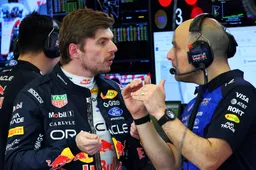
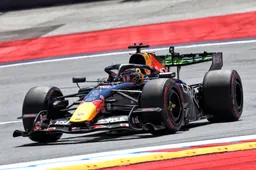
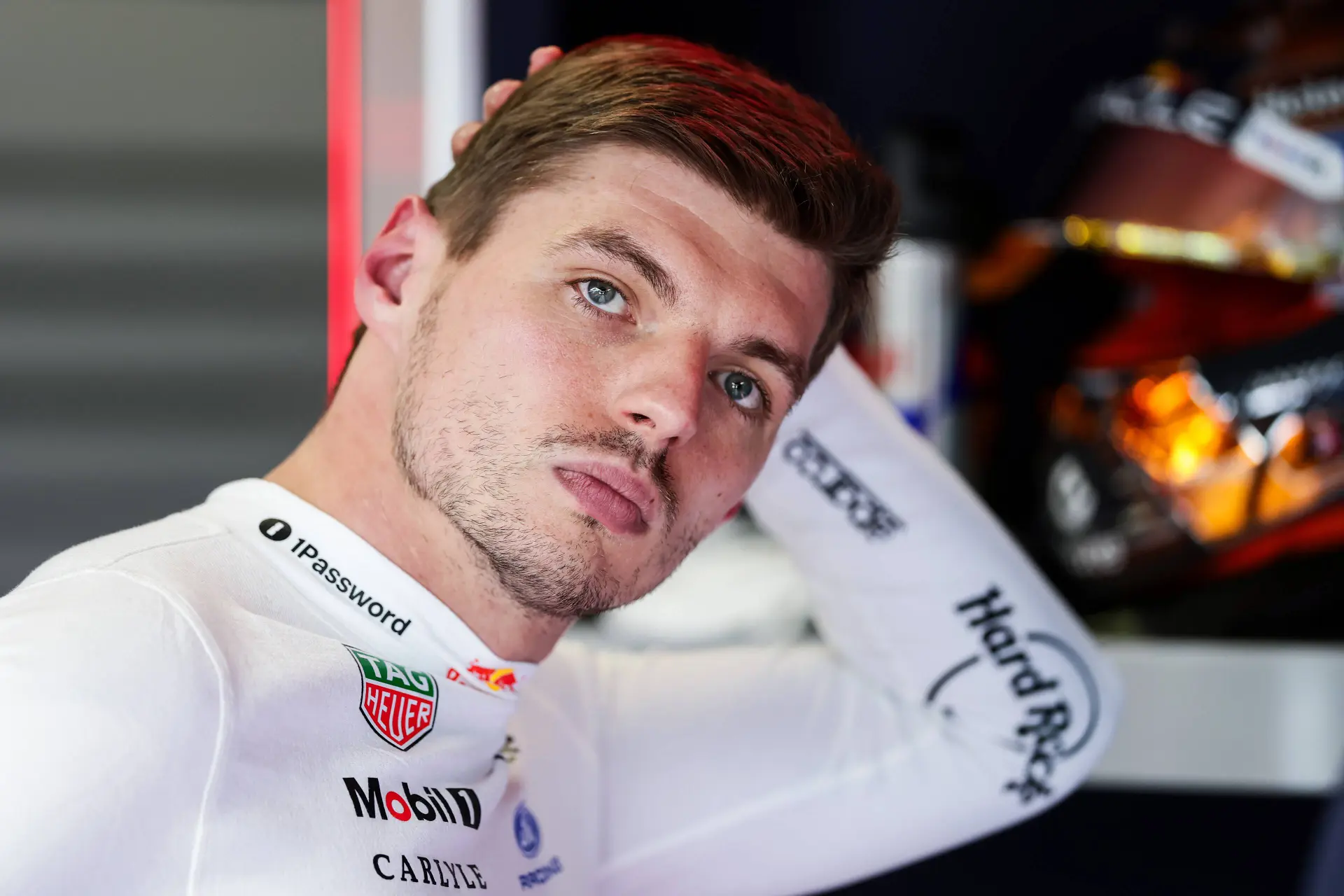
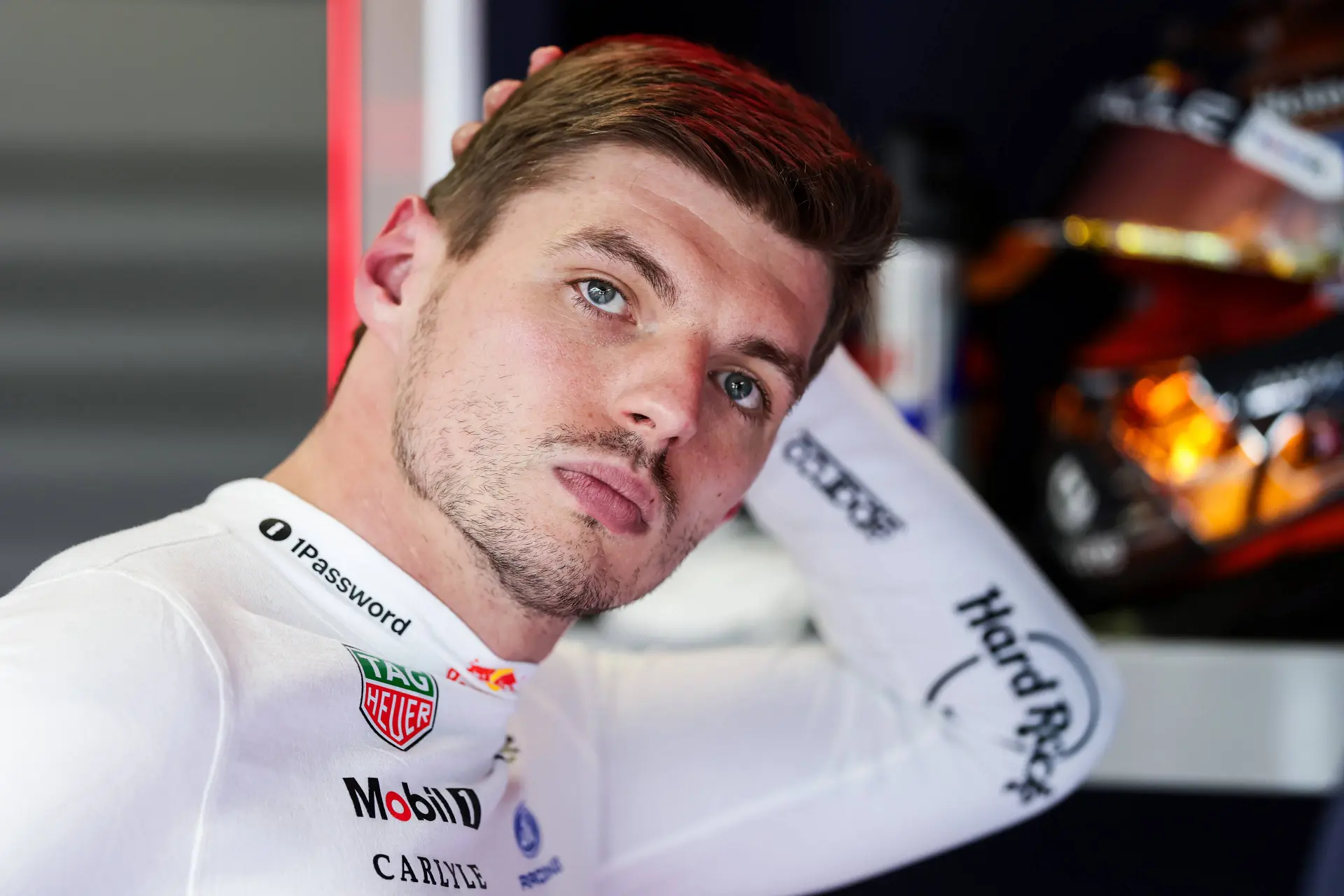
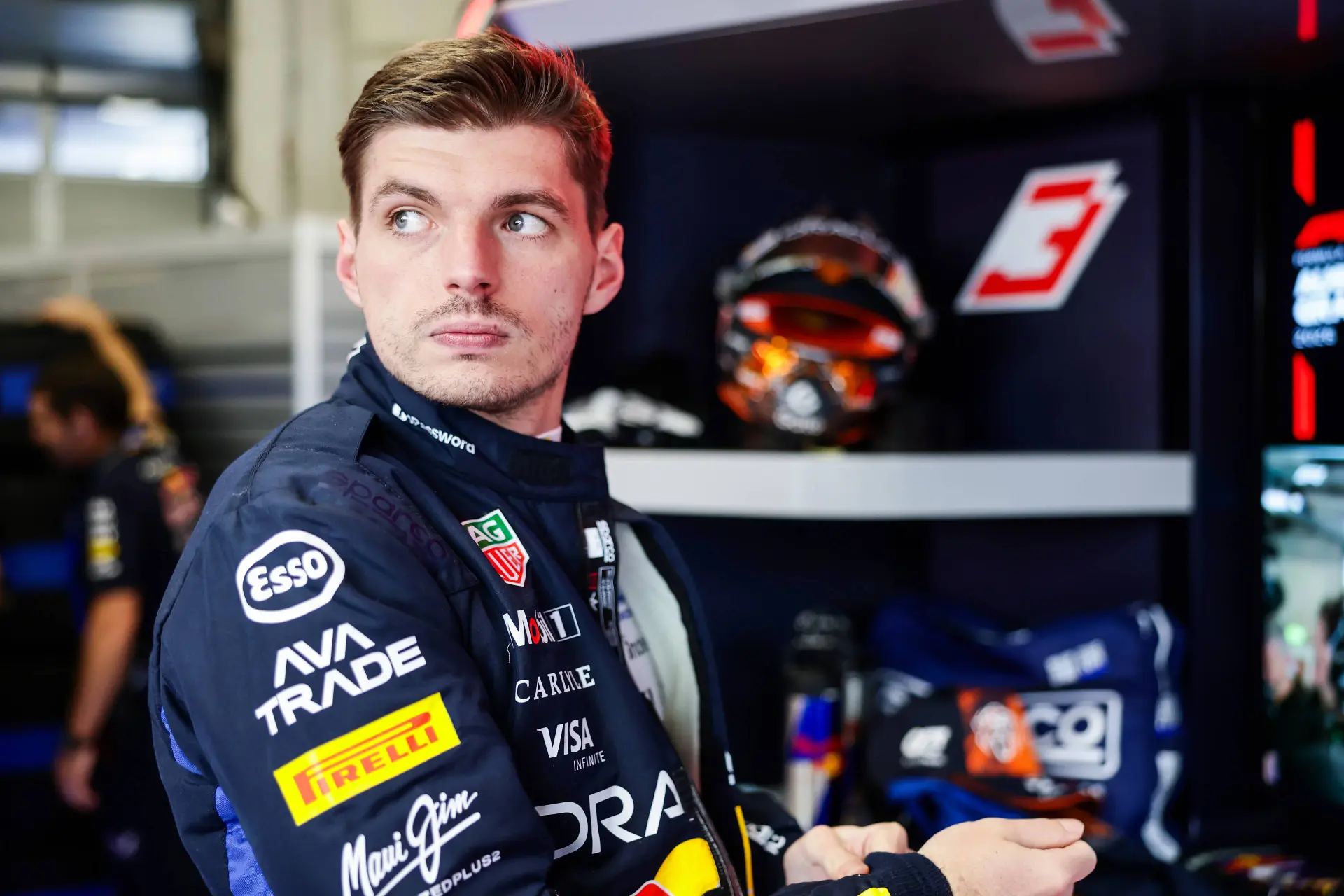
Max Verstappen has called it "crazy" that double yellow flags were not deployed sooner after his high-speed crash at one of the fastest sections of the Red Bull Ring during Austrian Grand Prix qualifying.
The Dutchman spun into the barriers at Turn 9 on a lap that looked set to challenge for the front row, with the delay in upgrading to double yellows allowing the two Mercedes drivers to complete their final runs. Kimi Antonelli erroneously believed he had seen double waved yellows and slowed down, but George Russell correctly observed the single waved yellow flag and was able to complete a pole lap to jump ahead of the two Ferraris.
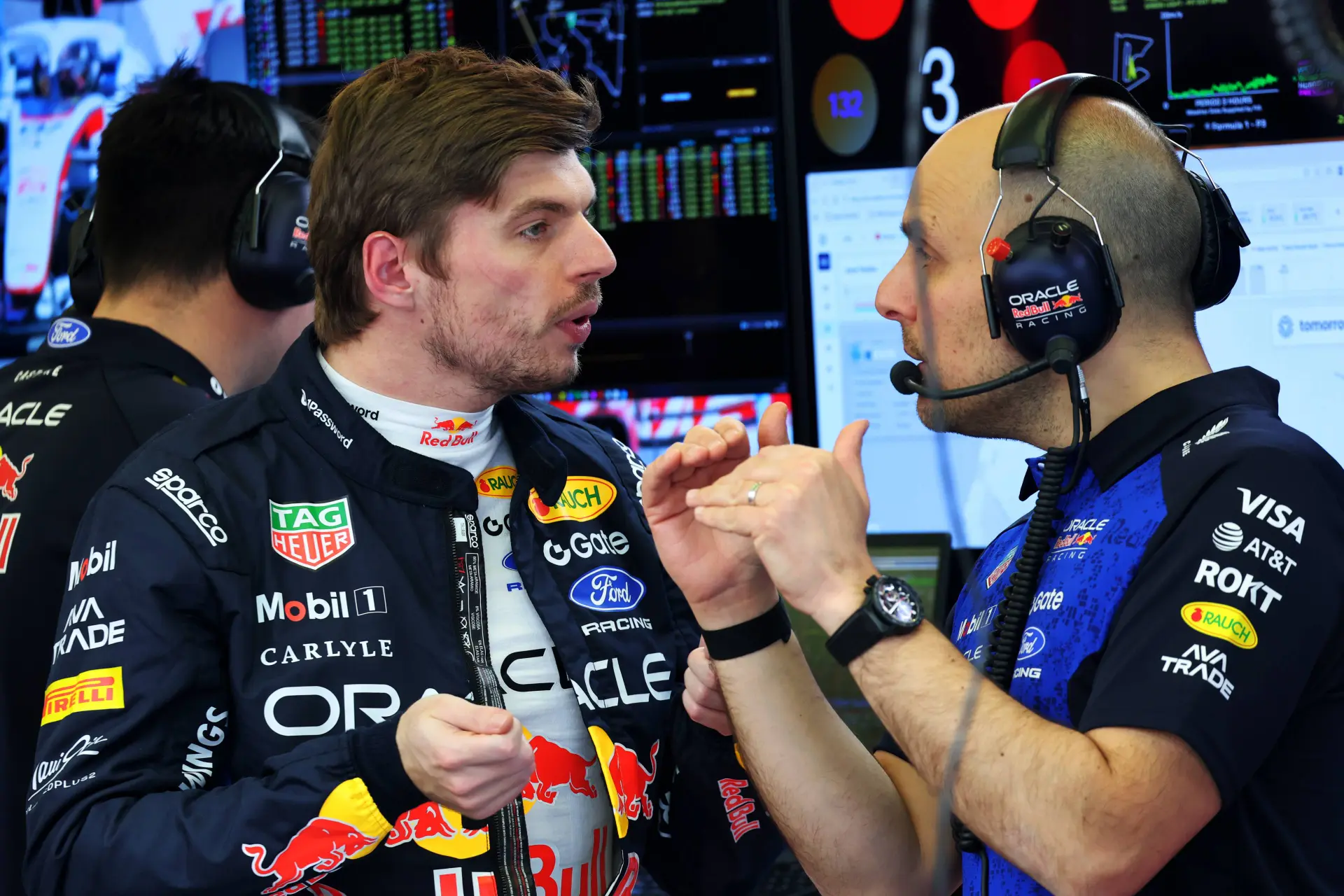
The decision not to immediately put out double yellows as been criticised due to the Dutchman being in the wall at a high speed section of the track. Asked for his reaction on only single yellow flags being initially shown, Verstappen told GPblog among other media outlets: "I only heard about that now, that's quite crazy."
The decision has also been a talking point with other drivers, with championship leader Antonelli saying he "doesn't know why" a double yellow flag was not shown straight away. Polesitter Russell said a single yellow was "correct", adding: “The only reason Verstappen was in the wall that far away is because he was attacking and lost the car. I think the single yellow was correct."
Why Verstappen crash did not immediately bring out double yellow flags
ADVERTISEMENT
A single yellow flag was immediately shown after Verstappen lost control of his Red Bull and crashed out of qualifying. A single yellow flag requires a driver to lift off and exercise caution, while a double waved yellow means a driver must slow down significantly and be prepared to stop.
After the crash, race control took time to assess the level of danger to determine whether the situation needed to be upgraded to a double yellow or red flag. According to the FIA, the double yellow flag came 15 to 20 seconds after the crash, after the point of which both Mercedes drivers had gone past the scene of the accident.
The Dutchman appeared to have made a driving error for his crash, but it later emerged that an issue with his active aerodynamics caused him to have the heavy crash, making it impossible for him to keep control of his Red Bull.
Don’t miss GPblog in Google
Mark us as a preferred source and our articles will appear more often at the top of Top Stories.
Add as a preferred / source on GoogleRead more about:
latest news


Bahrain Grand Prix
Overview
Friday 02.10.26
Practice 1
04:30 AM
Practice 2
08:00 AM
Saturday 03.10.26
Practice 3
04:30 AM
Qualification
08:00 AM
Sunday 04.10.26
Race
07:00 AM
Friday 02.10.26
Practice 1
Fri 04:30 AM
Practice 2
Fri 08:00 AM
Saturday 03.10.26
Practice 3
Sat 04:30 AM
Qualification
Sat 08:00 AM
Sunday 04.10.26
Race
Sun 07:00 AM
Times are in your local timezone
Rumors
Popular on GPBlog

1
Leclerc may have said too much on new Ferrari engine in Baku
3696 times read
2
Vasseur under pressure: they could be his replacement
2643 times read
3
Red Bull appears to have already revealed Fred Vasseur's successor at Ferrari
1949 times read
4
F1 drivers to face new challenge according to Malaysia weather forecast
1875 times read
F1-stand 2026
Season
| Pos. | Driver | Team | Points |
|---|---|---|---|
1 | MercedesMER | 302 | |
2 | MercedesMER | 236 | |
3 | FerrariFER | 199 | |
4 | McLarenMCL | 186 | |
5 | FerrariFER | 179 | |
6 | Red Bull RacingRBR | 163 | |
7 | McLarenMCL | 120 | |
8 | Red Bull RacingRBR | 86 | |
9 | Racing BullsRCB | 59 | |
10 | AlpineALP | 41 |
Loading