FIA president refuses to back down: 'I am committed to bringing V8s back to F1'
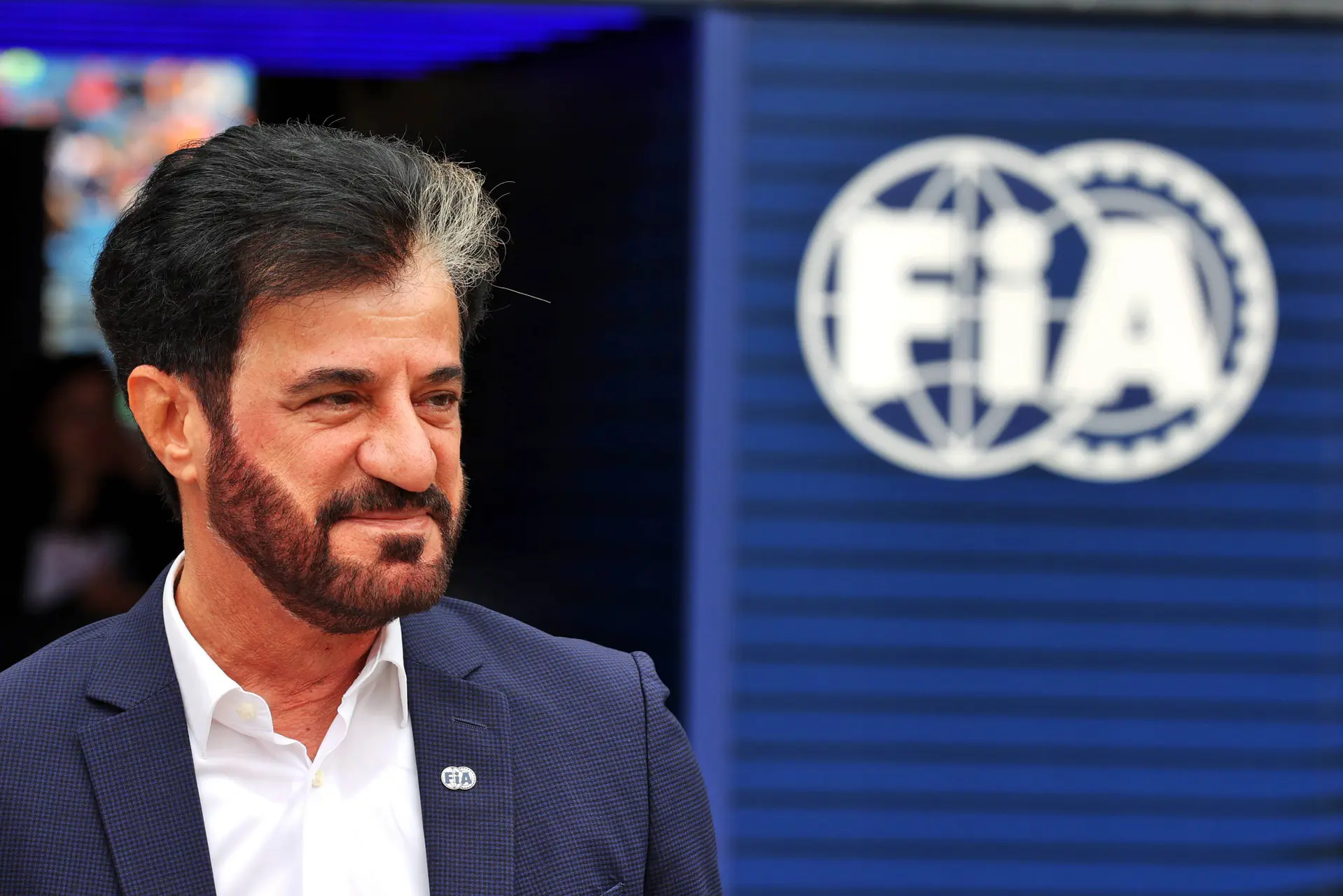
Photo: Race Pictures

Tobia is a Formula 1 journalist at GPblog with experience at international circuits. Since 2022, he has covered Grands Prix across Europe, delivering reliable coverage and insights from the paddock.
FIA president Mohammed Ben Sulayem has reiterated his desire to bring V8 engines back to Formula 1, outlining what he believes would be the key advantages and benefits over the current generation of cars.
Last month, the FIA president sparked widespread debate with a series of remarks that quickly made headlines across the motorsport world. Ben Sulayem expressed confidence that a return to V8 engines is inevitable, arguing that it is only a matter of time before the move becomes reality. He also pointed out that, under the current regulatory framework, the FIA would have the authority to introduce such a change from 2031 without requiring approval from the power unit manufacturers, while making clear that his preference would be to bring the switch forward by a year.
“It’s coming. Oh yes, it is coming. At the end of the day, it’s a matter of time. In 2031, the FIA will have the power to do it, without any votes from the PUMs. That’s the regulations. But we want to bring it one year earlier, which everyone now is asking for. When you try to tell them [the PUMs] they say no, but what will come, will come, and it [the power] will come back to the FIA."
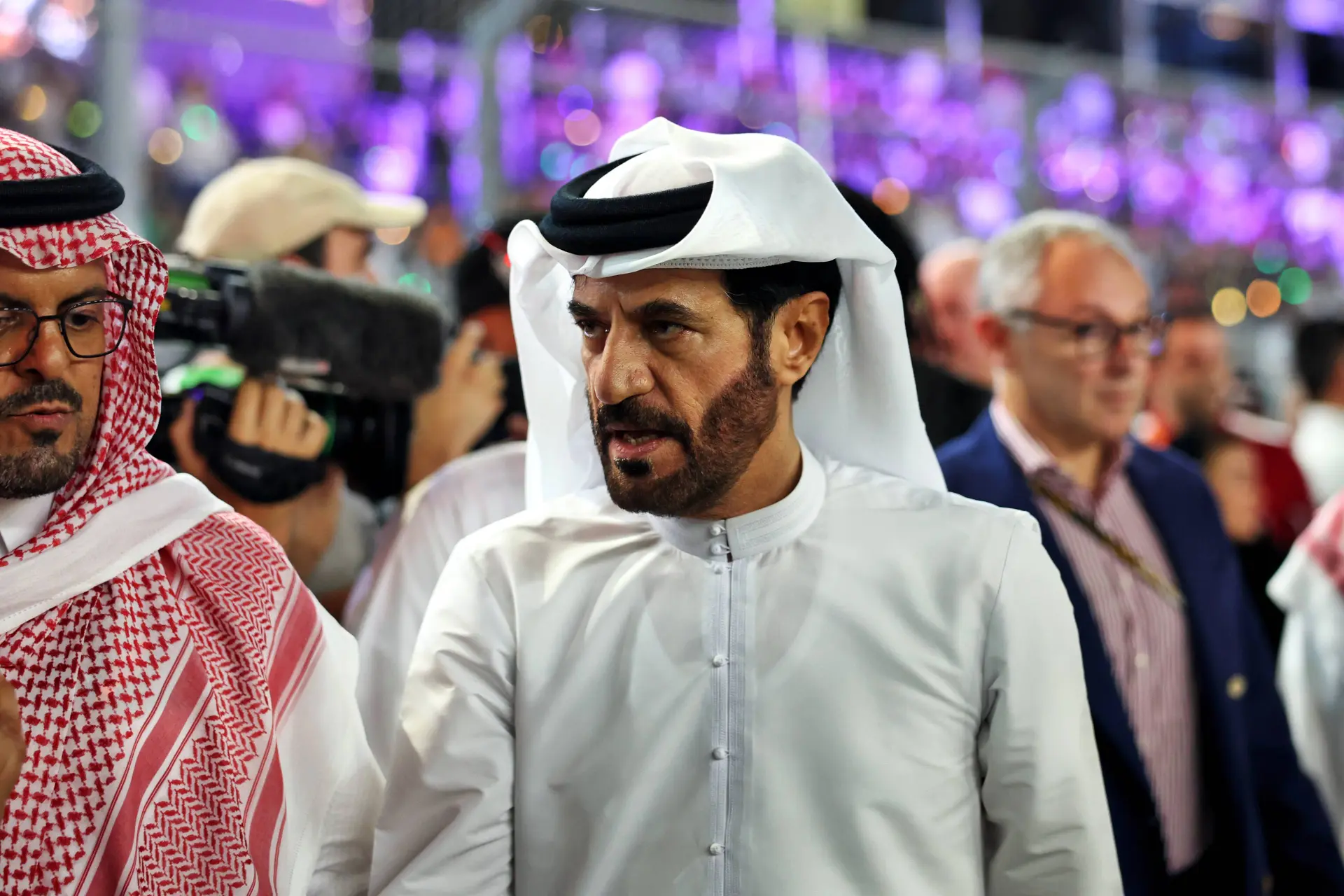
In a short video infographic shared across his social media channels, Ben Sulayem doubled down on his vision of bringing V8 engines back to Formula 1. The FIA president reiterated his goal of reintroducing the iconic power units by 2030, or at the latest as part of the next regulations cycle in 2031, arguing that V8s would offer a lighter, simpler and more cost-effective solution. He also stressed that the use of sustainable fuels would allow the sport to remain aligned with its environmental targets, while restoring the distinctive engine sound long associated with Formula 1.
ADVERTISEMENT
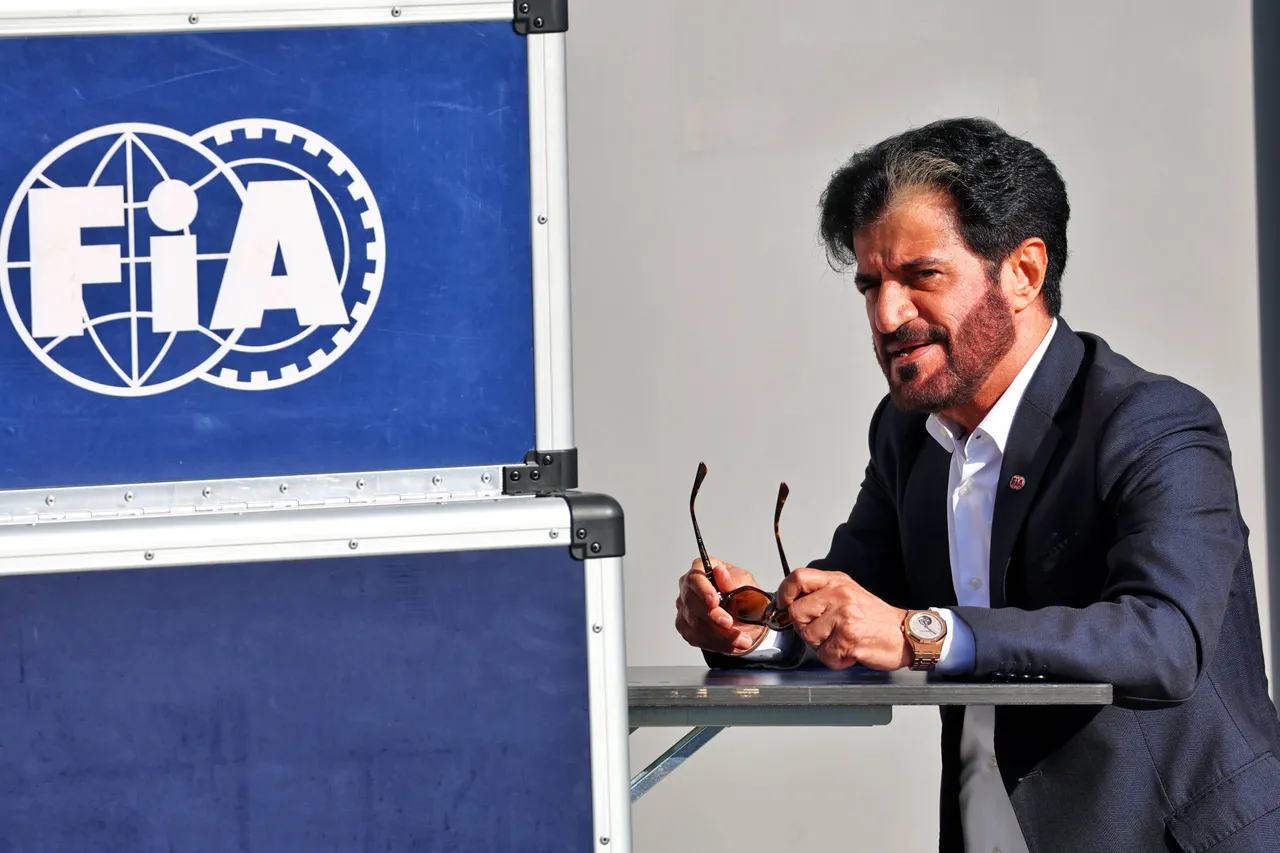
Photo: Race Pictures
"I am committed to bringing V8s back to Formula 1. Ideally by 2030, but certainly by 2031 as part of the next FIA regulations cycle. V8s are lighter, simpler and more cost-effective, while sustainable fuels mean they can remain aligned with our environmental ambitions. Most importantly, they bring back the unique, visceral sound that fans around the world associate with Formula 1."
He wrapped up by emphasising that the roar of the engines remains one of Formula 1's defining characteristics, suggesting that a return to louder power units would strengthen the connection between the sport and its fans: "Sound is part of Formula 1's identity - louder, more visceral engines enhance the fan experience."
F1 CEO Stefano Domenicali '1000 percent' supports F1 V8 engine comeback
F1 CEO and President Stefano Domenicali has also thrown his support behind a return to V8 engines. The Italian believes lighter cars and simpler power units would better reflect the core principles of motor racing, becoming the latest prominent figure in the paddock to back the proposal after Ben Sulayem publicly championed the idea.
ADVERTISEMENT
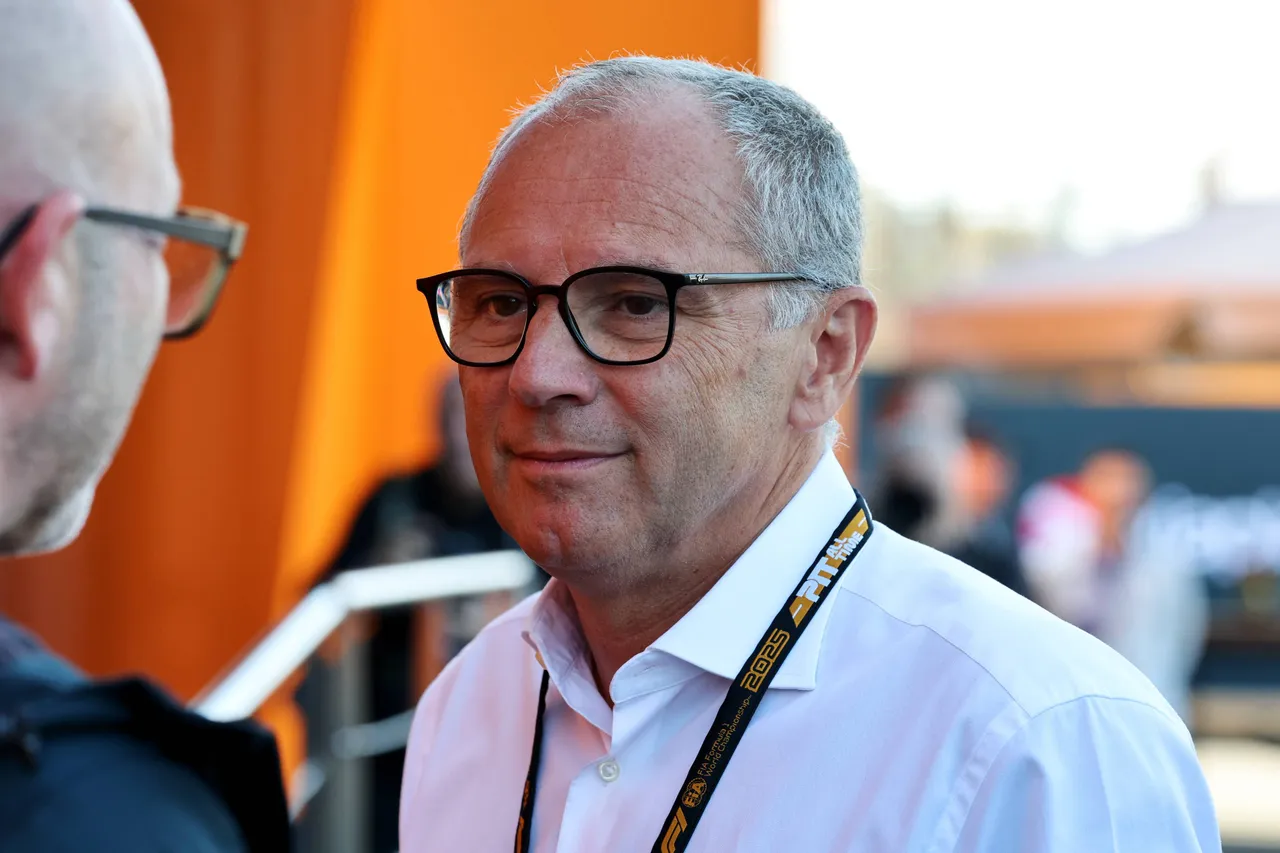
Photo: Race Pictures
Mercedes team principal Toto Wolff also voiced his support for a future return to V8 engines during the Miami Grand Prix weekend. While stressing that Mercedes remains open to exploring new power unit regulations in the long term, the Austrian acknowledged the appeal of V8s, highlighting the positive memories associated with the engine formula and its strong connection to the brand's motorsport heritage.
Support for the idea has extended beyond Formula 1's current manufacturers. Ford Performance global director Mark Rushbrook welcomed the ongoing discussions about the sport's next engine regulations, noting that the company - which produces a wide range of naturally aspirated V8 engines - would be keen to see the iconic power units make a comeback in Formula 1.
Read also


ADVERTISEMENT
Don’t miss GPblog in Google
Mark us as a preferred source and our articles will appear more often at the top of Top Stories.
Add as a preferred / source on Google