FIA announce new F1 driving and penalty guidelines for 2026 season
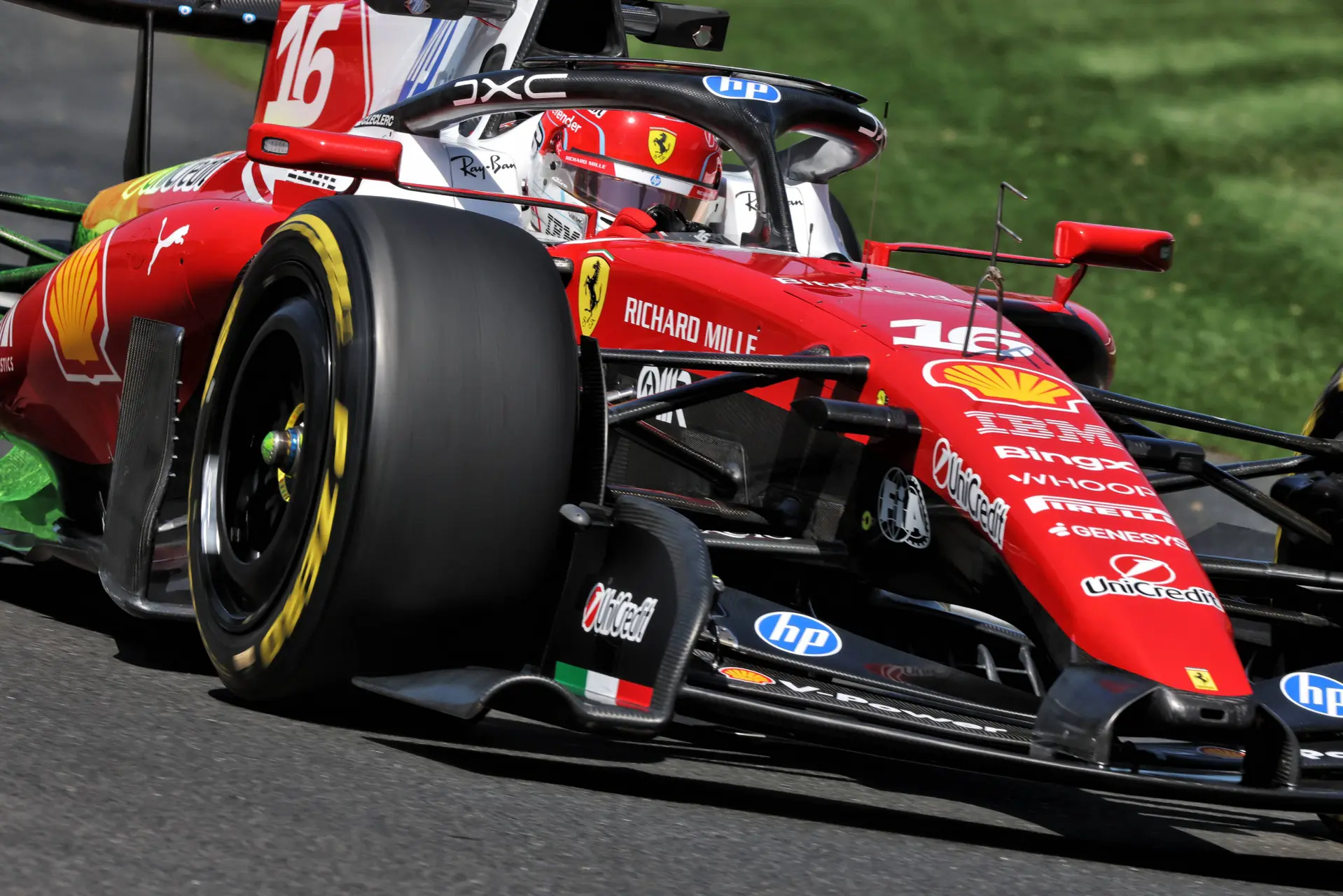
Leclerc during first practice in Melbourne - Photo: Race Pictures
Updated:
7 Comments

Henry Eccles is a freelance Formula 1 journalist for GPblog, covering breaking news, live race blogs, and features across the F1 calendar. Since joining in 2026, he has produced high-volume reporting on the sport’s biggest stories, alongside feature pieces including analysis and historical content.
The FIA have announced changes to their driving standard and penalty guidelines, with stewards likely to give out fewer penalty points to drivers in 2026.
Following a meeting at the Qatar Grand Prix in November, where the FIA note "constructive input," the driving standard guidelines have been amended to "align with the objectives expressed by the drivers and GPDA."
As well as changes to how penalty points are issued, the FIA have also confirmed updates to guidelines surrounding attempts to avoid collisions, and overtaking.
Penalty points, overtaking, yellow flags: Here are the updated FIA guidelines

Photo: Race Pictures
ADVERTISEMENT
The new guidelines say that, as a general policy: "Penalty points will be applied only for dangerous, reckless or apparently deliberate actions resulting in a collision, or other unacceptable driving behaviour or unsportsmanlike behaviour on the part of the driver."
The FIA have also noted that "more flexibility will be exercised by the Stewards in imposing the standards," and added four key main caveats with regard to what stewards can consider.
The four caveats are as follows:
1. A car being overtaken, or performing an overtake, cannot simply “disappear”
2. A lock up or small steering correction do not necessarily imply a driver has lost control
3. An apparent temporary loss of control, or a lock up, may be due to an attempt to avoid a collision, or simply the “laws of physics”.
ADVERTISEMENT
4. The apex may vary depending on the racing line taken and/or the nature of the corner itself.
Other guidelines have also been added for "expected behaviour" under yellow and blue flags, which have been introduced to provide "better clarity" for drivers.
Among the guidelines for blue flags, the FIA note: "Failure to allow the overtake on the next straight section of track will likely be considered a breach.
"The following situations will almost certainly be considered a breach:
i) If the overtake occurs after the car has passed 8 consecutive light panels
ADVERTISEMENT
ii) If an overtake is delayed by the car being lapped in order to receive OVERTAKE from the car lapping."
Meanwhile, for yellow flags, the stewards are to follow these eight guidelines when judging possible infringements:
"i) The onus rests with the driver to demonstrate a sufficient reduction of speed to satisfy the rules.
ii) The extent of speed reduction considered acceptable may vary depending on the conditions and visibility of and through the incident
iii) The requirement that a driver be prepared to stop in the case of Double Waved Yellow Flags means that the speed reduction must be significantly and noticeably greater than in the case of a Single Waved Yellow Flag.
ADVERTISEMENT
iv) In evaluating compliance with the rules, the Stewards will pay close attention to the extent of driver input (throttle pedal, brake pedal, steering angle) prior to and through the incident location.
v) It will be up to the driver to demonstrate to the Stewards, via the “driver input” referred to above or by the method below, that they have complied with the regulations.
vi) One method of demonstrating compliance (but not the only method) would be, in the case of a Single Waved Yellow Flag, an increase in the time taken to traverse the flag sector, of at least 5% compared to the driver’s previous lap(s) under similar conditions.
vii) Similarly, one method of demonstrating a significant reduction of speed and preparedness to stop, (again, not the only method) would be, in the case of Double Waved Yellow Flags, an increase in the time taken to traverse the flag sector, of at least 15% compared to the driver’s previous lap(s) under similar conditions.
viii) In considering what is a lap under ‘similar conditions’ the Stewards will take into account tyre compound, tyre condition, fuel load, energy deployment and weather conditions.
ADVERTISEMENT
ix) Any car losing control under a yellow flag or double yellow flag will usually be investigated."
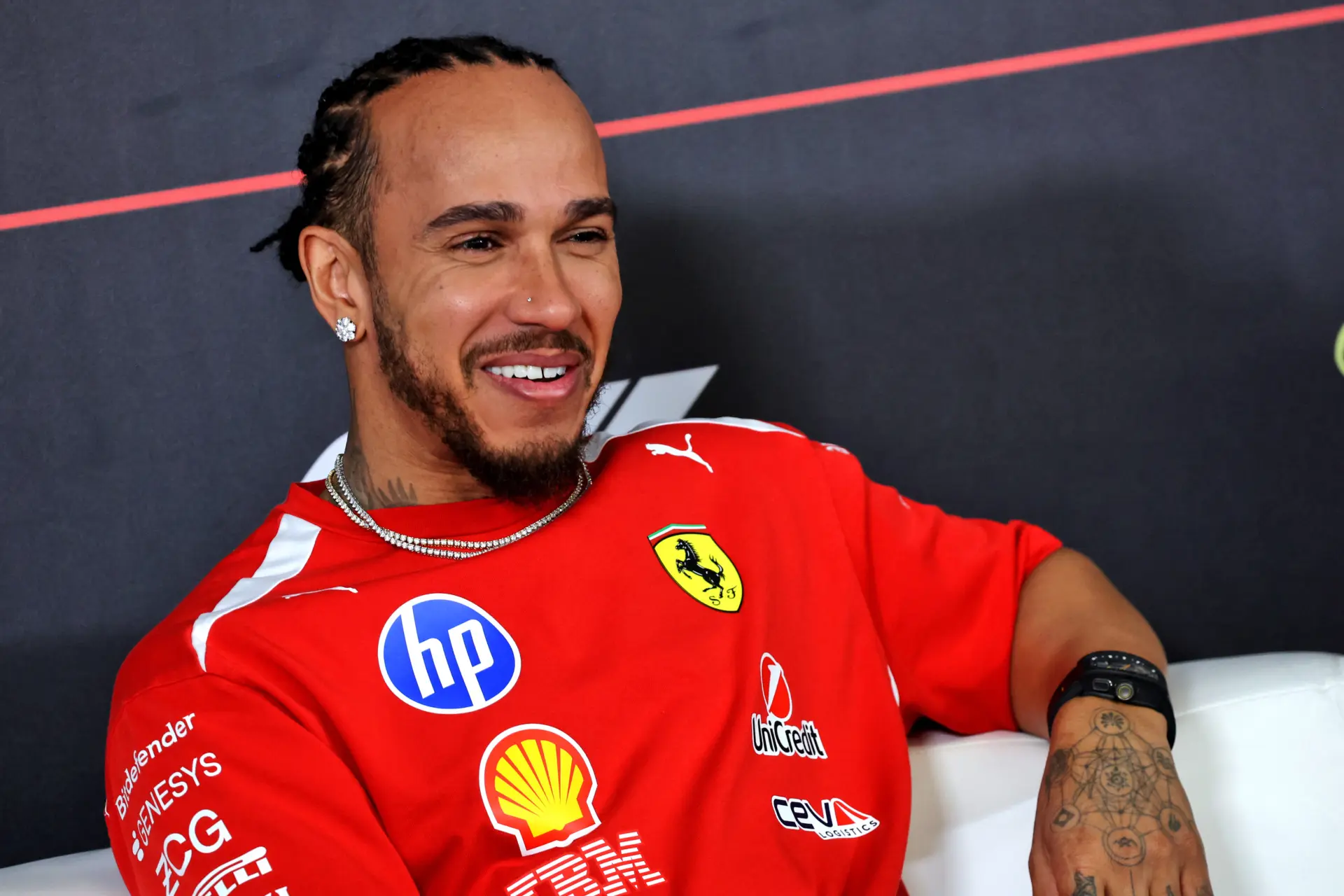
Colapinto learns FIA decision after near-collision with Lewis Hamilton in Melbourne
Franco Colapinto has learned his fate after narrowly avoiding a huge crash with Lewis Hamilton in the second practice session in Melbourne.
The Alpine driver was driving slowly down the main straight, but did not move off the racing line while Hamilton's Ferrari went at full speed to start a new lap.
ADVERTISEMENT
Read also

Don’t miss GPblog in Google
Mark us as a preferred source and our articles will appear more often at the top of Top Stories.
Add as a preferred / source on Google