F1 Sprint weekends receive vital tweak for 2026 season
Photo: Race Pictures
Updated:
1 Comments

A filmmaker with a soft spot for Ronnie Peterson, Gilles Villeneuve, Mika Hakkinen and above all, Tazio Nuvolari and Ayrton Senna, is also a diehard Formula One fan since the age of 4 (mid-90's). An avid researcher of the past of Grand Prix Racing since before it was even named F1, and with a thirst for knowledge of the ins and outs of the actuality of the sport, as well as for the technical aspects that define it, is a member of GPblog since 2023, where he has put his love of racing to good use.
F1 Sprint race weekends will undergo a minor tweak as of 2026.
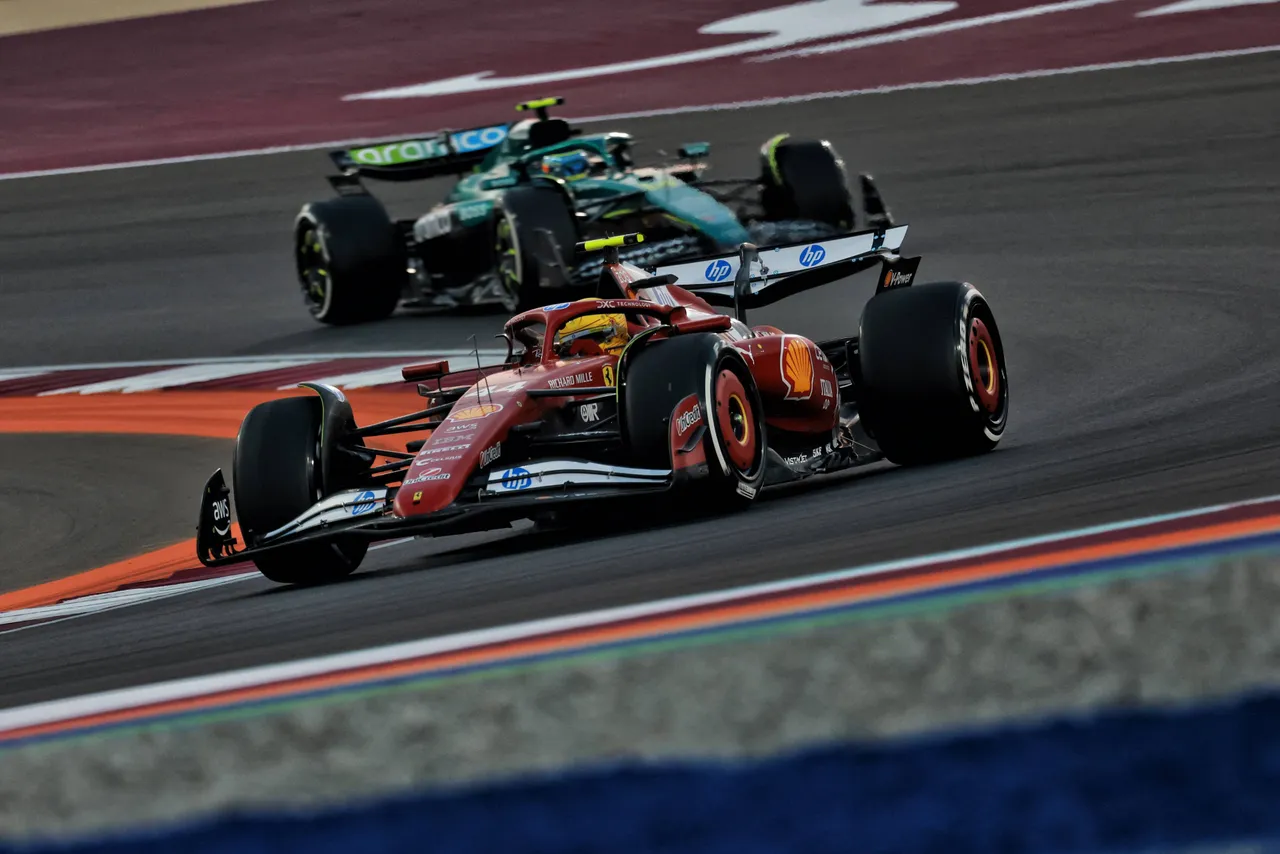
Lewis Hamilton driving the SF-25 at the Qatar GP Sprint weekend. Photo: Race Pictures
During a traditional race weekend, F1 teams and drivers get a three one-hour practice sessions to help them set up the car as best they can for qualifying and the race.
However, during a sprint weekend the number practice allowance reduces to one hour, with Sprint qualifying and the Sprint race taking the FP2 and FP3 slots in the programme.
During a neutralisation to a practice session prompted by a yellow or a red flag, the clock continues ticking, making the quest to attain the most optimal set up harder.
ADVERTISEMENT
In a FIA World Motorsport Council meeting that took place in Tashkent, Uzbekhistan, a minor change to the Sprint format's regulations was approved to stop the clock when a practice session is neutralised during a Sprint weekend and will be enforced as of the F1 2026 season.
"An allowance has been made for FP1 at a sprint event to be extended following a red flag, to ensure that competitors are afforded relevant practice time," the FIA said in a summary of the meeting's resolutions.
F1 faces further rule tinkering
In a Sprint qualifying session teams are given a mandatory tyre allocation of one medium tyre for SQ1, another set of medium for SQ2 and two sets of soft tyres for SQ3. The measure adopted since the F1 2024 season will now stand even if rain strikes during the session.
Should a qualifying session be hit with precipiation but it recedes in time for teams and drivers to bolt on dry tyres, then they must use the tyres mandated by the regulations.
ADVERTISEMENT
As of 2027 pre-season testing will go back to its traditional sole three-day programme. In 2026 the FIA and the F1 teams agreed to extend the testing allocation ahead of the start of the season in Australia in 4-6 March, with a behnid-closed-doors test from 26-30 January in Barcelona, followed by two more three-day testing sessions in Bahrain from 11-13 and 18-20 February.
IndyCar drivers get more super license points
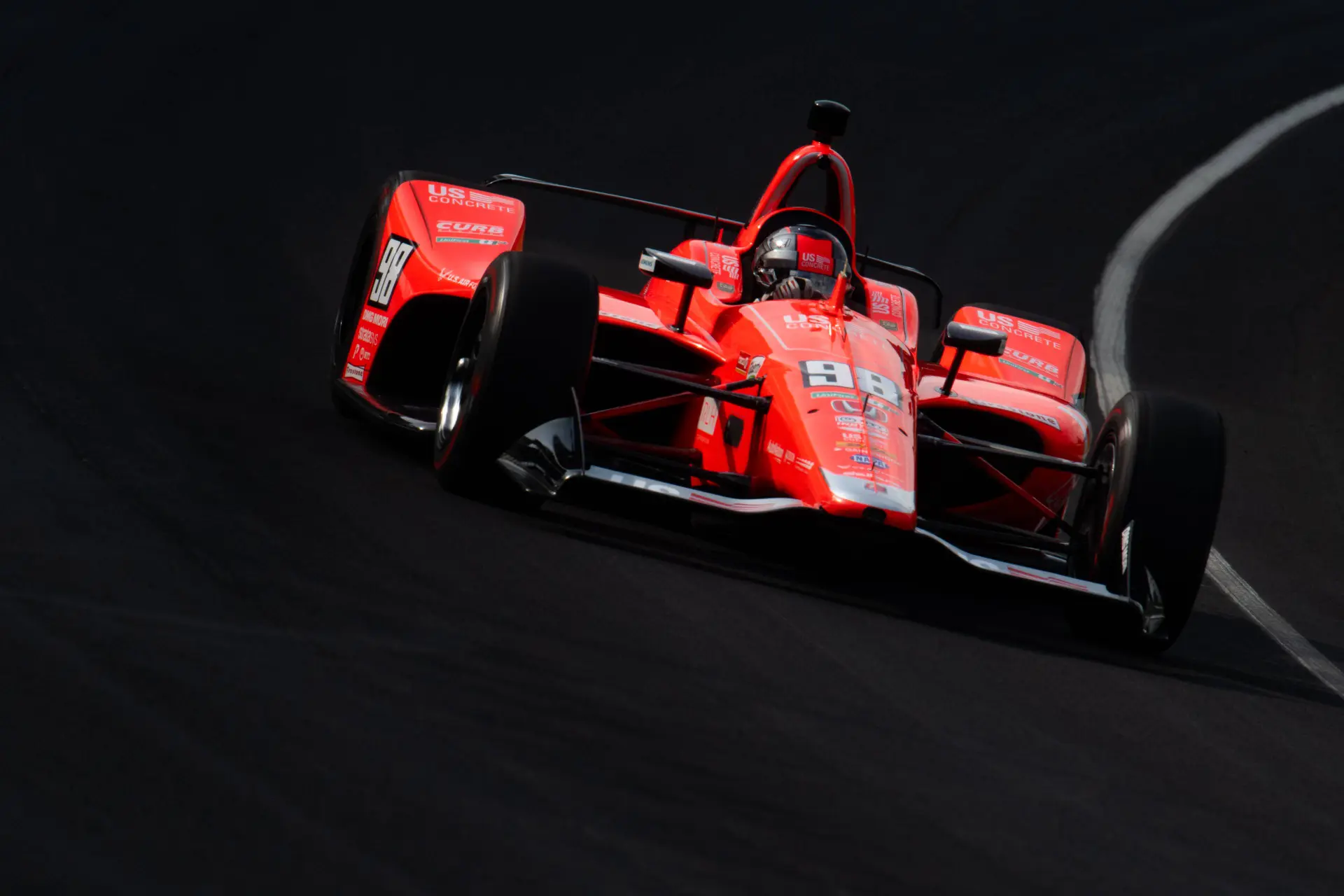
The FIA also revised its super licence points for IndyCar from 2026 during the WMSC meeting, increasing the top-10 allocation to 40-30-25-20-15-10-8-6-3-1 from 40-30-20-10-8-6-4-3-2-1. Read more on the measure's impact here.
GPblog's latest F1 Paddock Update
Want to stay up-to-date with what happens in the F1 paddock? Then GPblog's F1 Paddock Update video is the perfect way to do it. Subscribe to GPblog's YouTube channel and turn on notifications to never miss the latest episodes.
ADVERTISEMENT
Read also



Don’t miss GPblog in Google
Mark us as a preferred source and our articles will appear more often at the top of Top Stories.
Add as a preferred / source on Google