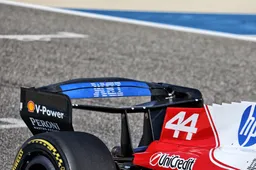
Why an EV giant joining Formula 1 may not be the breakthrough it seems

Photo: Race Pictures

Tobia is a Formula 1 journalist at GPblog with experience at international circuits. Since 2022, he has covered Grands Prix across Europe, delivering reliable coverage and insights from the paddock.
A Formula 1 increasingly reliant on electric power and battery technology appears to be starting to attract major players from the EV automotive sector.
On Tuesday, Bloomberg reported that BYD - the Chinese electric automotive giant - is exploring a potential move into motorsport, with Formula 1 among the categories being considered as the company looks to boost its global brand visibility after years of rapid growth within its domestic market.
The options on the table reportedly include acquiring or investing in an existing team, similar to what Audi did with Sauber, or even entering the sport with a completely new outfit - much like Cadillac - which would take the grid up to 12 teams.
With Formula 1 having moved towards an increasingly electrified philosophy with the introduction of the 2026 power unit regulations, the potential arrival of a giant like BYD would not be entirely surprising.

Photo: Race Pictures
ADVERTISEMENT
The new rules significantly increased the importance of the electric component, with the overall power split set at roughly 50% from the internal combustion engine and 50% from the electric system via the MGU-K, while the MGU-H was removed and the battery became far more central to performance.
In practical terms, the MGU-K output rose from around 120 kW to approximately 350 kW, turning electrical energy into a key factor in overall performance rather than just a supporting element. In that context, a manufacturer such as BYD - a global leader in such field - would enter a technological landscape closely aligned with its core expertise.
However, even with the power split between combustion and electric systems effectively balanced at 50-50 under the new rules, Formula 1 still remains heavily dependent on the internal combustion engine.
That is a key point when considering a company like BYD, which produces only electric vehicles and therefore it would have very limited direct expertise in developing a high-performance F1 combustion engine.
At a time when Formula 1 is already facing heavy criticism over its new regulations and cars seen as increasingly battery-dependent, the arrival of a major EV manufacturer would likely add further scrutiny to a direction that has done little to excite fans, drivers and paddock insiders alike.
ADVERTISEMENT
F1 bosses find common ground over new rules but resist knee-jerk changes
Speaking to GPblog and other media outlets, Zak Brown emphasised that Formula 1 ultimately has to guarantee an entertaining spectacle, leaving the door open to possible adjustments if the racing fails to live up to expectations.
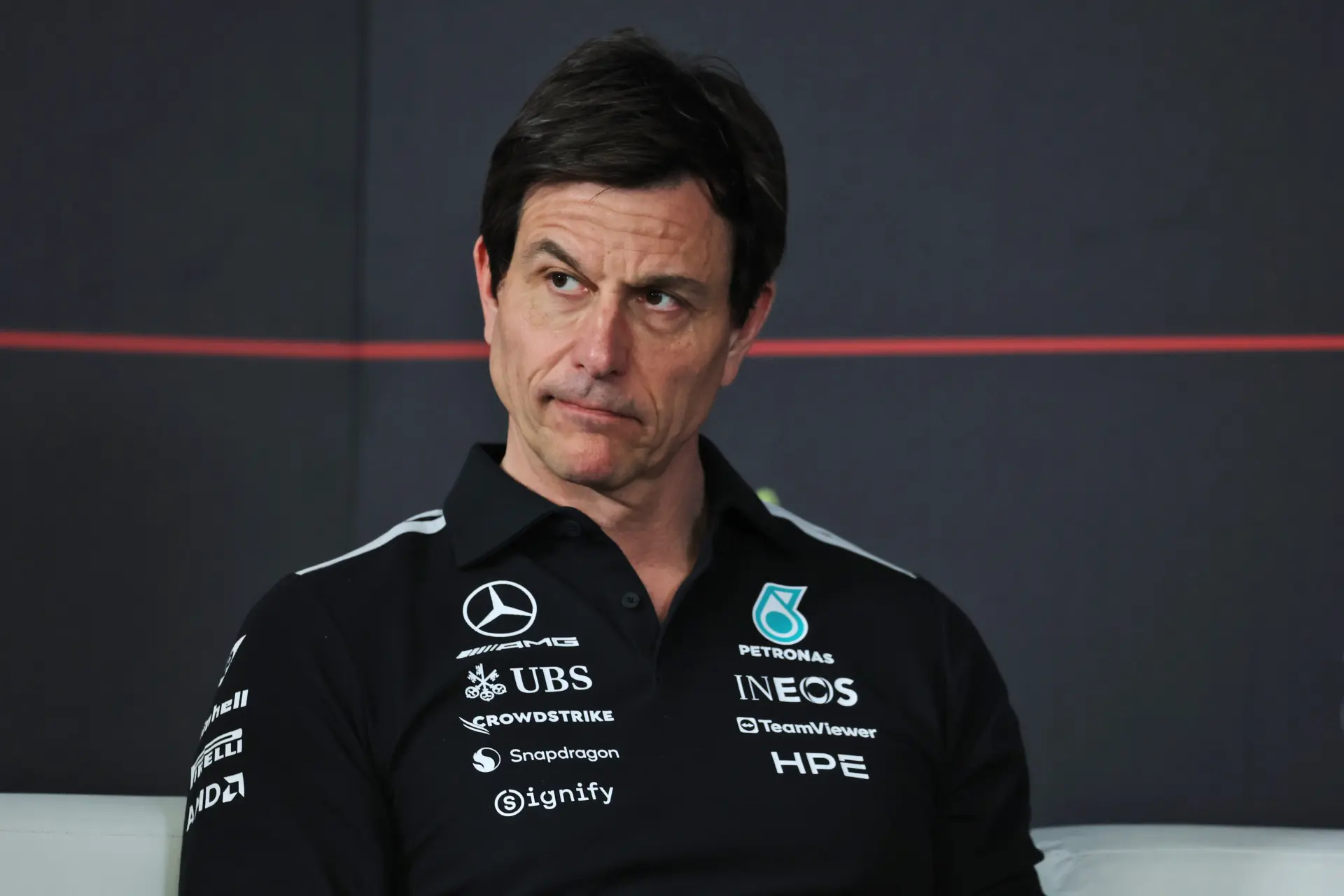
The subject was also raised with Toto Wolff after the Melbourne race, which ended with a dominant Mercedes one-two finish. The Austrian was asked to respond to the criticism voiced by several drivers, many of whom have questioned the nature of the new cars and described some of the overtakes produced by the current rules as ‘artificial’.
Ferrari team principal Frederic Vasseur also indicated he would not oppose potential changes to the regulations. At the same time, the Frenchman made it clear that the sport should avoid rushing into decisions, arguing that teams first need to analyse more data from the opening races before deciding whether any modifications are truly required.
ADVERTISEMENT
Read also

Don’t miss GPblog in Google
Mark us as a preferred source and our articles will appear more often at the top of Top Stories.
Add as a preferred / source on Google