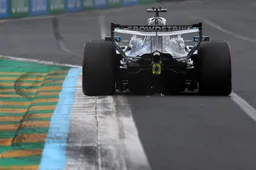
The alarming new phenomenon Australian GP qualifying brutally exposed
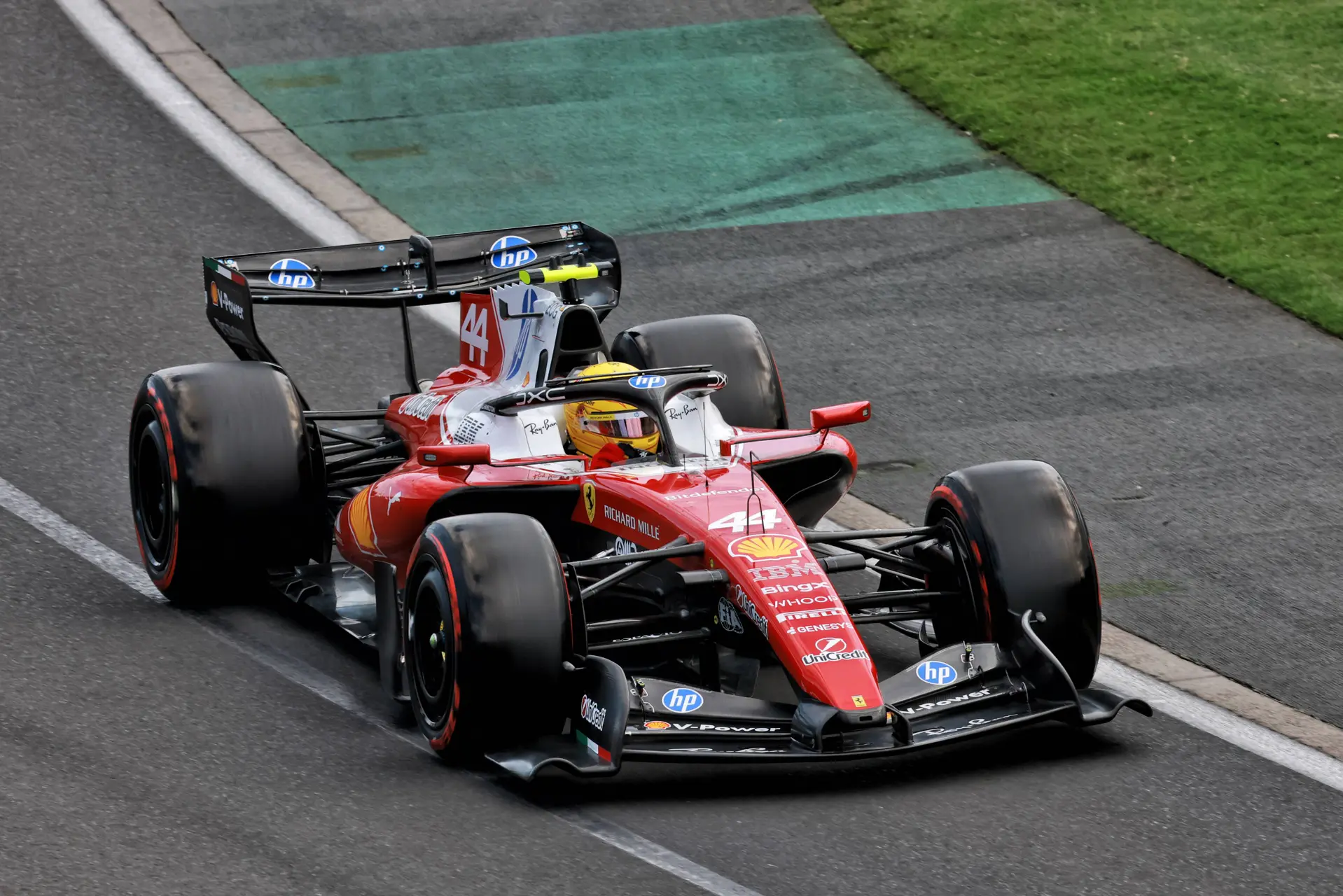
Photo: Race Pictures

Tobia is a Formula 1 journalist at GPblog with experience at international circuits. Since 2022, he has covered Grands Prix across Europe, delivering reliable coverage and insights from the paddock.
One of the main terms fans will have to get used to in this new era of Formula 1 is super clipping, a phenomenon that became clearly evident in Melbourne.
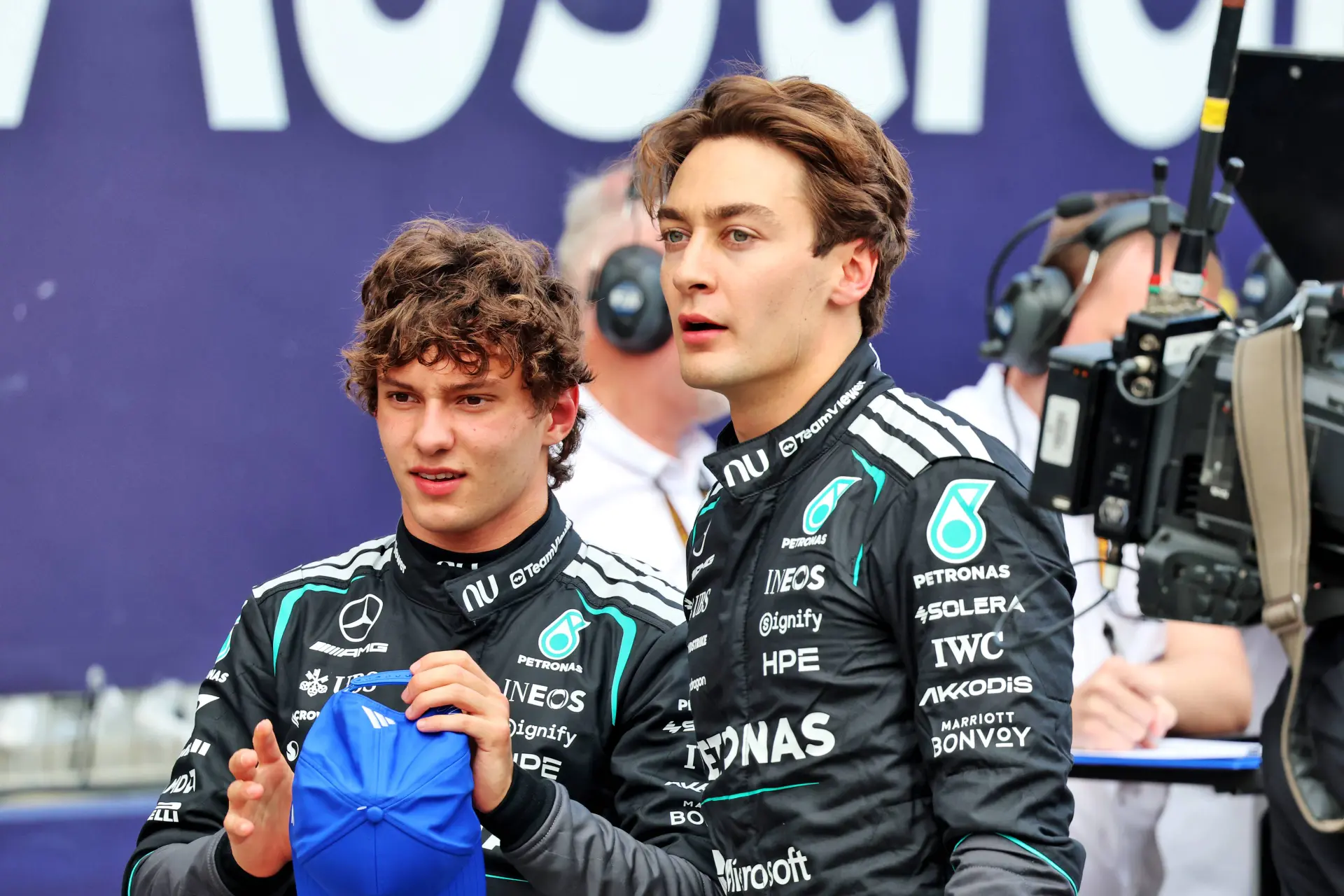
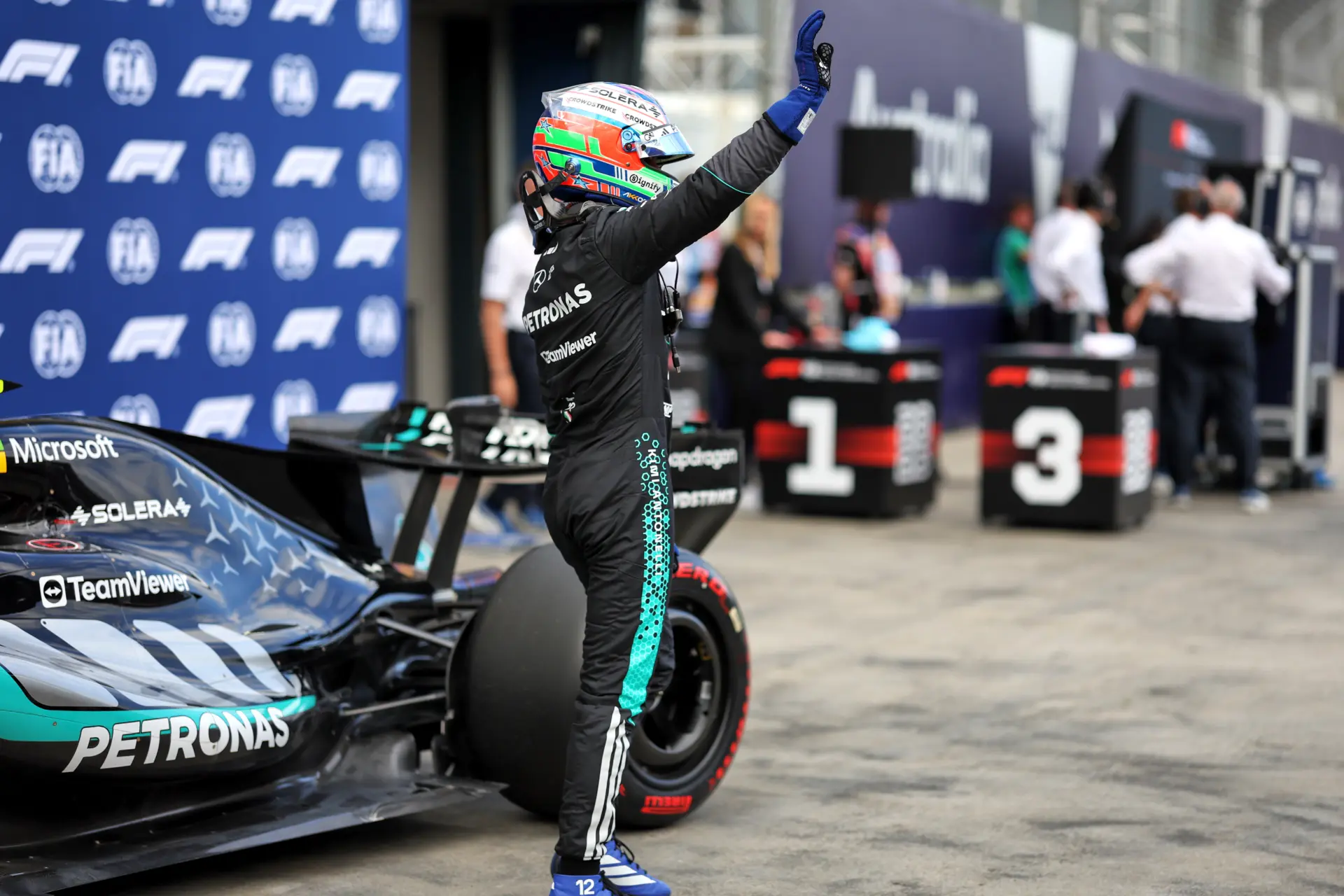
Qualifying in Melbourne - the first of Formula 1’s new era, with the electric side of the power units playing a bigger role than ever - confirmed Mercedes’ clear superiority, as Russell and Antonelli brushed aside the competition to lock out the front row with a commanding 1-2, even if it had largely been expected.
Yet rather than the sporting aspect, much of the attention quickly shifted to the wave of criticism aimed at the new regulations, with drivers forced to lift significantly - particularly along the back straight at Albert Park - in order to recharge the batteries, even if it meant sacrificing a large amount of straight-line speed.
With the removal of the MGU-H from the new power units, battery recharging has become a critical factor for this generation of cars, forcing teams to carefully manage every last bit of energy in order to piece together a competitive lap time.

Photo: Race Pictures
ADVERTISEMENT
As a result, phenomena that were already present last year - such as lift and coasting and energy harvesting - but above all super clipping, have become far more pronounced this season, to the point of heavily affecting even a single qualifying lap.
In simple terms, super clipping occurs when the battery begins to recharge while the car is still at full throttle at the end of a straight. At that point, the power unit starts harvesting electrical energy instead of delivering its full output, leading to a drop in acceleration and top speed.
It is a concept that feels somewhat counterintuitive, given that Formula 1 has always been about extracting the maximum performance from every component of the car.
Yet, with the electrical side of the power unit now accounting for roughly half of the total output, this seemingly unnatural approach has paradoxically become the most effective way to drive these new cars.
Read also


ADVERTISEMENT
Onboard footage from several drivers during qualifying, particularly on the approach to Turn 9, revealed striking - and at times concerning - drops in speed, occasionally exceeding 50 km/h, as the cars simply struggled to maintain their pace while the battery was being managed for deployment later in the lap.
A factor that was already highly influential in Melbourne, but one that could become even more significant at circuits with much longer straights and fewer heavy braking zones, such as Spa, Monza or Las Vegas.
Norris launches scathing assessment on new F1 cars
Speaking to GPblog at the end of qualifying, the Brit said the driving experience feels unusual and requires a completely different approach compared to previous seasons. He explained that putting together a quick lap now revolves around finding a very specific rhythm - lifting off the throttle earlier than expected, managing the gears differently and carefully judging braking points.
With energy management playing such a crucial role, Norris added that track time has become more important than ever, as drivers need several laps to properly understand how to extract the maximum from the car.
ADVERTISEMENT
Read also

GPblog's latest F1 Paddock Update
Want to stay up-to-date with what happens in the F1 paddock? Then GPblog's F1 Paddock Update video is the perfect way to do it. Subscribe to GPblog's YouTube channel and turn on notifications to never miss the latest episodes.
ADVERTISEMENT
Don’t miss GPblog in Google
Mark us as a preferred source and our articles will appear more often at the top of Top Stories.
Add as a preferred / source on Google