FIA's loophole closing attempt paves way for 'unintended' F1 fuel trick
Photo: Race Pictures
Updated:
4 Comments

A filmmaker with a soft spot for Ronnie Peterson, Gilles Villeneuve, Mika Hakkinen and above all, Tazio Nuvolari and Ayrton Senna, is also a diehard Formula One fan since the age of 4 (mid-90's). An avid researcher of the past of Grand Prix Racing since before it was even named F1, and with a thirst for knowledge of the ins and outs of the actuality of the sport, as well as for the technical aspects that define it, is a member of GPblog since 2023, where he has put his love of racing to good use.
The FIA, attempting to seal off a potential loophole in the fuel flow measurement regulations, has opened up yet another massive area teams can exploit as of the F1 2026 season.
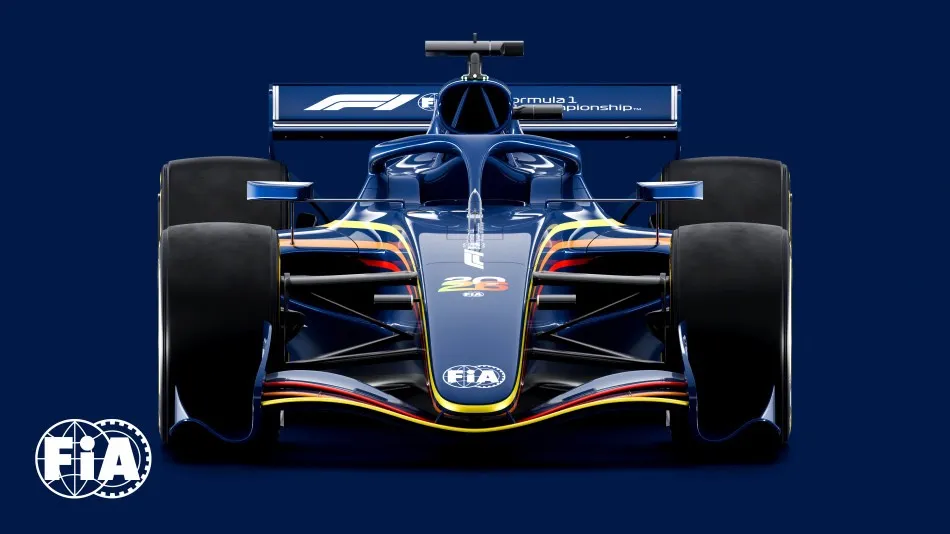
2026 F1 car's rendering by the FIA - Image: FIA
Reports have recently surfaced pointing to various ways engine manufacturers like Mercedes, Red Bull Ford and Audi have found to bypass power output setbacks long feared in the upcoming set of new technical rules.
Furthermore, it is believed Mercedes and Red Bull may have found a way to increase the cylinder compression ratio when the engine is at running temperature from the prescribed 16:1 limit outlined in the upcoming regulations, which could reportedly yield four tenths in terms of sheer performance and has the added benefit of improving fuel efficiency.
FIA clampdown attempt paves way for rule exploitation
ADVERTISEMENT
In 2026 F1 cars will use 100% sustainable fuel, which has caused the series to drop its previous 100kg/h fuel flow measurement two-part device - one for the FIA's use and another for the teams' - for a single 300Mj/h fuel energy flow meter developed by independent manufacturer Allegra.
However, a change of wording in the regulations that forbids potential tampering with the new fuel flow check system suggests teams have been probing into this area in a bid to extract more performance.
Doing so could alter the data of the fuel composition's measurements as well as the readings emitted by the new fuel energy flow meter.
The first change clarified that teams were barred from any purposeful attempts to affect the fuel-flow meter's temperature. "Any intentional heating or chilling of the fuel-flow meter is forbidden," the update read.
After the recent FIA World Motor Sport Council meeting in Tashkent, Uzbekistan, the wording received another adjustment: "Any device, system, or procedure, the purpose of which is to change the temperature of the fuel-flow meter is forbidden."
ADVERTISEMENT
Intention is one thing, a secondary consequence is another altogether
In F1 devices, systems or processes that intent to alter the cars' ride height are banned. However, a clever Mercedes solution to its rear suspension briefly saw the phenomenon's legal return.
Since the 2021 Turkish Grand Prix, the rear of the Mercedes W12 would compress under acceleration and would rise under braking - optimising straightline speed without compromising cornering speed. All thanks to an ingenious mechanical design whose main purpose was not to cause that shift in ride height levels.
Although the ride height-altering phenomenon was present, it was said to be a mere consequence, which indeed for a brief time allowed its use due to the wording in the regulations.
With the restrictive aerodynamic and chassis regulations that were put in place to increase the racing spectacle, F1 PUMs (Power Unit Manufacturers) are exploiting the advantages the untested rulebook has to offer.
ADVERTISEMENT
However, the FIA remains committed to enforcing the new regulations- wording, and more importantly its spirit, to ensure they have a better chance of achieving the intended targets.
'F1 PUM tried to block a customer team's access to fuel'
F1’s 2026 rules overhaul is pushing teams to seek advantages and one power unit supplier allegedly tried to block a customer team from using a specific fuel spec, prompting demands for equal access. Read the story here.
Read also




GPblog's latest F1 Paddock Update
ADVERTISEMENT
Want to stay up-to-date with what happens in the F1 paddock? Then GPblog's F1 Paddock Update video is the perfect way to do it. Subscribe to GPblog's YouTube channel and turn on notifications to never miss the latest episodes.
Don’t miss GPblog in Google
Mark us as a preferred source and our articles will appear more often at the top of Top Stories.
Add as a preferred / source on GoogleRead more about:
latest news





Bahrain Grand Prix
Overview
... ...
Practice 1
...
Practice 2
...
... ...
Practice 3
...
Qualification
...
... ...
Race
...
... ...
Practice 1
...
Practice 2
...
... ...
Practice 3
...
Qualification
...
... ...
Race
...
Times are in your local timezone
Rumors
Popular on GPBlog

1
F1 Today | Russell tops timesheet in 'first session' in Malaysia as Verstappen turns 29
6608 times read

2
George Russell tops the 'first session' of the week in Malaysia
1735 times read

3
Lance Stroll’s salary revealed: how many millions Aston Martin pays
1211 times read
4
Max Verstappen turns 29: Kelly Piquet shares birthday photos with special cake
933 times read
F1-stand 2026
Season
| Pos. | Driver | Team | Points |
|---|---|---|---|
1 | MercedesMER | 302 | |
2 | MercedesMER | 236 | |
3 | FerrariFER | 199 | |
4 | McLarenMCL | 186 | |
5 | FerrariFER | 179 | |
6 | Red Bull RacingRBR | 163 | |
7 | McLarenMCL | 120 | |
8 | Red Bull RacingRBR | 86 | |
9 | Racing BullsRCB | 59 | |
10 | AlpineALP | 41 |
Loading