Stefano Domenicali's staged interview was meant to stop F1 criticism, it's massively backfired
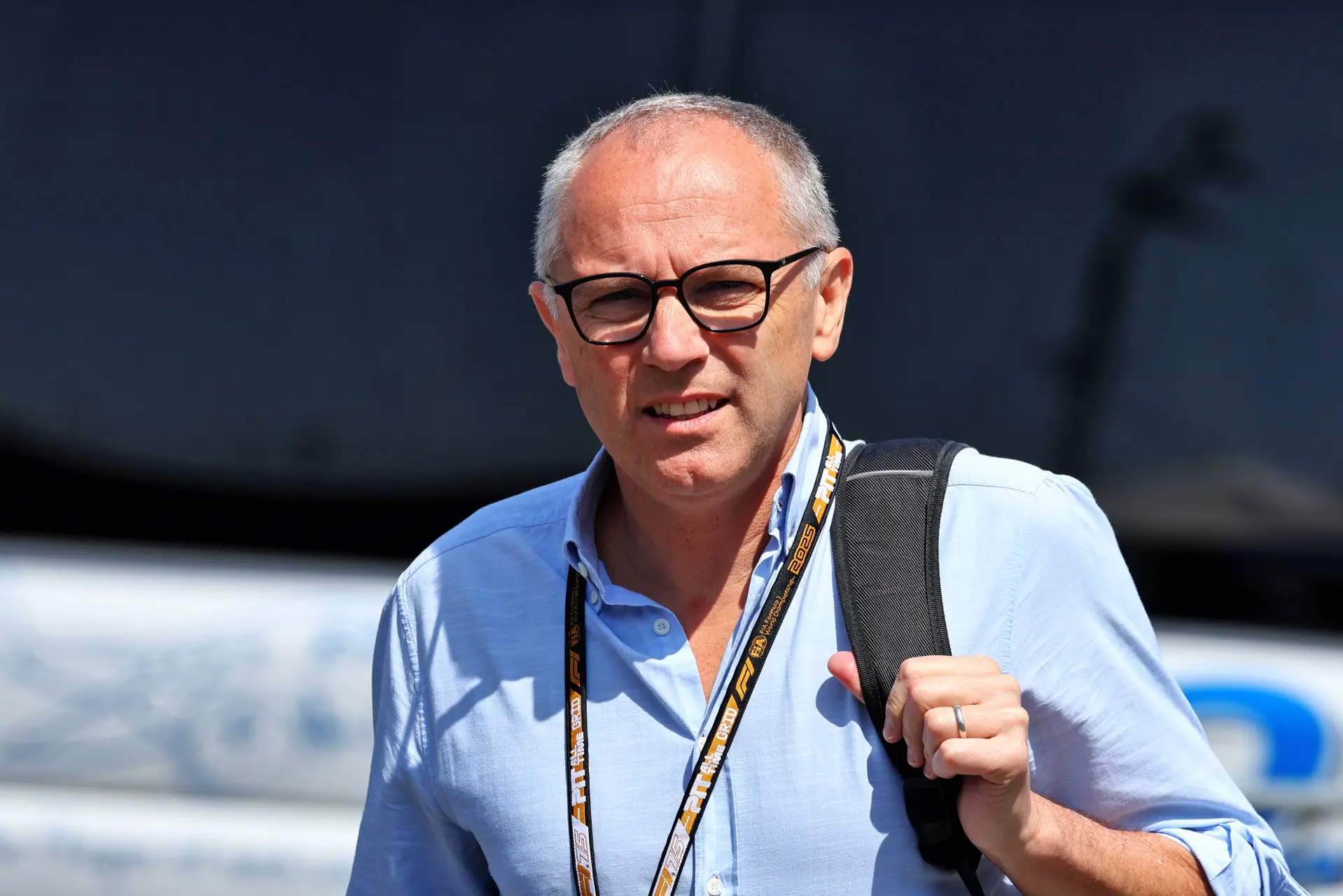
Photo: Race Pictures

Ben Hunt is an award-winning motorsport journalist with over two decades of experience in Formula 1 and international media. As a former editor-in-chief and bestselling author, he delivers in-depth analysis and strategic insight from the highest level of the sport.
If Stefano Domenicali's staged interview was supposed to stop the F1 bashing, then it backfired. Massively.
The enforced break due to F1’s cancelled races has caused somewhat of an echo chamber in the news cycle, so it was always important to get the right message out.
Which is why F1 CEO Stefano Domenicali staged a recent interview to address the naysayers who have been so critical of the current regulations and new era of F1. However, if his desire was to satisfy the baying mobs on social media, then his words have only had the opposite impact.
Rather than resetting the narrative, the carefully managed conversation has amplified concerns about the sport’s direction, particularly among fans and, crucially, its top drivers. In trying to defend Formula 1, Domenicali may have inadvertently exposed the widening disconnect between the direction of travel plotted by the sport’s leadership and its core audience.
Which is why F1 CEO Stefano Domenicali staged a recent interview to address the naysayers who have been so critical of the current regulations and new era of F1. However, if his desire was to satisfy the baying mobs on social media, then his words have only had the opposite impact.
Rather than resetting the narrative, the carefully managed conversation has amplified concerns about the sport’s direction, particularly among fans and, crucially, its top drivers. In trying to defend Formula 1, Domenicali may have inadvertently exposed the widening disconnect between the direction of travel plotted by the sport’s leadership and its core audience.
At the heart of the backlash is a perception problem. Domenicali's remarks appeared overly polished, almost rehearsed, and lacking genuine engagement with the issues critics have been raising for months. Whether discussing sprint race formats, the expanding calendar, or the sport’s entertainment-first philosophy, his tone leaned heavily toward corporate optimism. That might work in a boardroom, but Formula 1 fans and drivers value authenticity over PR-speak.
One of the key flashpoints is the relentless expansion of the race calendar. With more Grands Prix being added each year, concerns about driver fatigue, logistical strain, and diluted spectacle have grown louder. His defence of the schedule framed it as a sign of global demand and success. While that may be true from a commercial standpoint, that is not relevant to drivers, who have been increasingly vocal about burnout, and fans worry that more races do not necessarily mean better racing.
One of the key flashpoints is the relentless expansion of the race calendar. With more Grands Prix being added each year, concerns about driver fatigue, logistical strain, and diluted spectacle have grown louder. His defence of the schedule framed it as a sign of global demand and success. While that may be true from a commercial standpoint, that is not relevant to drivers, who have been increasingly vocal about burnout, and fans worry that more races do not necessarily mean better racing.
Follow GPblog on social media to stay updated on all Formula 1 news: Facebook, Instagram and TikTok.
ADVERTISEMENT
Domenicali is out of touch
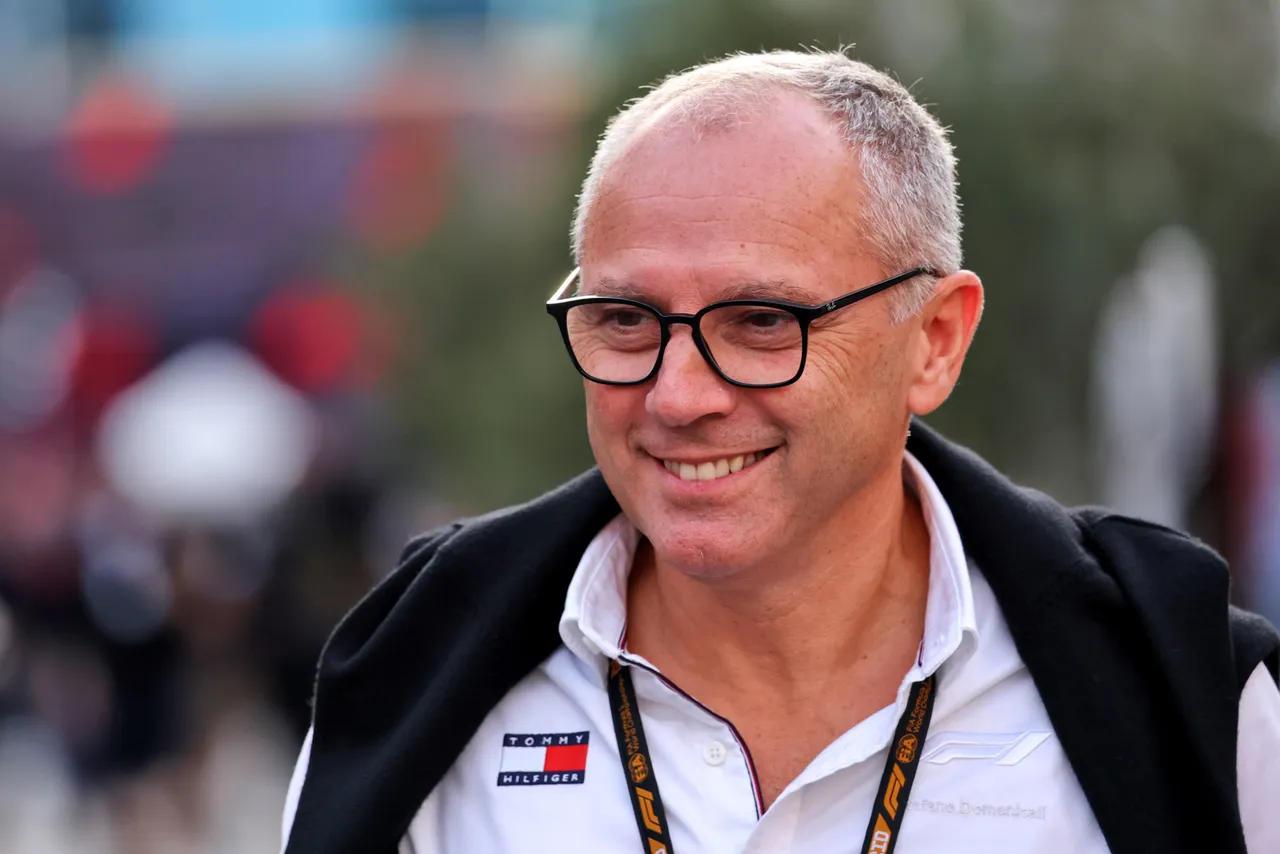
Photo: Race Pictures.
This is where the interview begins to feel out of touch. Instead of acknowledging these concerns meaningfully, Domenicali seems to double down, reinforcing the idea that Formula 1’s growth is inherently positive.
“I told them: ‘Listen, guys. Don’t forget that what we are doing is possible because we have worked together to do things right,’” he said. “Respect a sport that has given all of us the unique opportunity to grow, earn a lot of money, and become globally recognised personalities.”
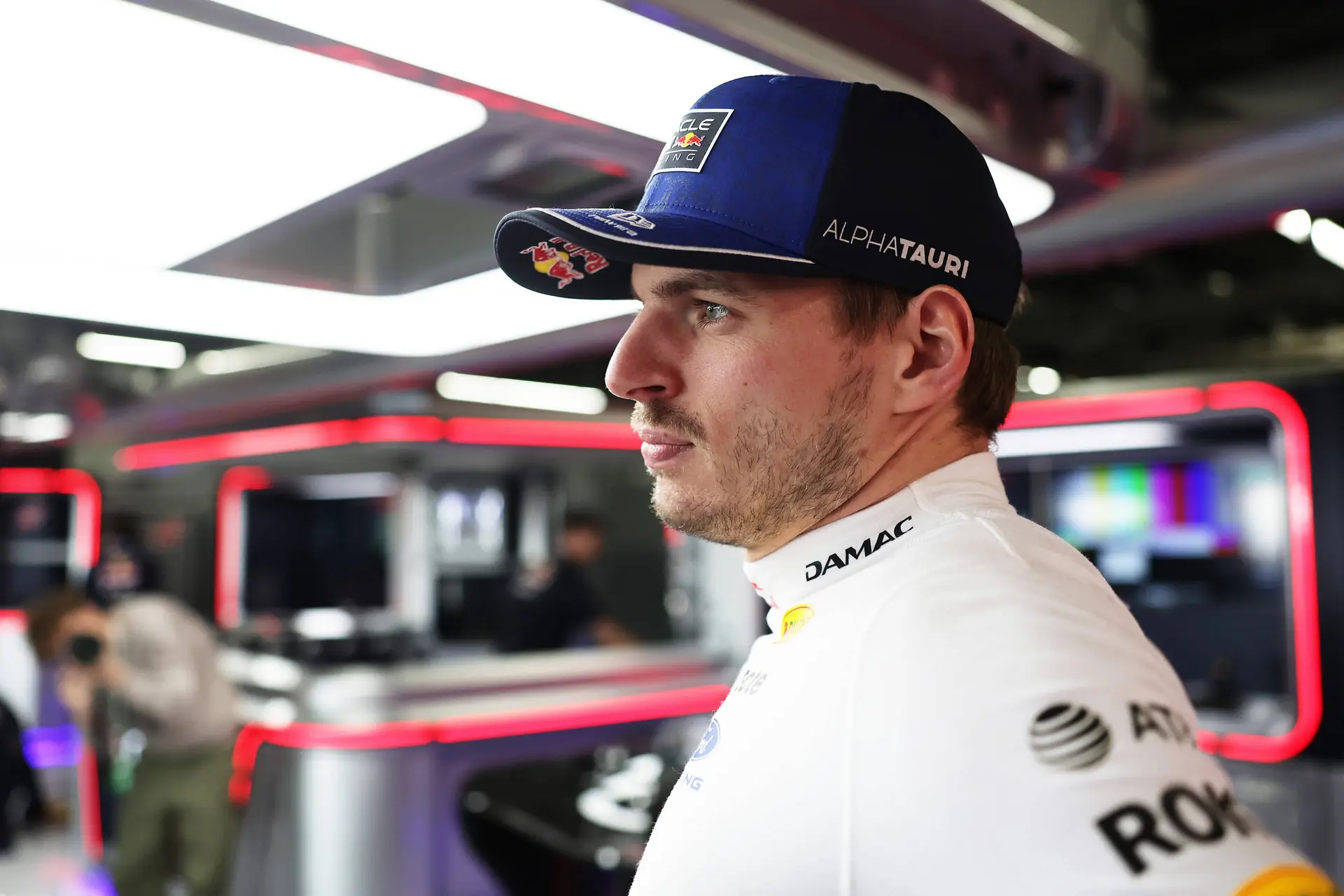
That alone is a staggering statement. It is factually correct, but also one that is only likely to antagonise the likes of Max Verstappen, who has railed against the demands being put upon drivers to benefit the growth of F1.
The four-time world champion has repeatedly hinted at a shorter career than his predecessors, citing the sport’s increasing demands and shifting priorities. Verstappen has made it clear that he values pure racing over spectacle, and the current trajectory of Formula 1 does not align with his vision for the sport.
That alone is a staggering statement. It is factually correct, but also one that is only likely to antagonise the likes of Max Verstappen, who has railed against the demands being put upon drivers to benefit the growth of F1.
The four-time world champion has repeatedly hinted at a shorter career than his predecessors, citing the sport’s increasing demands and shifting priorities. Verstappen has made it clear that he values pure racing over spectacle, and the current trajectory of Formula 1 does not align with his vision for the sport.

ADVERTISEMENT
Domenicali's comments will do little to reassure him. In fact, they may have the opposite effect. By emphasising expansion and entertainment without conceding any ground on driver concerns, the interview reinforces the idea that the sport is moving in a direction Verstappen is uncomfortable with.
For a driver already contemplating an early exit, that matters. It is also interesting that while Domenicali admits drivers, including Verstappen, have to be listened to, it does not mean he, or F1, agrees with his opinion. There is also a broader philosophical divide. Formula 1 has always balanced sport and spectacle, but in recent years the pendulum has swung noticeably towards entertainment. Initiatives like sprint races and increased media integration are designed to attract new audiences, particularly in markets like the United States.
Make GPblog your preferred source on Google and see our content first in Google Discover and Google News.
However, longtime fans feel that the essence of the sport is being compromised and that is now playing out on social media.
And that should be a concern. For if Formula 1 continues down a path Verstappen finds unappealing, walking away becomes a very real option. And if a driver of his calibre were to leave early, it would be a significant blow to the sport’s credibility and ultimately, fans and sponsors could follow him out the door.
These are tricky times for F1 to navigate. My personal feeling is that too much has been changed at the same time, and we are now left with an altogether different championship that is unlikely to be the one we saw last season. However, the narrative now appears that Formula 1’s leadership is unwilling to listen. Instead of quelling the noise, it has amplified it and given rise to further debate about where the sport is headed and who it is really serving.
If the goal was to stop the bashing of F1, then it backfired. Massively.
These are tricky times for F1 to navigate. My personal feeling is that too much has been changed at the same time, and we are now left with an altogether different championship that is unlikely to be the one we saw last season. However, the narrative now appears that Formula 1’s leadership is unwilling to listen. Instead of quelling the noise, it has amplified it and given rise to further debate about where the sport is headed and who it is really serving.
If the goal was to stop the bashing of F1, then it backfired. Massively.
Listen to or watch the GPblog.com video podcast. In the F1 Paddock Update, Jim Kimberley and Ben Hunt discuss the latest Formula 1 news. New episodes are available every Monday and Thursday on YouTube, Spotify, or your favourite podcast app.
Read also
ADVERTISEMENT
Don’t miss GPblog in Google
Mark us as a preferred source and our articles will appear more often at the top of Top Stories.
Add as a preferred / source on Google