Ferrari leave Austria with more questions than answers after qualifying promise fades on Sunday
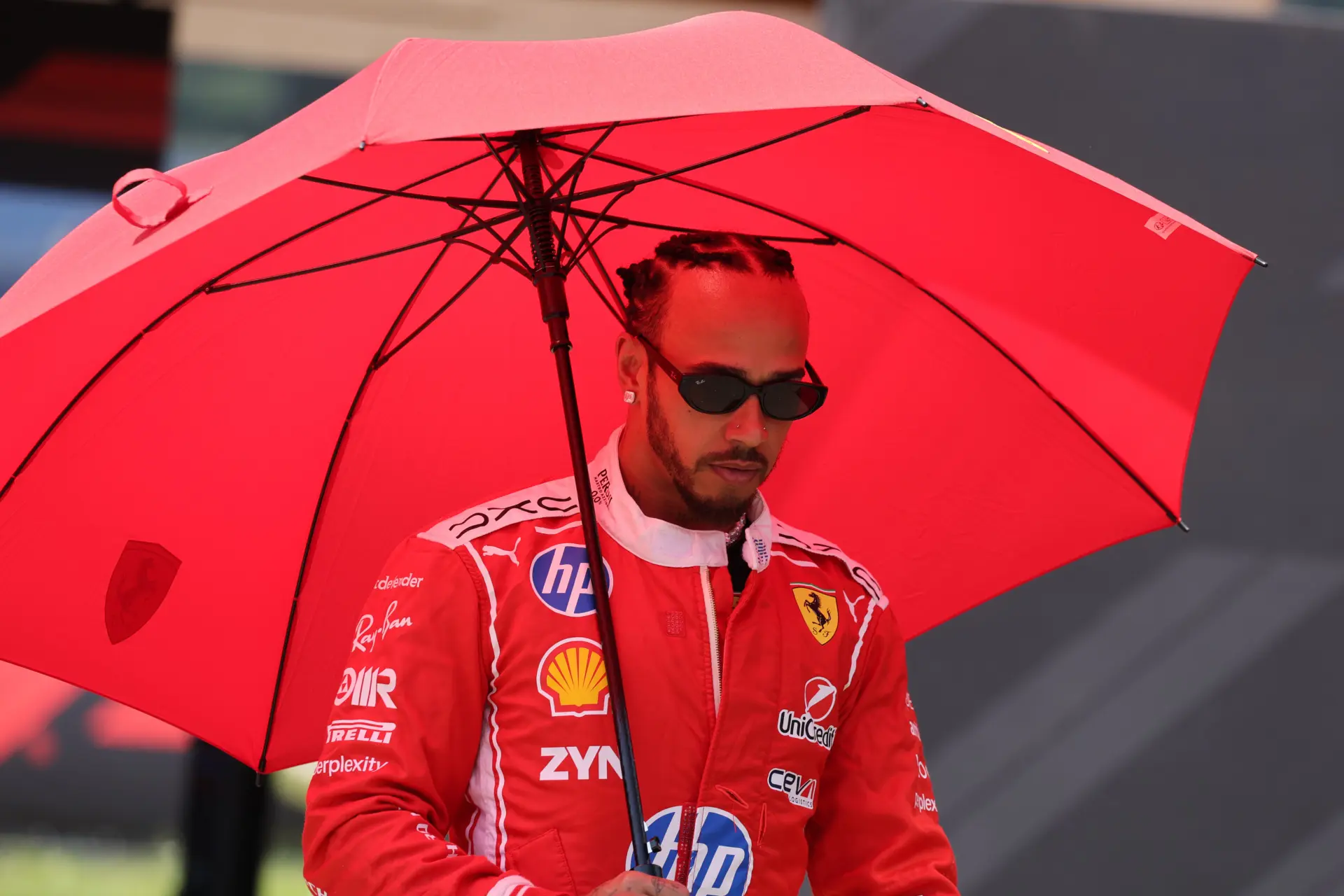
Photo: Race Pictures
Updated: 12:46, 29 Jun
6 Comments

Ben Hunt is an award-winning motorsport journalist with over two decades of experience in Formula 1 and international media. As a former editor-in-chief and bestselling author, he delivers in-depth analysis and strategic insight from the highest level of the sport.
A disappointing Austrian GP for the Italian team killed the momentum after Lewis Hamilton’s historic win in Spain. Why did Ferrari fade so badly in the race?
Ferrari arrived at the Austrian Grand Prix believing they had finally turned a corner. Fresh from Hamilton's breakthrough victory in Barcelona, the Scuderia looked like a team building genuine momentum in the 2026 title fight.
Extensive upgrades had transformed the SF26 into a race-winning package, optimism was growing inside Maranello and even rivals were beginning to take notice.
Friday and Saturday only reinforced that belief. Hamilton and Ferrari appeared to have carried their Barcelona form to Spielberg, with the team demonstrating impressive pace throughout the weekend.
Ferrari's aerodynamic upgrades had significantly improved the car's cornering performance and tyre management, while a revised engine package and Shell fuel update offered further encouragement. There was talk that Ferrari could emerge as Mercedes' biggest challenger over the remainder of the season.
ADVERTISEMENT
Yet Sunday's race painted a very different picture.

Photo: Race Pictures
Hamilton crossed the line in fifth, while Charles Leclerc endured an even more frustrating afternoon to finish eighth. For a team that had shown genuine front-running pace over a single lap, it represented a disappointing return.
It is even more painful given in the early stages, the Ferrari did have some pace before their challenge faded and exposed a familiar Ferrari weakness: converting potential into results.
It is even more painful given in the early stages, the Ferrari did have some pace before their challenge faded and exposed a familiar Ferrari weakness: converting potential into results.
This time, was it strategy or a lack of pace?
The worrying aspect for Ferrari is the lack of outright pace. All three of the drivers who finished on the podium, winner George Russell, Max Verstappen and Kimi Antonelli all agreed they were surprised Ferrari did not have the speed in a straight line.
Just two weeks after standing on the top step of the podium in Barcelona, expectations had understandably risen. Ferrari had openly spoken about closing the gap to Mercedes, while Hamilton himself had begun to cautiously discuss building momentum rather than simply collecting solid points.
ADVERTISEMENT
The seven-time world champion never appeared able to challenge for the podium once the race settled into its rhythm. Whether through tyre management, outright race pace or strategic limitations, Ferrari gradually slipped away from the leading battle rather than establishing itself within it.
The lack of speed in Austria will be a huge concern for the team.
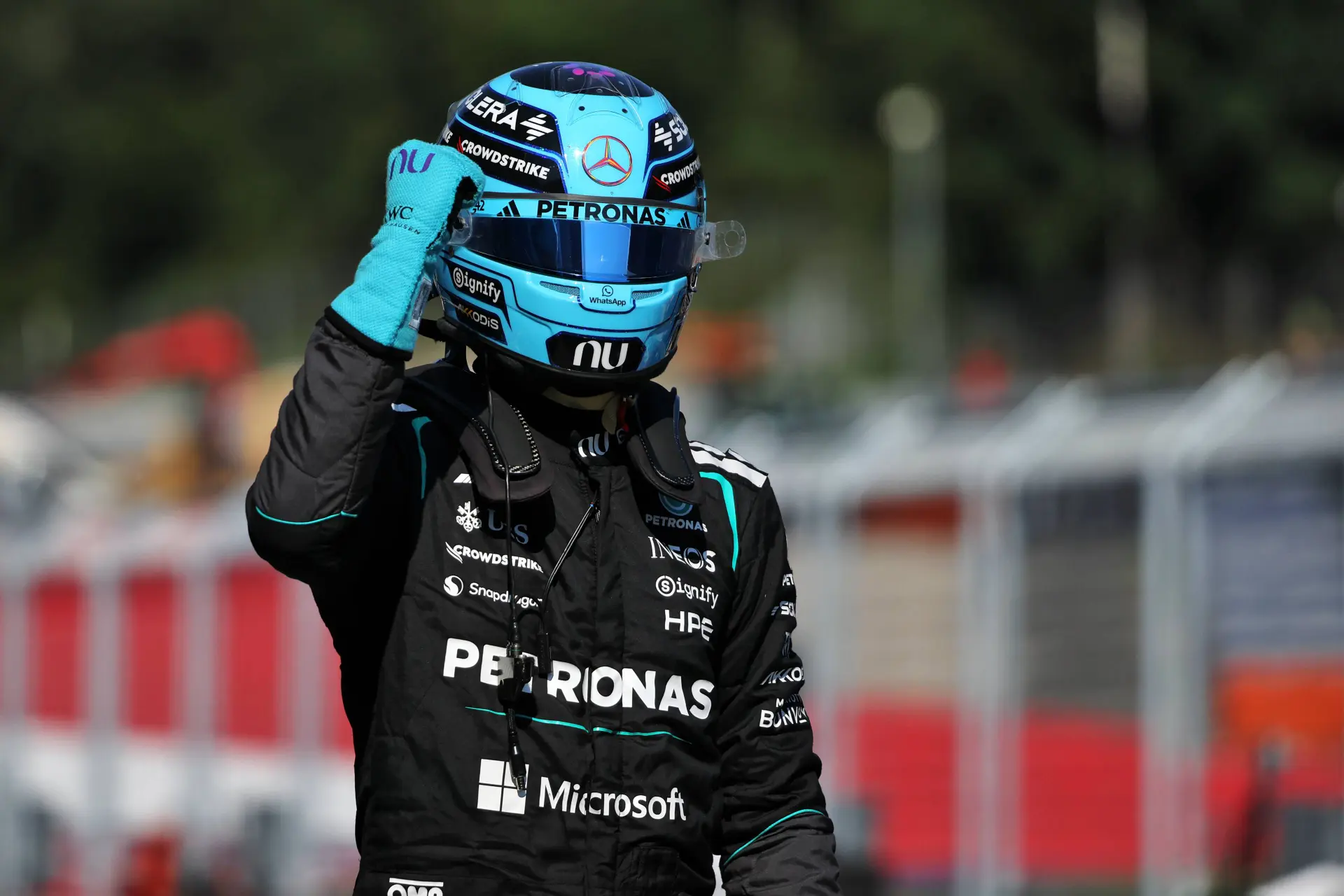

Photo: GPblog
Leclerc's afternoon was even more disappointing.
The Monegasque had spoken confidently before the weekend about Ferrari's development direction and praised the relentless effort from the factory to keep delivering upgrades. Those comments reflected a growing confidence that the team was finally heading in the right direction.
ADVERTISEMENT
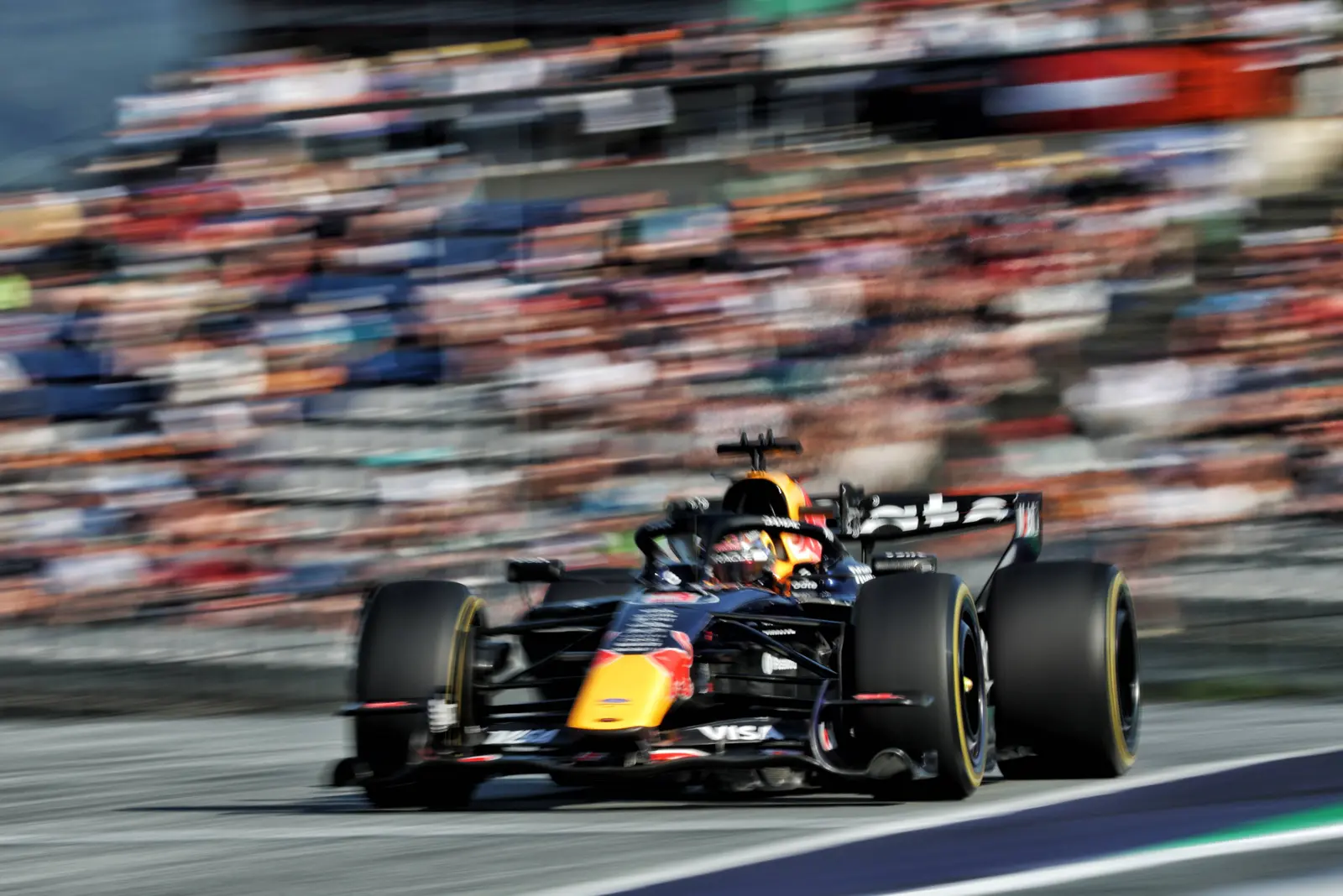
An eighth-place finish, however, was a reminder that development do not guarantee results and that other teams have also not stood still with their upgrades. Red Bull’s Verstappen delivered a fine performance for second and Mercedes remain the benchmark.
Alongside the lack of pace, strategy will also come under scrutiny.
Ferrari have made considerable progress operationally in recent seasons, but Austria will inevitably prompt questions over whether every opportunity was fully exploited.
The team were slow to react to the Virtual Safety Cars. Calling Hamilton to pit, he said ‘you told me too late’. The answer from his race engineer was ‘we tried’. And that summed things up. Trying without achieving.
The team seemed to be caught in two minds when it came to working with the drivers. Hamilton was offered ‘Plan B’ while it was difficult to see how managing their drivers’ strategist better would not have lead to an improved result.
ADVERTISEMENT
Sadly, boss Fred Vasseur did not stick around in Austria for his planned media duties, so we will have to wait for the full explanation. He told Sky F1: "We didn't have the pace to fight with Mercedes and Max Verstappen and over-pushed the first couple of laps and had to change strategy. Everything went in the wrong direction. It's a good lesson."
In the meantime, Ferrari’s progress shown in Spain seems to have stalled for Silverstone. And that should be a big concern.
In the meantime, Ferrari’s progress shown in Spain seems to have stalled for Silverstone. And that should be a big concern.
Austrian GP 2026: Russell wins as Ferrari slump
5 questions · ≈ 2 min
to compete in the ranking.
Don’t miss GPblog in Google
Mark us as a preferred source and our articles will appear more often at the top of Top Stories.
Add as a preferred / source on GoogleRead more about:
latest news


Bahrain Grand Prix
Overview
Friday 02.10.26
Practice 1
04:30 AM
Practice 2
08:00 AM
Saturday 03.10.26
Practice 3
04:30 AM
Qualification
08:00 AM
Sunday 04.10.26
Race
07:00 AM
Friday 02.10.26
Practice 1
Fri 04:30 AM
Practice 2
Fri 08:00 AM
Saturday 03.10.26
Practice 3
Sat 04:30 AM
Qualification
Sat 08:00 AM
Sunday 04.10.26
Race
Sun 07:00 AM
Times are in your local timezone
Rumors
Popular on GPBlog
1
Leclerc may have said too much on new Ferrari engine in Baku
3491 times read
2
Vasseur under pressure: they could be his replacement
2199 times read
3
F1 drivers to face new challenge according to Malaysia weather forecast
1808 times read
4
Argentina's foreign minister fires back at Lando Norris over Colapinto
1506 times read
F1-stand 2026
Season
| Pos. | Driver | Team | Points |
|---|---|---|---|
1 | MercedesMER | 302 | |
2 | MercedesMER | 236 | |
3 | FerrariFER | 199 | |
4 | McLarenMCL | 186 | |
5 | FerrariFER | 179 | |
6 | Red Bull RacingRBR | 163 | |
7 | McLarenMCL | 120 | |
8 | Red Bull RacingRBR | 86 | |
9 | Racing BullsRCB | 59 | |
10 | AlpineALP | 41 |
Loading