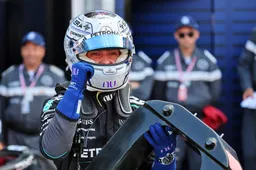
Could Hamilton's Ferrari admission see him locked in to a year as Leclerc's No.2

Photo Credit: Ferrari

Ben Hunt is an award-winning motorsport journalist with over two decades of experience in Formula 1 and international media. As a former editor-in-chief and bestselling author, he delivers in-depth analysis and strategic insight from the highest level of the sport.
Lewis Hamilton's Ferrari project was always expected to be a long-term challenge, but one recent revelation may have exposed just how difficult the seven-time world champion's situation really is.
The leaked exchange regarding Ferrari's help with the ADUO system offered a fascinating insight into Hamilton's current thinking. Combined with his own assessment that solving Ferrari's engine deficit could take "eight to 10 months", it paints a picture that Ferrari fans may not want to hear: Hamilton could be locked into a supporting role behind Charles Leclerc for the entirety of the 2026 season.
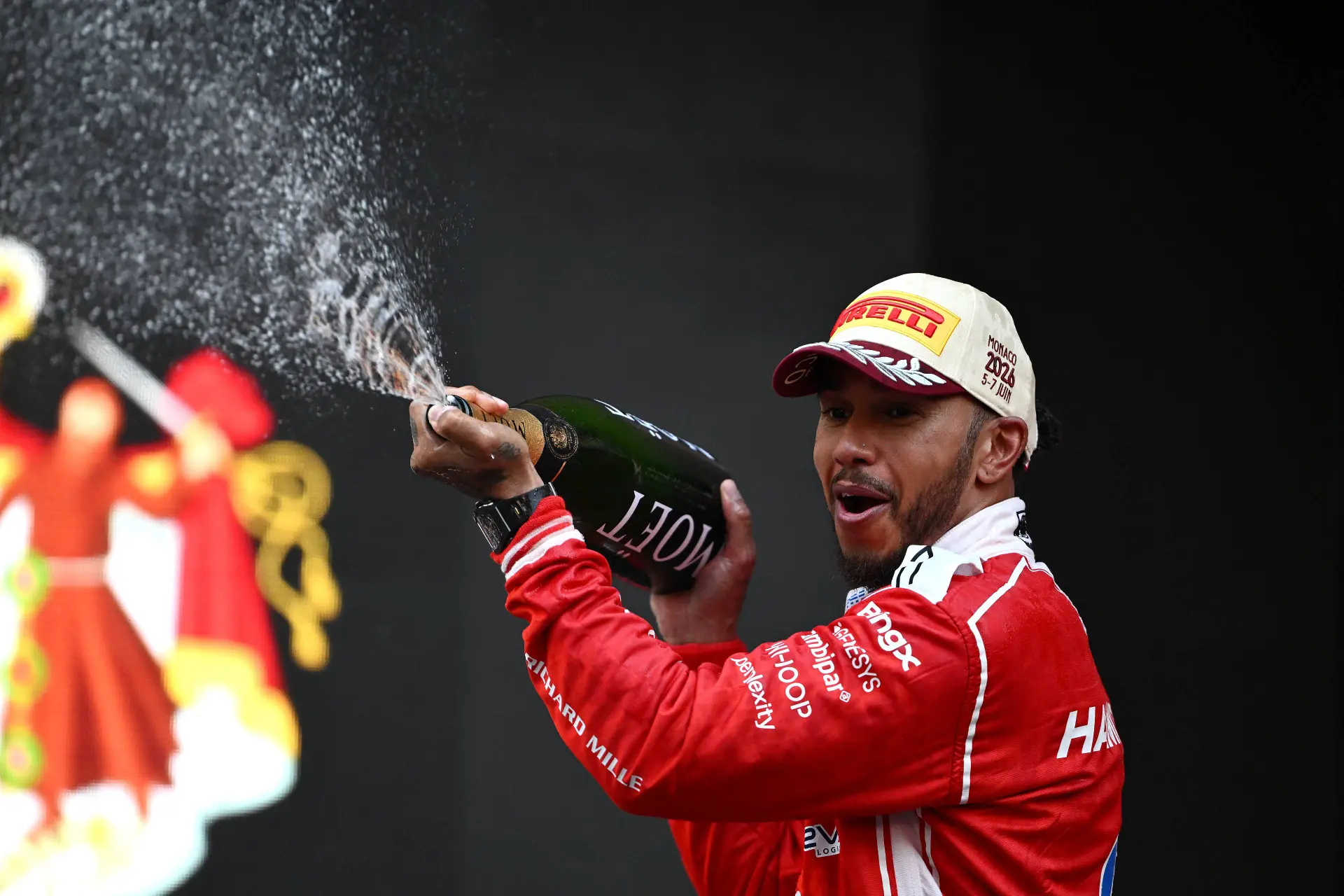
When Hamilton, who was cheered on by Kim Kardashian, signed for Ferrari, the dream was obvious. The most successful driver in Formula 1 history joining the sport's most iconic team to chase an unprecedented eighth world title. Reality, however, is proving more complicated.
Hamilton has repeatedly acknowledged that Ferrari's weaknesses extend beyond setup tweaks or aerodynamic updates. The Briton recently suggested that addressing the team's power unit shortcomings is a major project that could take between eight and 10 months to complete.

ADVERTISEMENT
Under Formula 1's 2026 regulations, development restrictions and homologation rules mean solutions are rarely immediate. If Hamilton's estimate is accurate, Ferrari's engine disadvantage may not be fully addressed until late in the season, or potentially even beyond.
Leclerc, who was left frustrated after crashing out in Monaco, already possesses years of experience within Ferrari's system. He understands the engineers, the procedures and the characteristics of the car better than anyone else on the grid. Even if Hamilton continues adapting impressively, Ferrari's current limitations naturally favour the driver who knows the environment best.

Photo: Race Pictures
The leaked ADUO communication reinforces that perception. Rather than sounding like a driver expecting immediate title contention, Hamilton appeared focused on understanding and helping resolve deeper structural issues.
If Ferrari spends much of 2026 chasing solutions then it is likely to impact the team's decision to selected one driver over another, especially with Leclerc having signed a contract extension.
ADVERTISEMENT
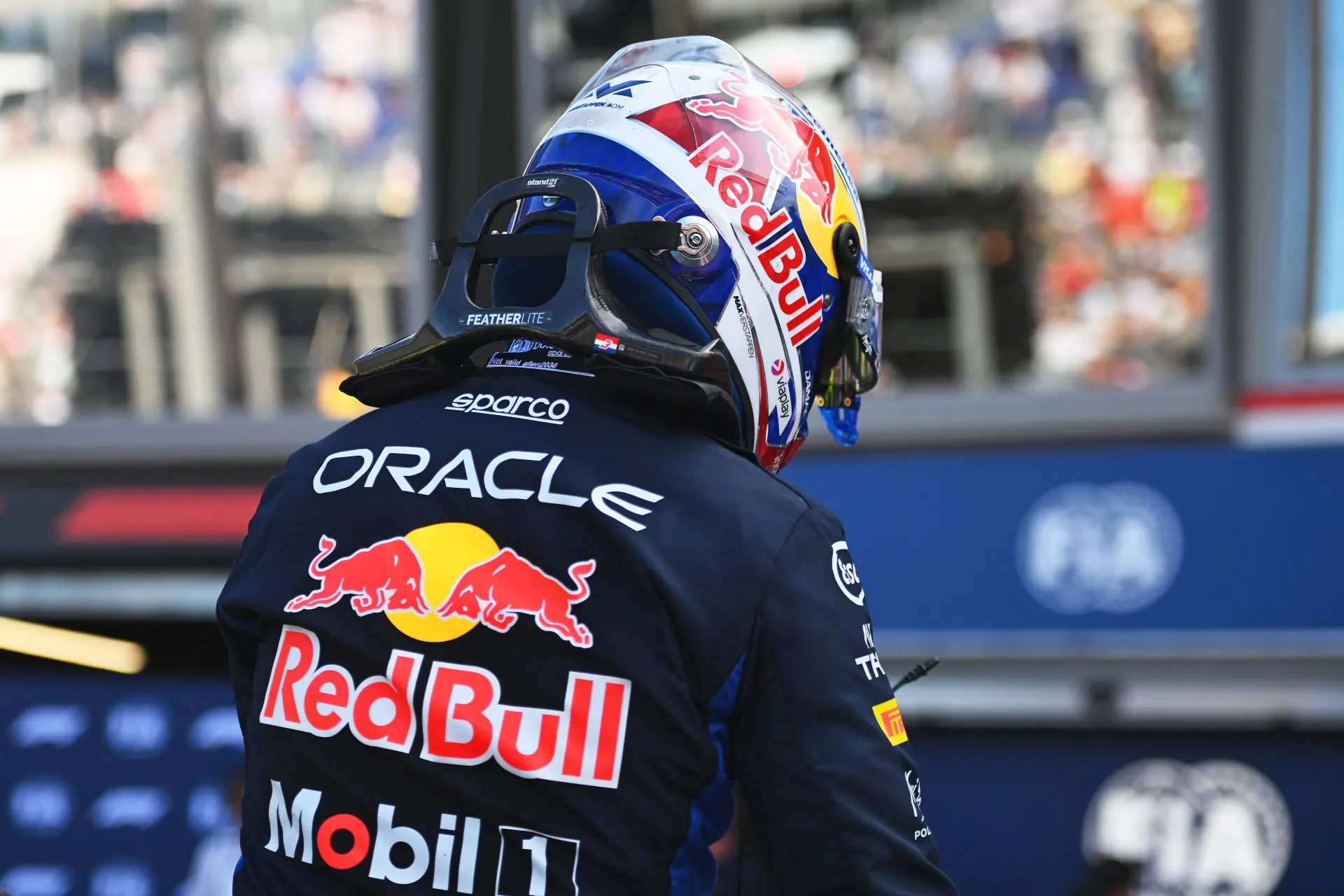
The Monegasque has long been viewed as Ferrari's long-term plan. Despite Hamilton's arrival, there has been little evidence that Ferrari intends to shift entirely away from its homegrown star. Instead, the team appears determined to maximise both drivers while allowing performance to dictate the pecking order.
In practice, if Leclerc continues extracting more from the package while Hamilton waits for Ferrari's broader project to bear fruit, an unofficial hierarchy could quickly emerge. Nobody at Ferrari will publicly declare a number one and number two driver. Modern Formula 1 teams rarely do. Yet performance often creates that distinction naturally.
Hamilton's comments suggest Ferrari's transformation will not happen overnight. If the solutions truly require eight to 10 months, then the uncomfortable reality is that 2026 may become less about Hamilton fighting for championships and more about helping Ferrari build the foundations for future success.
And if that proves to be the case, Leclerc may remain Ferrari's de facto number one for much longer than expected.
ADVERTISEMENT
Don’t miss GPblog in Google
Mark us as a preferred source and our articles will appear more often at the top of Top Stories.
Add as a preferred / source on Google