Aston Martin's rebuild has begun: Why the real test comes after Zandvoort
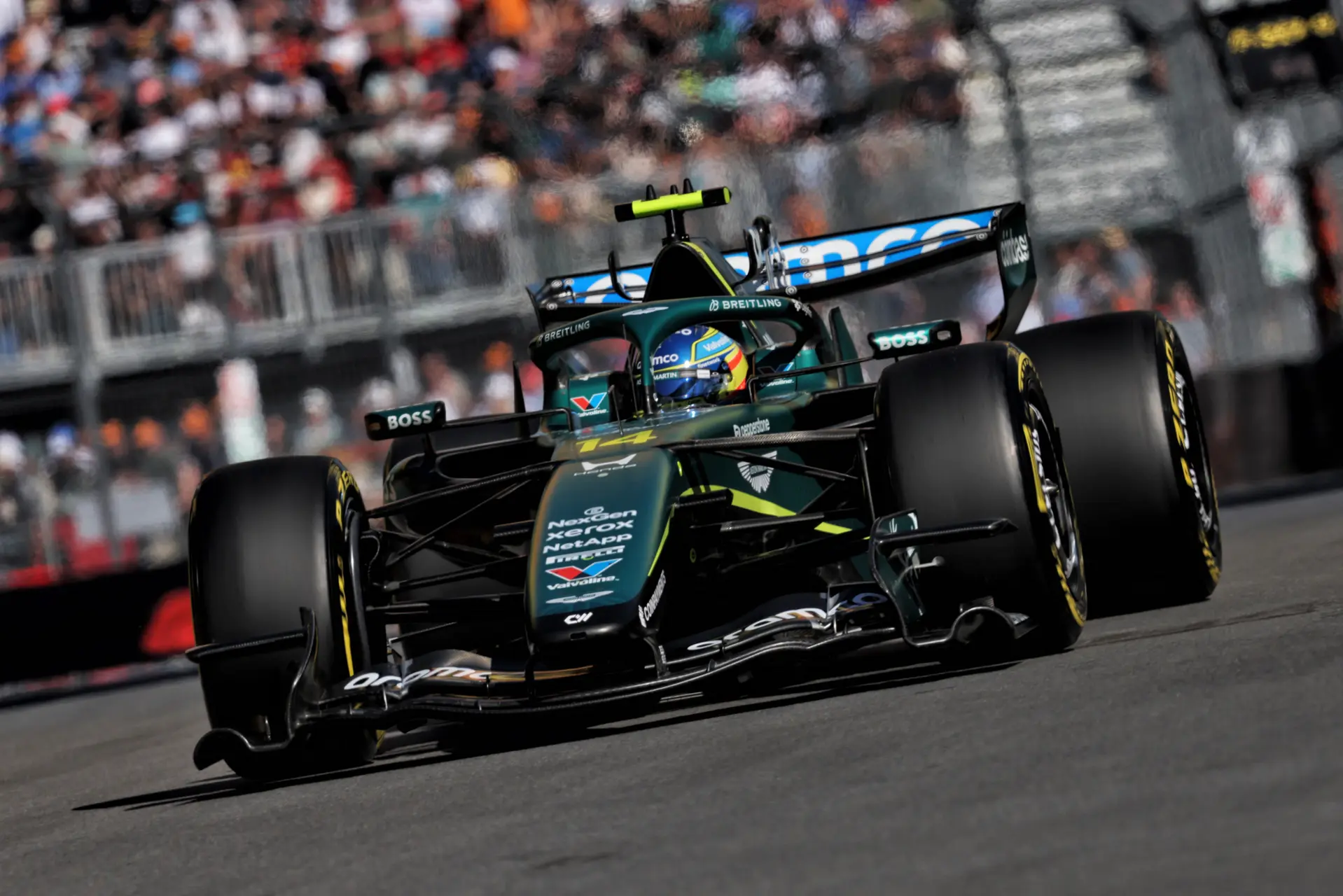
Photo: Race Pictures
Updated:
0 Comments

Nicole MulderManaging Editor
Nicole Mulder is Managing Editor at GPblog and a specialist in Formula 1 and MotoGP. With years of experience and permanent FIA accreditation at Grands Prix worldwide, she delivers reliable coverage and insights based on direct access to drivers and the F1 paddock.
Aston
Martin will introduce its biggest upgrade package of the season in Hungary,
before rolling out an upgraded Honda power unit at Zandvoort. However, the
British team is unlikely to suddenly find itself fighting inside the top ten
after just one race weekend. Internally, there is a clear understanding that
the true impact of these developments will only become apparent several races
down the line.
The Belgian
Grand Prix once again highlighted just how difficult Aston Martin's Formula 1
campaign has been. Fernando Alonso finished last, while Lance Stroll failed to
reach the chequered flag. That outcome did not come as a surprise, with
Spa-Francorchamps having been expected internally to be one of the team's most difficult
circuits of the season.
Hungary is only the first step
Attention
now turns to the Hungaroring, where Aston Martin will introduce its first major
upgrade package since the season opener in Melbourne. The package consists
largely of aerodynamic revisions, combined with significant weight-saving
measures. The latter, in particular, is expected to provide an important
performance boost, as every kilogram removed effectively translates into free
lap time. Red Bull Racing demonstrated exactly that earlier this season, with
Max Verstappen's RB22 gaining noticeable outright pace, despite the team's other
issues, simply through weight reduction.
Speaking to
GPblog and other media in Belgium, Alonso stressed that the effects of the upgrades would not
become clear after a single weekend and that the team would need several races
to fully understand where it stands. That message is consistent with what this website has learned from sources within Aston Martin in recent weeks.
Expectations remain modest: even reaching Q2 in qualifying would
already represent a significant step forward.
ADVERTISEMENT

Photo: Race Pictures
Rather than
focusing solely on outright lap time, the Silverstone-based squad views Hungary as the first
major validation of its new development direction. Does the package perform on
track as the factory expects? Has the correlation between the simulator, wind
tunnel and the circuit finally improved? Only once those questions have been
answered can the team move forward with confidence.
That is
also why the team is not willing to make bold predictions. Even
if the upgrades deliver exactly what is expected, there is no guarantee of a
dramatic jump up the order, particularly given that rival teams have continued
developing throughout the season as well.
Aston Martin is effectively building a new Formula 1 team
Much of the
attention from the outside has centred on Adrian Newey, but the legendary
designer is only one piece of a much larger puzzle. Over the past few years, Aston Martin has overhauled almost every aspect of its Formula 1 operation,
including its factory, development tools, Honda power unit partnership and
in-house gearbox project. Changing so many key elements simultaneously
inevitably makes the process longer than if only one area had been addressed.
ADVERTISEMENT
Read also
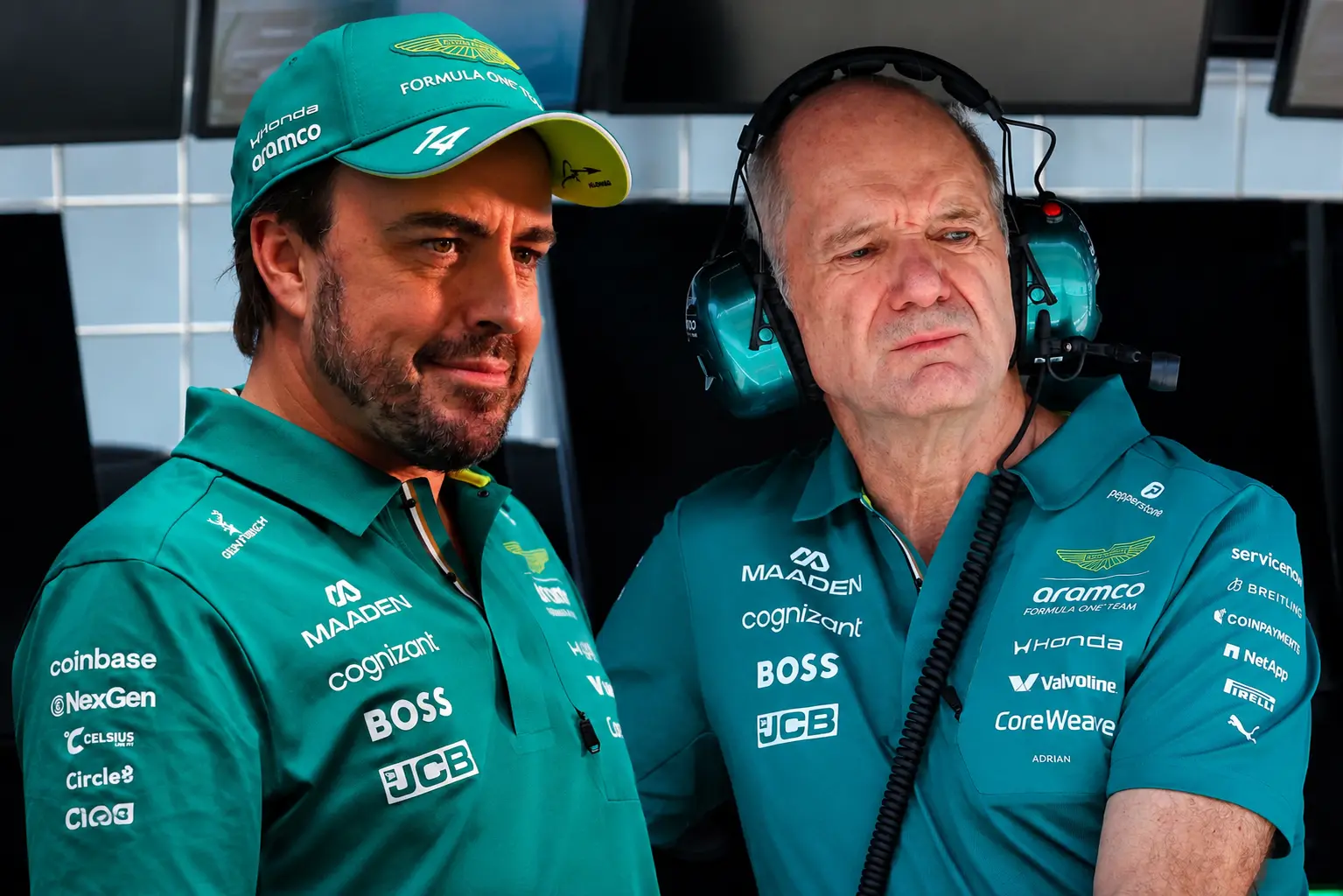
In many
ways, Aston's situation resembles Red Bull's early years, when Newey
also joined an organisation that was still building itself into a
championship-winning team. It took several years before all the new structures,
people and processes came together, eventually laying the foundations for
sustained success.
That
comparison also explains why Aston Martin has never expected Newey's arrival to
produce instant results. New personnel, new processes and new technology all
require time before they operate at their full potential.
Why Zandvoort may prove more important than Hungary

Photo: Race Pictures
ADVERTISEMENT
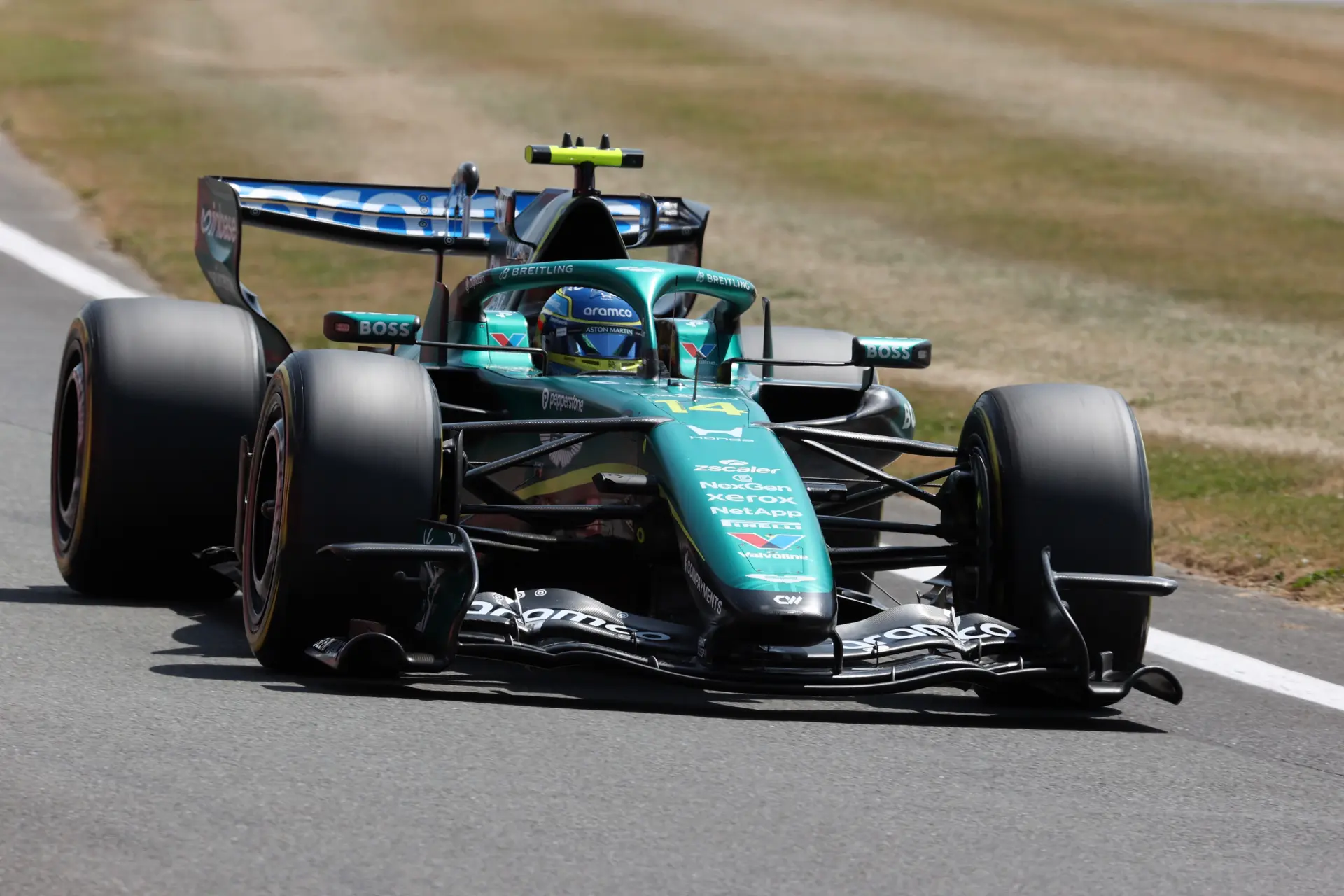
Although
Hungary has attracted most of the attention, Zandvoort could ultimately provide
a much clearer indication of Aston Martin's true progress. Following the summer
break, the team will introduce their upgraded Honda power unit, meaning it will
finally have the complete package it has been working towards for months.
GPblog
understands Aston Martin also expects the new concept to perform better on
circuits that reward high downforce. Zandvoort should therefore suit the
revised package better than several other venues on the calendar. Even then, no miracles should be expected just yet.
New
components rarely unlock their full potential straight away. Engineers first
need to understand the optimal set-up, while the drivers require time to build
confidence in the revised car. That is why Aston Martin expects its performance
to continue improving gradually throughout the second half of the season.
The real picture may not emerge until Madrid
ADVERTISEMENT
The team's
focus therefore remains firmly on the longer term. The priority is not to make
an immediate leap into the midfield, but to demonstrate that development is
finally moving in the right direction. That means delivering a more
predictable, driveable car for Alonso and Stroll, reducing the gap to the
midfield and putting the team in a position to fight for points more often.
Only after Zandvoort and the races that follow does Aston Martin expect to have a
realistic understanding of where the AMR26 truly stands. The upgrades are
therefore not the final solution, but the beginning of a development programme
whose biggest gains are likely to emerge later this season – and perhaps not
even fully until next year.
Don’t miss GPblog in Google
Mark us as a preferred source and our articles will appear more often at the top of Top Stories.
Add as a preferred / source on Google